



Glacial Ridge Project
About • Location • Activities • Ecology
About |
||
Ownership |
||
|
||
Links |
||
Overview |
||
|
||
History |
||
The land was purchased in the fall of 2000. Restoration work began in 2001 and was completed in 2011. |
||
Management |
||
|
||
Comments |
||
|
||

Location |
||||
Maps |
||||
|
||||
Printable Map(s) with GPS coordinates |
||||
Size |
||||
24,000 acres |
||||
Parking |
||||
Project Office |
||||
Driving Directions |
 |
|||||
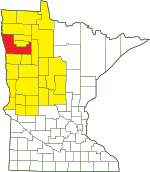
| Polk County | ||||||
| Northwest Minnesota | ||||||
Activities |
||
Hiking Trails |
||
Old Pembina Trail – 1¾ miles Herman Ridge Road – 3.3 miles |
||
Hunting |
||
Open by written permission only. Contact Glacial Ridge Project Office (218) 637-2146 for more information. |
||
Ecology |
|||||||
Ecological Classification |
 |
||||||
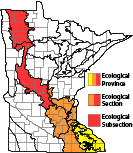
| Ecological Province | Eastern Broadleaf Forest Province |
||||||
| Ecological Section | Lake Agassiz, Aspen Parklands |
||||||
| Ecological Subsection | Aspen Parklands |
||||||
| Land Type Association | Beach Ridges Brooks Lake Plain Erskine Till Plain Gentilly Lake Plain |
||||||
Native Plant Communities* |
|||||||
|
|||||||
| * Source: The Minnesota Biological Survey, Minnesota Department of Natural Resources, Division of Ecological Resources | |||||||
Natural Features |
|||||||
Wet tallgrass prairie, mesic tallgrass prairie, gravel prairie, mixed prairie, sedge meadow, willow thickets, aspen woodlands, oak savanna, and emergent marsh. |
|||||||
24,000 Acres
This is the largest prairie and wetland restoration project in the history of the United States.
Visitor Photos |
|||||
Share your photo of this destination. |
|||||
| This button not working for you? Simply email us at info@MinnesotaSeasons.com. Attach one or more photos and, if you like, a caption. |
|||||
|
|||||
MinnesotaSeasons.com Photos |
|||||
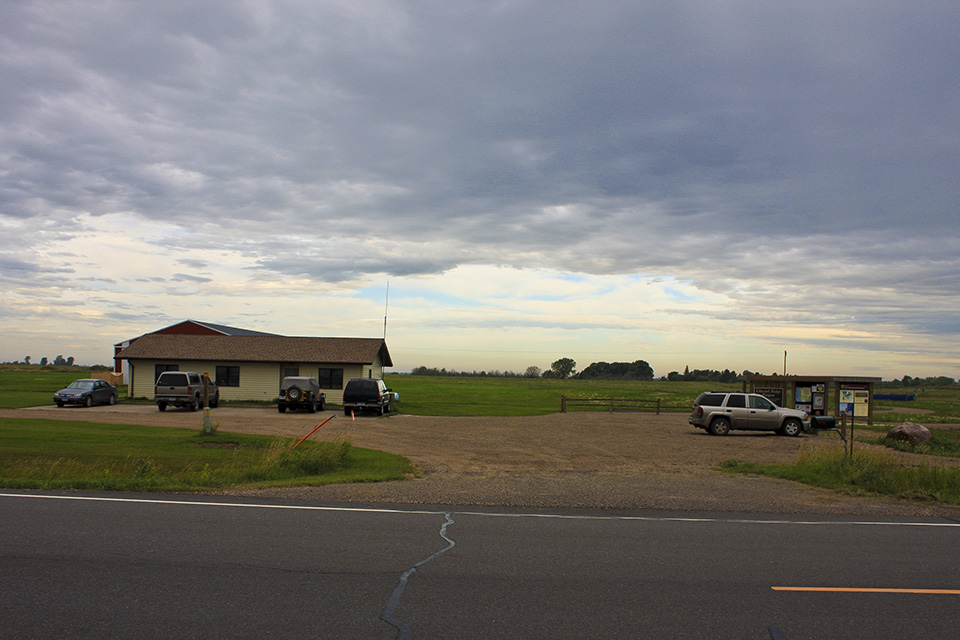
Headquarters |
|||||
 |
|||||
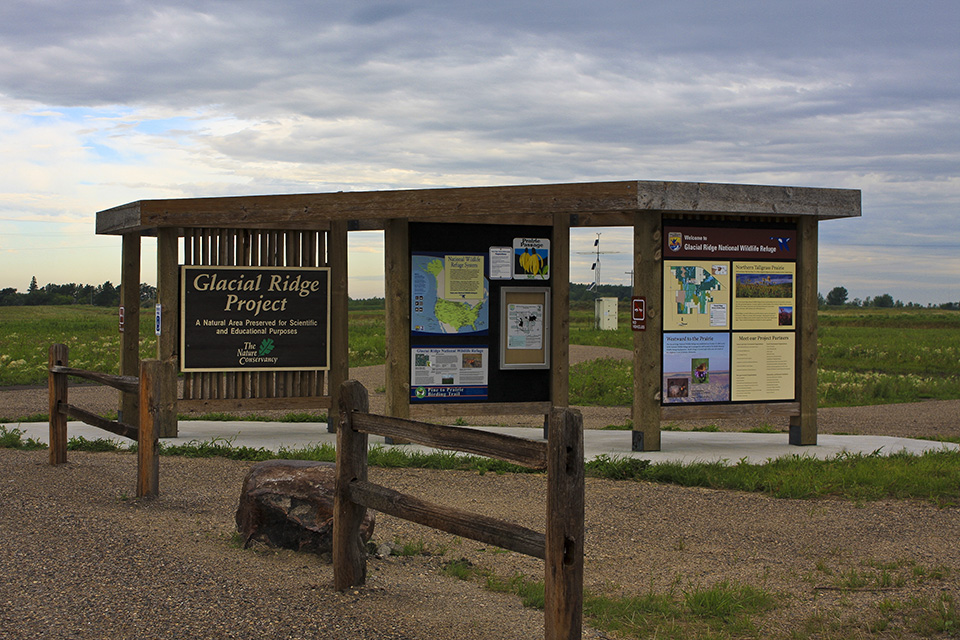
Kiosk |
|||||
 |
|||||

Slideshows |
||

Visitor Videos |
|||
Share your video of this destination. |
|||
| This button not working for you? Simply email us at info@MinnesotaSeasons.com. Attach a video, a YouTube link, or a cloud storage link. |
|||
Other Videos |
|||

Visitor Sightings |
||||||||||||||||||||||||||||||||
Share your sightings or comments about of this destination. |
||||||||||||||||||||||||||||||||
| This button not working for you? Simply email us at info@MinnesotaSeasons.com. |
||||||||||||||||||||||||||||||||
MinnesotaSeasons.com Sightings |
||||||||||||||||||||||||||||||||
|
||||||||||||||||||||||||||||||||
Birds |
||||||||||||||||||||||||||||||||
|
||||||||||||||||||||||||||||||||
Insects and Arachnids |
||||||||||||||||||||||||||||||||
|
||||||||||||||||||||||||||||||||
Plants |
||||||||||||||||||||||||||||||||
|
||||||||||||||||||||||||||||||||
Minnesota Biodiversity Atlas and Minnesota Biological Survey Vegetation Releves Plant List |
||||||||||||||||||||||||||||||||
Sandhill Cranes
The area is an important stopover point for migrating birds. As many as 20,000 Sandhill Cranes stop here on their way to their nesting grounds in the spring, and again on their way south in the fall. A few nest in the area.
Moose Crossing
While there are “Moose Crossing” signs in the area, the local and regional populations of moose have declined in recent years.
Created: Last Updated: © MinnesotaSeasons.com. All rights reserved. |