



prairie bush clover
(Lespedeza leptostachya)
Conservation • Description • Habitat • Ecology • Use • Distribution • Taxonomy
Conservation Status |
|
|||||||
| IUCN Red List | not listed |
|||||||
| NatureServe | N3 - Vulnerable S2 - Imperiled |
|||||||
| Minnesota | Threatened |
|||||||
Threatened |
||||||||
Description |
||
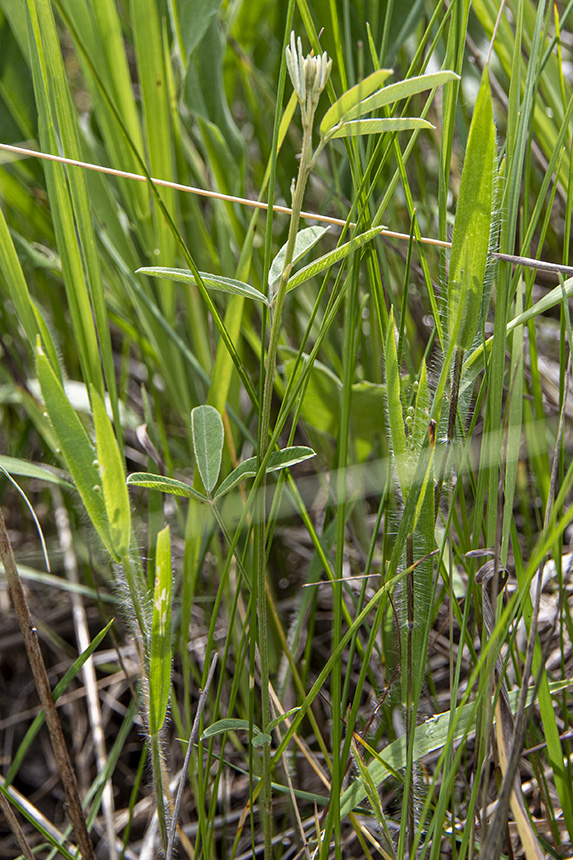
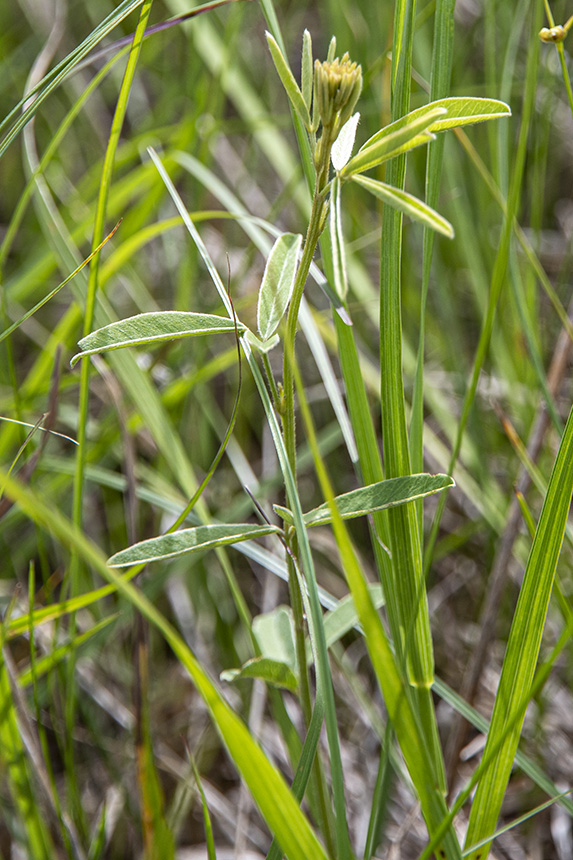
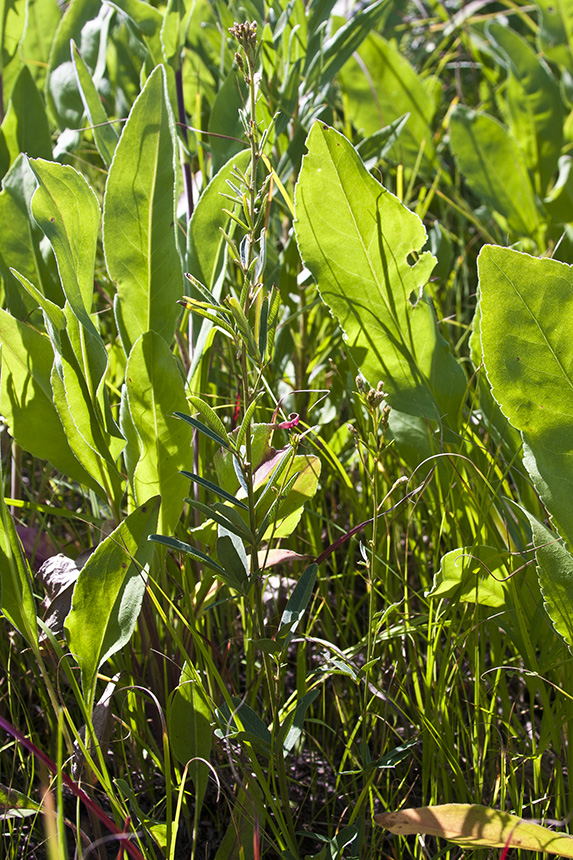
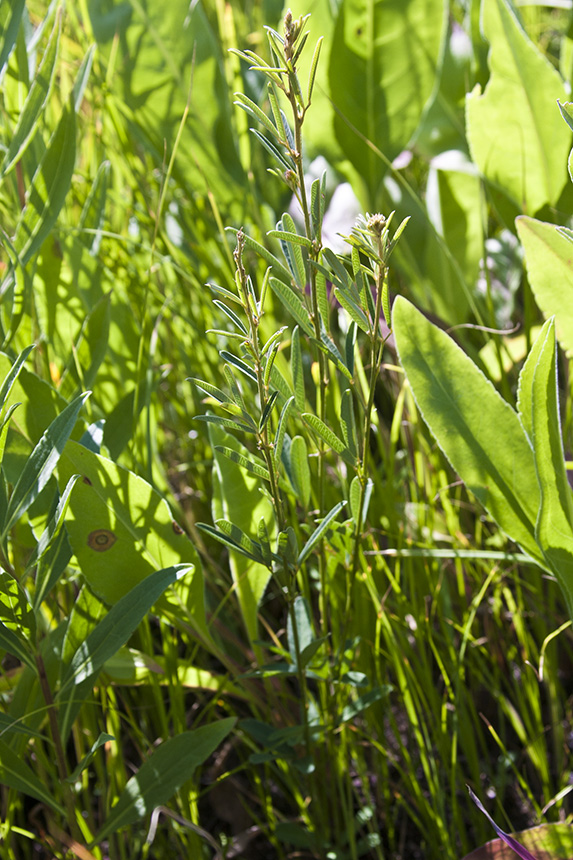
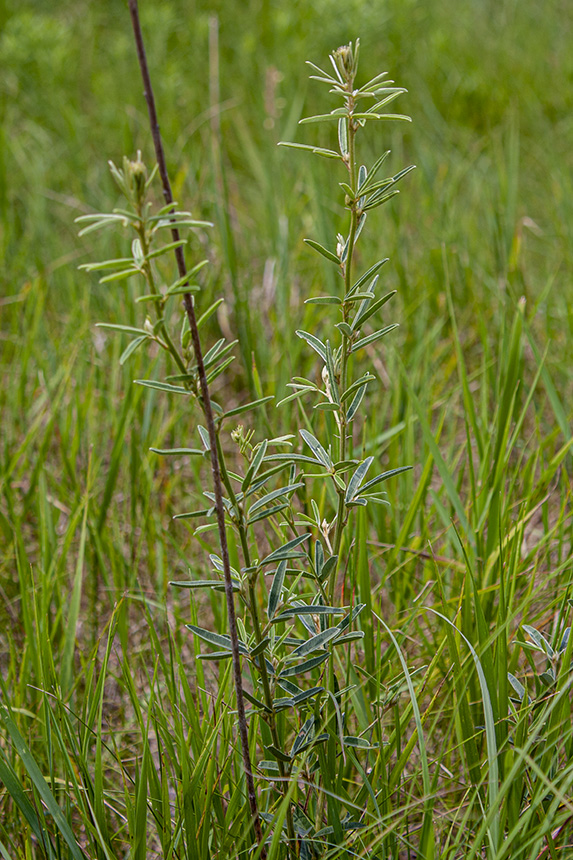
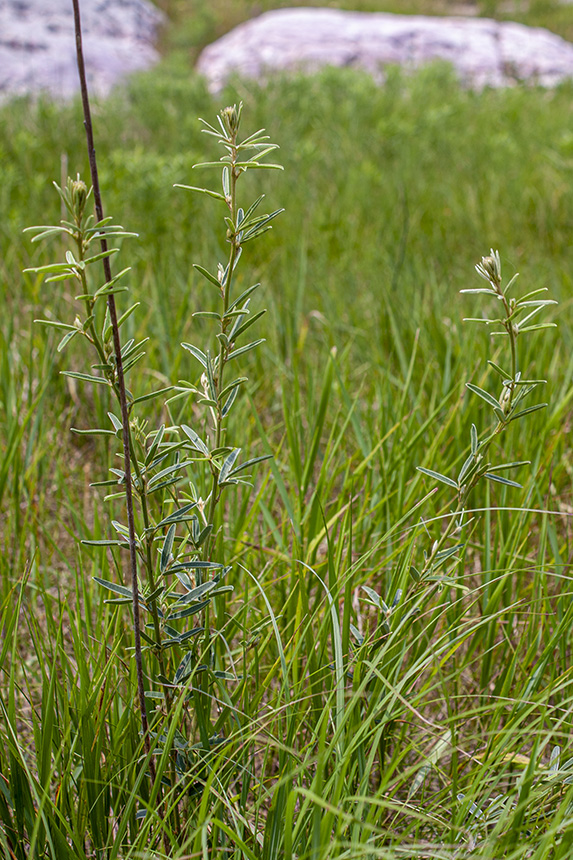
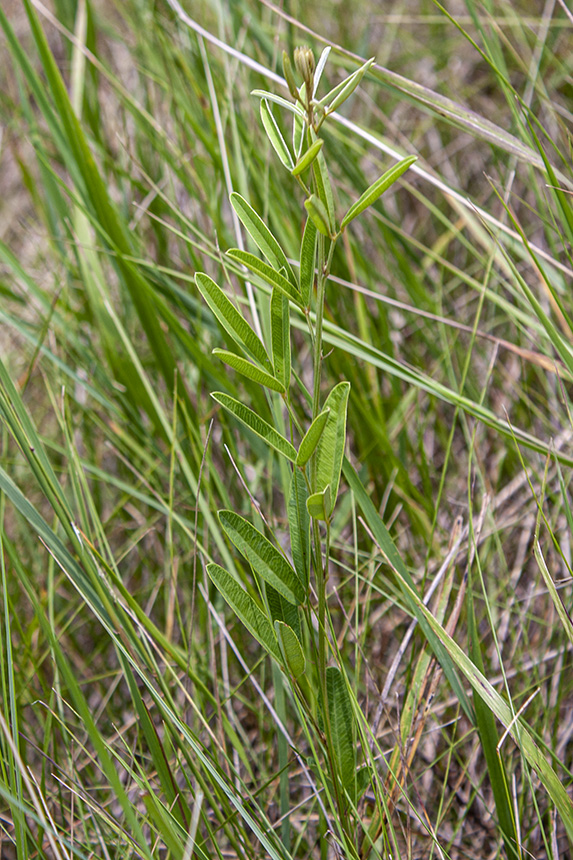
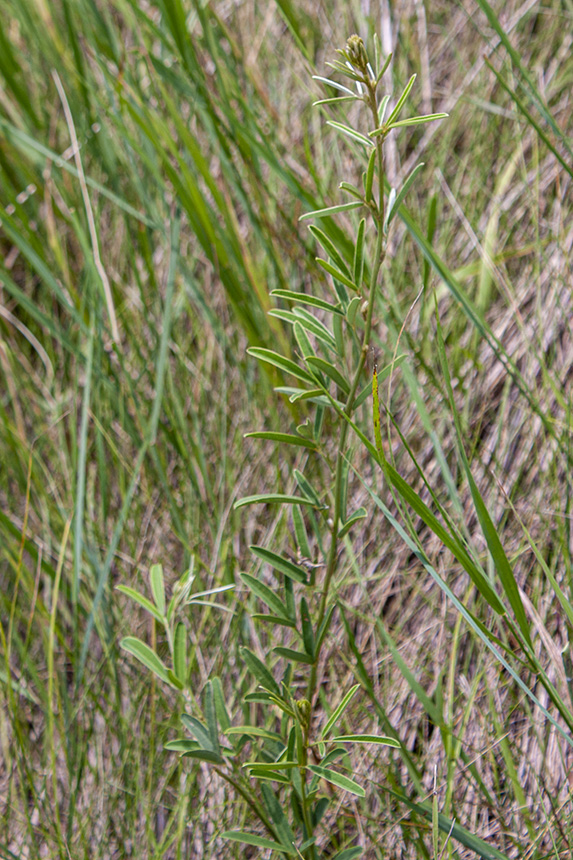
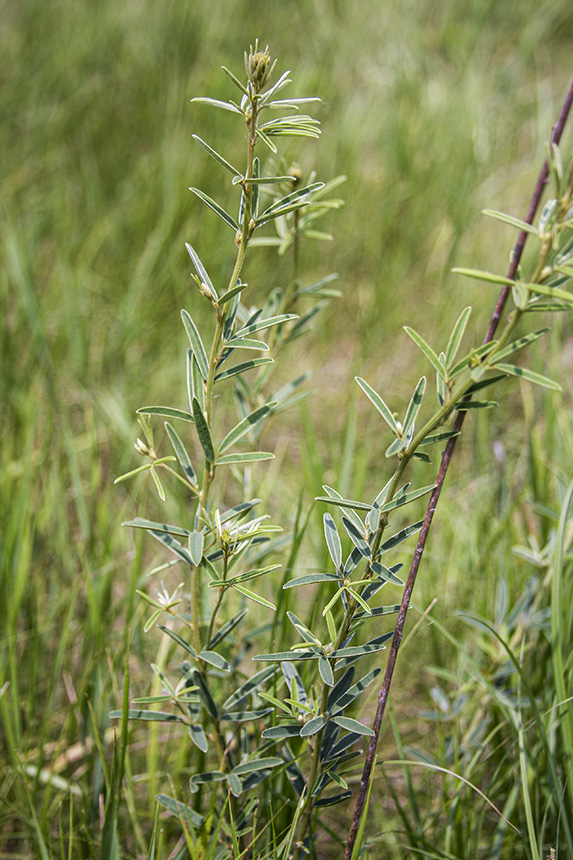
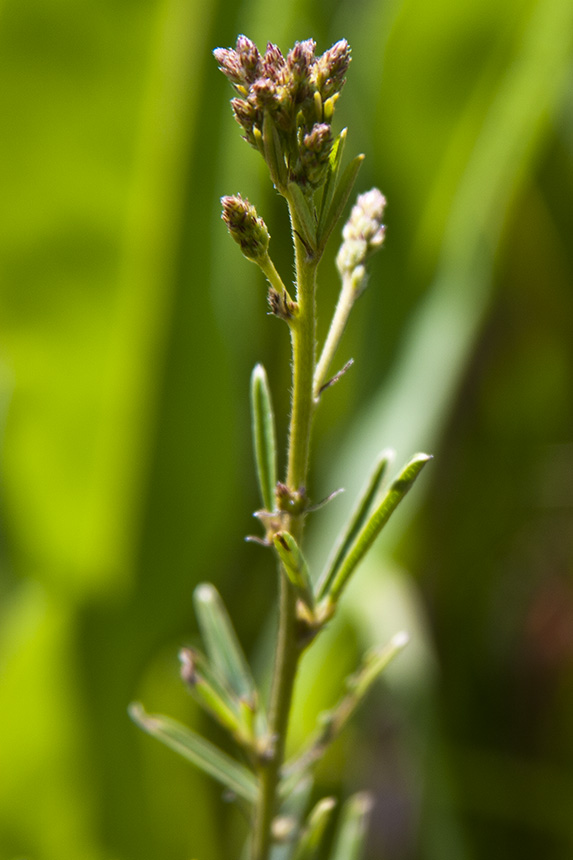
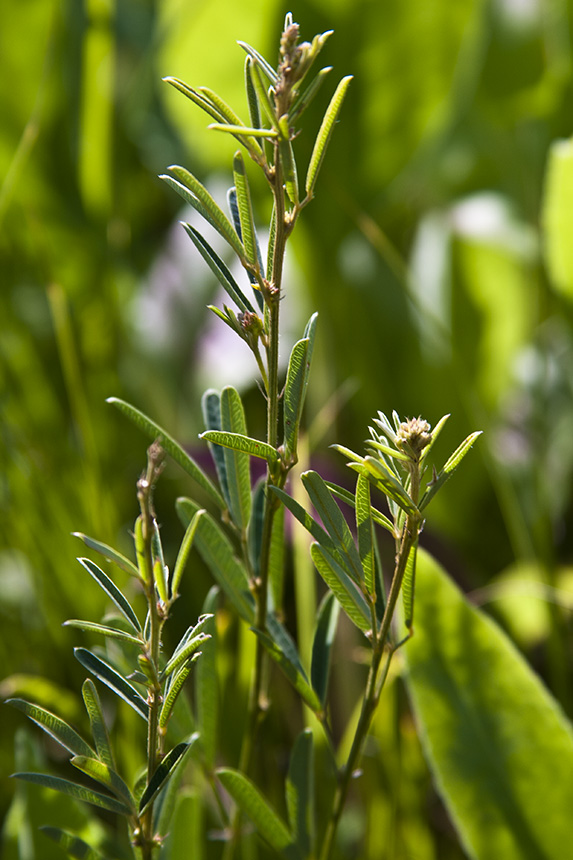
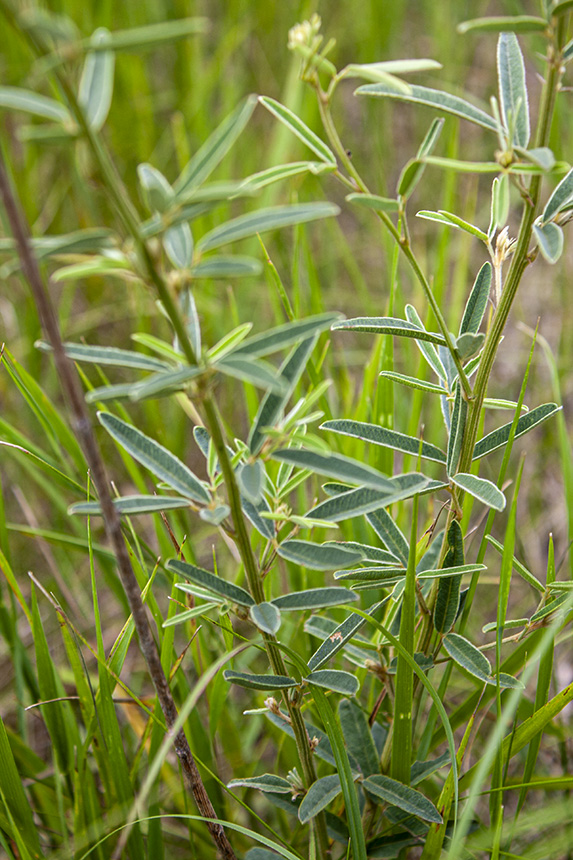
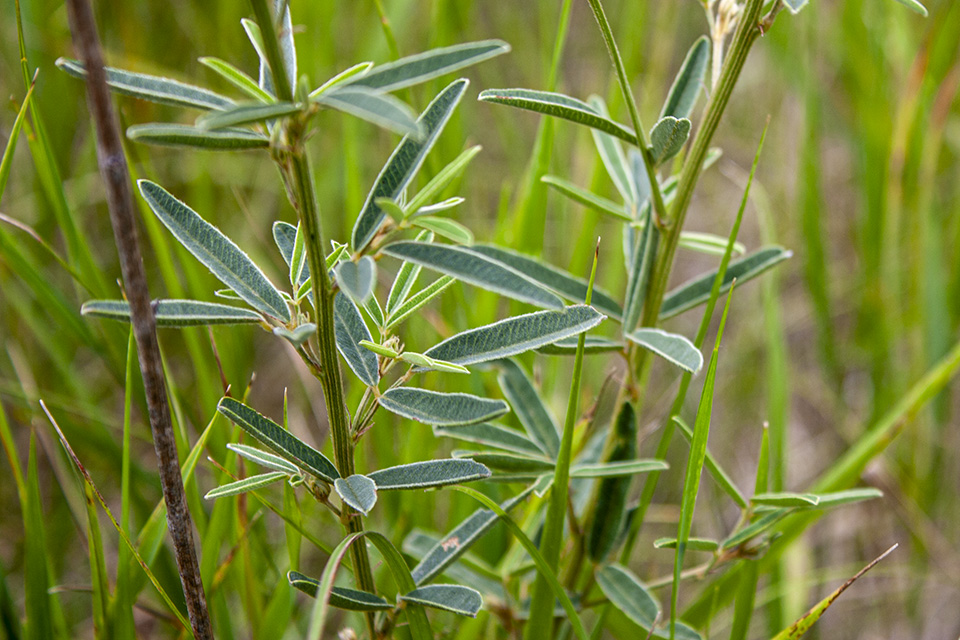
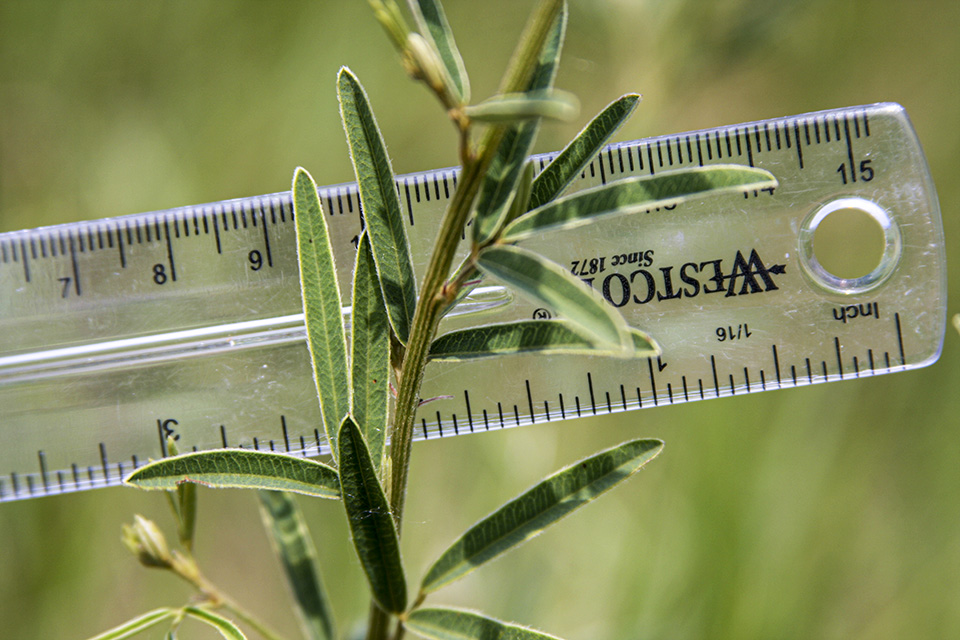
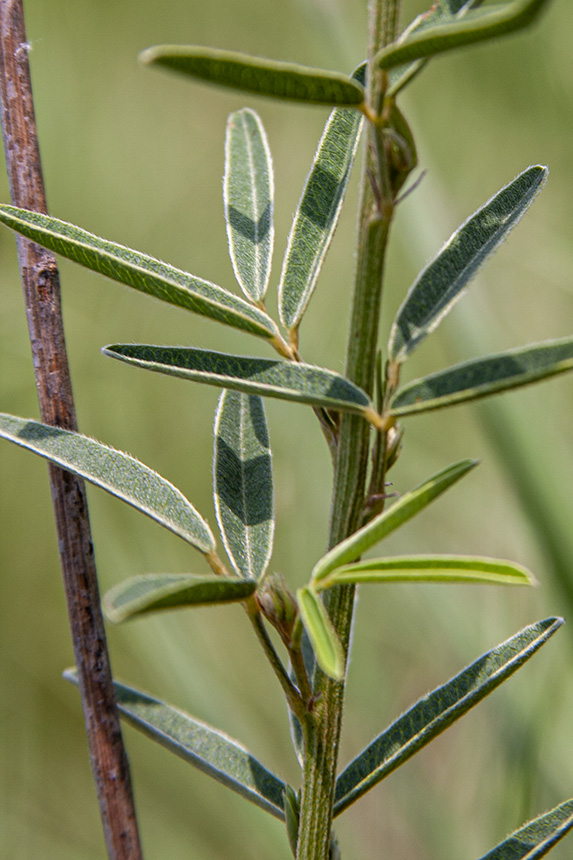
Prairie bush clover is a 9″ to 40″ tall, erect, long-lived perennial forb that rises on usually one but occasionally 4 or 5 stems from a taproot. It produces flowers after 6 years. The stems are erect, leafy, and usually unbranched or with a few branches above the middle.Flowering stems are no more than 18″ tall. They are densely covered with soft, silvery hairs. The leaves are alternate, and compound, divided into 3 leaflets. They are on short, ⅛″ to ⅓″ long leaf stalks. The stalk of the terminal leaflet is longer than the leaf stalk. The leaflets are ascending, oval, ¾″ to 1¾″ long, ⅛″ to ⅓″ wide, and may be tipped with a short, sharp, abrupt point. They are bright yellow-green in early summer, changing to grayish green in late summer. The hairiness of the upper surface is variable. They are usually covered in dense, soft, appressed, hairs, and often have a silvery sheen, but they may be hairless. The lower surface is always covered in dense, soft, appressed hairs. The margins are untoothed. The inflorescence is an open spike of several loose clusters with a few flowers each. The spikes are on a short stalk at the ends of stems and branches, or are unstalked in the leaf axils. The flower heads turn dark brown when they mature. The flowers are about ¼″ long and pea-like, with 5 petals organized into a broad banner at the top, 2 narrow wings, and a keel in the center formed by two petals fused together at the tip. The petals are pale pink or cream colored (yellowish-white) with a pinkish or purple patch near the throat. There is no floral scent. The fruit is a 1-seeded, hairy pod, about 1 ⁄5″ long. |
||
Height |
||
9″ to 40″, flowering stems no more than 18″ |
||
Flower Color |
||
Pale pink or cream colored (yellowish-white), with a pinkish or purple throat. |
||
Similar Species |
||
Round-headed bush clover (Lespedeza capitata) is a much larger and more robust plant. It has larger, wider leaves and tightly bunched, head-like flower clusters with many flowers. |
||
Habitat |
||
Dry to moderate moisture. Prairies on north- or northwest-facing gentle slopes of 10° to 15° degrees in a dry, open site. Full to partial sun. |
||
Ecology |
||
Flowering |
||
Mid-July to early August |
||
Pests and Diseases |
||
|
||
Use |
||
|
||
Distribution |
||||
|
Sources |
|||
| 5/26/2023 | ||||
Nativity |
||||
Native |
||||
Occurrence |
||||
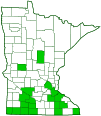
Rare Prairie bush clover is endemic to tallgrass prairie. It is found in only four states: Iowa, Illinois, Minnesota, and Wisconsin. Within those states it is found at only 36 sites in 24 counties, 16 of which are protected by federal, state, or private preserves. Most large populations will be found in and around the Des Moines River Valley in southwest Minnesota and in the Iowa Lakes region of northwest Iowa. |
||||
Taxonomy |
|||
| Kingdom | Plantae (Plants) | ||
| Subkingdom | Pteridobiotina | ||
| Phylum | Tracheophyta (Vascular Plants) | ||
| Class | Magnoliopsida (Dicots) | ||
Order |
Fabales (Legumes, Milkworts, and Allies) | ||
Family |
Fabaceae (Legumes) | ||
| Subfamily | Faboideae | ||
| Tribe | Desmodieae | ||
| Subtribe | Lespedezinae | ||
| Genus | Lespedeza (bush clovers and lespedezas) | ||
Synonyms |
|||
Common Names |
|||
prairie bush clover prairie lespedeza slender-leaved bush clover |
|||
Glossary
Axil
The upper angle where the leaf stalk meets the stem.
Compound leaf
A leaf that is divided into leaflets, each leaflet having the general appearance of a leaf, with all leaflets attached to a single leaf stem.
Visitor Photos |
|||||
Share your photo of this plant. |
|||||
| This button not working for you? Simply email us at info@MinnesotaSeasons.com. Attach one or more photos and, if you like, a caption. |
|||||
|
|||||
MinnesotaSeasons.com Photos |
|||||
| Habitat | |||||
 |
|||||
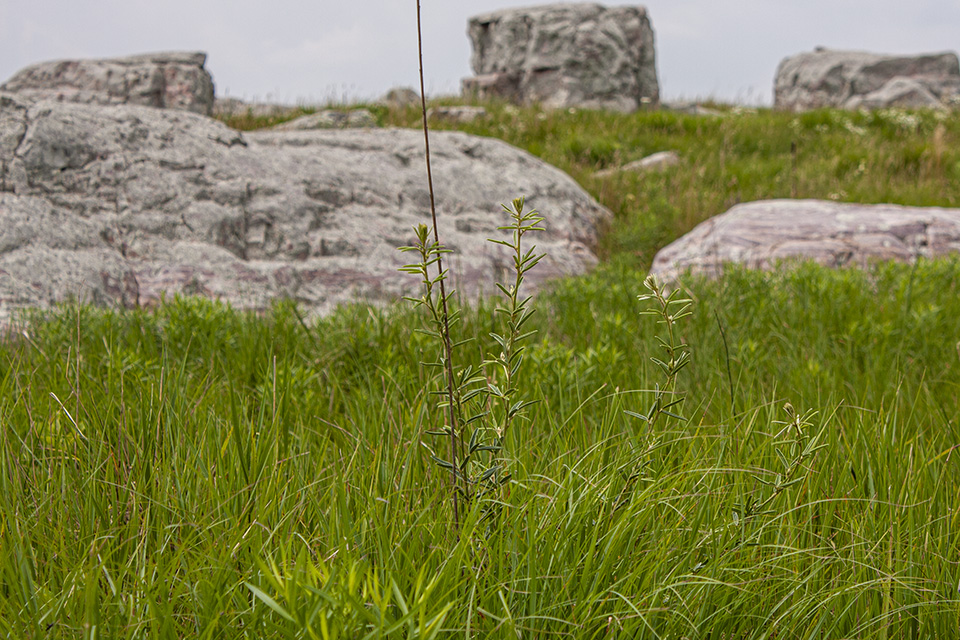
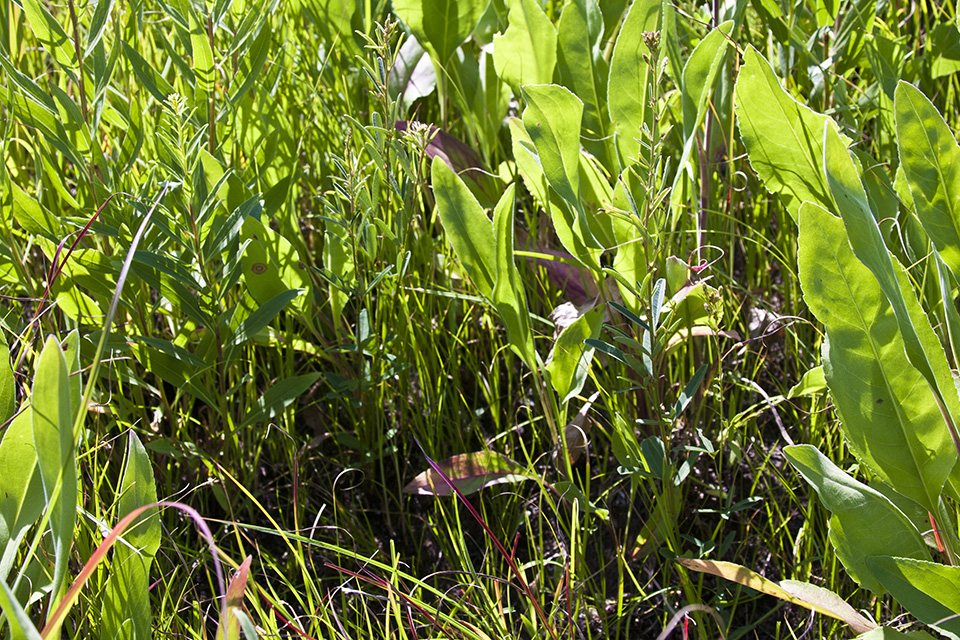
Prairie bush clover is a short, unshowy plant that is often difficult to pick out among the surrounding grasses and forbs. There are three prairie bush clover plants in this photo. |
 |
||||
Plant |
|||||
 |
 |
||||
 |
 |
||||
 |
 |
||||
 |
 |
||||
 |
 |
||||
|
 |
||||
Inflorescence |
|||||
 |
 |
||||
Leaves |
|||||
 |
 |
||||
 |
 |
||||
 |
|||||

Slideshows |
||
Visitor Videos |
|||
Share your video of this plant. |
|||
| This button not working for you? Simply email us at info@MinnesotaSeasons.com. Attach a video, a YouTube or Instagram link, or a cloud storage link. |
|||
Other Videos |
|||
| Prairie Bush Clover Adam Arvidson |
|||
About
Published on Apr 5, 2012 Prairie Bush Clover (Lespedeza leptostachya) at Cottonwood River Scientific and Natural Area in Minnesota, August, 2010. |
|||

Visitor Sightings |
|||||
Report a sighting of this plant. |
|||||
| This button not working for you? Simply email us at info@MinnesotaSeasons.com. Be sure to include a location. |
|||||
|
|||||
MinnesotaSeasons.com Sightings |
|||||
|
Created: Last Updated: © MinnesotaSeasons.com. All rights reserved. |