yellow garden spider - Species Profile
Conservation • Description • Habitat • Ecology • Distribution • Taxonomy
Conservation Status
IUCN Red List
not listed
NatureServe
NNR - Unranked
Minnesota
not listed
Description
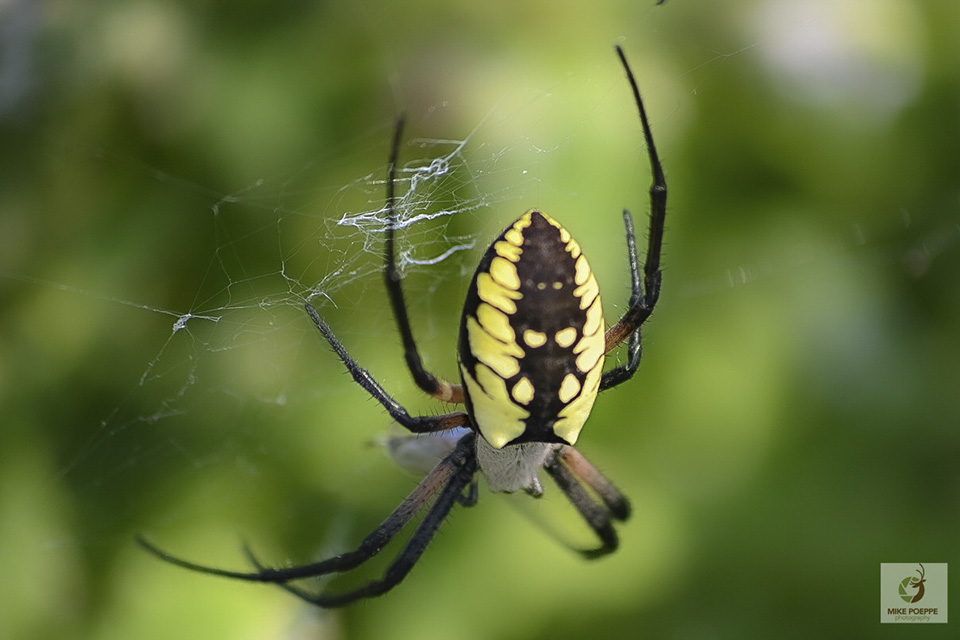
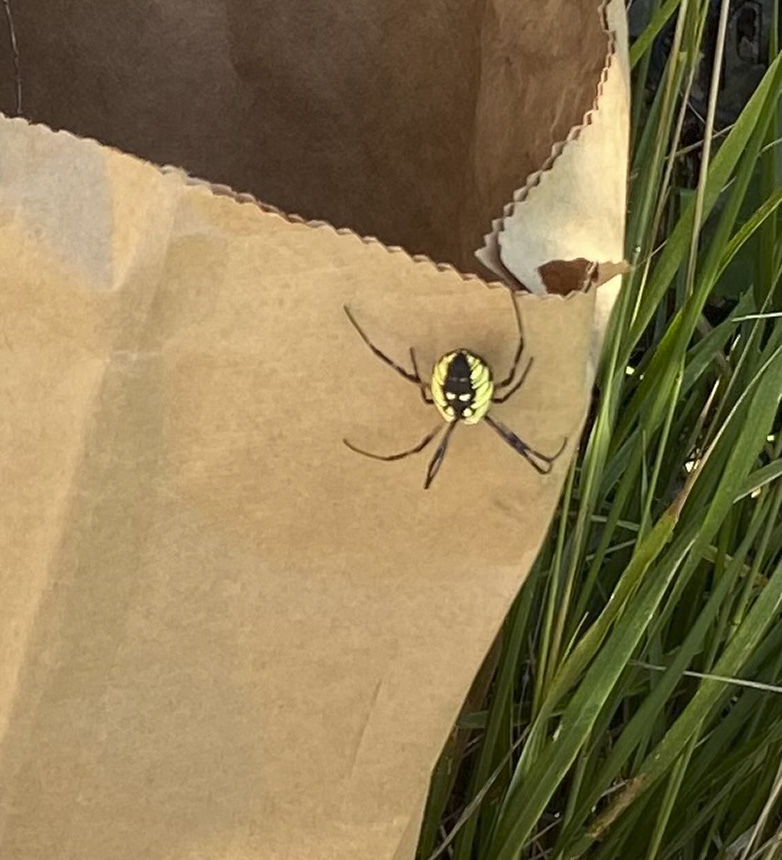
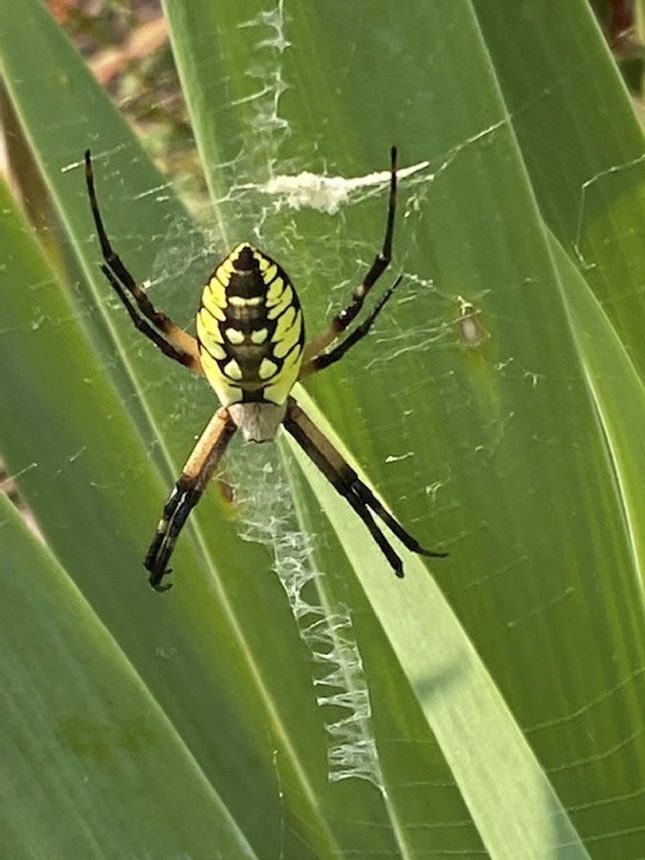
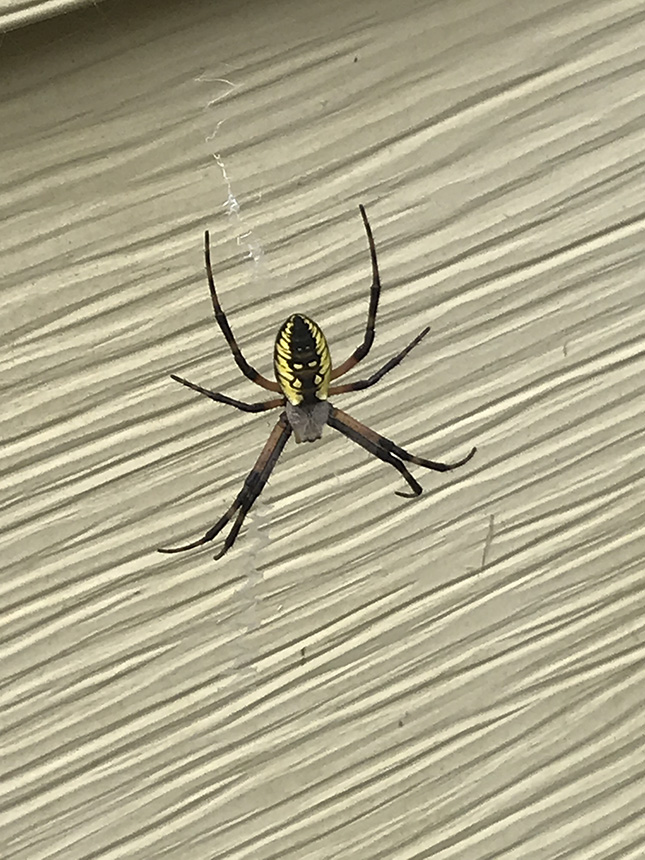
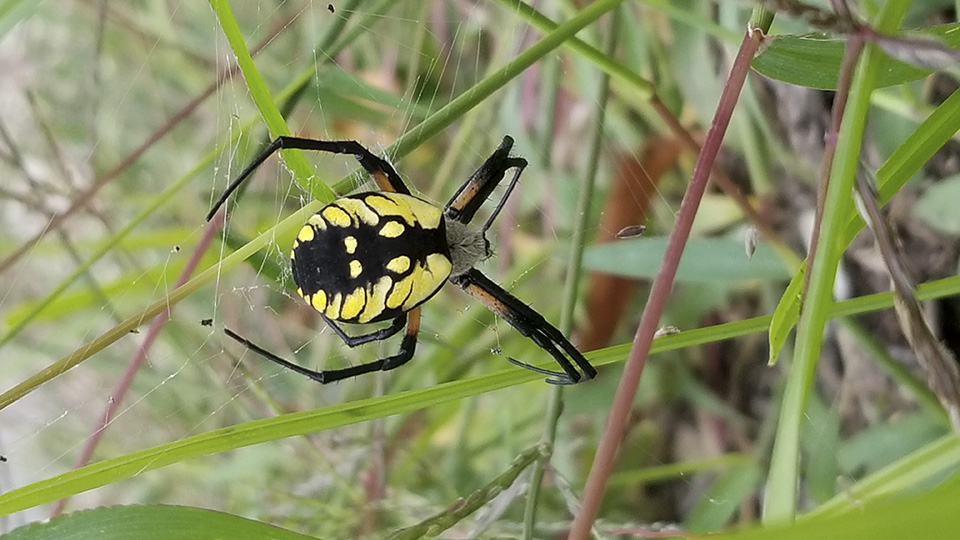
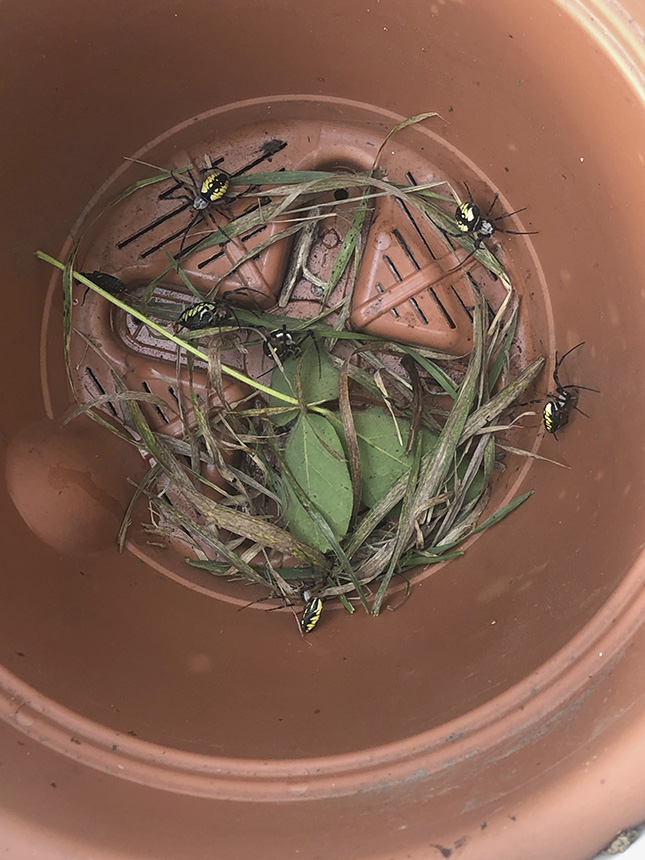
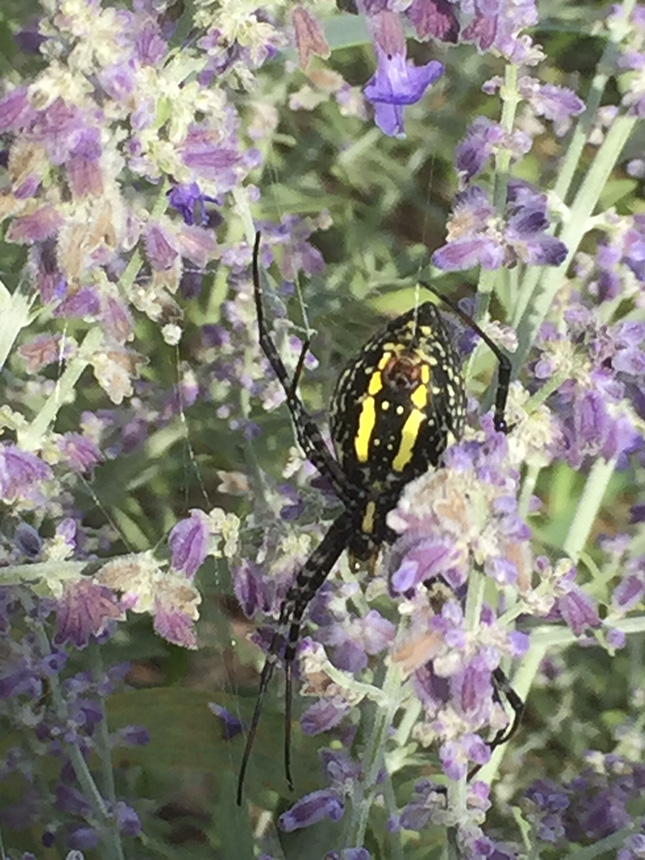
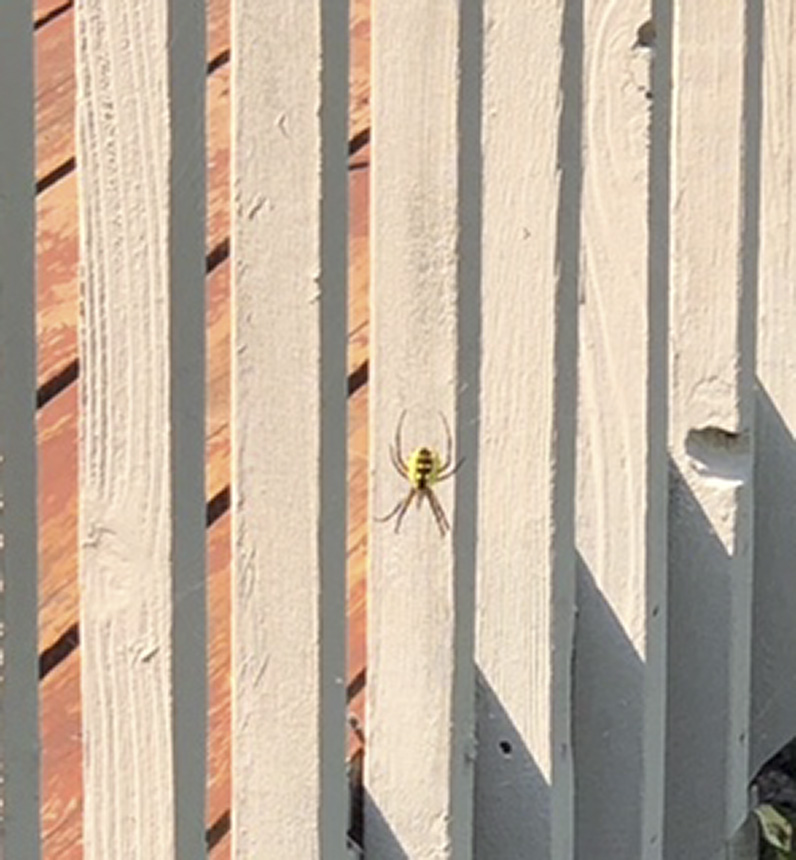
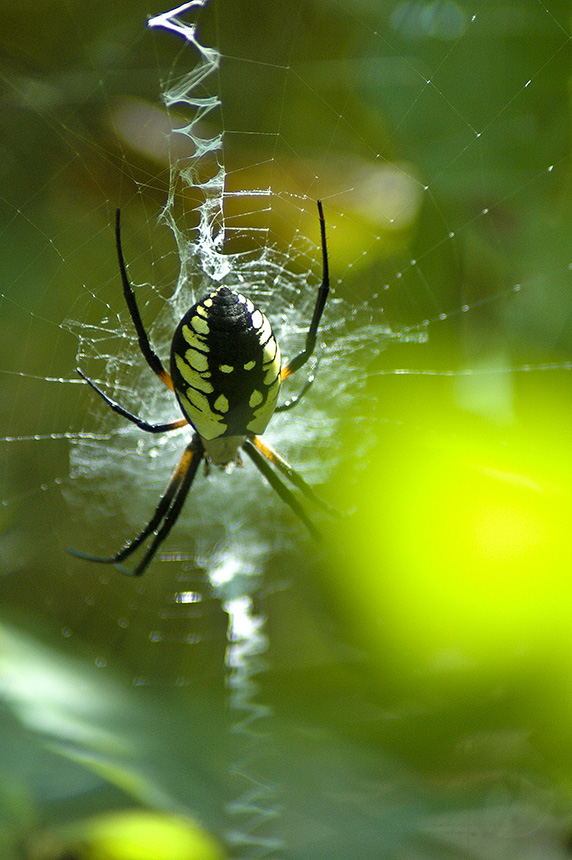
Yellow garden spider, also called black and yellow argiope, may be the largest web-building spider in the northern United States.
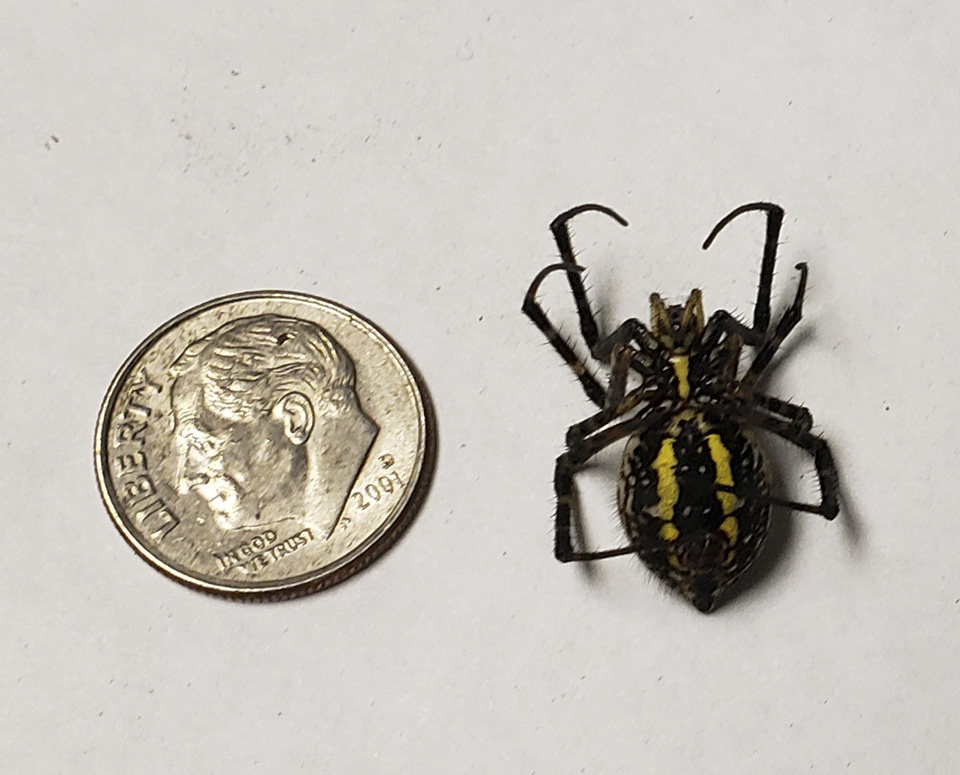
The adult female body is ¾″ to 1⅛″ (29 to 28 mm) in length. Tle legspan range for all adults is ¾″ to 2¾″ (18 to 70 mm).
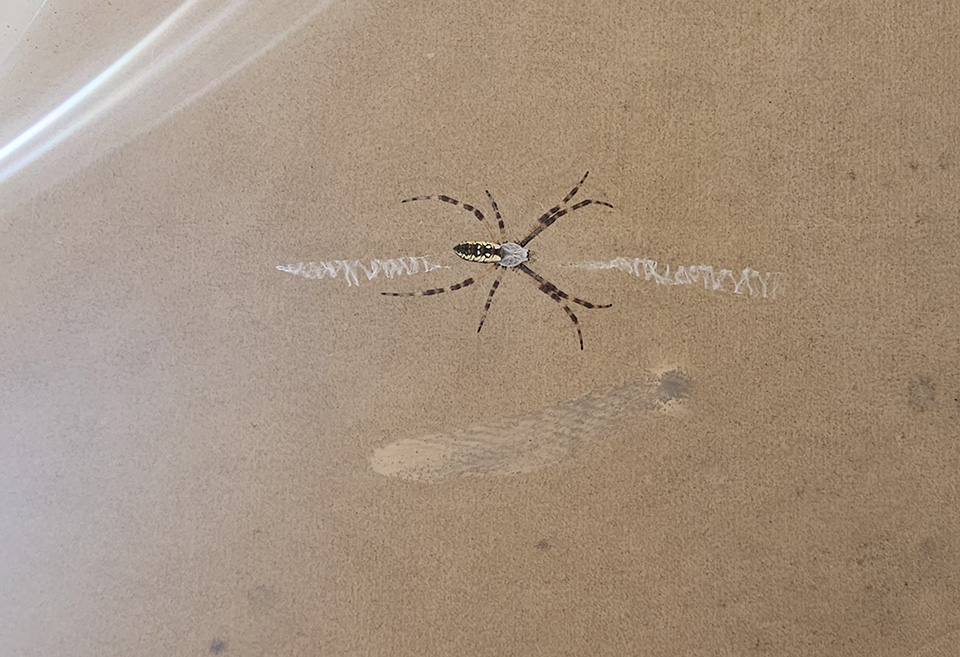
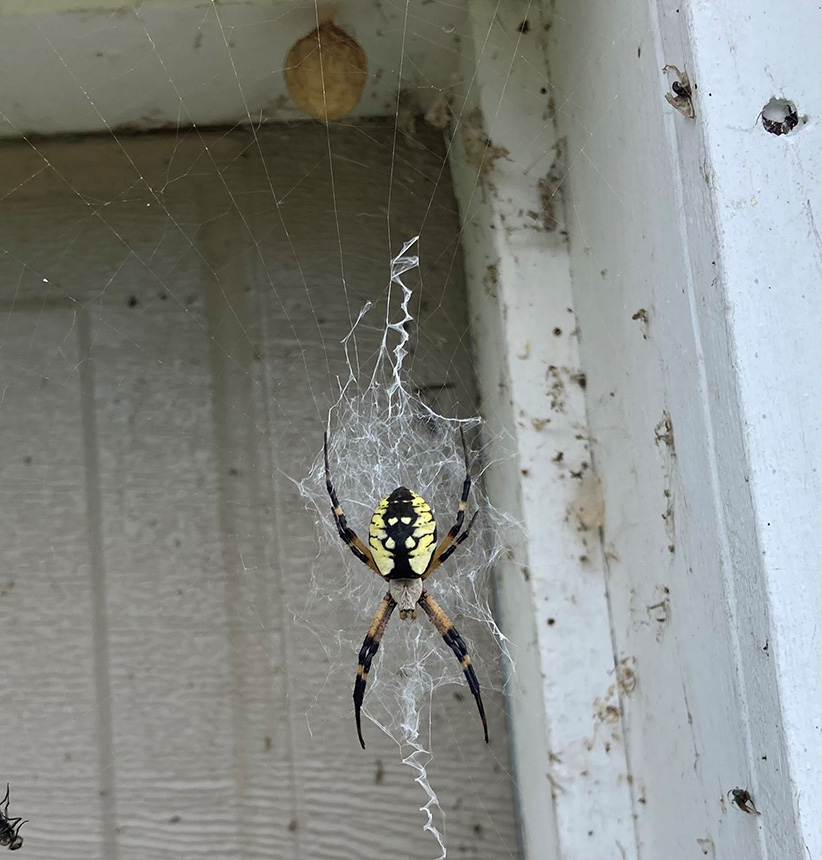
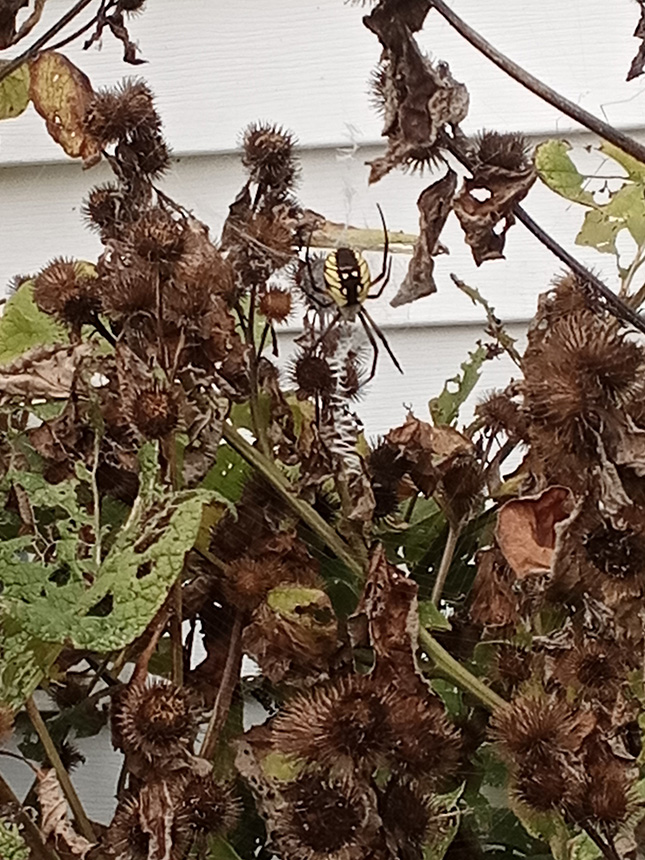
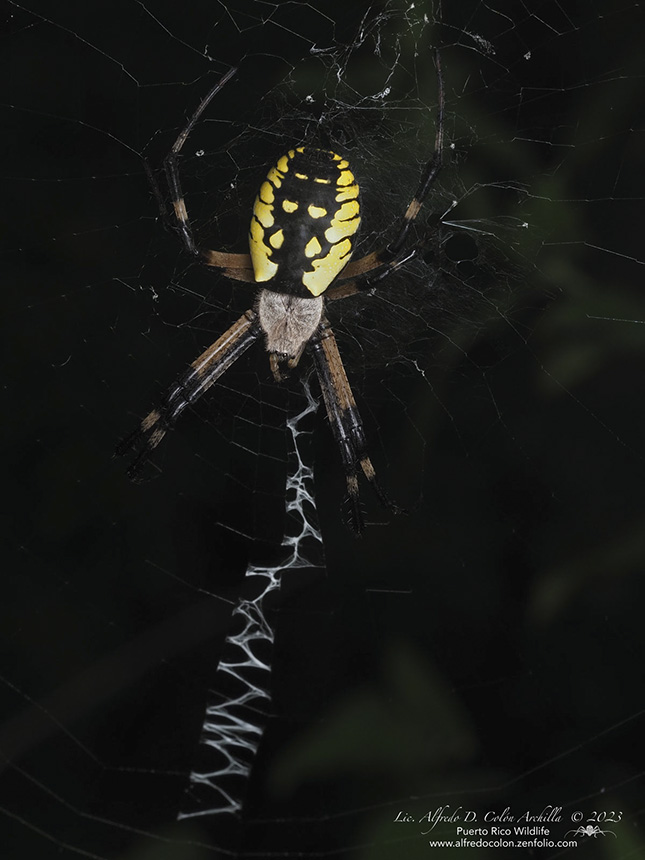
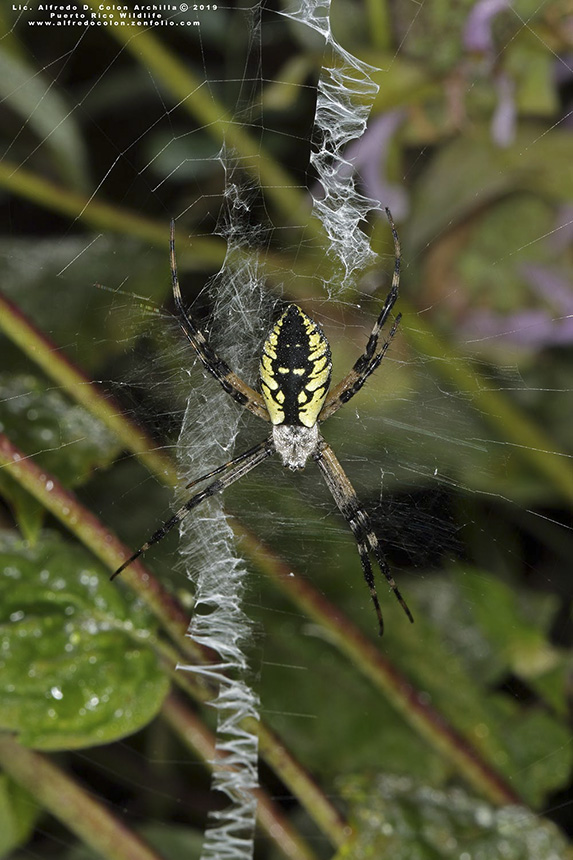
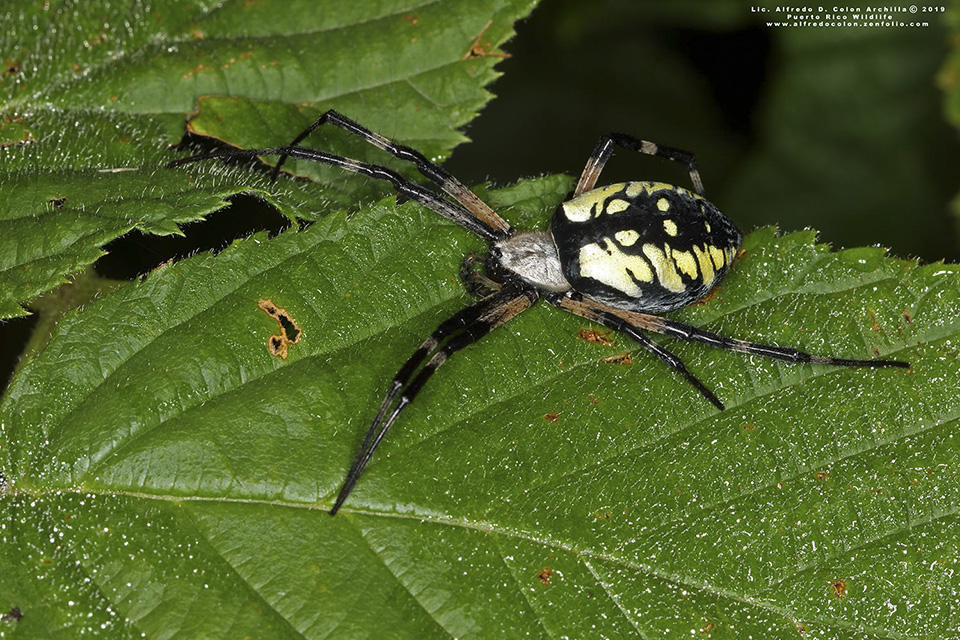
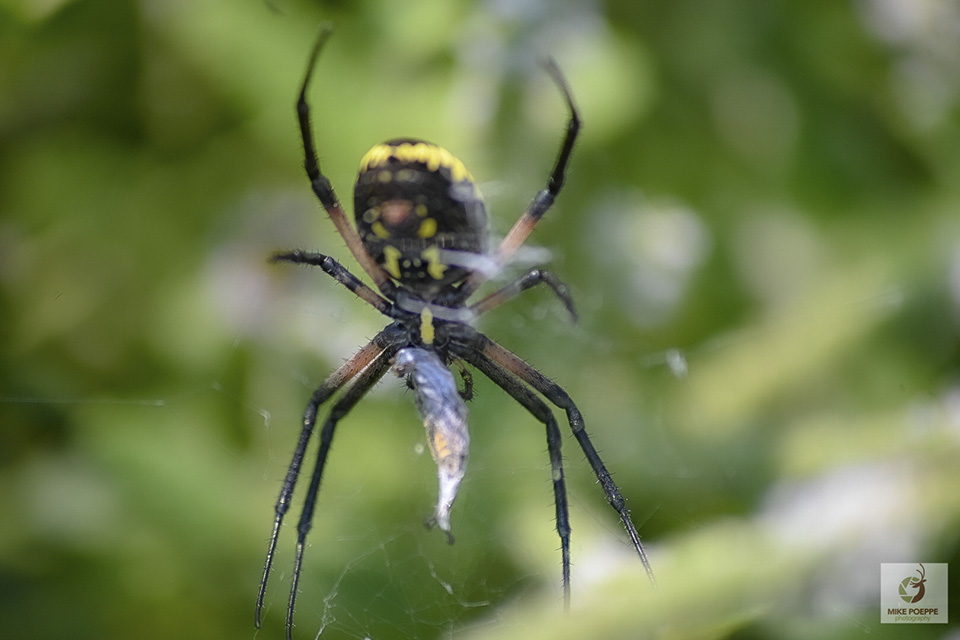
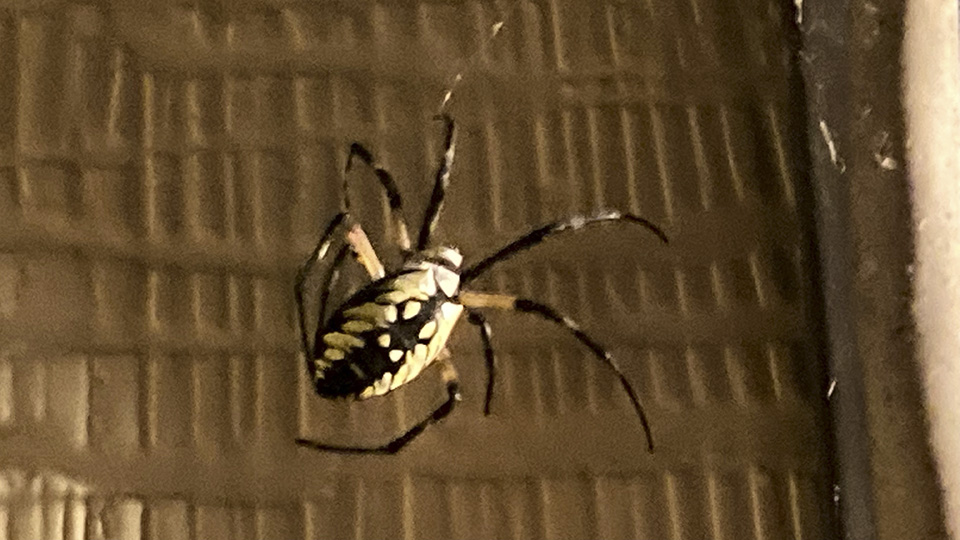
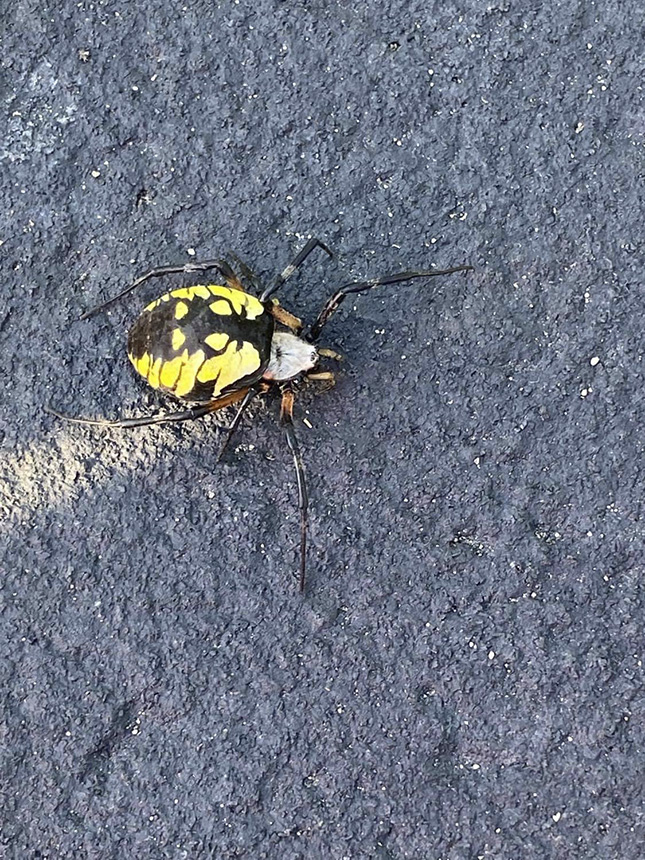
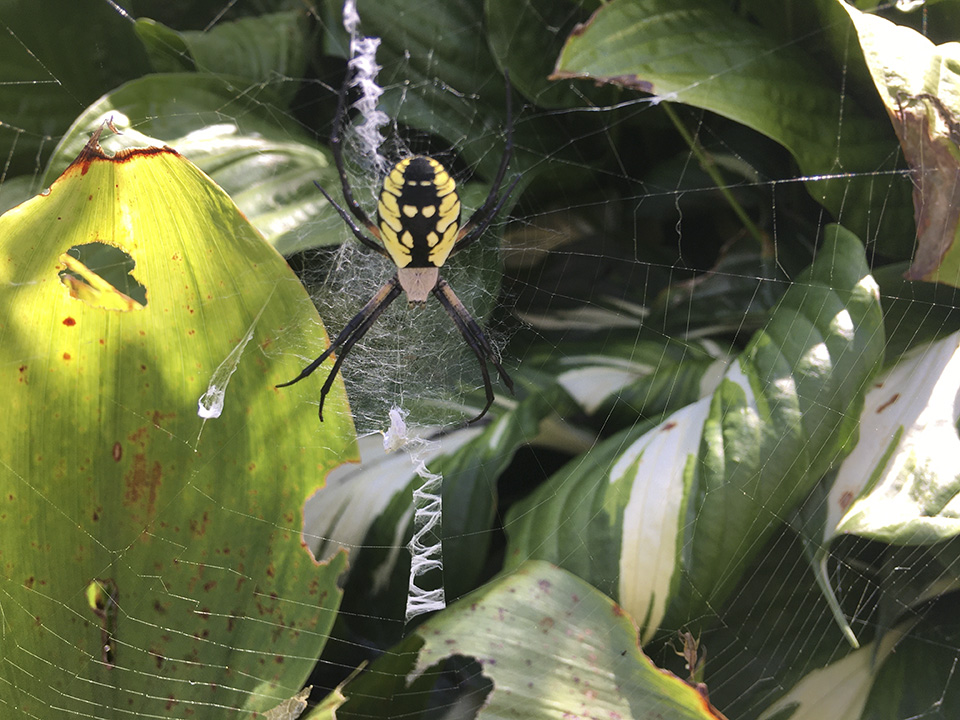
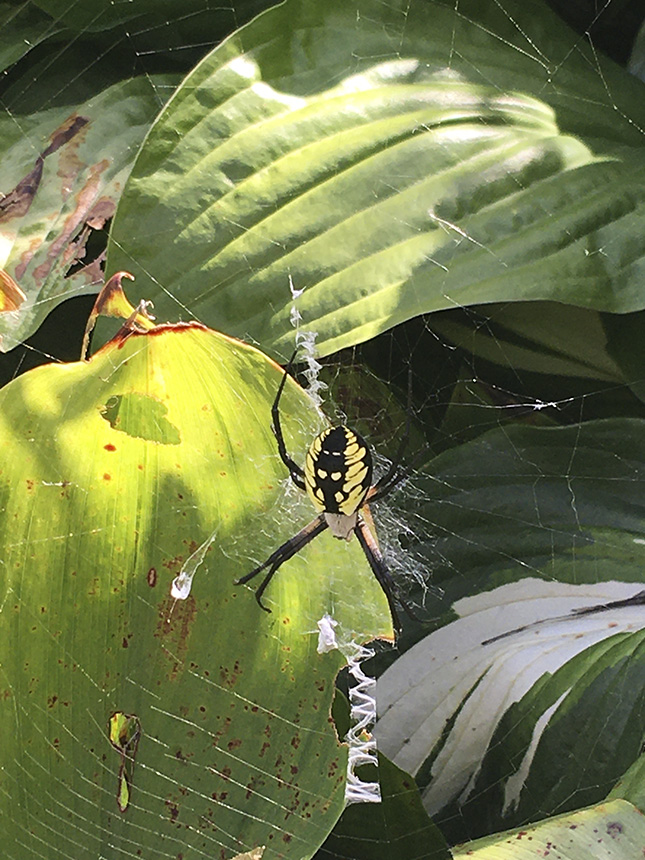
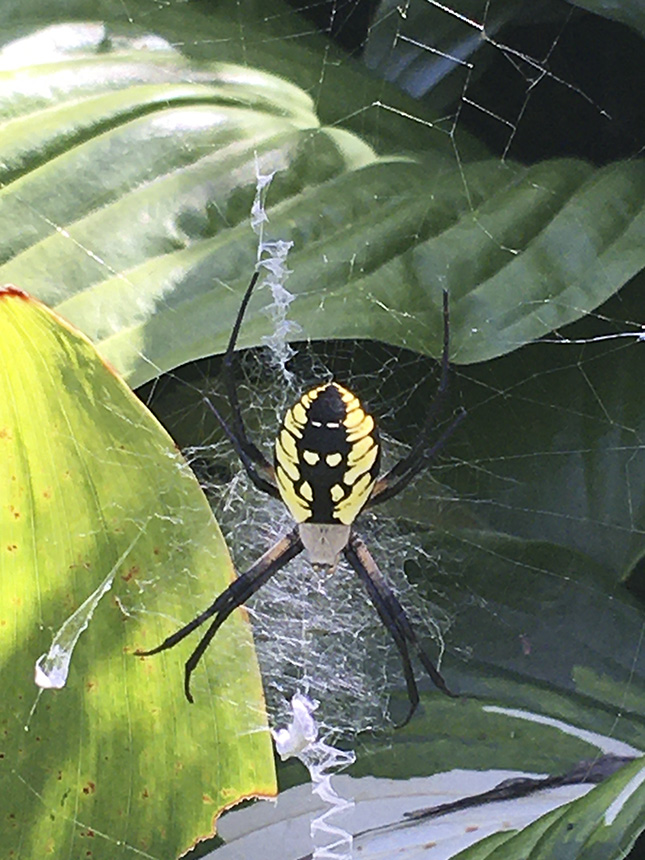
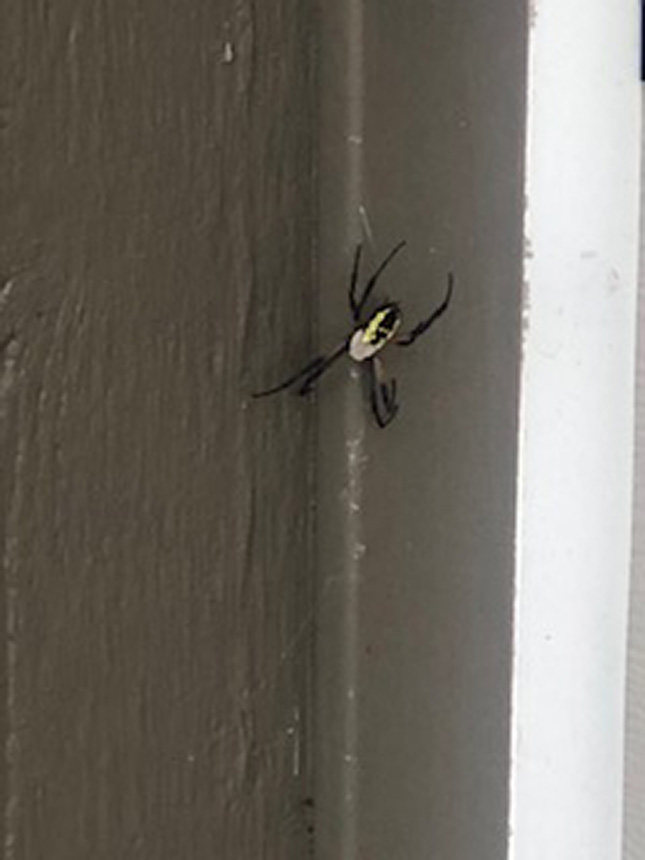
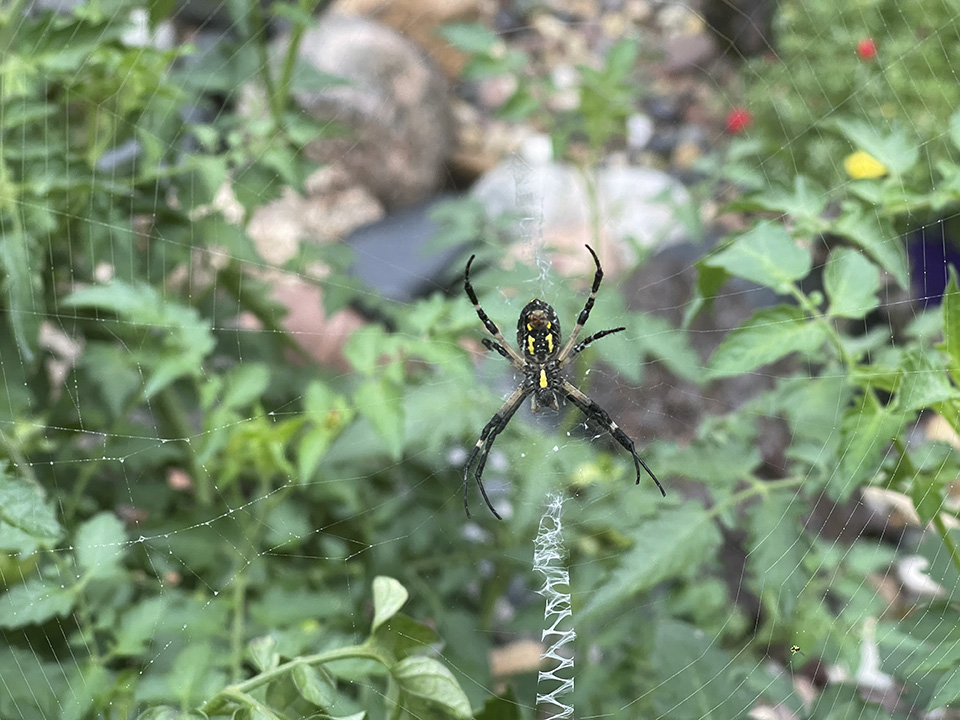
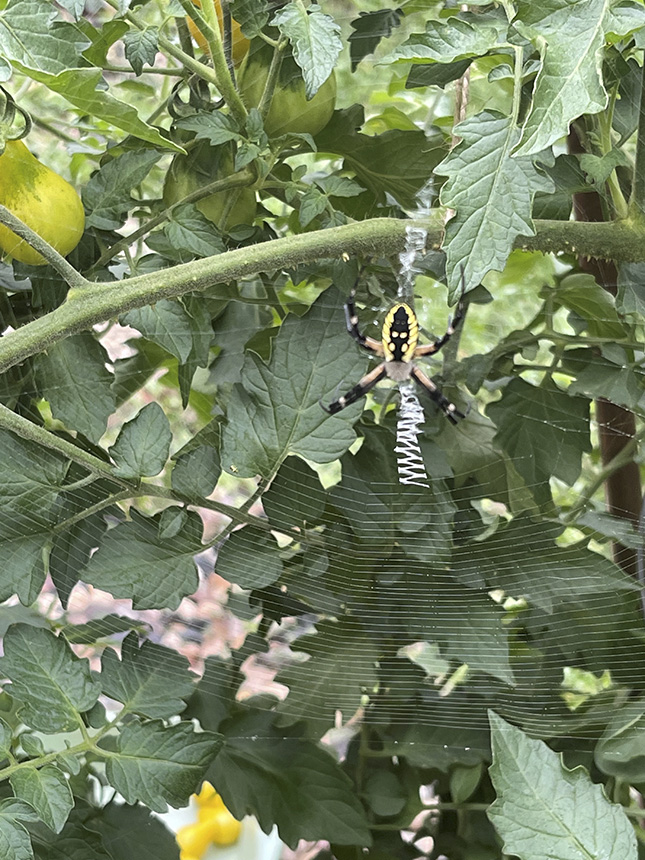
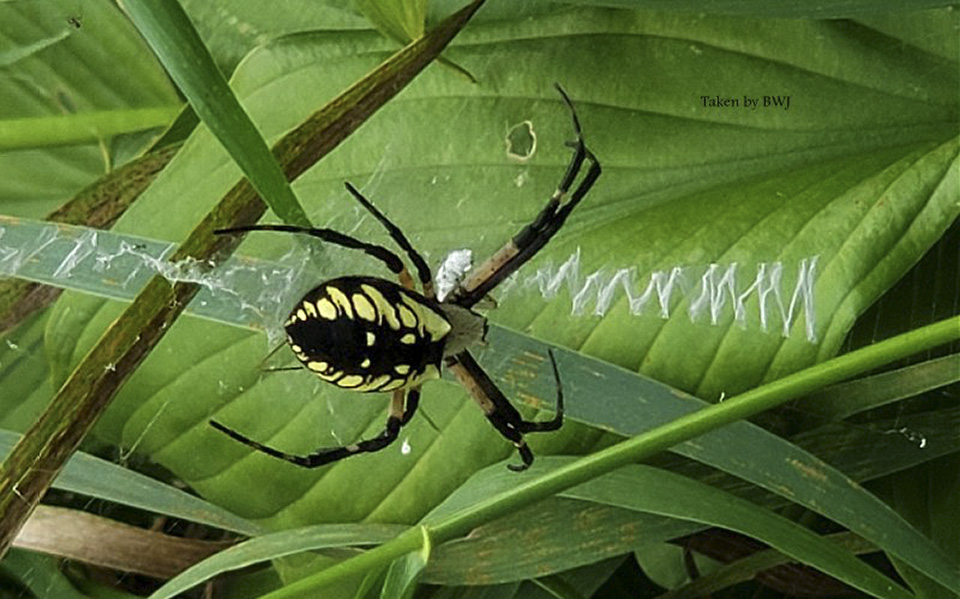
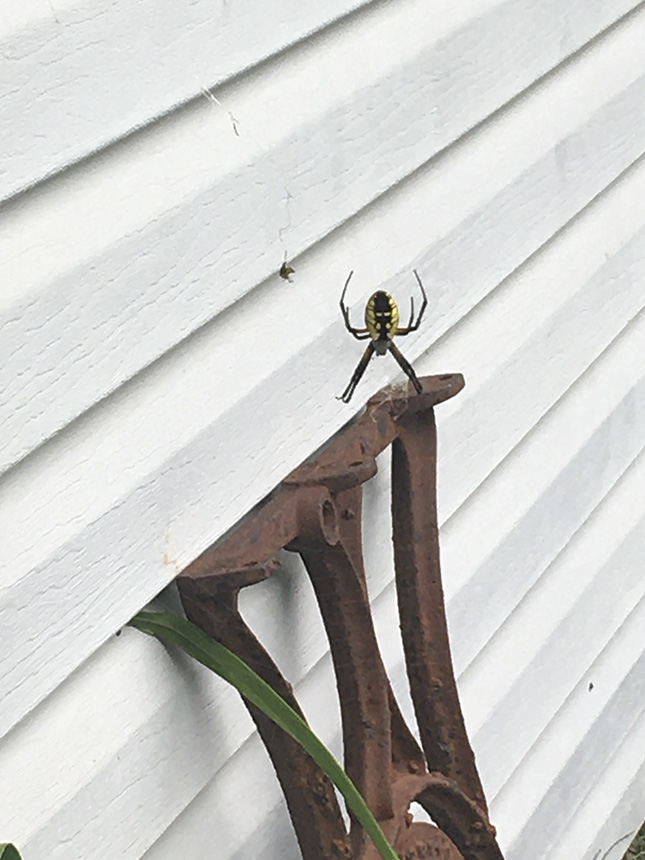
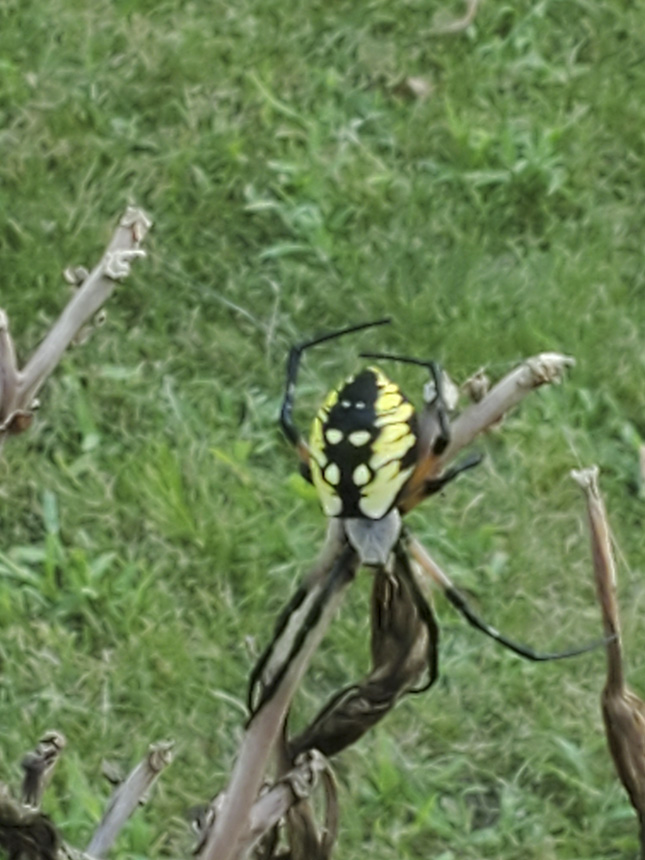
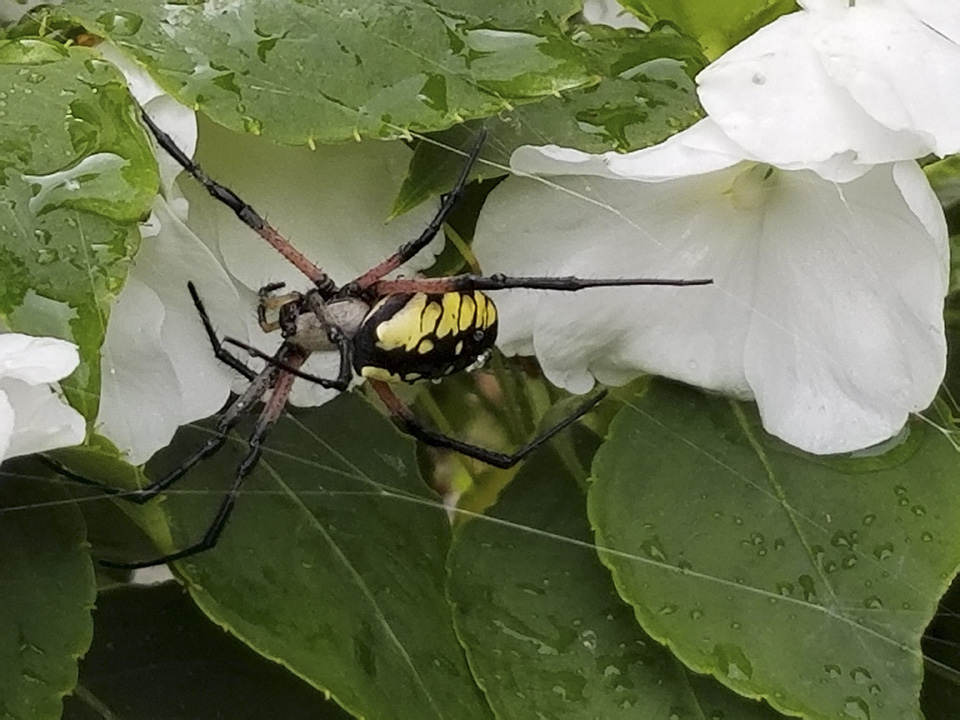
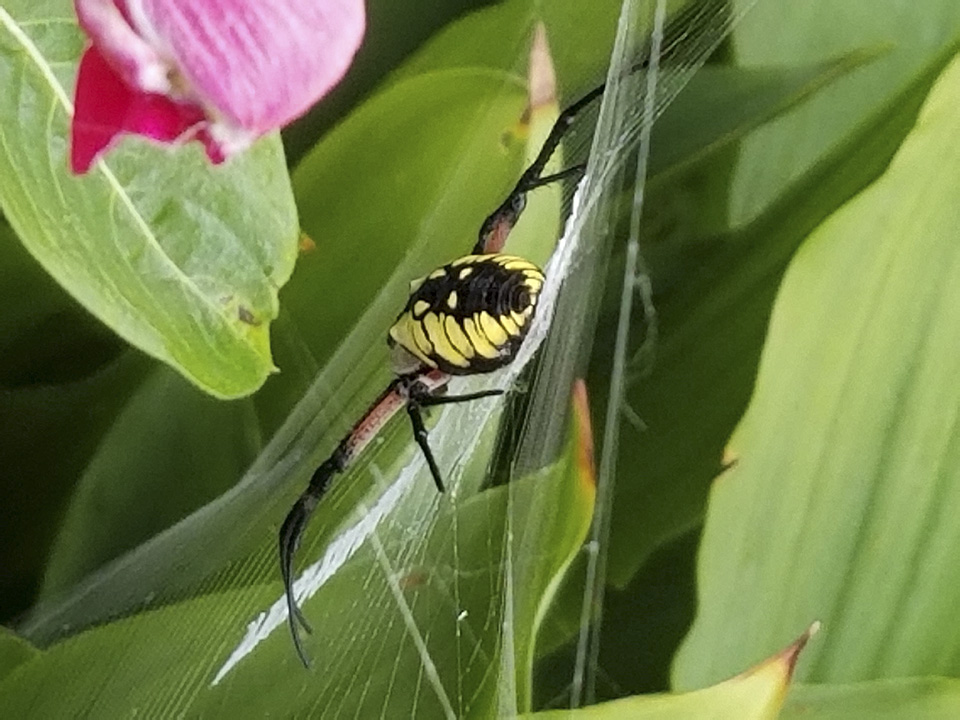
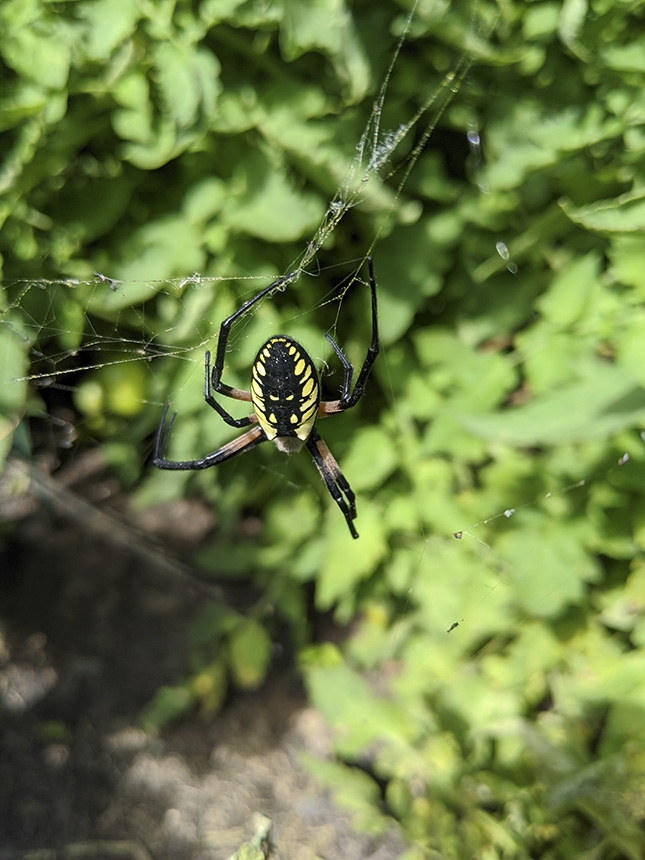
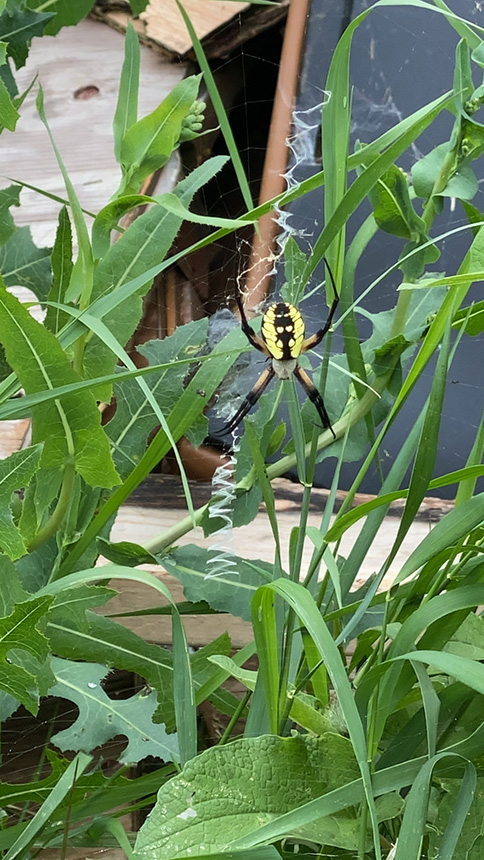
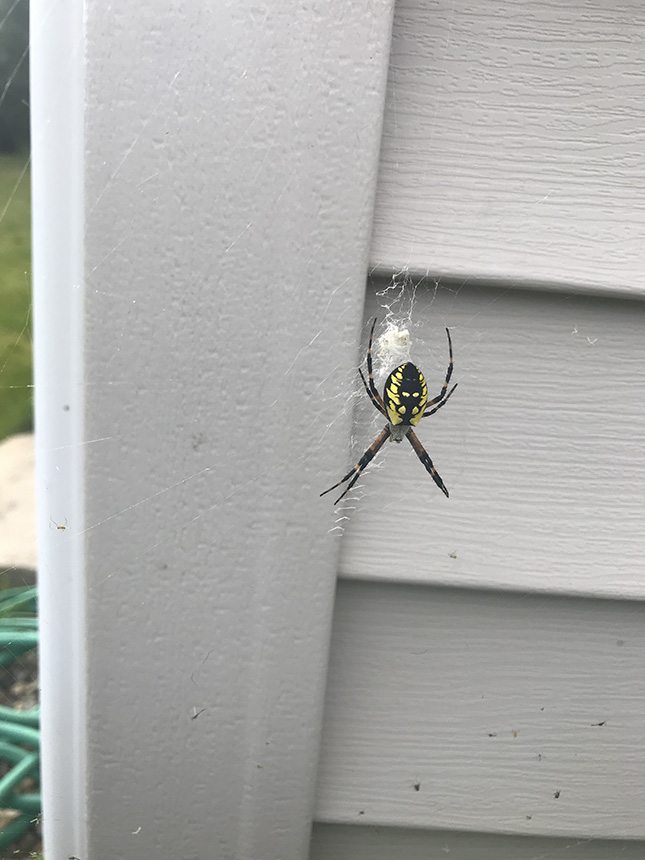
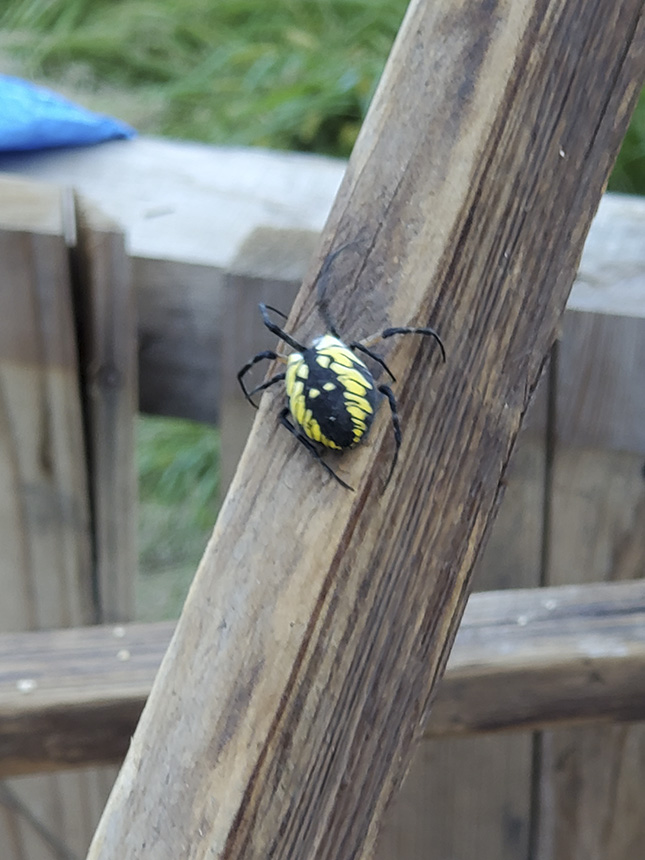
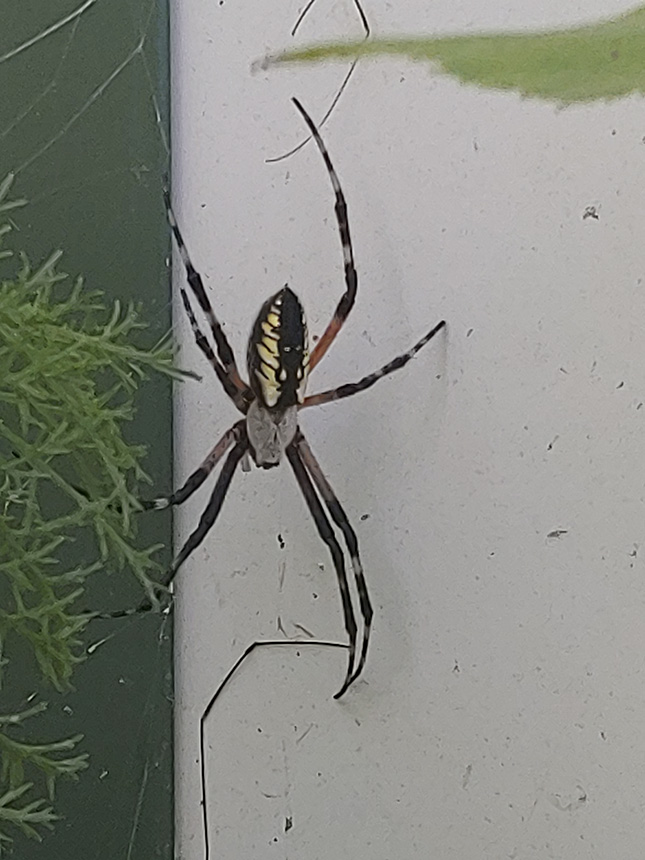
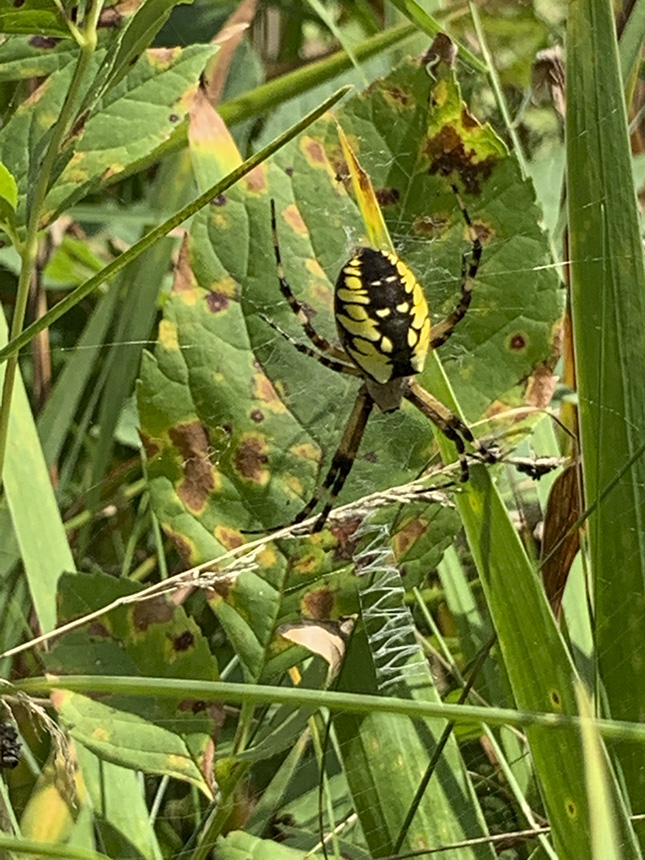
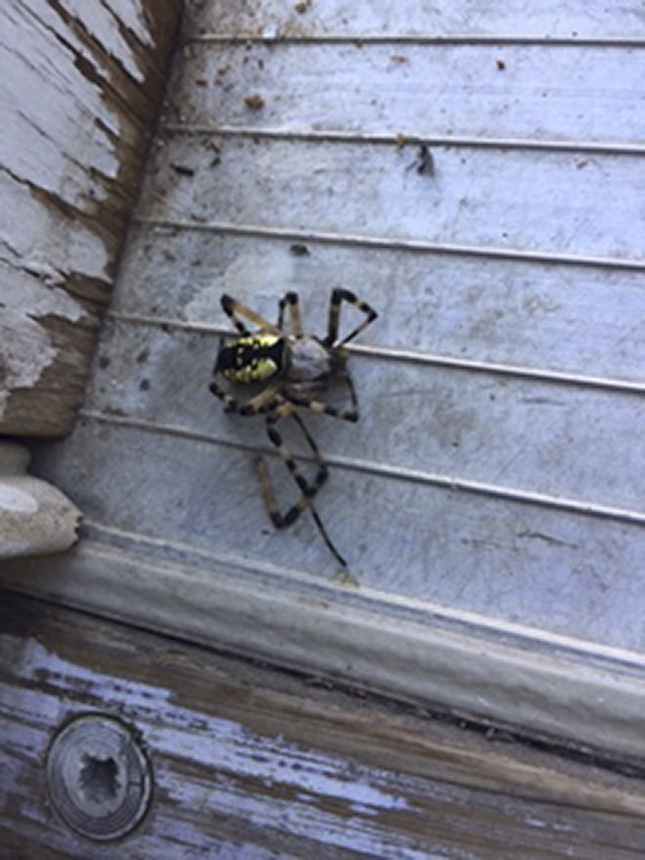
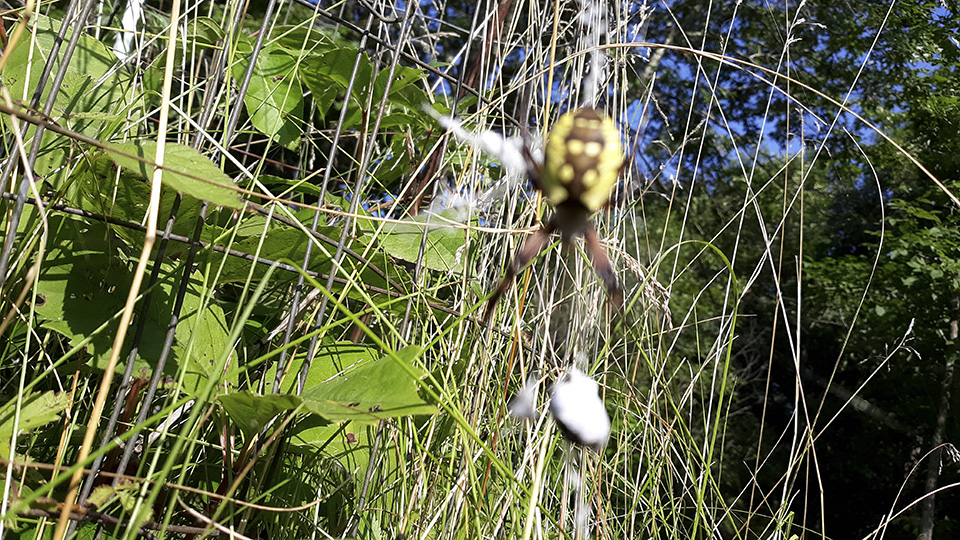
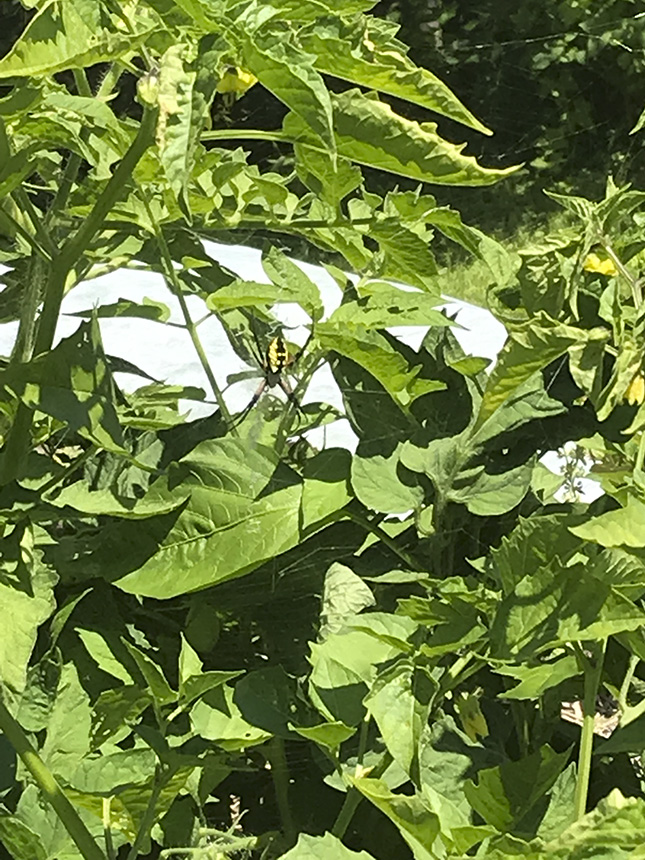
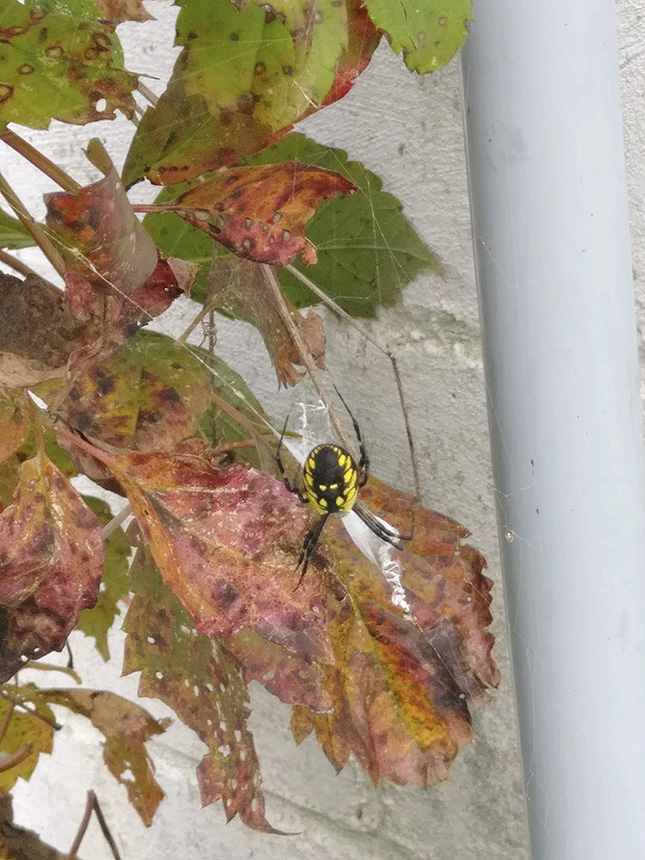
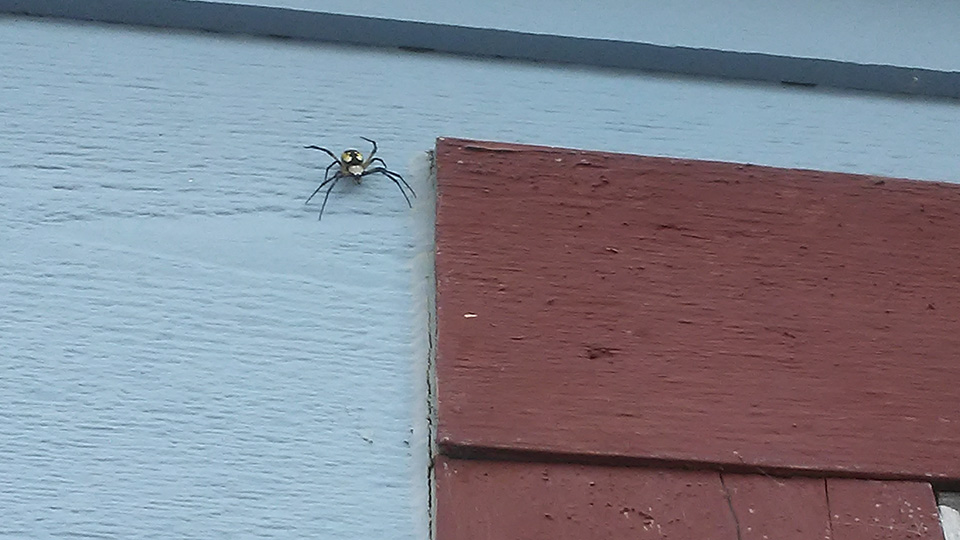
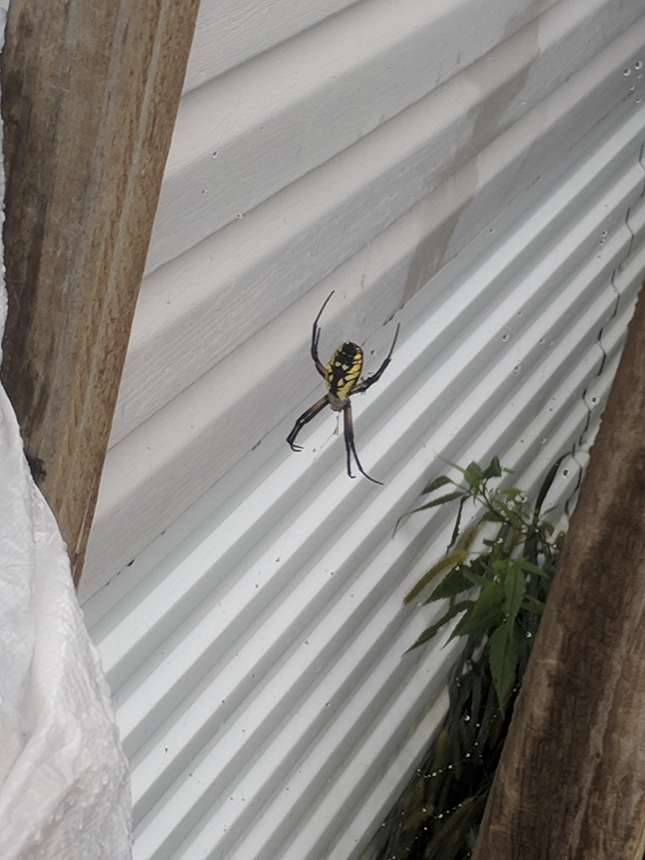
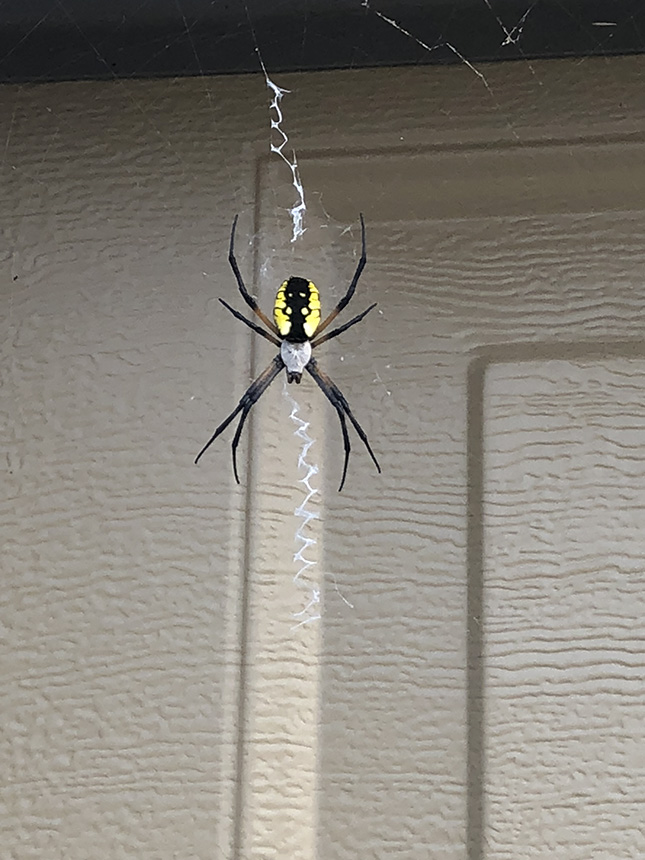
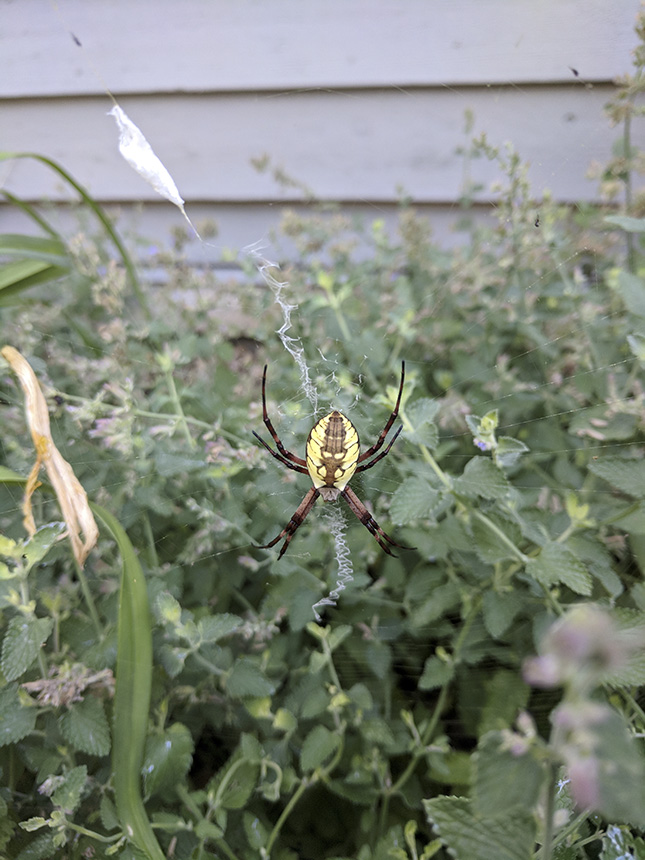
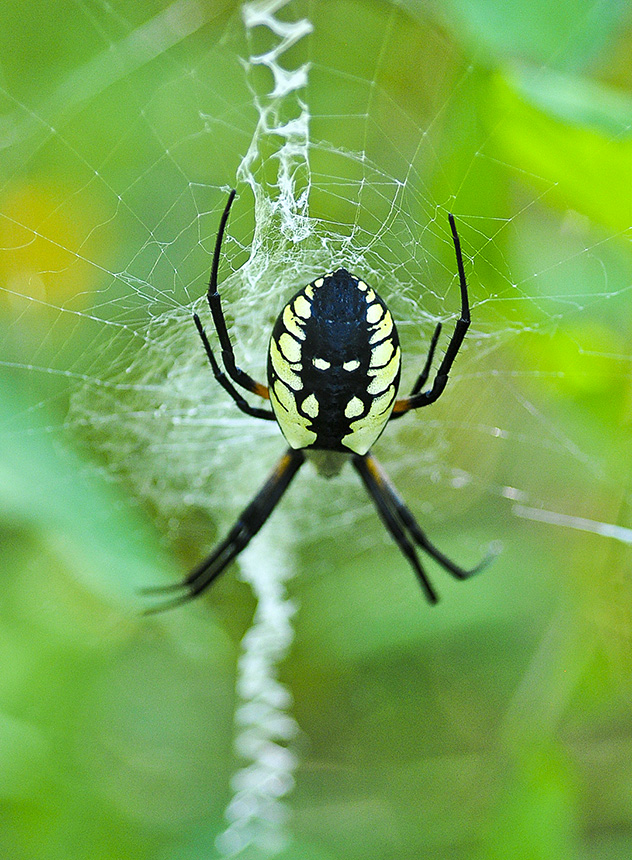
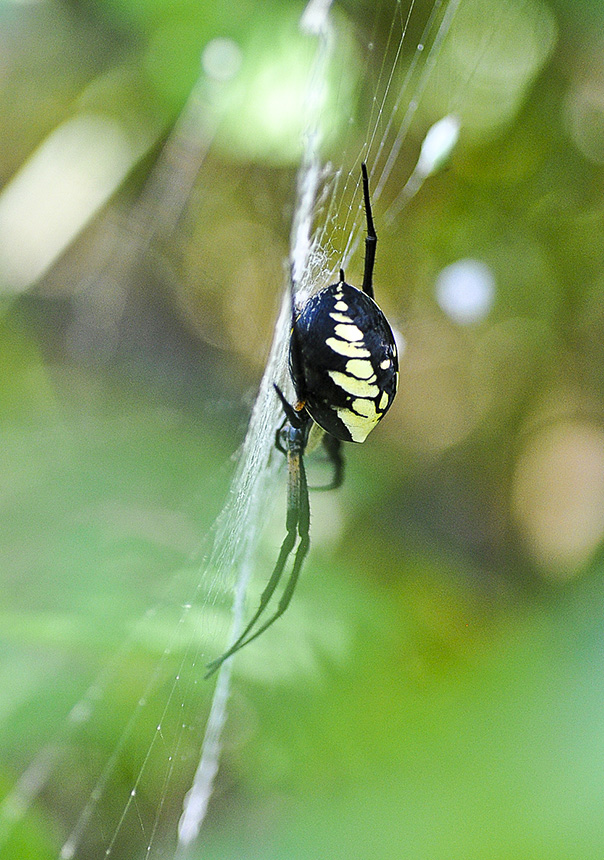
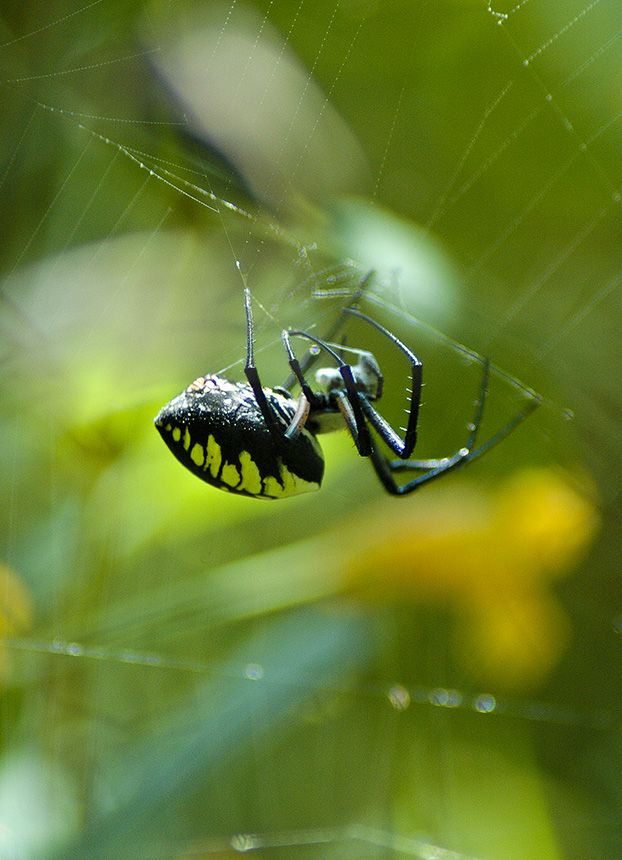
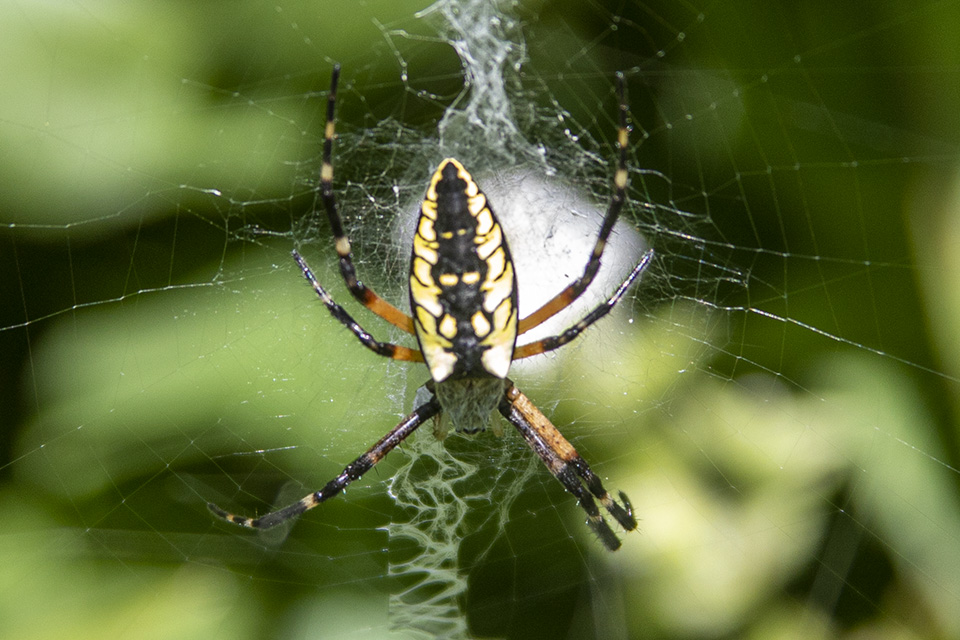
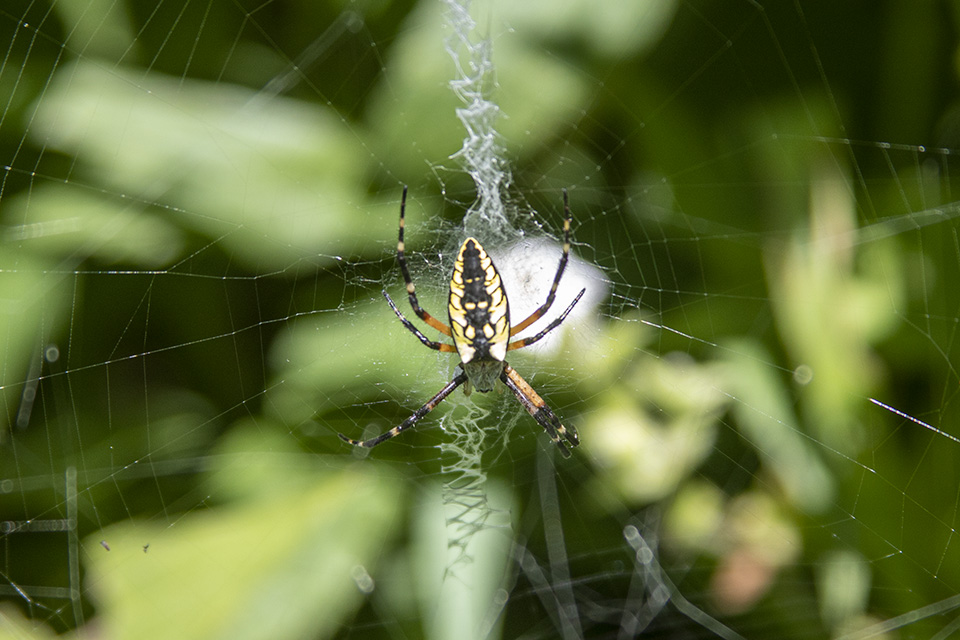
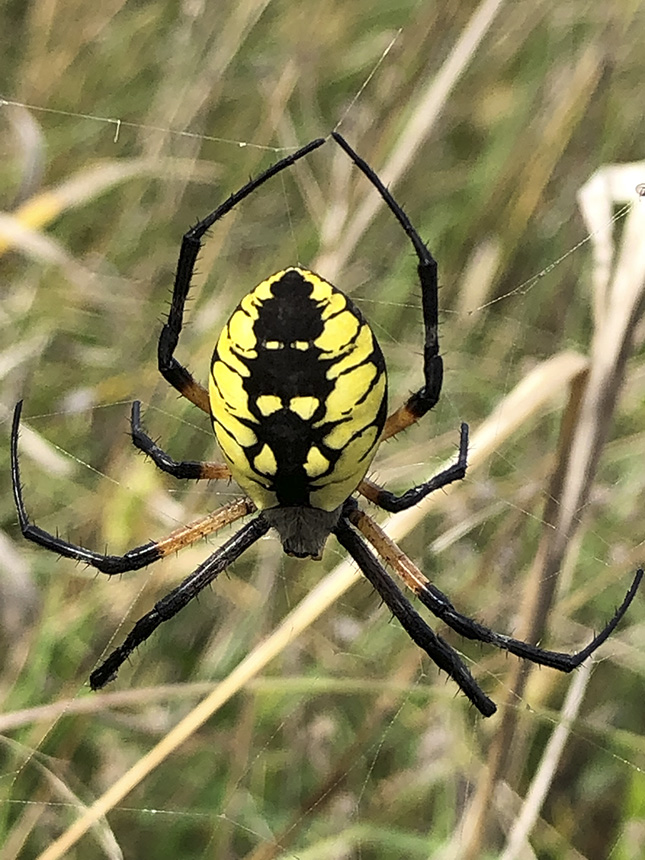
The abdomen is egg-shaped and black. There is a vertical row of bold yellow spots on each side of the abdomen and two or three pairs of yellow spots in the middle.
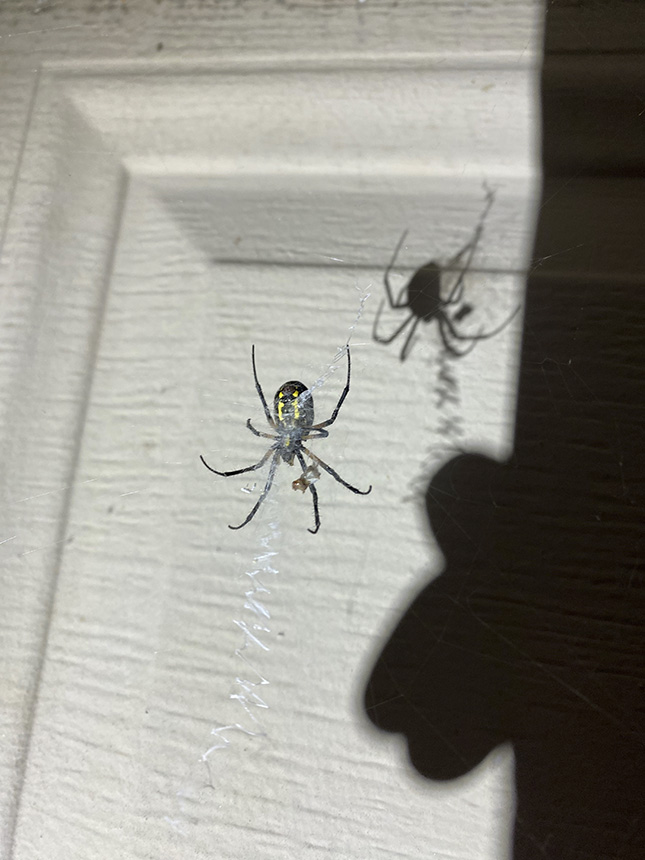
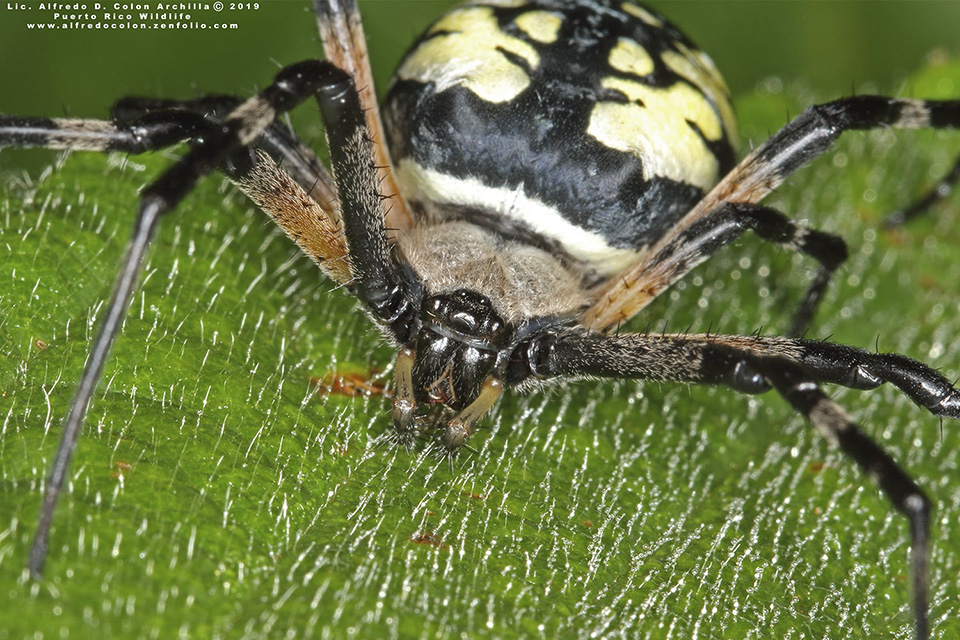
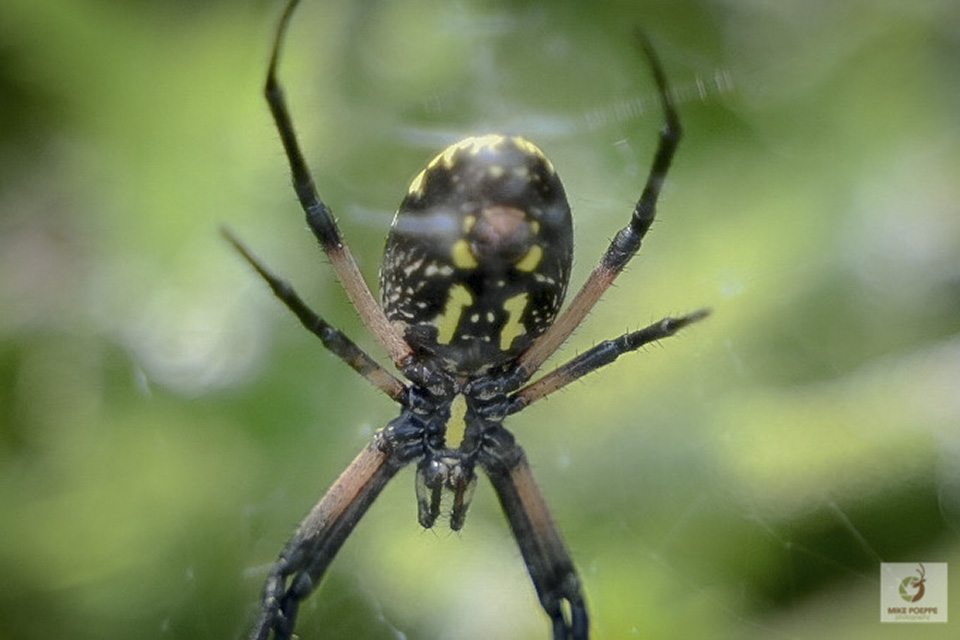
The covering (carapace) of the front segment of the spider’s body (cephalothorax) is densely covered with short, silvery hairs. The underside (sternum) is black with a yellow vertical stripe.
The legs are ¾″ to 2¾″ long. The front legs are black with black femurs. The other legs are black with yellow femurs. Sometimes there are yellow bands on the legs. There are three claws on each foot.
The male is much smaller, 3⁄16″ to 5⁄16″ (5 to 8 mm) in length.
Size
Female total length: ¾″ to 1⅛″ (29 to 28 mm)
Male total length: 3⁄16″ to 5⁄16″ (5 to 8 mm)
Legspan: ¾″ to 2¾″ (18 to 70 mm)
Web
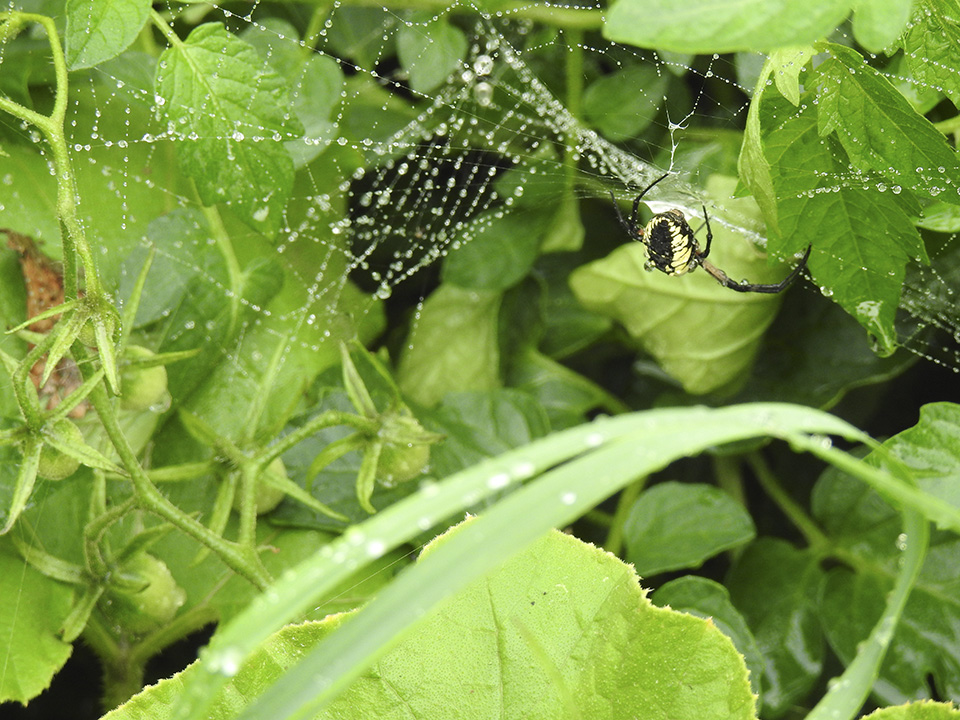
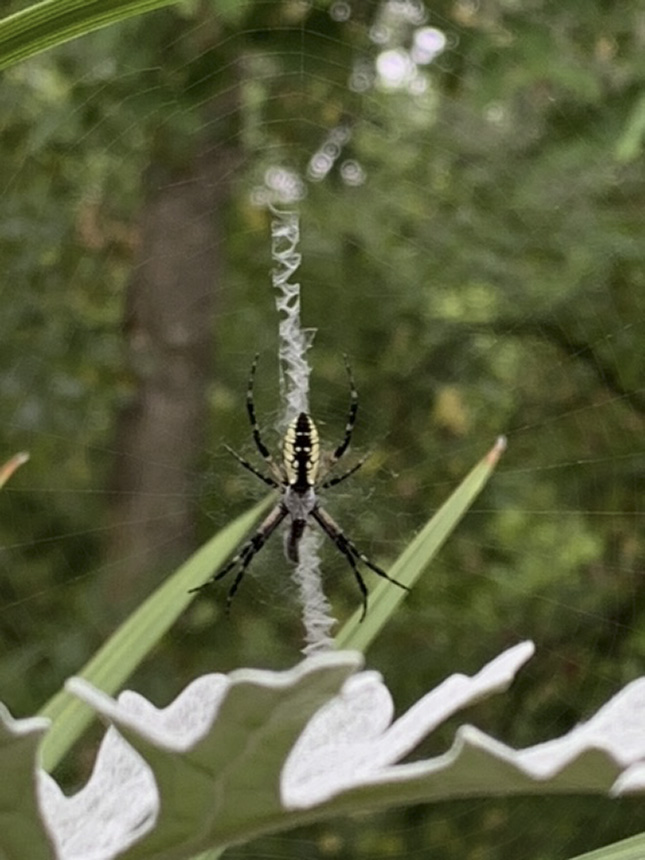
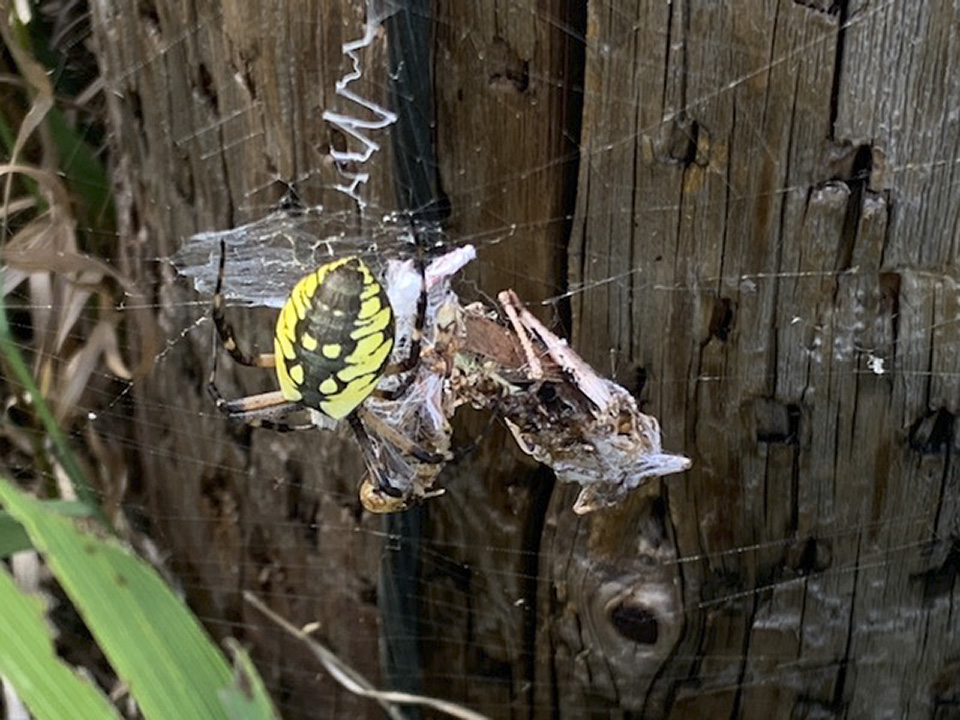
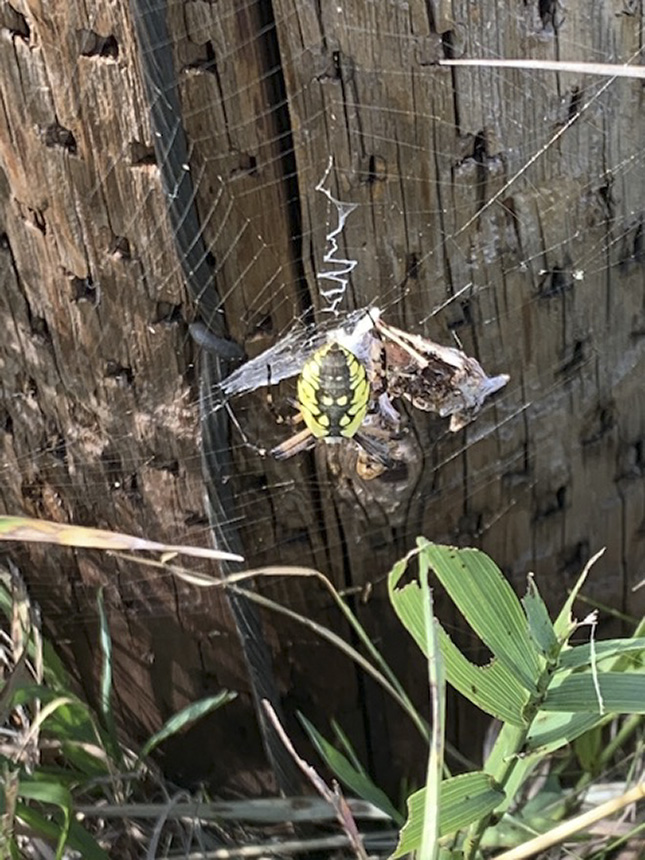
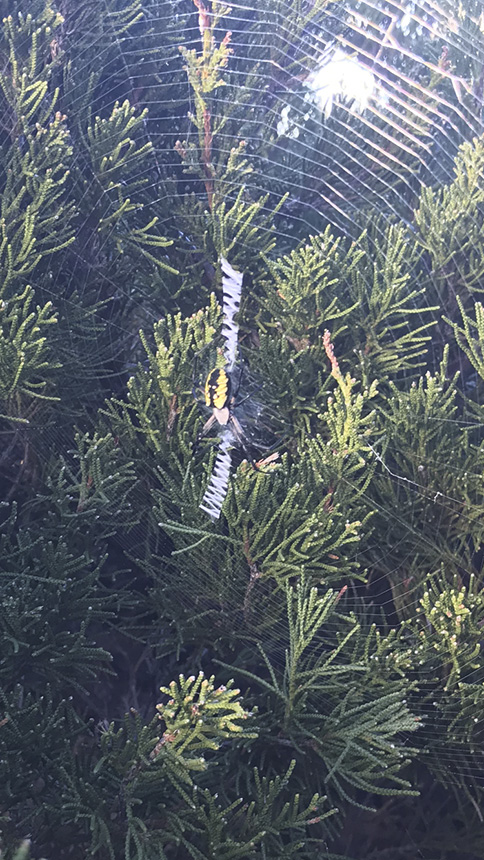
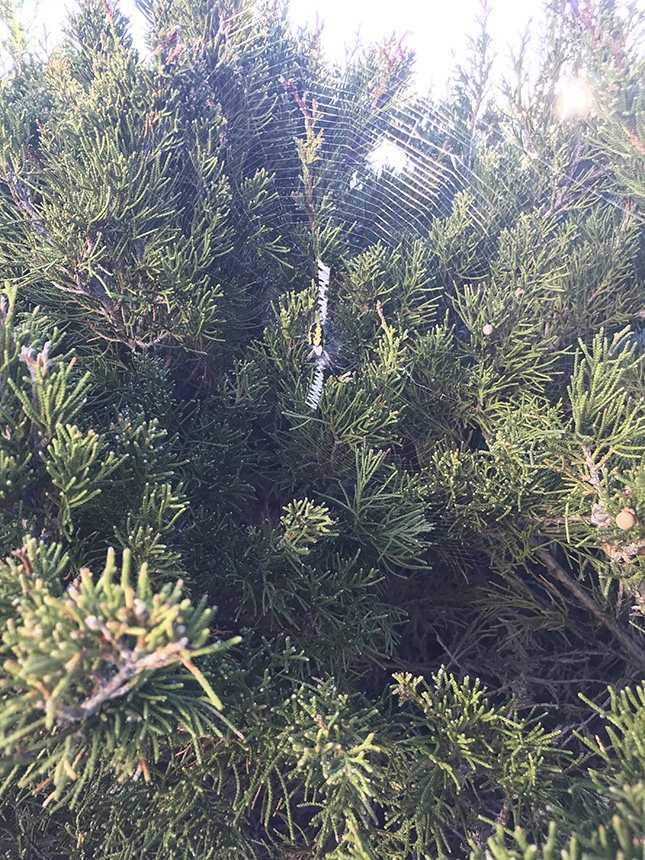
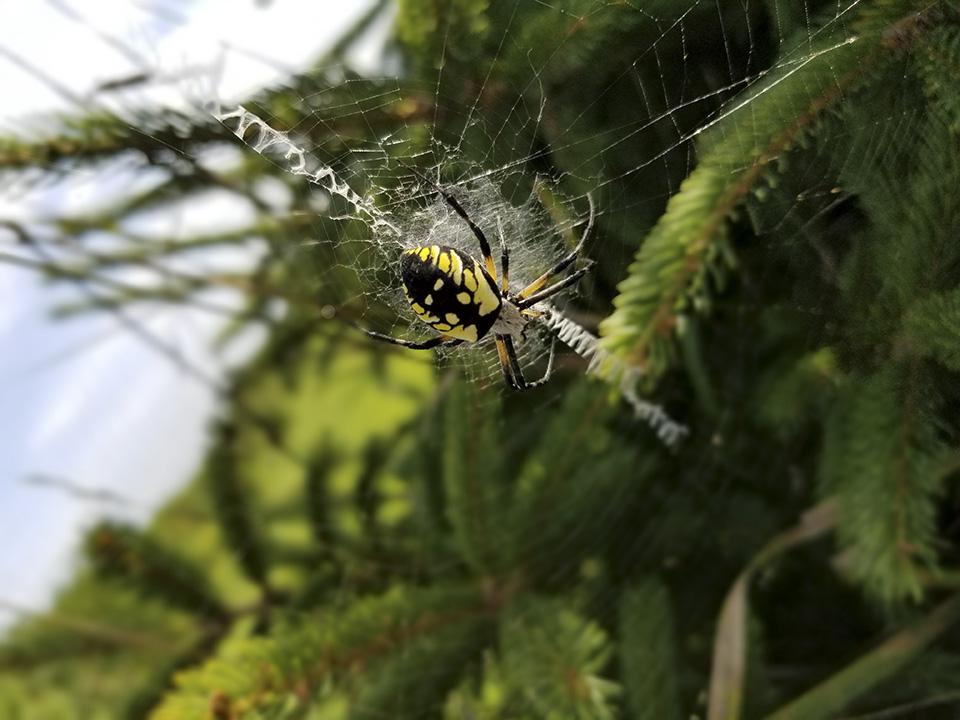
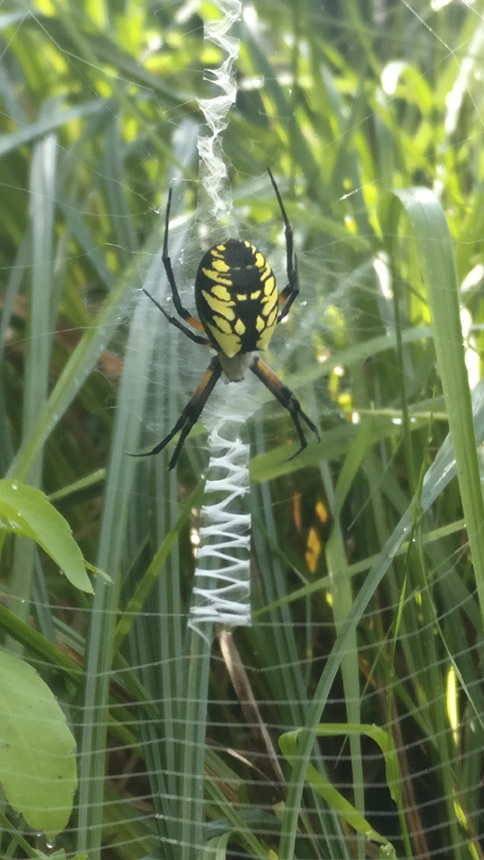
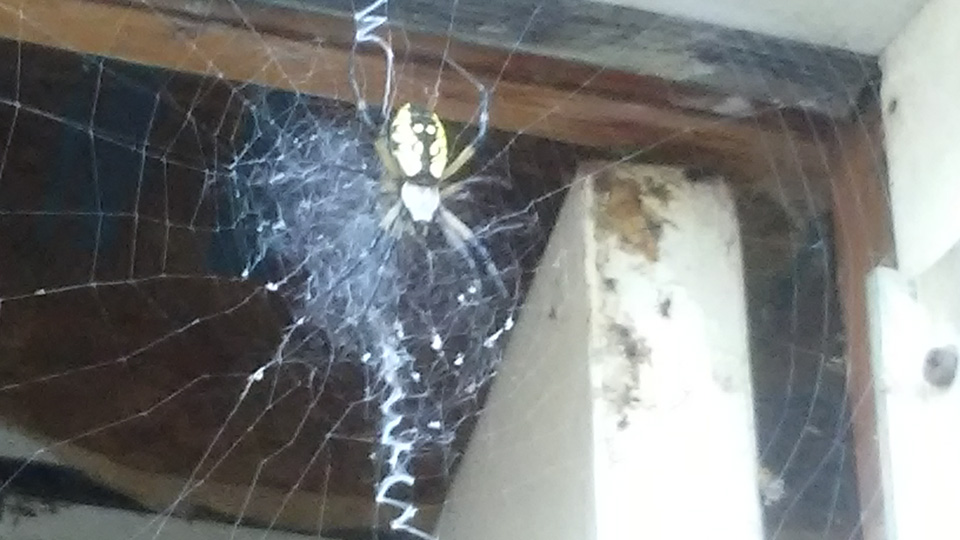
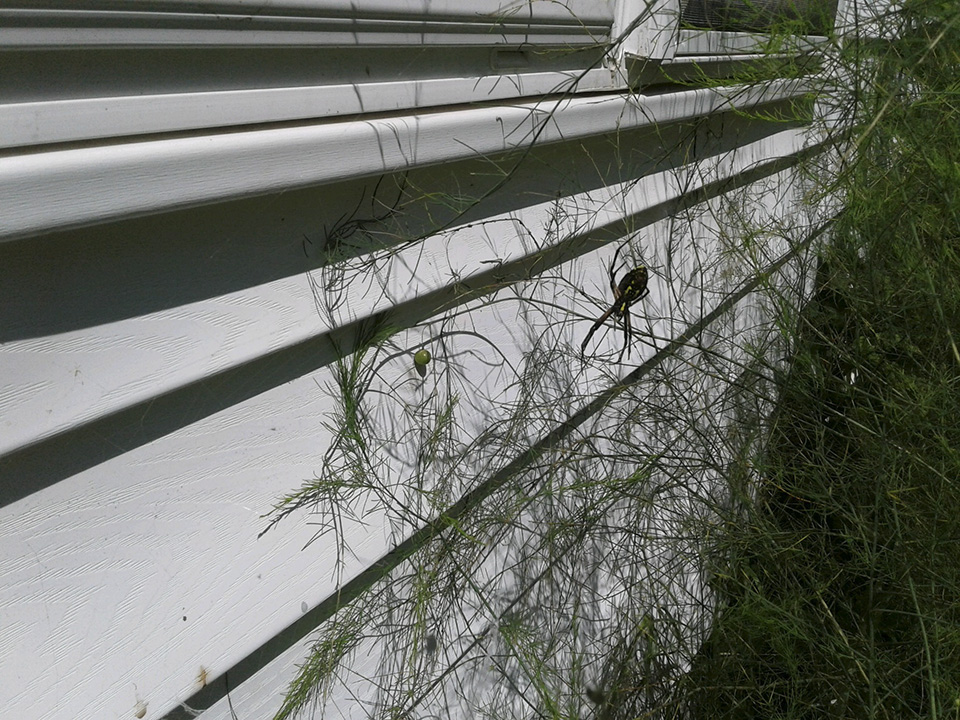
The web is constructed vertically in a sunny location with a nearby retreat. It is flat, circular, and up to 24″ or more in diameter, with 30 to 50 lines (spokes) radiating from the center. It is decorated with a pair conspicuous, zigzag, vertical lines (stabilimenta), one above and one below the center. The stabilimenta are made of multiple threads of non-sticky silk.
The purpose of the stabilimenta is a matter of debate. Some think that because they are highly reflective of ultraviolet light their purpose is to attract insects. Others believe that their purpose is to prevent damage to the web by making it visible to low flying birds. A study in 1998 supports the latter position.
Similar Species
Banded argiope (Argiope trifasciata) is also very large, yellow, and black. The abdomen is covered in numerous thin, silvery-white and yellow transverse bands, lacking the large solid black patches of its cousin.
Habitat
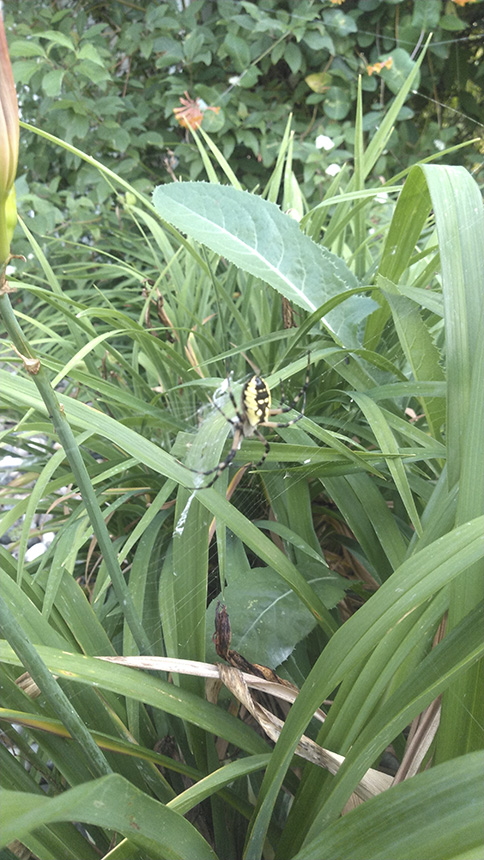
Fields, roadsides, and gardens
Ecology
Foraging
Web builder (Passive Hunter)
Prey
Large flying insects
Behavior
Adults are active day and night. The female sits head down in the center of her web, or concealed nearby in a rolled leaf, waiting for prey to be caught in the web.
Life Cycle
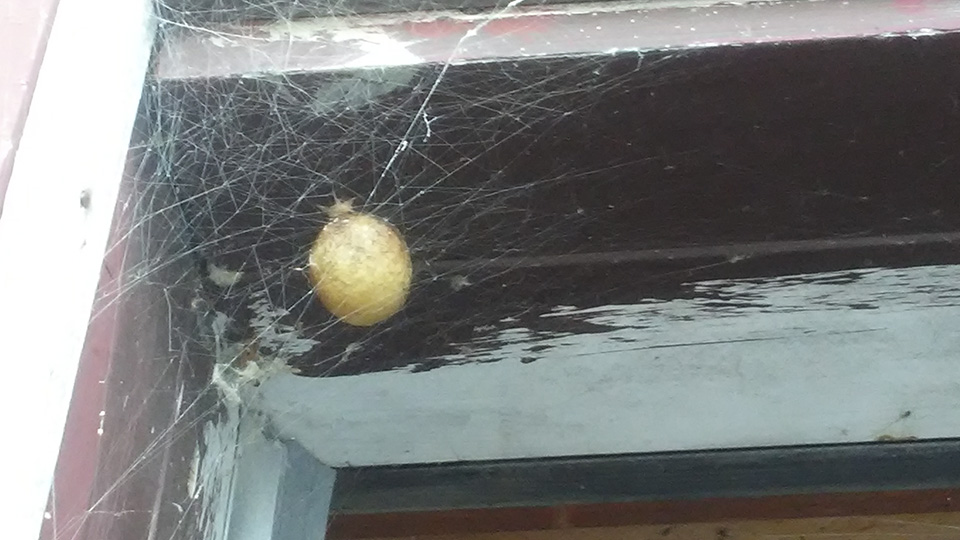
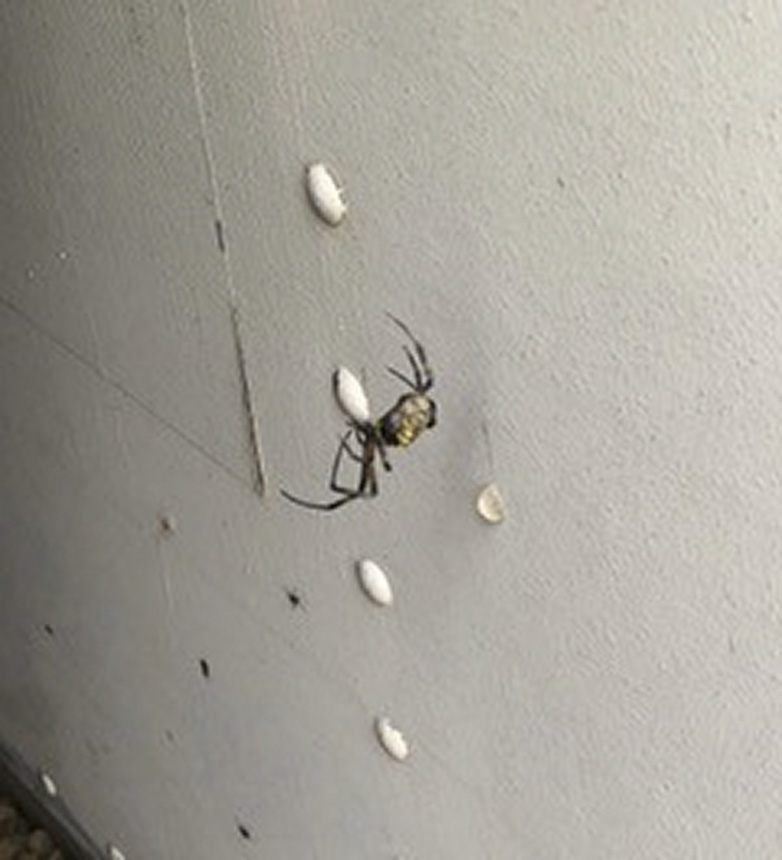
After mating, the female produces usually 1 to 3, rarely 4, egg sacs and attaches them to her web. Each egg sac is round, papery, up to 1″ in diameter, and contains 300 to 1,400 eggs. The eggs hatch in late summer or fall. The hatchlings overwinter in the egg sac, not leaving it until the spring of the following year.
Adults die in the first frost of the fall, having lived just over one year.
Season
Large females seen late summer and fall
Distribution
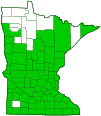
Occurrence
Common
Taxonomy
Class
Order
Suborder
Araneomorphae (Typical Spiders)
Infraorder
Entelegynae
Superfamily
Araneoidea (Orbweavers and Allies)
Family
Subfamily
Argiopinae
Genus
Argiope (Garden Orbweavers)
Subordinate Taxa
Synonyms
Argiope aurantia
Argiope cophinaria
Argiope godmani
Argiope personata
Argiope riparia
Argiope riparia multiconcha
Epeira ambitoria
Epeira aurantia
Epeira cophinaria
Epeira riparia
Epeira sutrix
Miranda cophinaria
Nephila vestita
Common Names
black and yellow garden spider
black and yellow argiope
corn spider
writing spider
yellow garden orbweaver
yellow garden spider