Silky field ant
(Formica subsericea)
Conservation • Description • Habitat • Ecology • Distribution • Taxonomy
Conservation Status
IUCN Red List
not listed
NatureServe
NNR - Unranked
Minnesota
not listed
Description
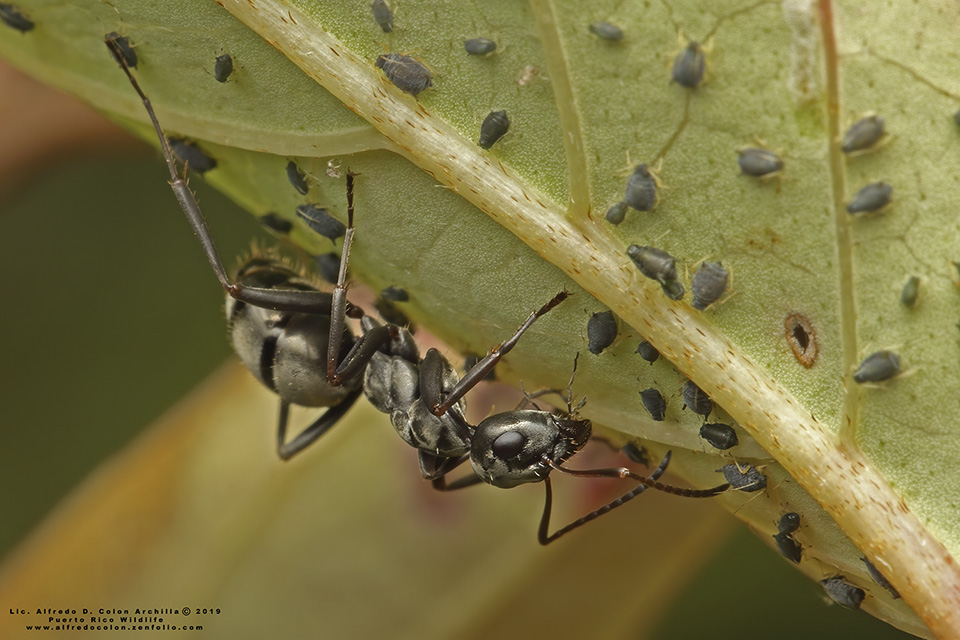
Silky field ant, also called somewhat silky mound ant, is very common in the United States east of the Great Plains, with only spotty records in the west. According to an entomologist at Missouri Botanical Garden, it is “By a considerable margin the most abundant and widely distributed black Formica east of the Rocky Mountains.” It is found in open deciduous forests, old fields, roadsides, lawns, and gardens.
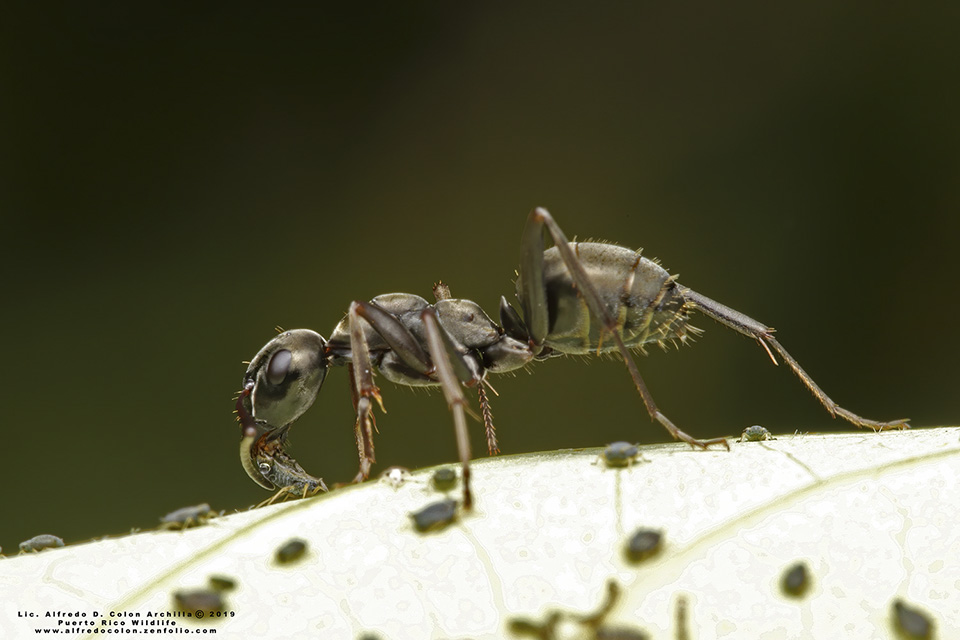
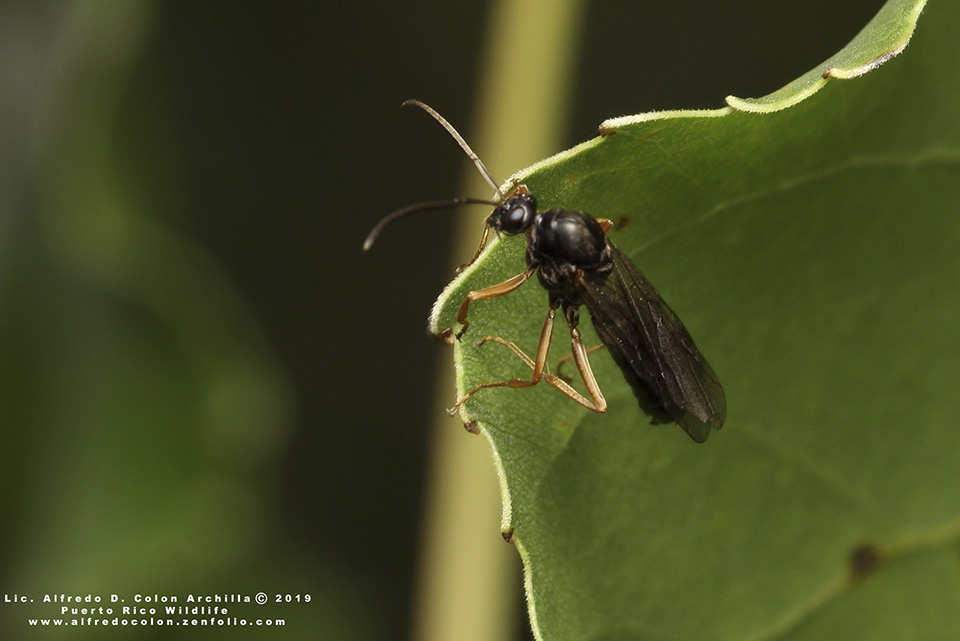
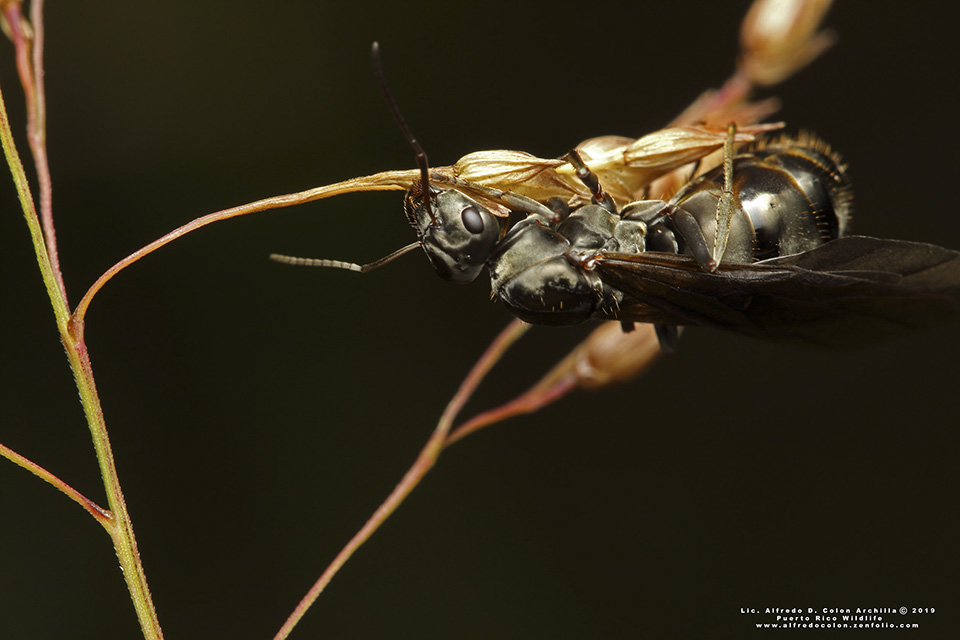
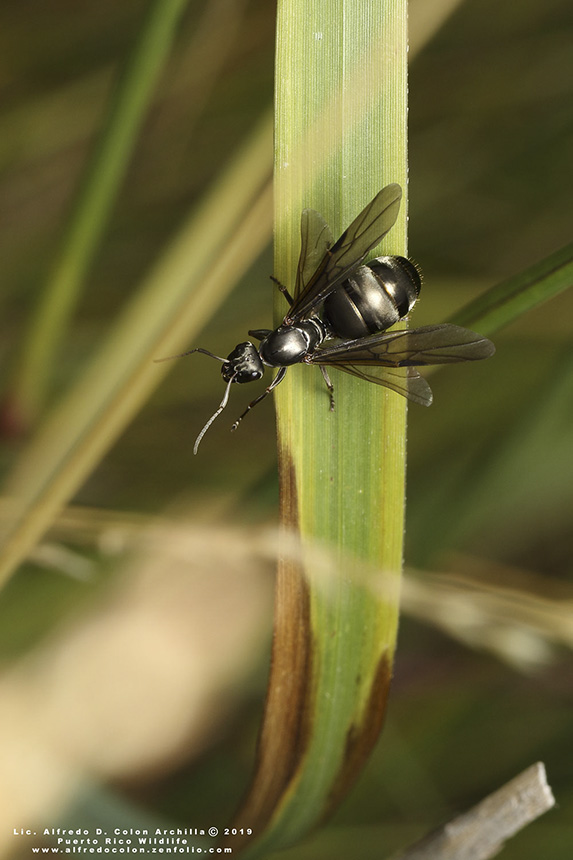
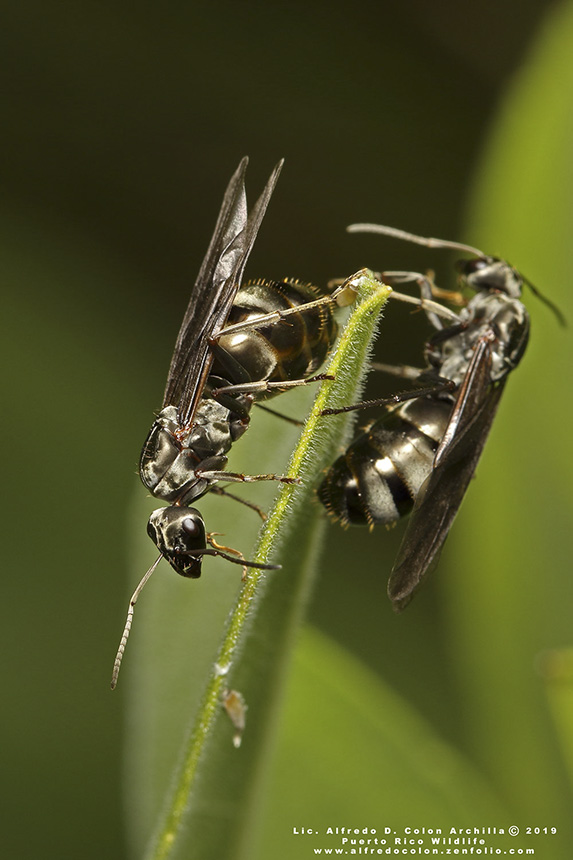
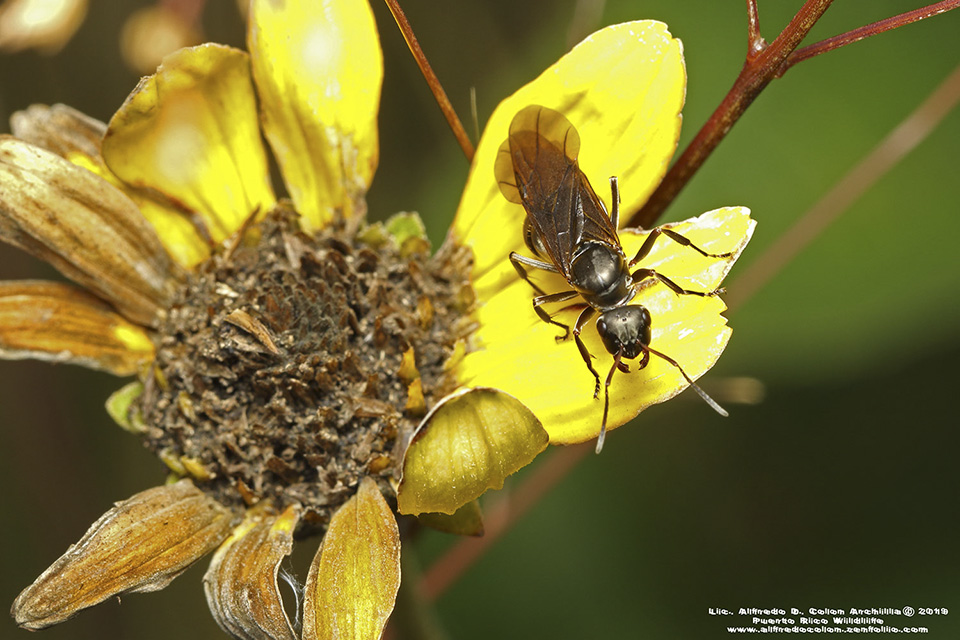
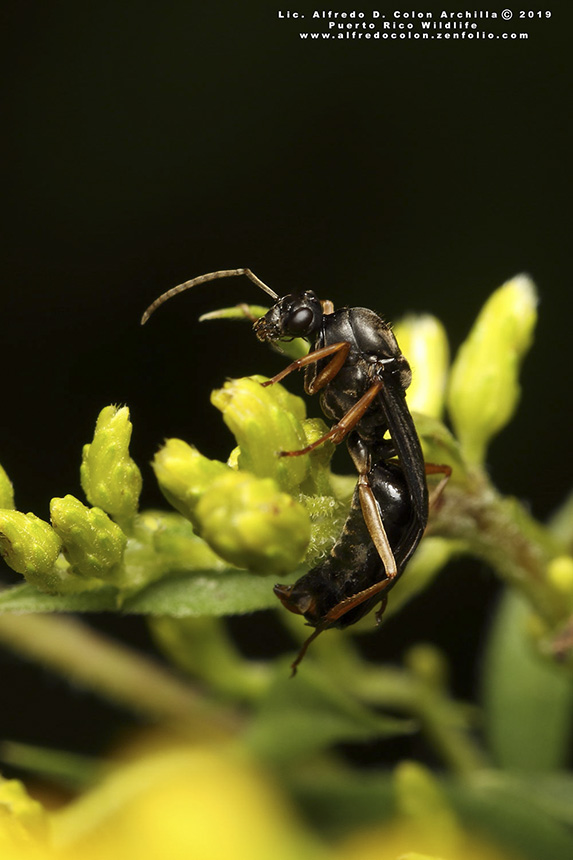
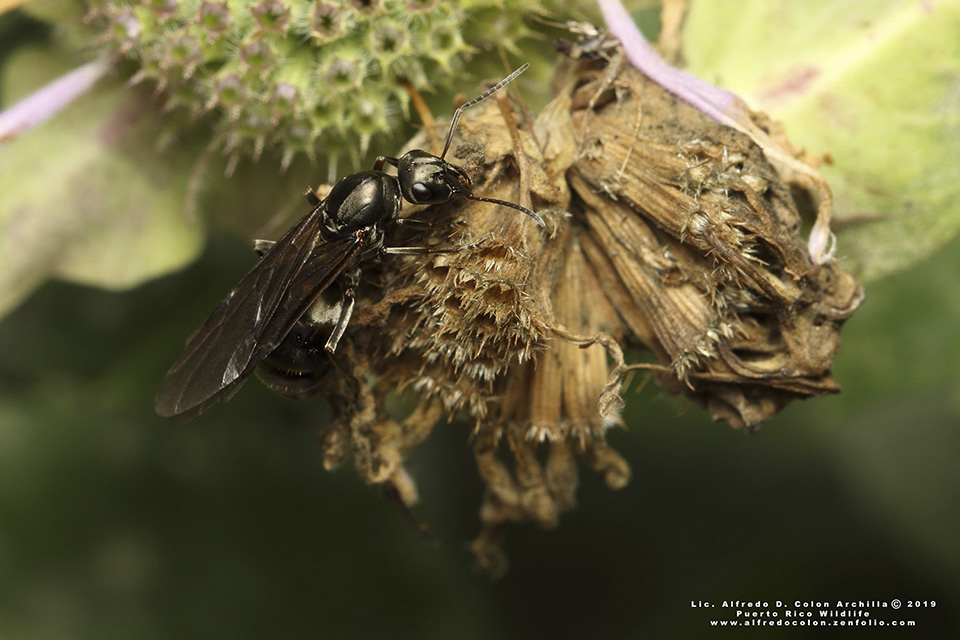
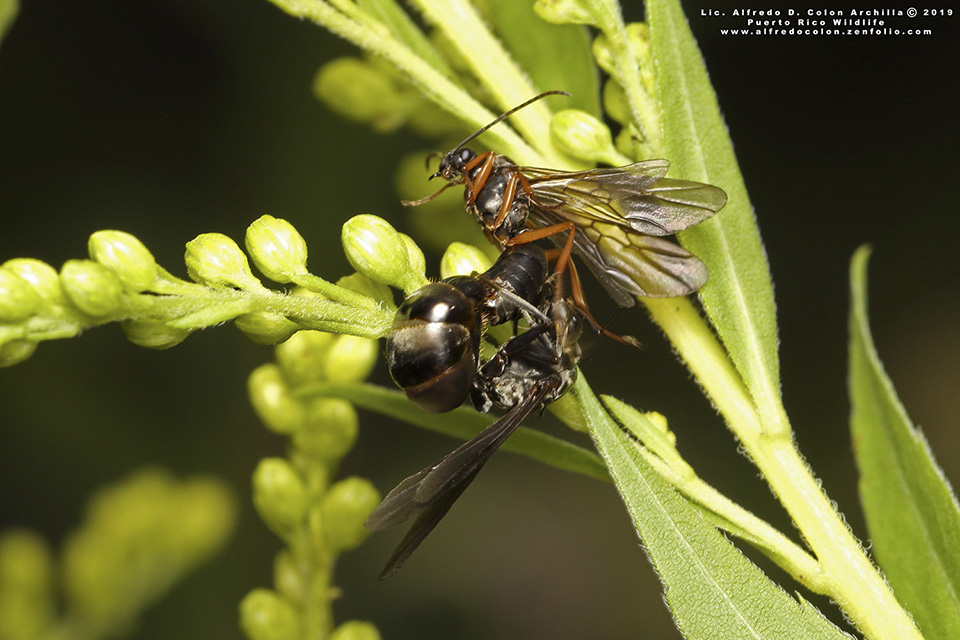
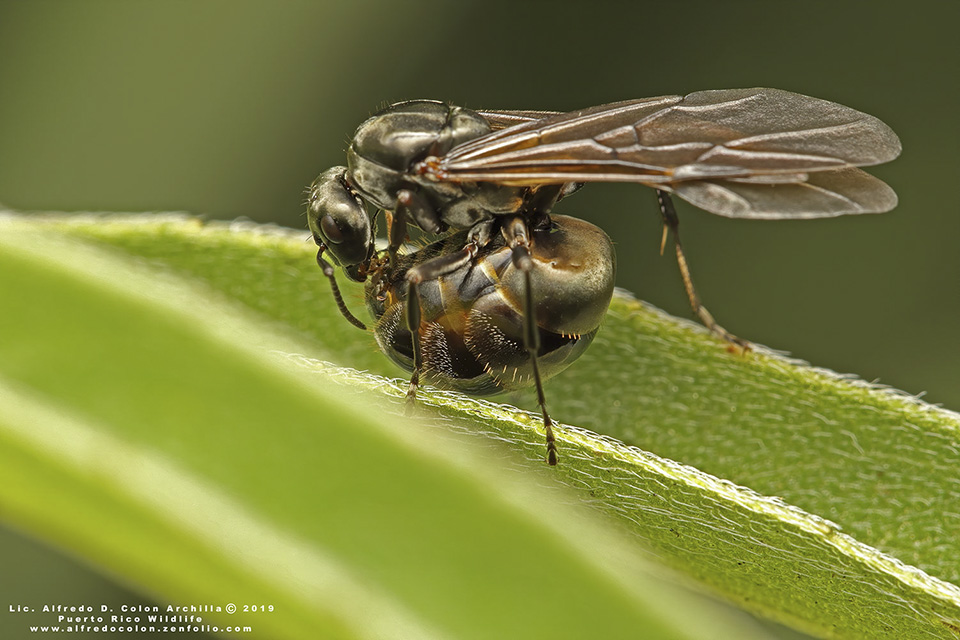
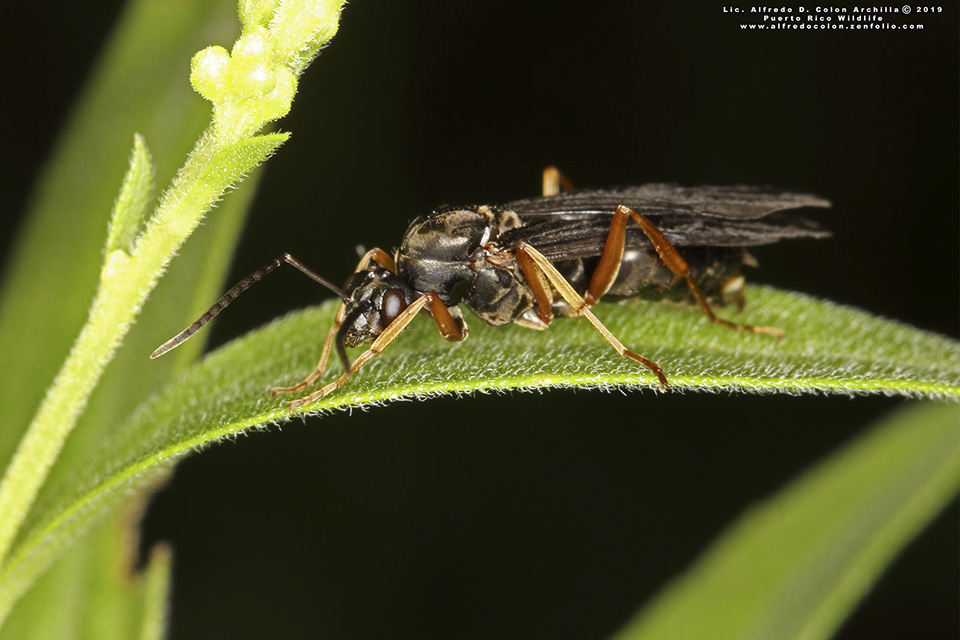
Workers are ⅛″ to 5 ⁄16″ (4 to 8 mm) long, black, and somewhat shiny. Winged males and queens are about the same size, 3 ⁄16″ to ½″ (5 to 13 mm) long.
The first body segment behind the head (mesosoma) has two distinct elevated areas (bumps). It is covered with three exoskeletal plates, the pronotum and mesonotum covering the thorax, and the propodeum covering the first segment of the abdomen that is fused to the thorax. The pronotum and mesonotum form one smooth convex bump, the propodeum a second convex bump. The second abdominal segment (petiole) is narrow and waist-like, and has a single raised bump (node). The remainder of the abdomen (gaster) is bulbous. The head, mesosoma, legs, and first three segments of the gaster are covered with silvery appressed hairs. The fourth segment of the gaster is bare or almost bare. There are single rows of erect golden hairs at the end of each segment. On the first segment there are also usually 10 to 25, sometimes just 1 to 3, erect hairs not including the row at the end. Those are each shorter than or equal to the distance between them.
The head is broadly rounded in outline. The rear margin is rounded, not distinctly concave. The eyes are large. The facial plate above the mouth (clypeus) is not notched. The finger-like sensory mouth part (maxillary palp) is long and has six segments. The basal segment of each antennae (scape) is very long, longer than the length of the head.
Size
Worker: ⅛″ to 5 ⁄16″ (4 to 8 mm)
Male: 3 ⁄16″ to ½″ (5 to 13 mm)
Queen: 3 ⁄16″ to ½″ (5 to 13 mm)
Similar Species
Habitat
Open deciduous forests, old fields, roadsides, lawns, and gardens
Ecology
Season
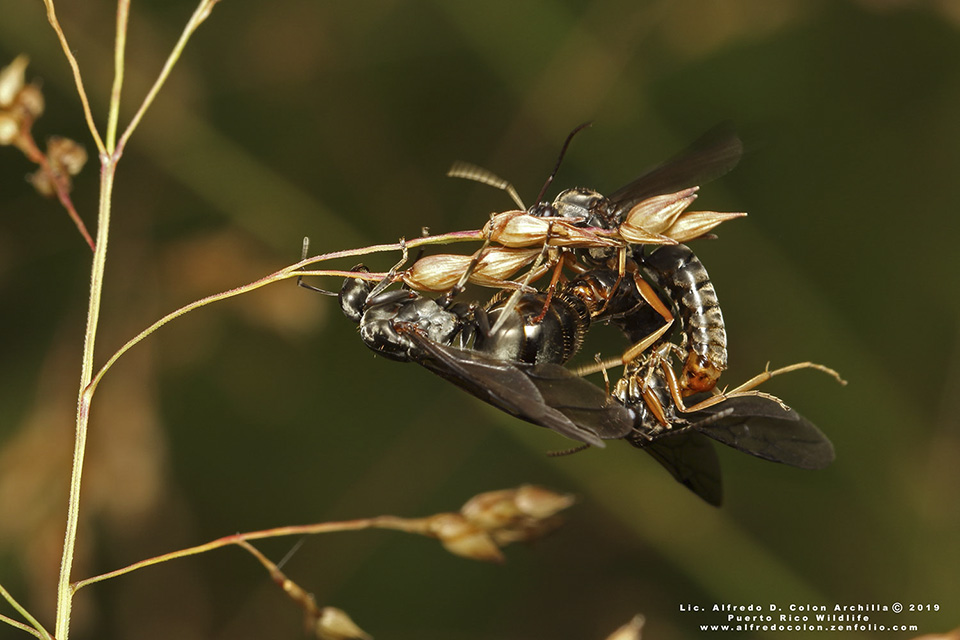
Present from spring thaw to first frost of fall. Nuptial flight in July or August.
Behavior
Silky field ants are often found as slaves in colonies of Amazon ants (Polyergus spp.).
Life Cycle
Nests are variable in size.
Larva Food/Hosts
Adult Food
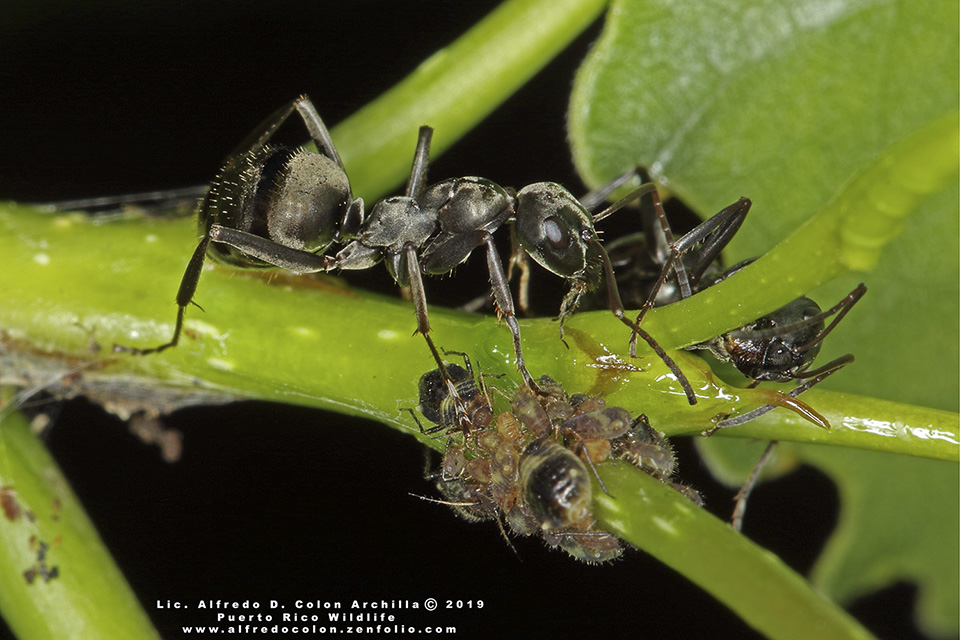
Aphid honeydew, soft-bodied insects, and seed husks.
Distribution
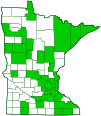
Sources
Biodiversity occurrence data published by: Minnesota Biodiversity Atlas (accessed through the Minnesota Biodiversity Atlas Portal, bellatlas.umn.edu. Accessed 10/11/2026).
AntMaps.org / Global Ant Biodiversity Informatics (GABI) database (Guénard et al., 2017). https://antmaps.org/index.html? Accessed 10/11/2026).
Formica subsericea Say, 1836 in Bánki, O., Roskov, Y., Döring, M., Ower, G., Hernández Robles, D. R., Plata Corredor, C. A., Stjernegaard Jeppesen, T., Örn, A., Pape, T., Hobern, D., Garnett, S., Little, H., DeWalt, R. E., Miller, J., Orrell, T., Aalbu, R., Abbott, J., Abreu, C., Acero P, A., et al. (2026). Catalogue of Life (2026-08-26 XR). Catalogue of Life Foundation, Amsterdam, Netherlands. https://doi.org/10.48580/dgyy9Occurrence
Very common in eastern United States
Taxonomy
Order
Hymenoptera (Ants, Bees, Wasps, and Sawflies)
Suborder
Apocrita (Narrow-waisted Wasps, Ants, and Bees)
Infraorder
Aculeata (Ants, Bees, and Stinging Wasps)
Superfamily
Formicoidea
Family
Subfamily
Formicinae
Tribe
Formicini
Genus
Formica (Wood, Mound, and Field Ants)
Complex
Subordinate Taxa
Synonyms
Formica lecontei
Common Names
black field ant
silky field ant
slightly silky mound ant
somewhat silky mound ant
Visitor Photos
This button not working for you?
Simply email us at info@MinnesotaSeasons.com.
Attach one or more photos and, if you like, a caption.

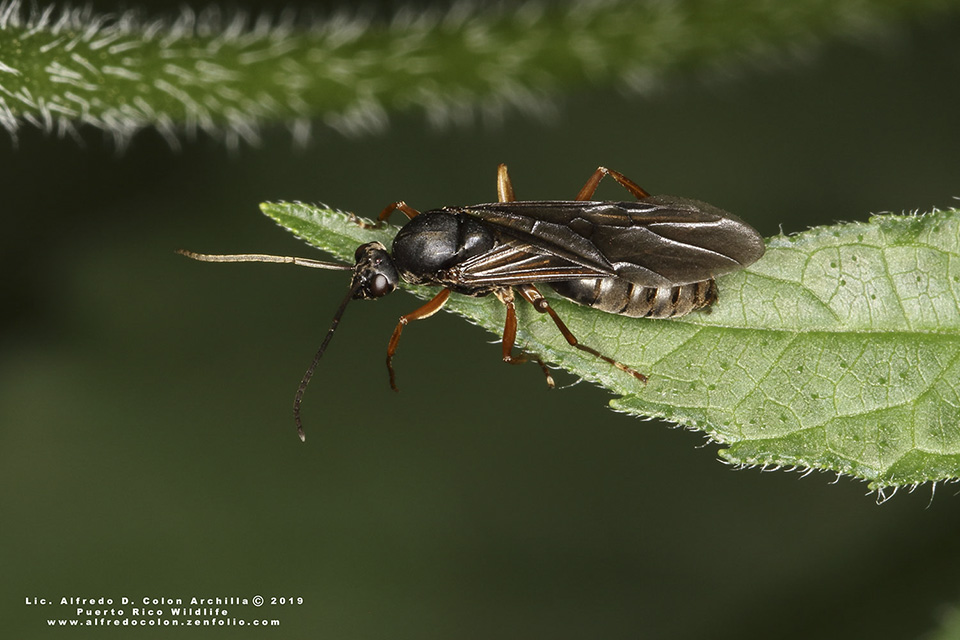
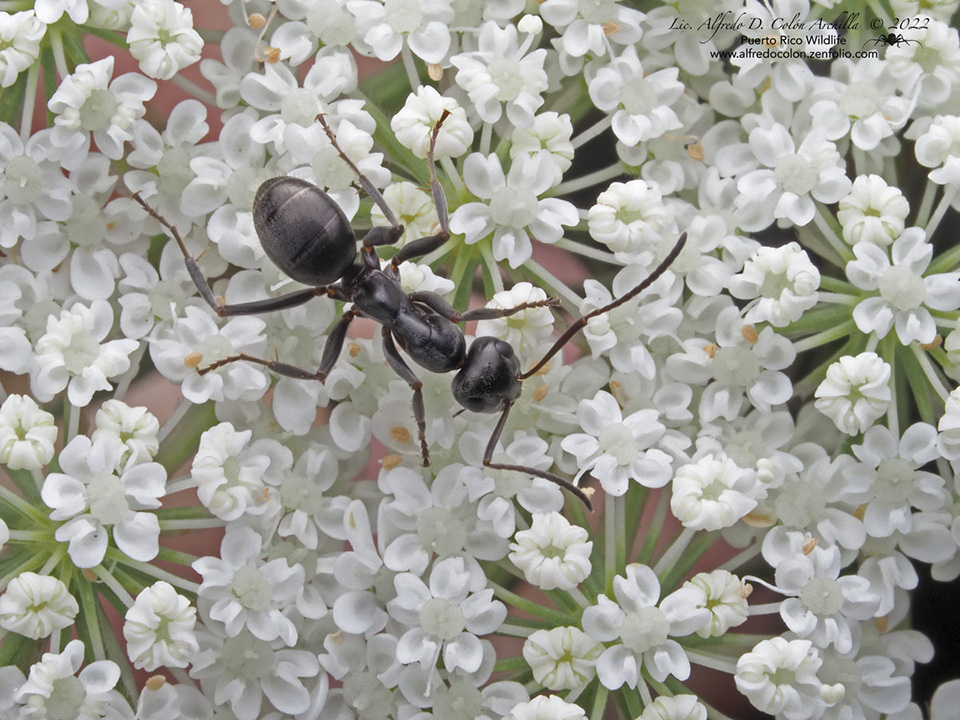
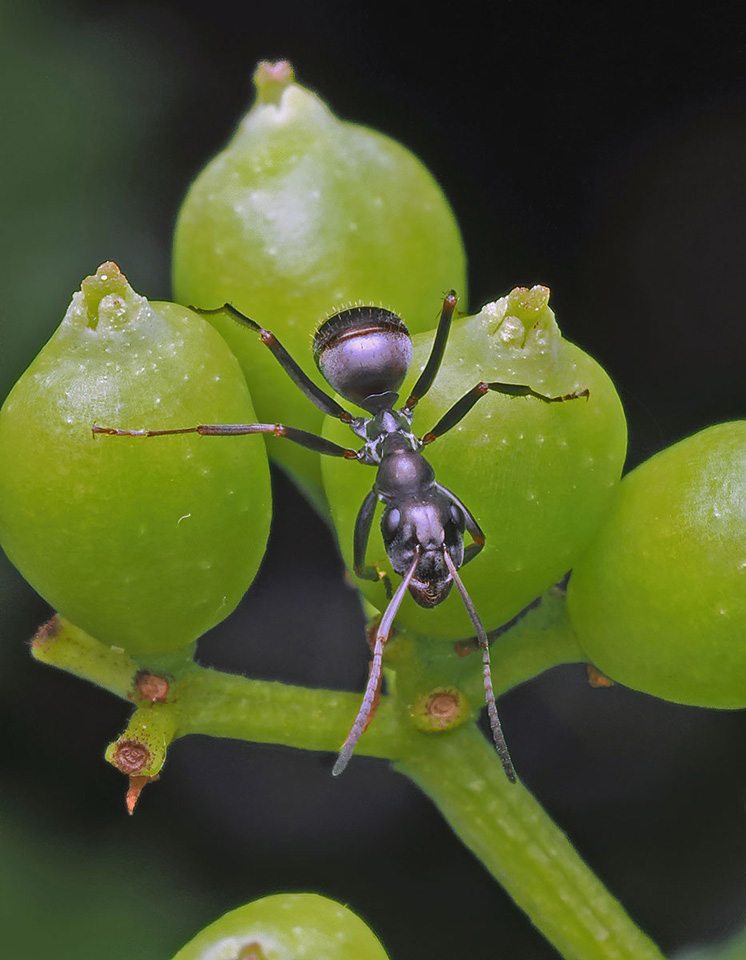
Minnesota Seasons Photos
Slideshows
Visitor Videos
This button not working for you?
Simply email us at info@MinnesotaSeasons.com.
Attach a video, a YouTube link, or a cloud storage link.
Other Videos
FIELD ANT tending leafhopper nymphs Formica subsericea
Rob Curtis
Visitor Sightings
This button not working for you?
Simply email us at info@MinnesotaSeasons.com.
Be sure to include a location.
Alfredo Colon
Summer 2026

Location: Albany, NY
Alfredo Colon
8/2/2022

Location: Albany, NY
Alfredo Colon
8/13/2019

Location: Woodbury, Minnesota
Alfredo Colon
8/12/2019

Location: Woodbury, Minnesota
Alfredo Colon
8/8/2019

Location: Woodbury, Minnesota
Alfredo Colon
8/2/2019

Location: Woodbury, Minnesota
Alfredo Colon
June 2018

Location: Woodbury, Minnesota
Minnesota Seasons Sightings