



Gray Comma
(Polygonia progne)
Conservation • Description • Habitat • Ecology • Distribution • Taxonomy
Conservation Status |
|
|||||||
| IUCN Red List | not listed |
|||||||
| NatureServe | N4N5 - Apparently Secure to Secure S4 - Apparently Secure |
|||||||
| Minnesota | not listed |
|||||||
Description |
||
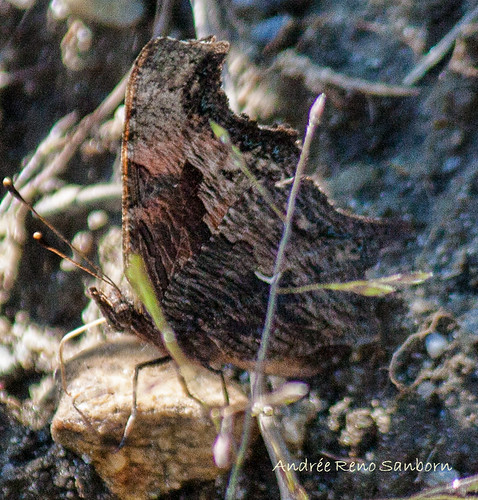
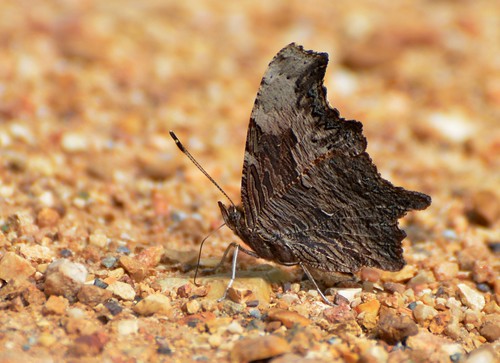
The “comma” marking on the underside of the forewing of the Gray Comma is thin and tapers at both ends. The undersides of the wings are dark gray and heavily striated. |
||
Size |
||
Wingspan: 1½″ to 2″ |
||
Similar Species |
||
Habitat |
||
Clearings in deciduous or coniferous woods; dirt roads, streams. |
||
Ecology |
||
Season |
||
Two broods: June to July and August to early October. |
||
Behavior |
||
|
||
Life Cycle |
||
|
||
Larva Hosts |
||
Gooseberries |
||
Adult Food |
||
Sap |
||
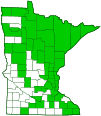
Distribution |
||||
|
Sources |
|||
| 9/19/2022 | ||||
Occurrence |
||||
Common |
||||
Taxonomy |
|||
Order |
Lepidoptera (Butterflies and Moths) | ||
Superfamily |
Papilionoidea (Butterflies) | ||
Family |
Nymphalidae (Brush-footed Butterflies) | ||
Subfamily |
Nymphalinae (Checkerspots, Anglewings, Peacocks, and Allies) | ||
Tribe |
Nymphalini (Ladies, Anglewings, and Allies) | ||
Genus |
Polygonia (commas) | ||
Synonyms |
|||
|
|||
Common Names |
|||
Gray Comma grey comma |
|||
Visitor Photos |
|||||
Share your photo of this insect. |
|||||
| This button not working for you? Simply email us at info@MinnesotaSeasons.com. Attach one or more photos and, if you like, a caption. |
|||||
Laura Baxley |
|||||
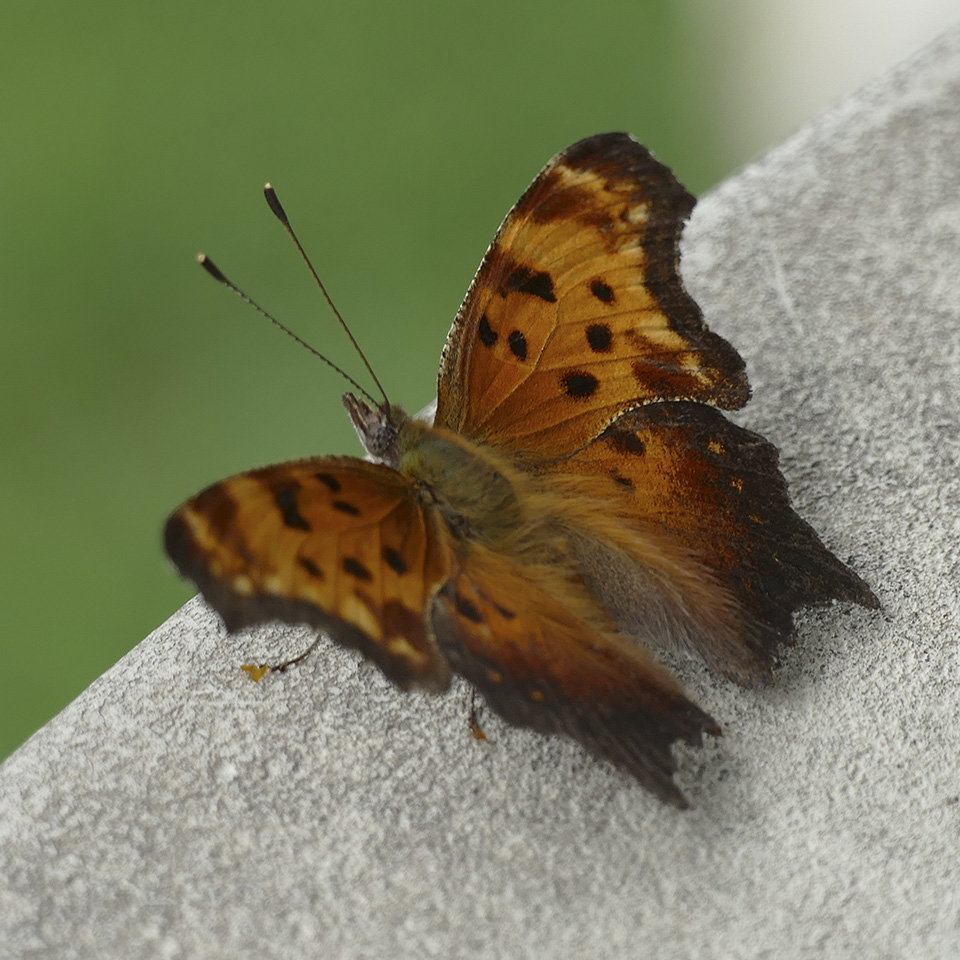
| I had a beautiful specimen of a Gray Comma in my Minneapolis yard recently (June 28th). I've included... one with the wings closed so the 'Gray Comma' is quite visible. | 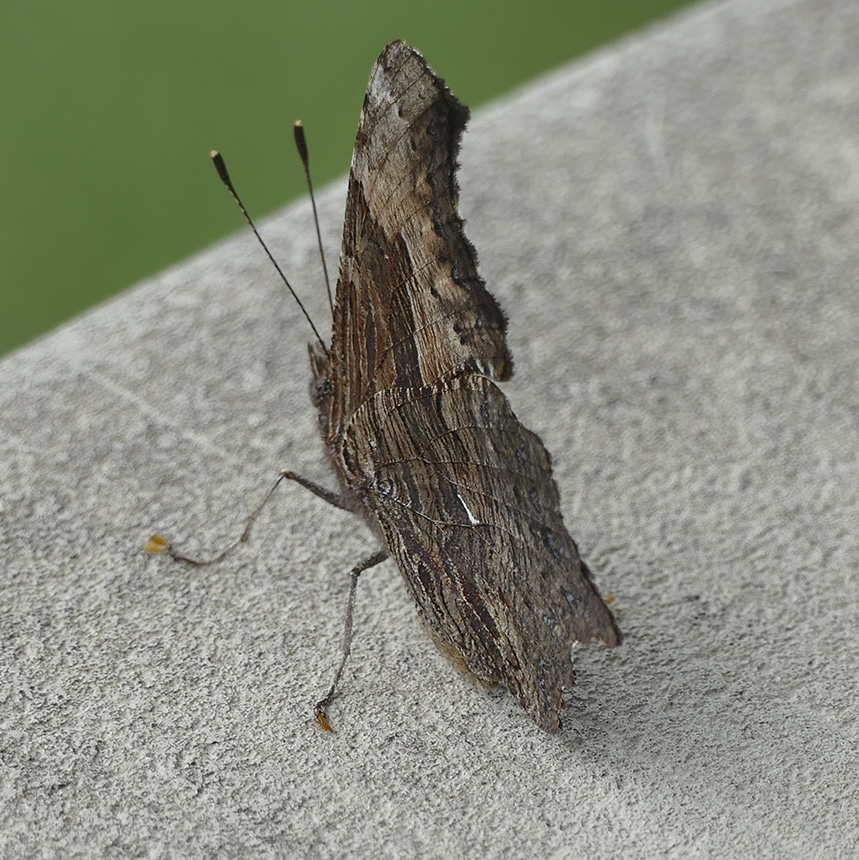 |
||||
 |
|||||
MinnesotaSeasons.com Photos |
|||||
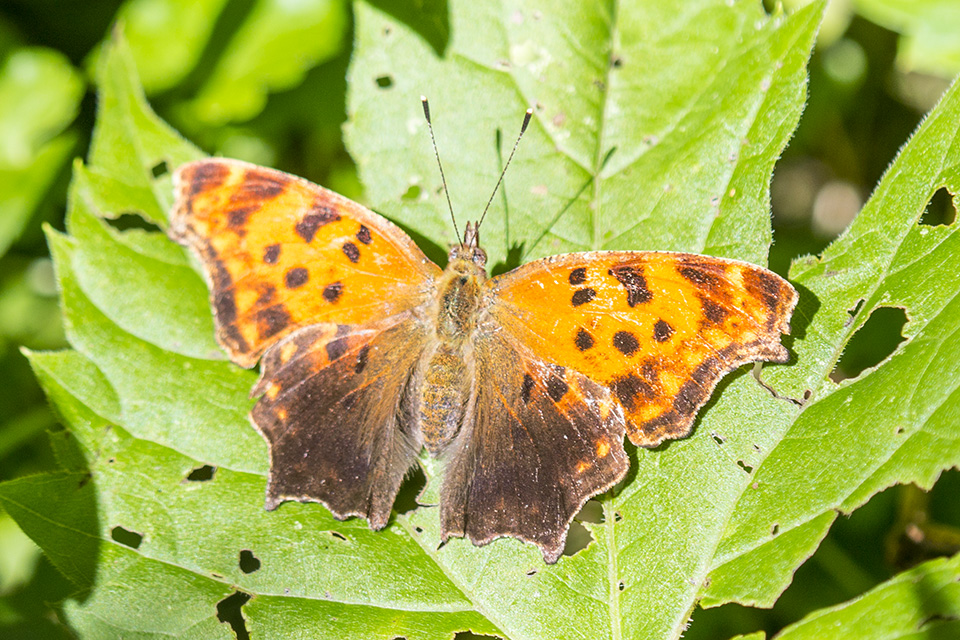
Upper Side |
|||||
 |
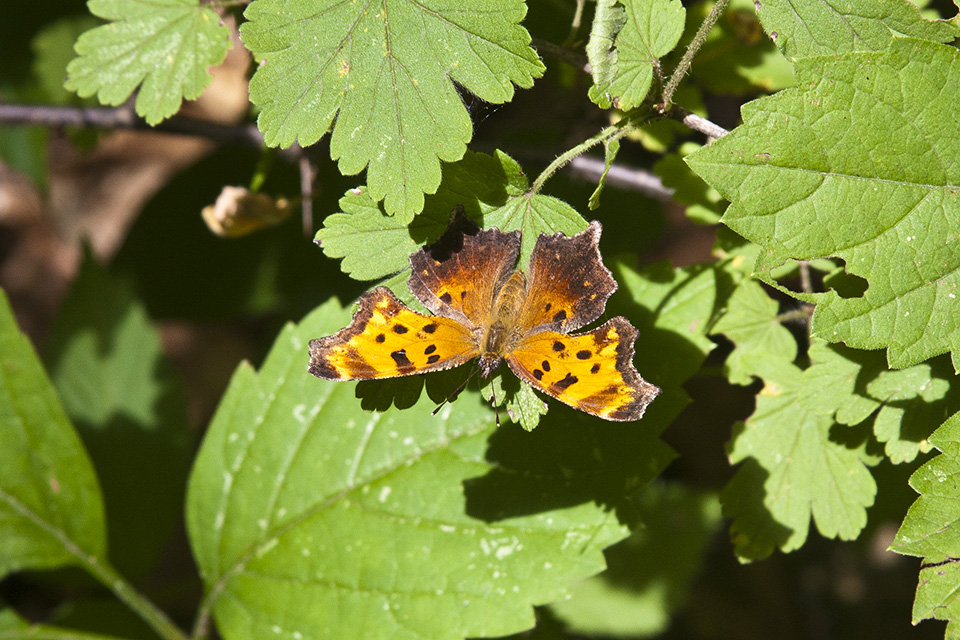 |
||||
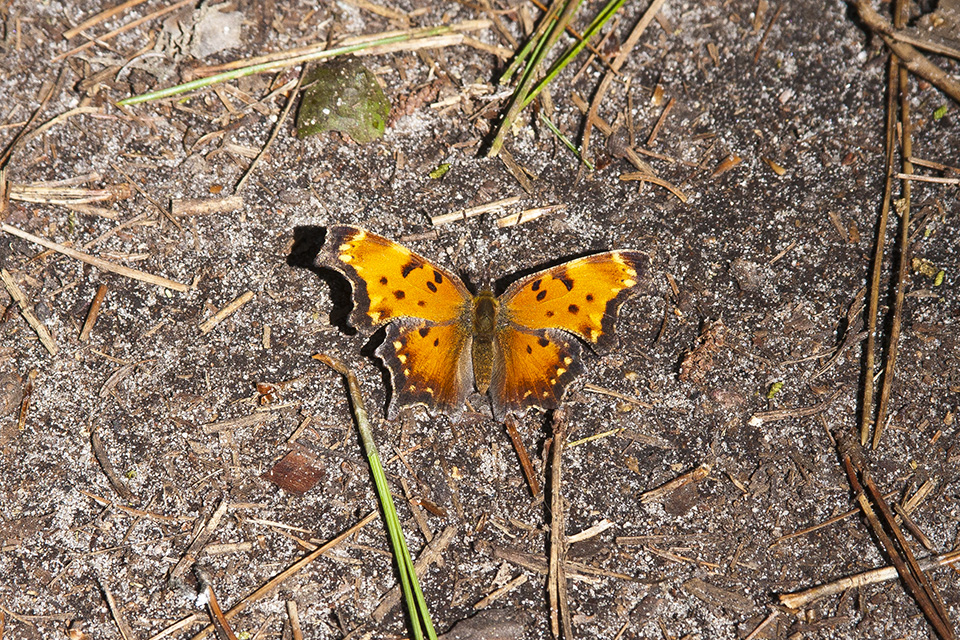 |
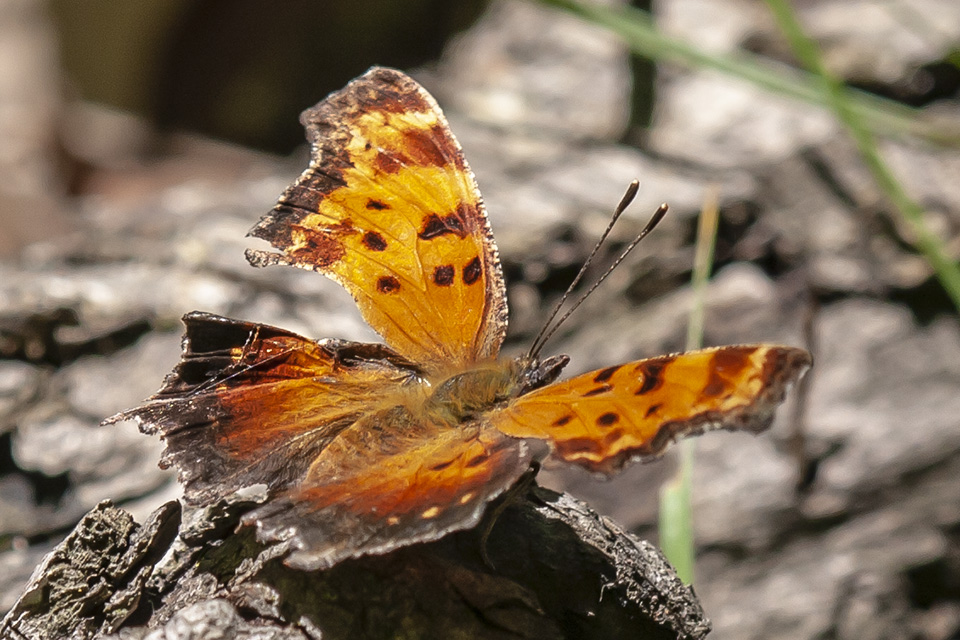 |
||||
Underside |
|||||
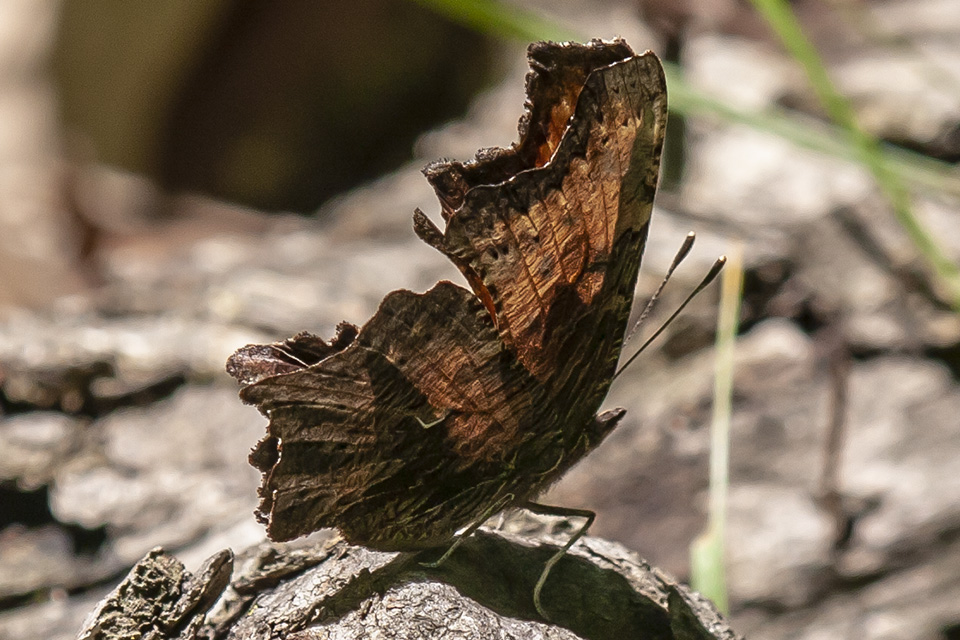 |
|||||
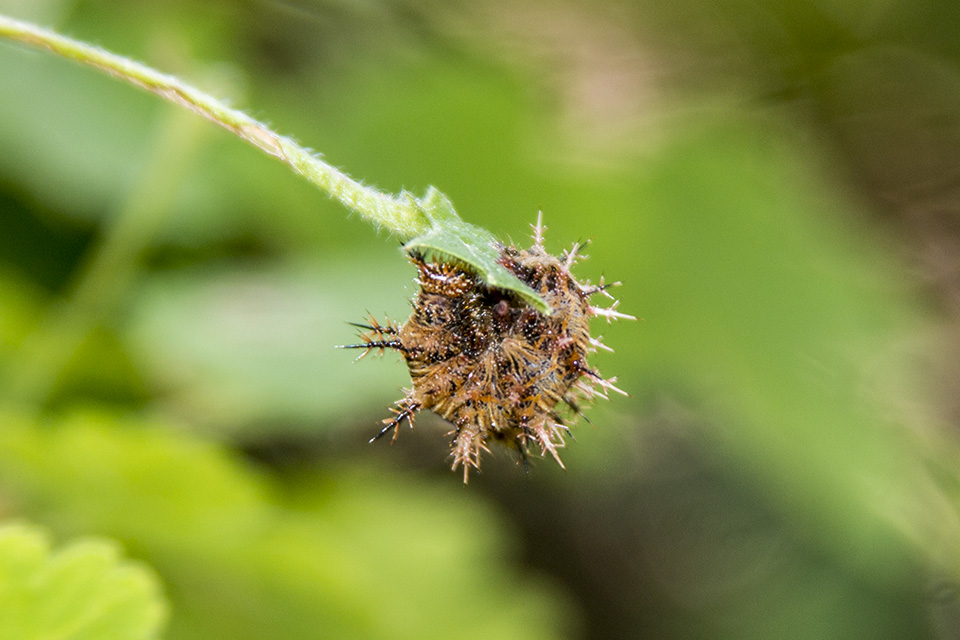
Caterpillar |
|||||
 |
|||||

Slideshows |
||
| Gray Comma (Polygonia progne) Andree Reno Sanborn |
||
|
||
| Gray Comma Andy Reago & Chrissy McClarren |
||
|
||

Visitor Videos |
|||
Share your video of this insect. |
|||
| This button not working for you? Simply email us at info@MinnesotaSeasons.com. Attach a video, a YouTube link, or a cloud storage link. |
|||
Other Videos |
|||
| Gray Comma ( Butterfly ) Return to God's Garden |
|||
About
Published on Mar 5, 2013 This is a very cool looking butterfly that looks like a dried up leaf when it's wings are folded together. |
|||
| Gray Comma Butterfly LJStrong |
|||
About
Uploaded on Jul 20, 2011 One of those "stop and smell the flowers" moments. This beautiful creature was sitting on the railing of my house. (Music: Lisa Gerrard - Shadow Magnet) |
|||

Visitor Sightings |
|||||
Report a sighting of this insect. |
|||||
| This button not working for you? Simply email us at info@MinnesotaSeasons.com. Be sure to include a location. |
|||||
| Terry O'Brien 9/18/2022 |
Location: on garlic chive blossoms in my garden, off Itasca Co Hwy 48 |
||||
| L Fairchild 6/18/2021 |
Location: Norman County Fossum Twp |
||||
| Laura Baxley 6/28/2018 |
Location: Minneapolis I had a beautiful specimen of a Gray Comma in my Minneapolis yard recently (June 28th). I've included... one with the wings closed so the 'Gray Comma' is quite visible. |
|
|||
MinnesotaSeasons.com Sightings |
|||||
Last Updated: