



Big Stone National Wildlife Refuge
About • Location • Activities • Ecology
About |
||||
Ownership |
||||
|
||||
Links |
||||
Overview |
||||
|
||||
History |
||||
|
||||
Management |
||||
|
||||
Comments |
||||
|
||||

Location |
||||
Maps |
||||
|
||||
Printable Map(s) with GPS coordinates |
||||
Size |
||||
11,521 acres |
||||
Parking |
||||
Big Stone NWR and WMD Admin Bldg and Visitor Contact Station West entrance and information kiosk |
||||
Hours |
||||
Auto Tour and Refuge Lands Hours |
||||
Fees |
||||
No fee No National Wildlife Refuge in Minnesota charges a fee |
||||
Driving Directions |
 |
|||||
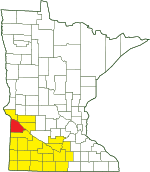
| Lac qui Parle County | ||||||
| Southwest Minnesota | ||||||
Activities |
||
Hiking Trails |
||
One-mile self-guided footpath |
||
Auto Tour |
||
Six-mile self-guided auto tour route (open May through September) |
||
Hunting |
||
Gray Partridge, cottontail rabbit, jack rabbit, gray and fox squirrel, pheasant, turkey, and deer. |
||
Ecology |
|||||||
Ecological Classification |
 |
||||||
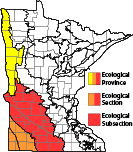
| Ecological Province | Prairie Parkland Province |
||||||
| Ecological Section | North Central Glaciated Plains |
||||||
| Ecological Subsection | Minnesota River Prairie |
||||||
| Land Type Association | Clinton Moraine Havelock Lake Plain Milan Alluvial Plain |
||||||
Native Plant Communities* |
|||||||
Crystalline Bedrock Outcrop (Prairie): Minnesota River Subtype Dry Hill Prairie (Southern) Mesic Prairie (Southern) Wet Prairie (Southern) |
|||||||
| * Source: The Minnesota Biological Survey, Minnesota Department of Natural Resources, Division of Ecological Resources | |||||||
Natural Features |
|||||||
|
|||||||
Wetlands
Five thousand acres, which is almost half of this wildlife refuge, is wetland.
Visitor Photos |
|||||
Share your photo of this destination. |
|||||
| This button not working for you? Simply email us at info@MinnesotaSeasons.com. Attach one or more photos and, if you like, a caption. |
|||||
|
|||||
MinnesotaSeasons.com Photos |
|||||
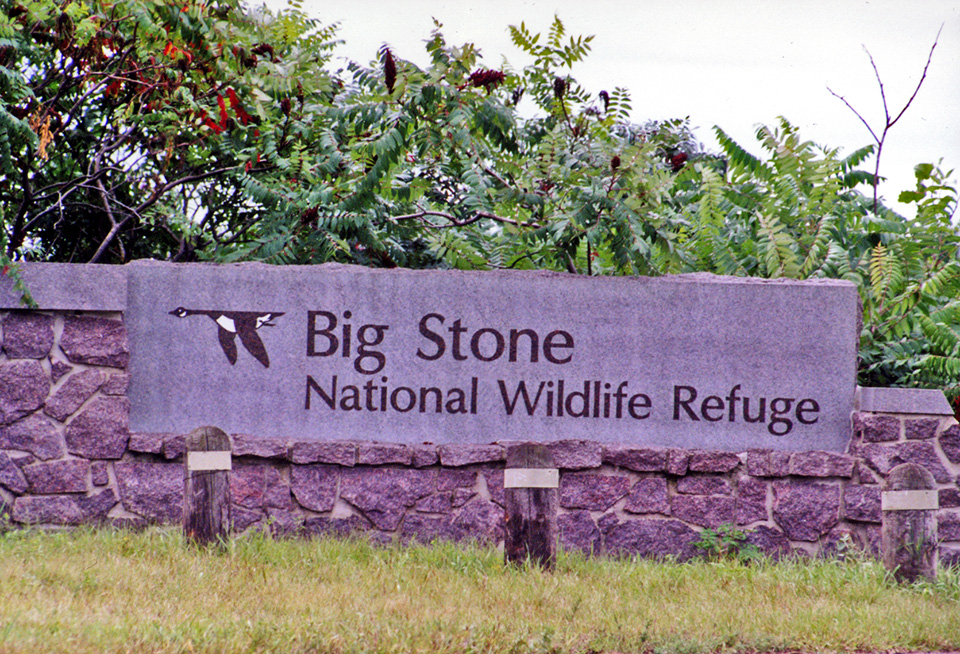
Refuge Entrance |
|||||
 |
|||||

Slideshows |
||
Visitor Videos |
|||
Share your video of this destination. |
|||
| This button not working for you? Simply email us at info@MinnesotaSeasons.com. Attach a video, a YouTube link, or a cloud storage link. |
|||
Other Videos |
|||
| Big Stone National Wildlife Refuge, Minnesota - Time-lapse June 20th 2012 timelapsetalk |
|||
About
Published on Jun 20, 2012 First try at time-lapse with Gopro Hero2 2210 photos 8 Meg. Photo taken every 2 seconds Played back at 24 frames/second |
|||
| Big Stone Wildlife Refuge jeeprzkreeprz |
|||
About
Uploaded on Apr 25, 2011 I came across this video while cleaning out my hard drive. It was recorded in Aug 2010. Every time I go back home, I make it a point to drive through the Big Stone Wildlife Refuge that is located in Minnesota between Ortonville and Odessa (at the bottom of the bump on western side of the state). The auto tour is about 6 miles long. It may be nothing special to some people, but it is to me for at least 3 reasons. I have edited a little to keep it under 10 min. Soundtrack is provided by Eric Lindell which I happened to be listening to at the time. If you don't like it, it doesn't matter ~ because the driver gets to choose :) |
|||


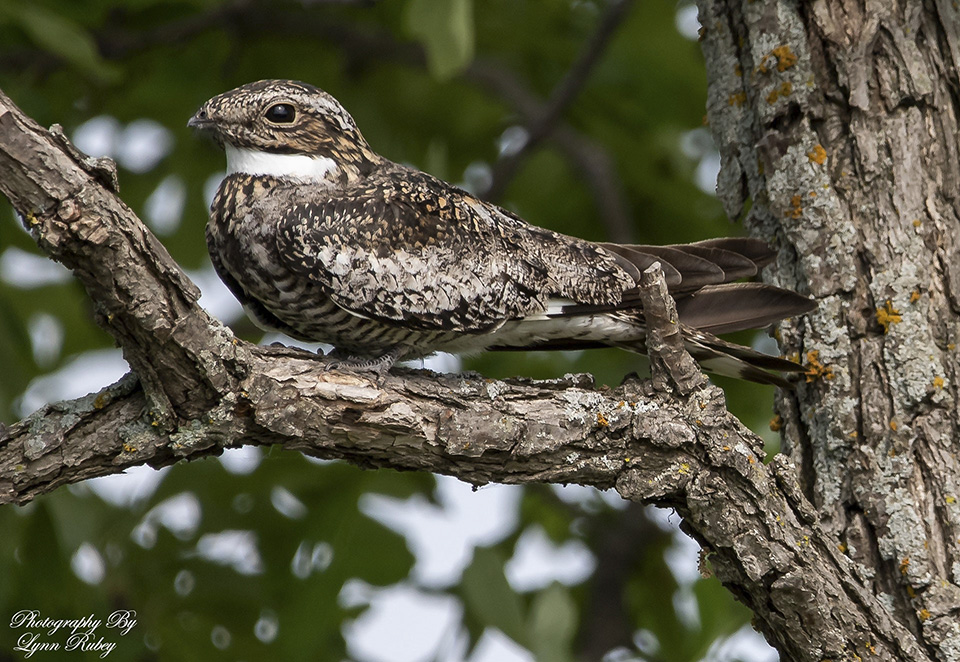
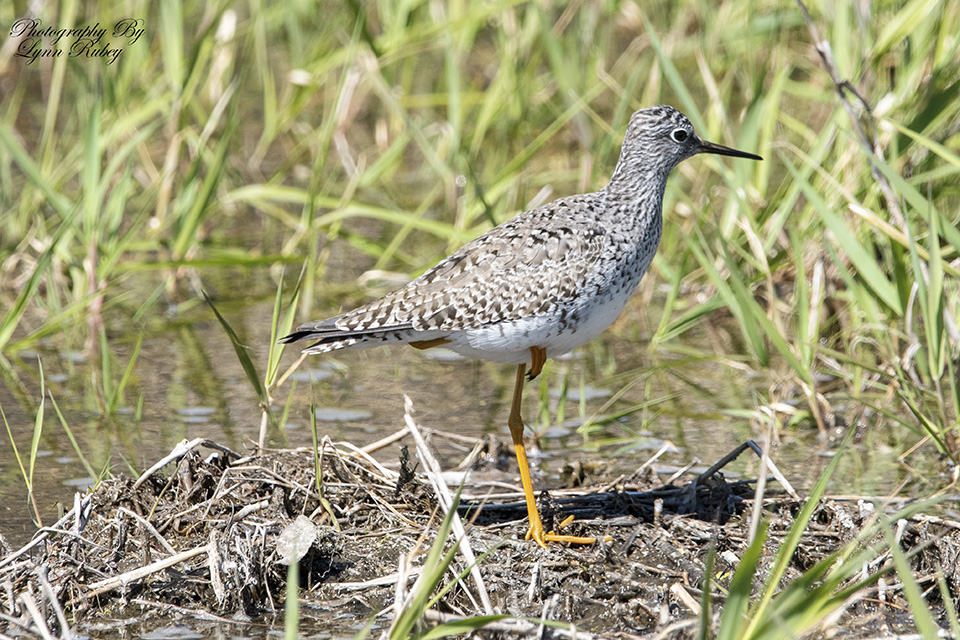
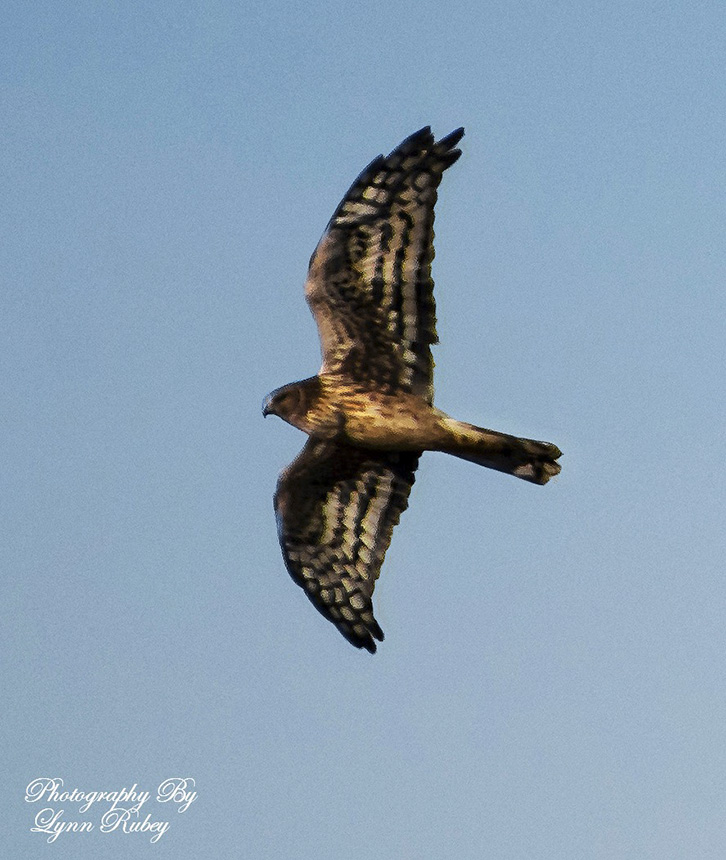
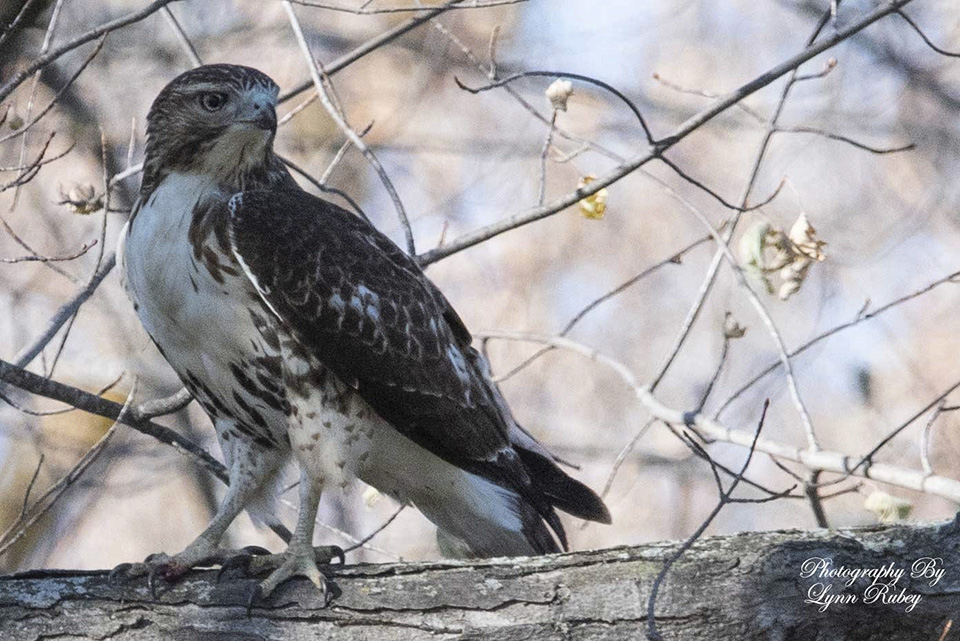
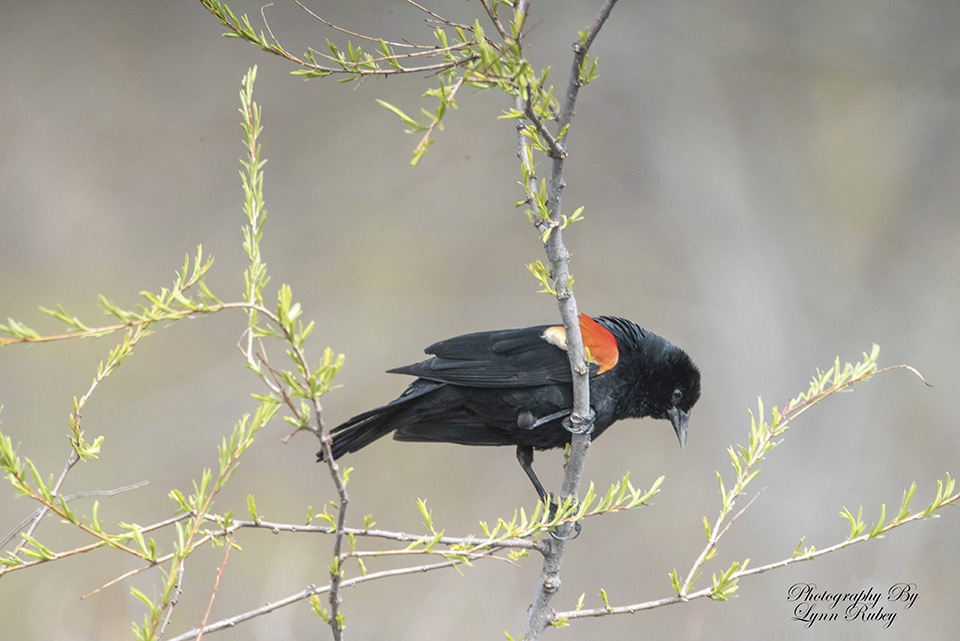
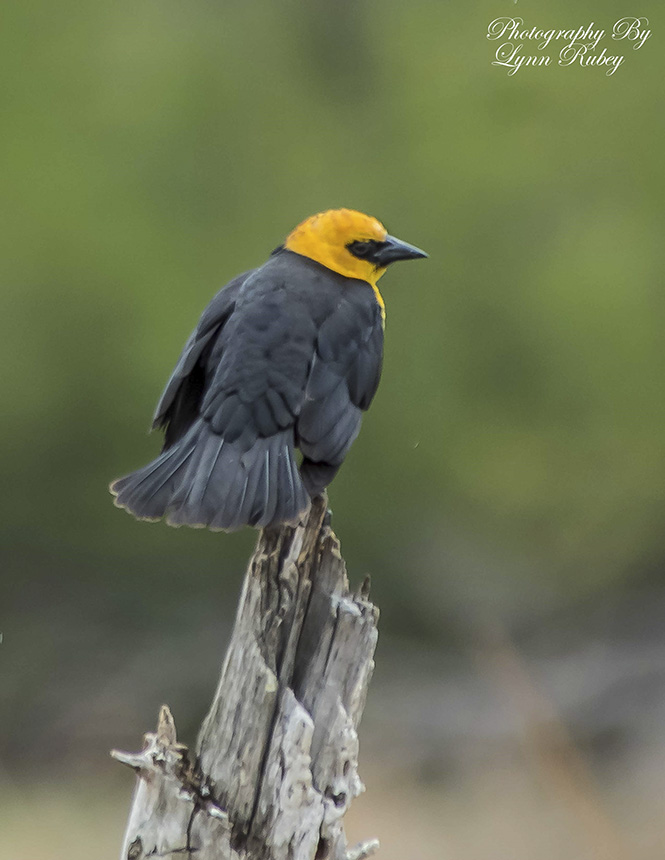
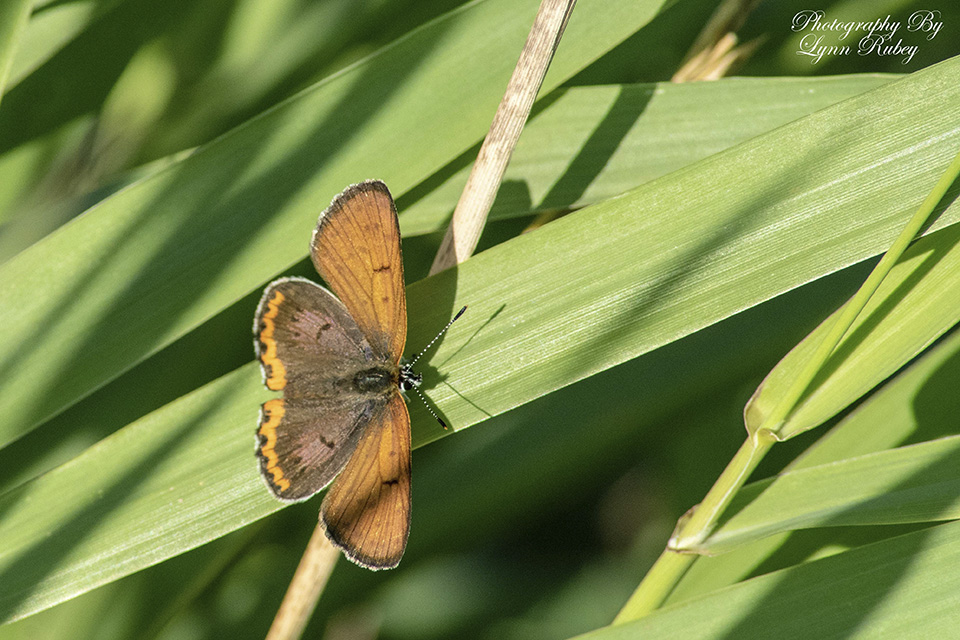

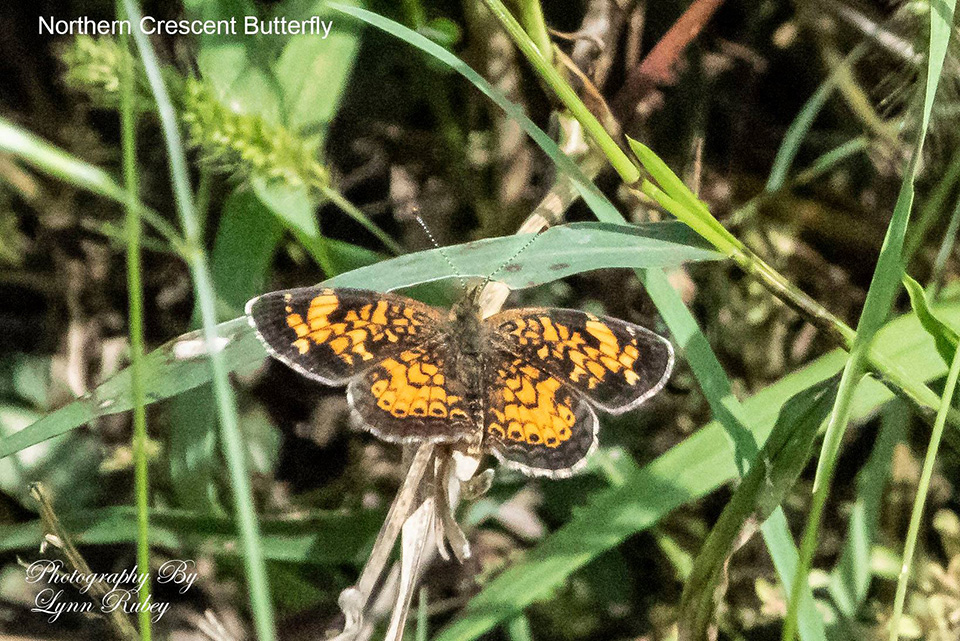


Refuge for Birds
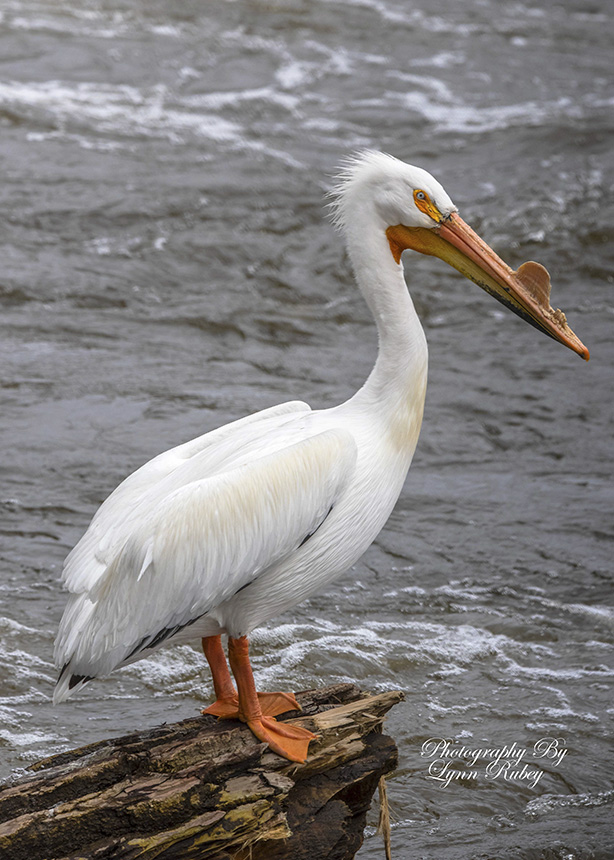
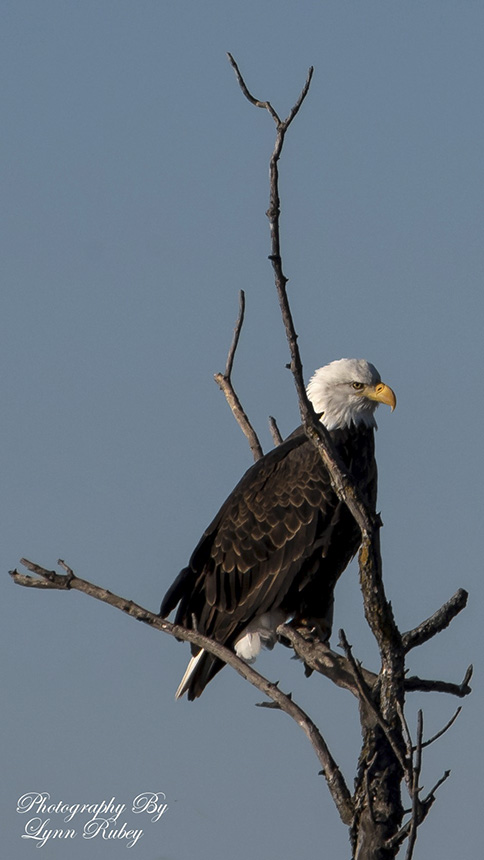
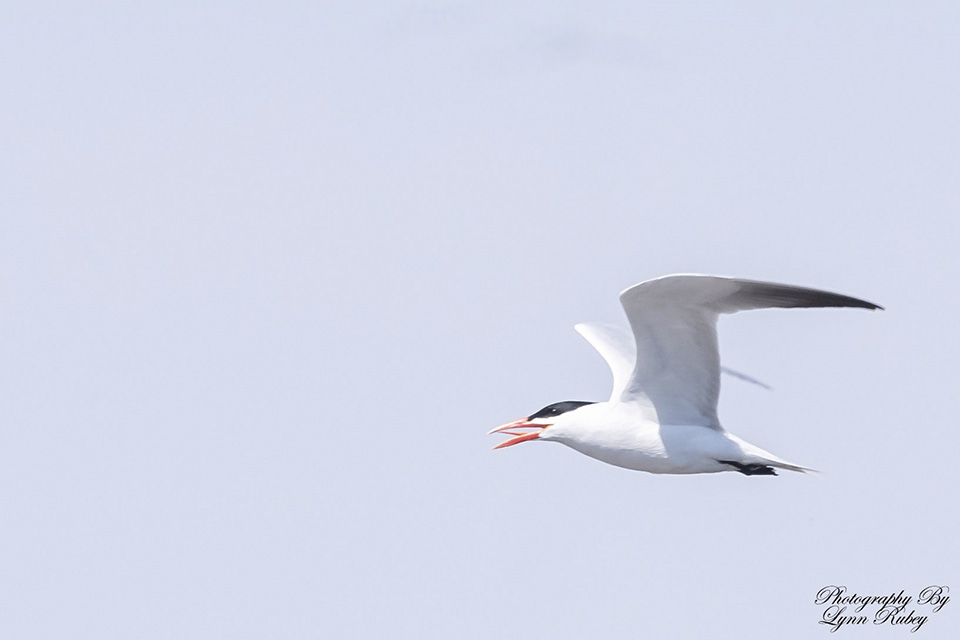
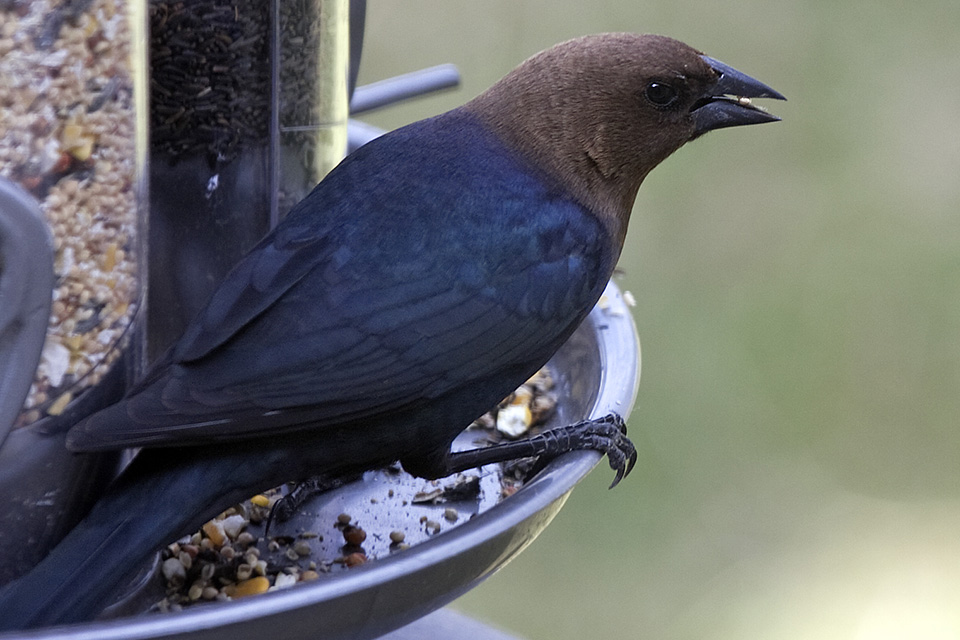
Black-crowned Night Heron, Double-crested Cormorant, Hooded Merganser, Western Grebe, and many other species of waterfowl are summer residents. This is one of the few locations in Minnesota that the Snowy Egret is known to breed.
Refuge for Mammals
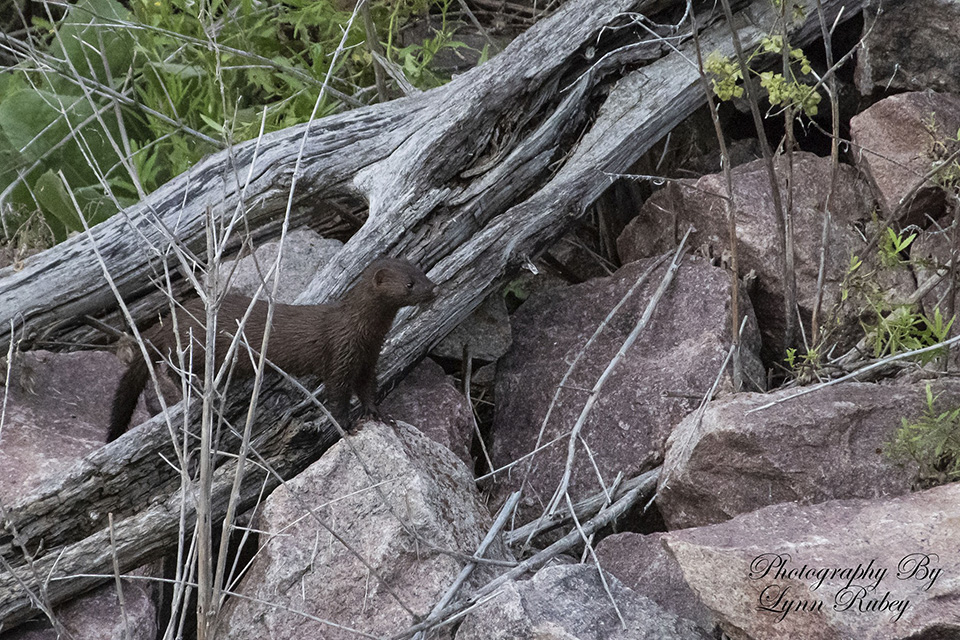
Forty-one mammal species have been documented on this refuge.
Refuge for Plants
The only population of ball cactus in Minnesota is maintained in this refuge.
Created: Last Updated: © MinnesotaSeasons.com. All rights reserved. |