northern walkingstick - Species Profile
Conservation • Description • Habitat • Ecology • Distribution • Taxonomy

Conservation Status
IUCN Red List
not listed
NatureServe
NR - Unranked
Minnesota
not listed
Description
Northern walkingstick is common in the eastern half of the United states and adjacent Canadian provinces. It is the only stick insect found in Canada. It is the most common walkingstick in North America and in Minnesota.
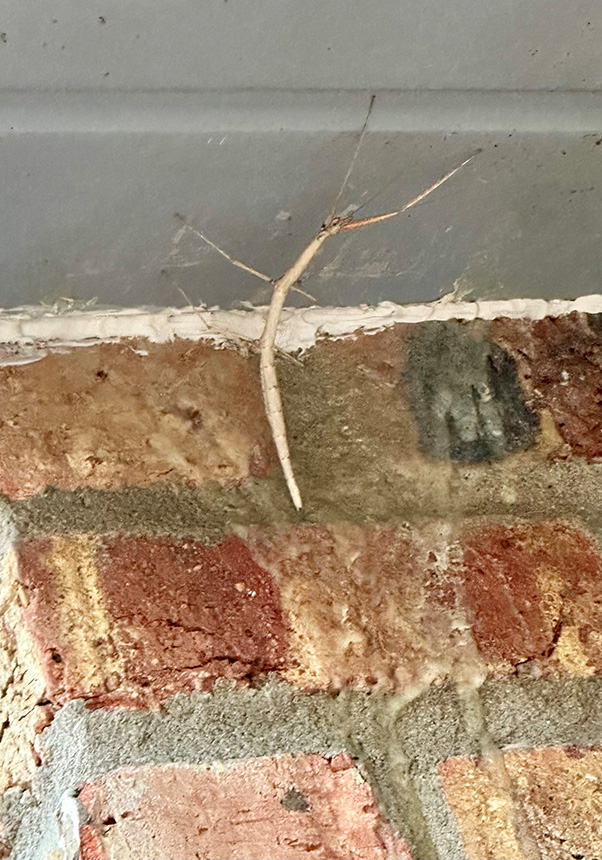
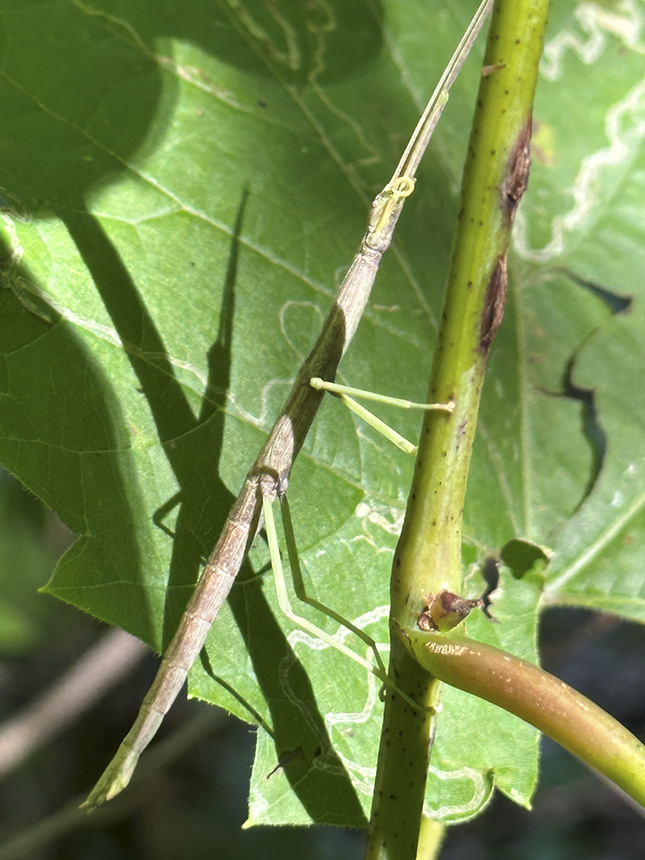
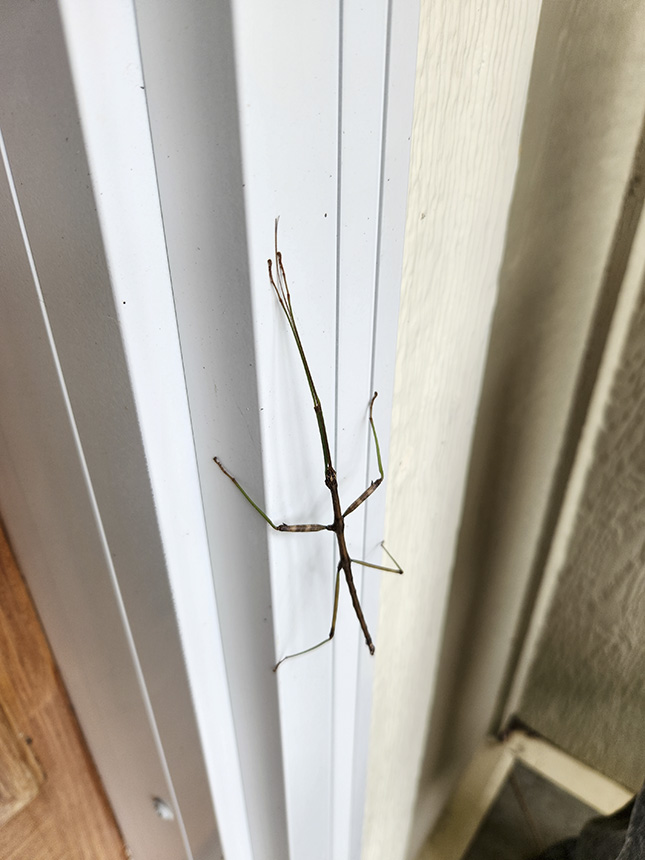
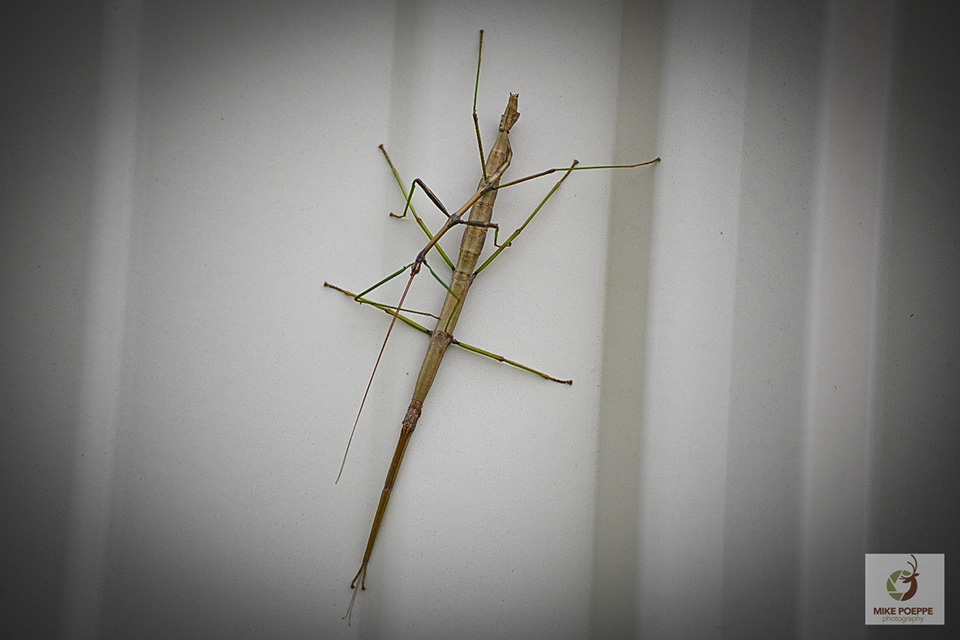
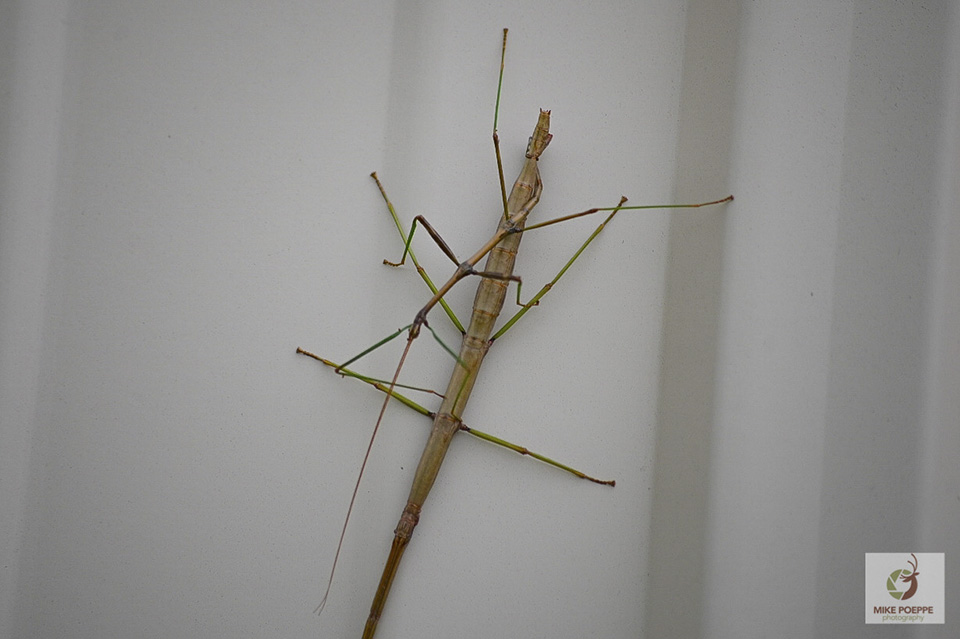
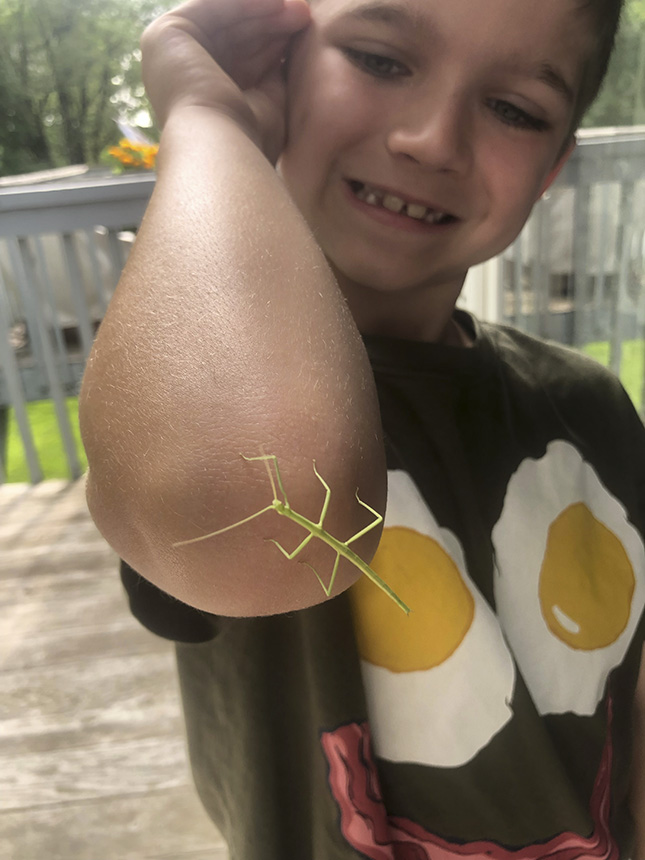
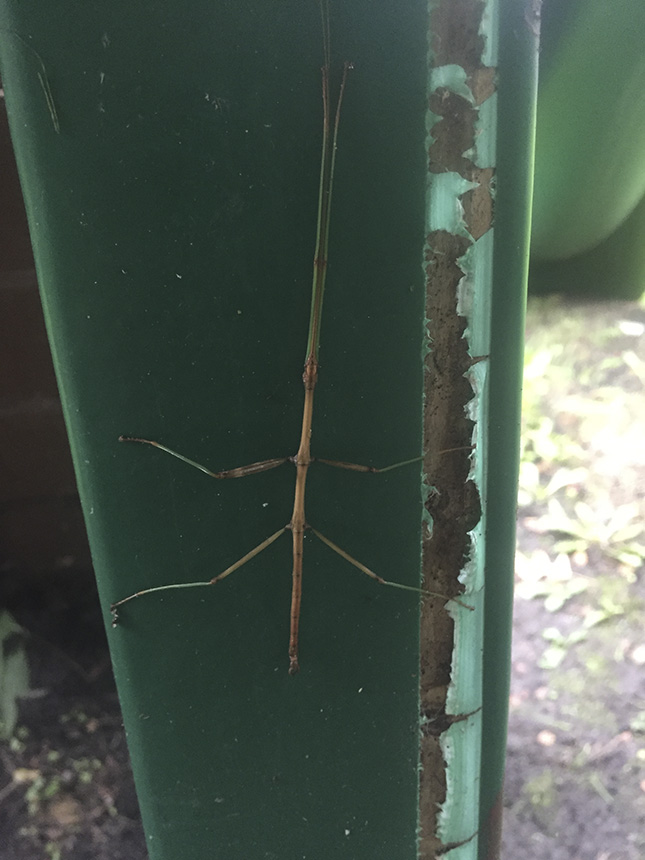
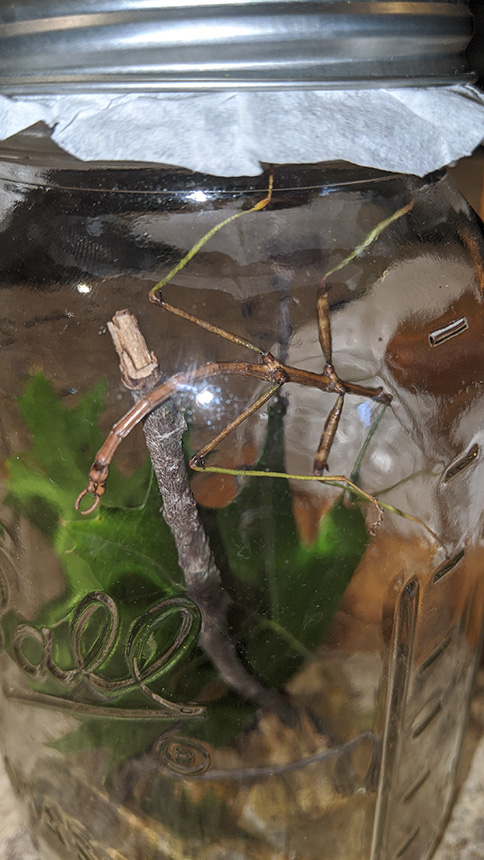
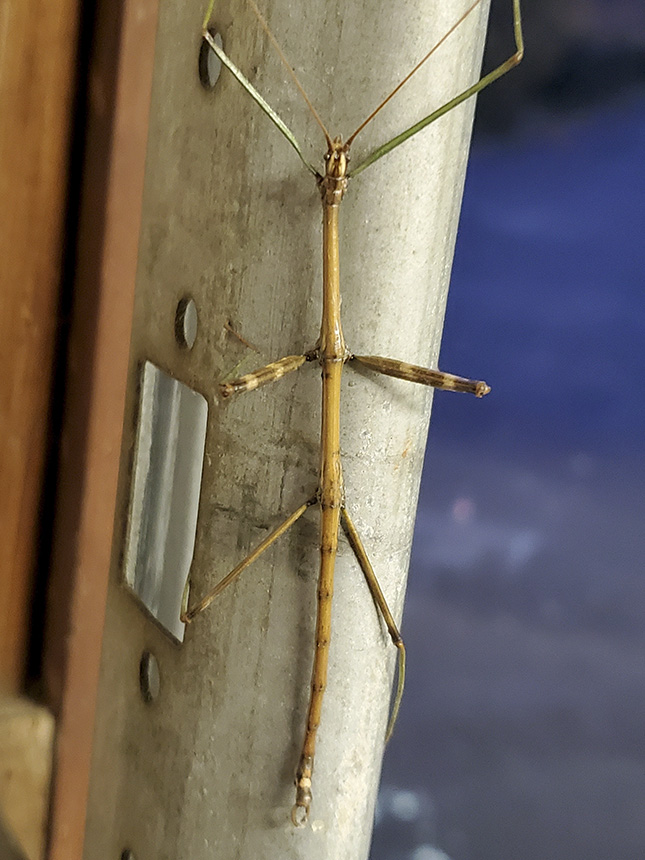
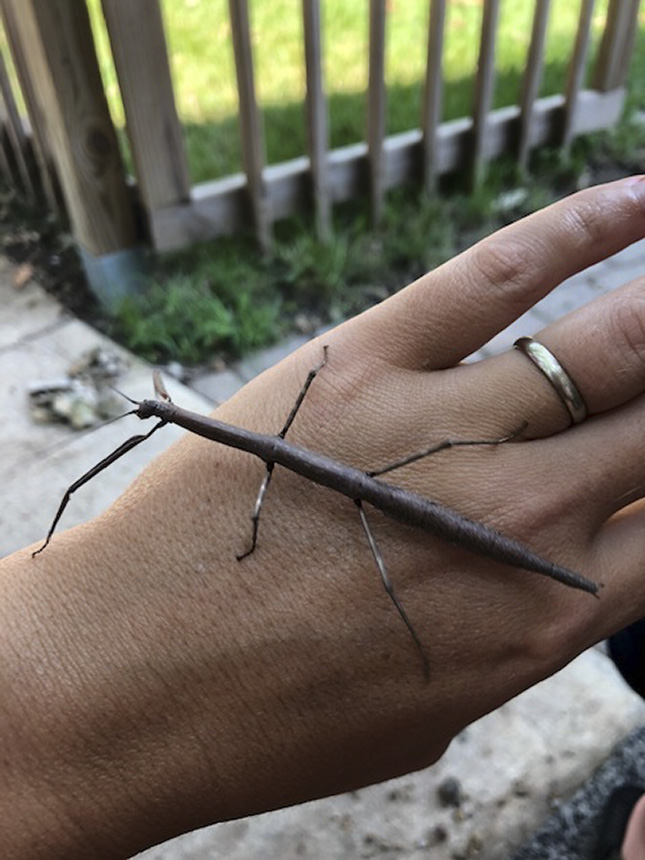
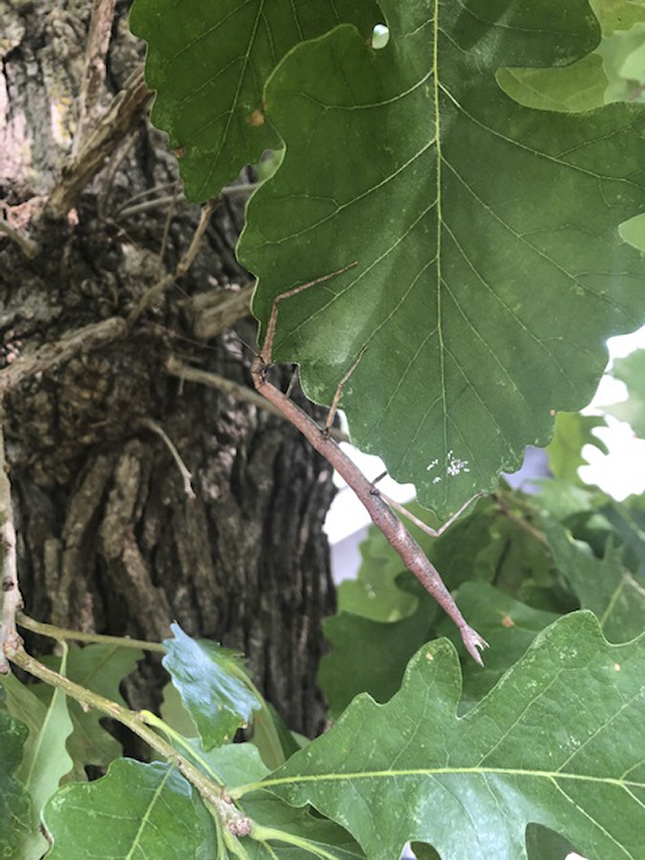
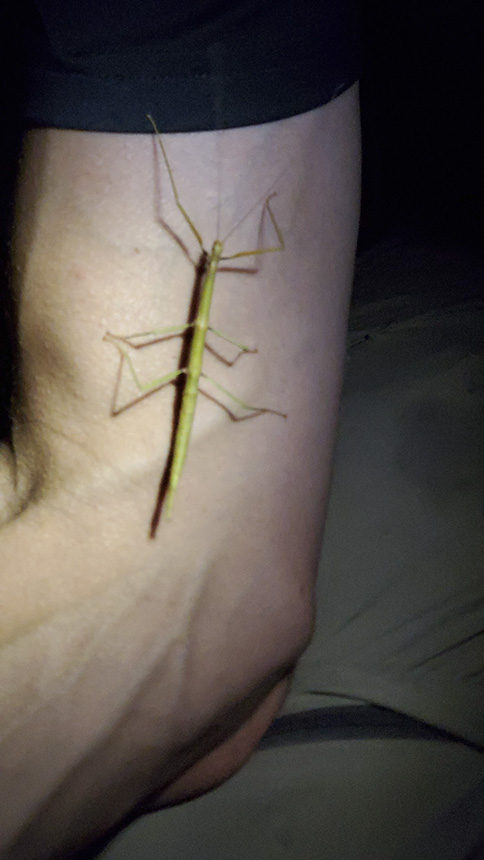
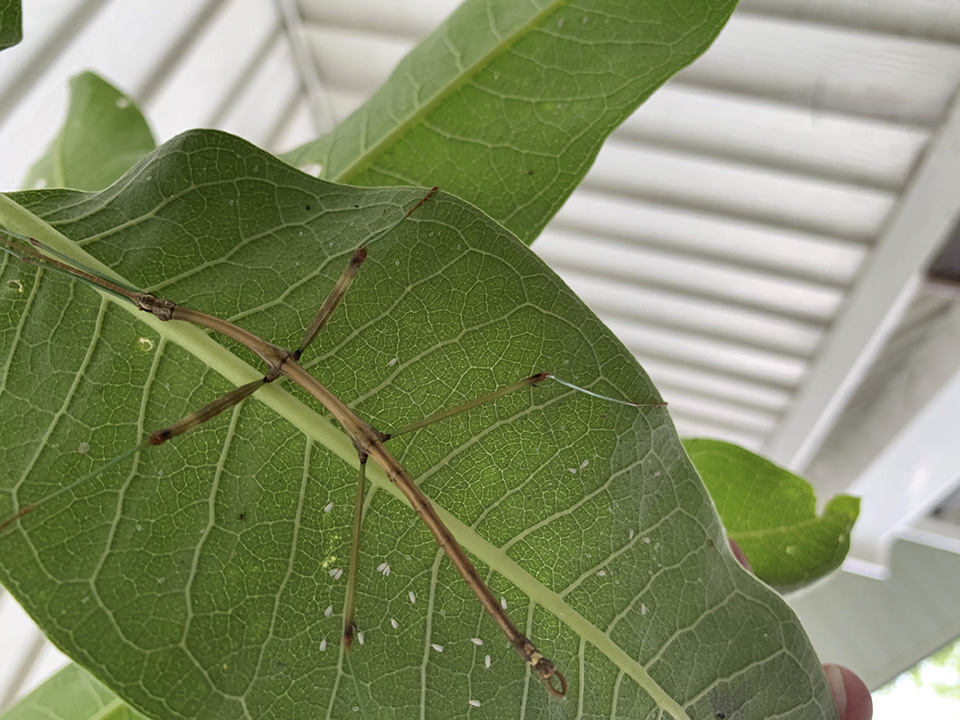
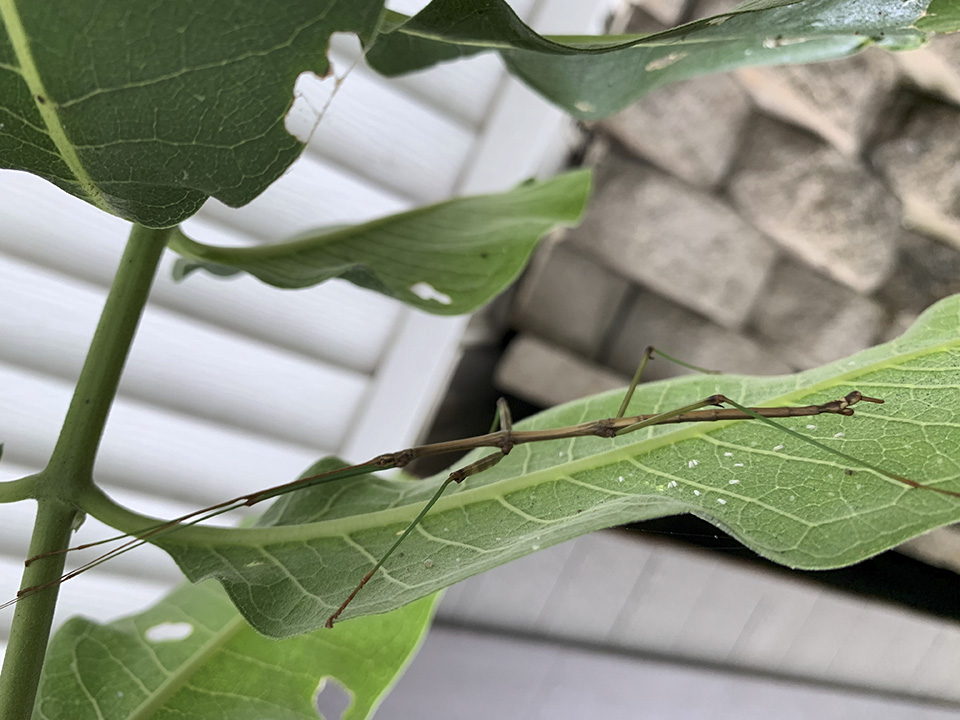
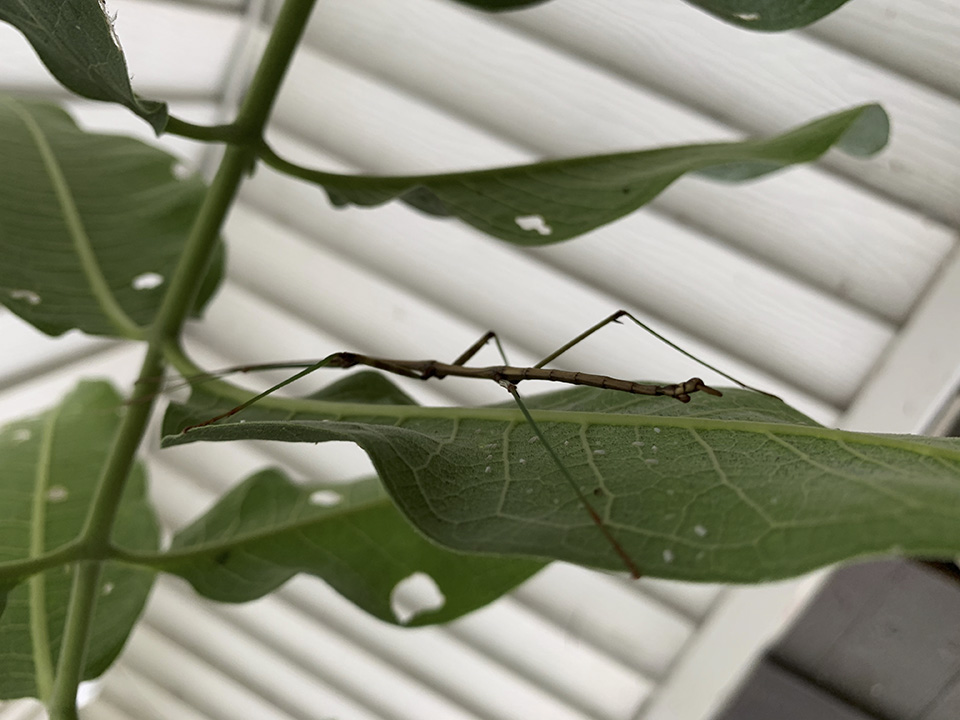
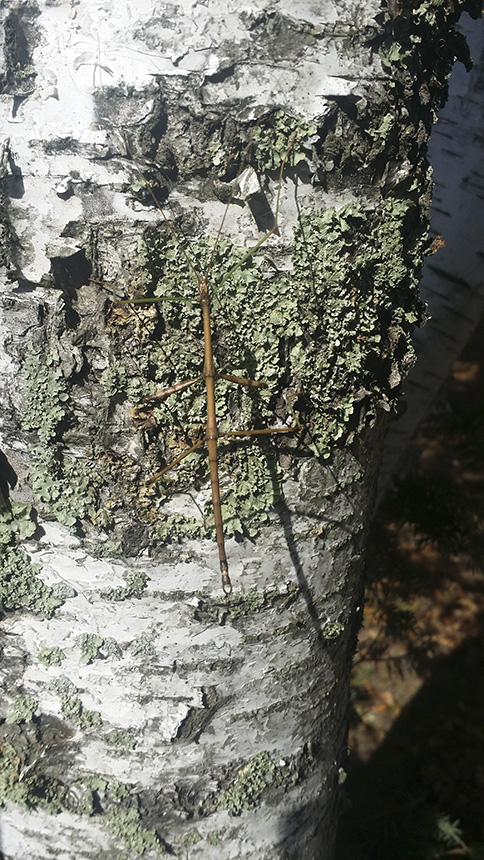
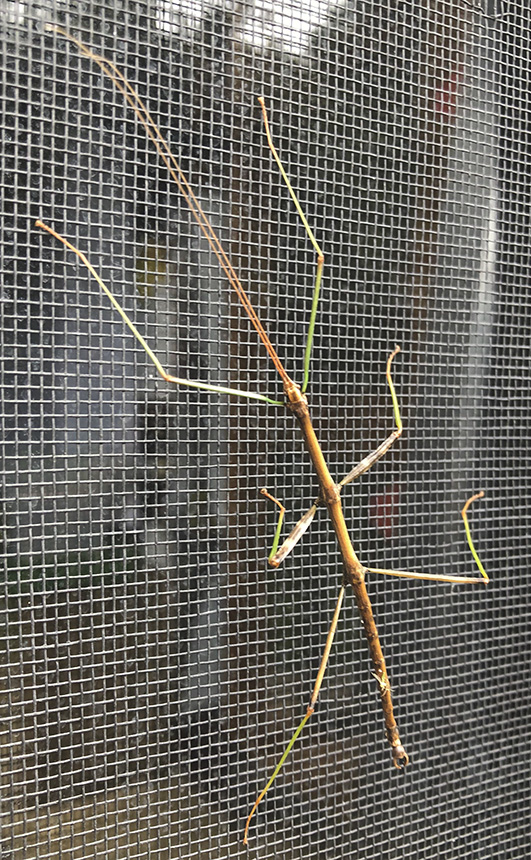
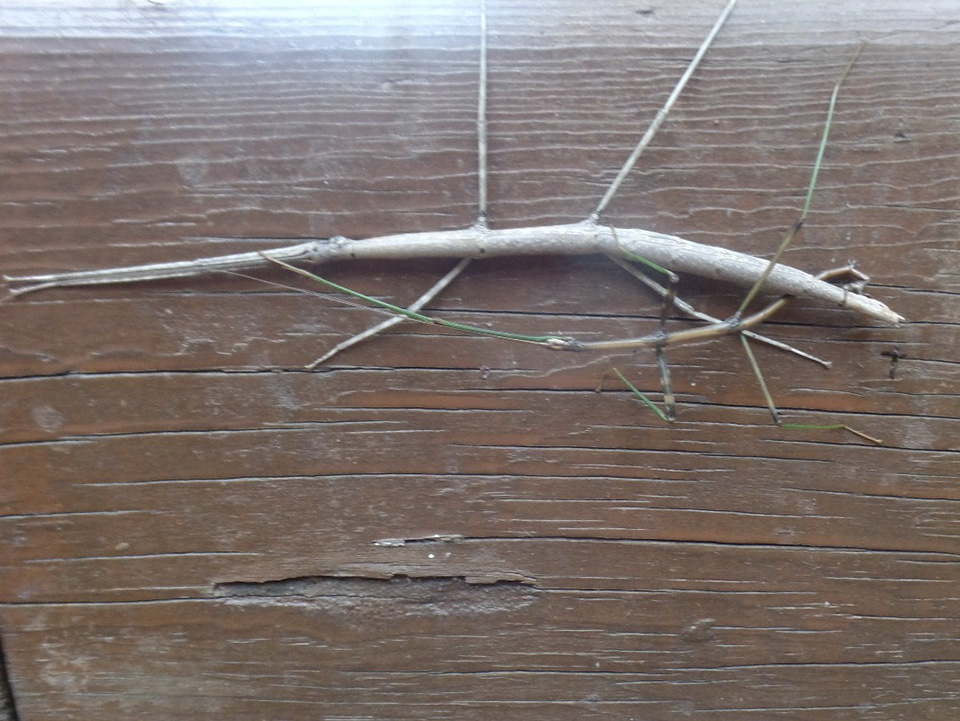
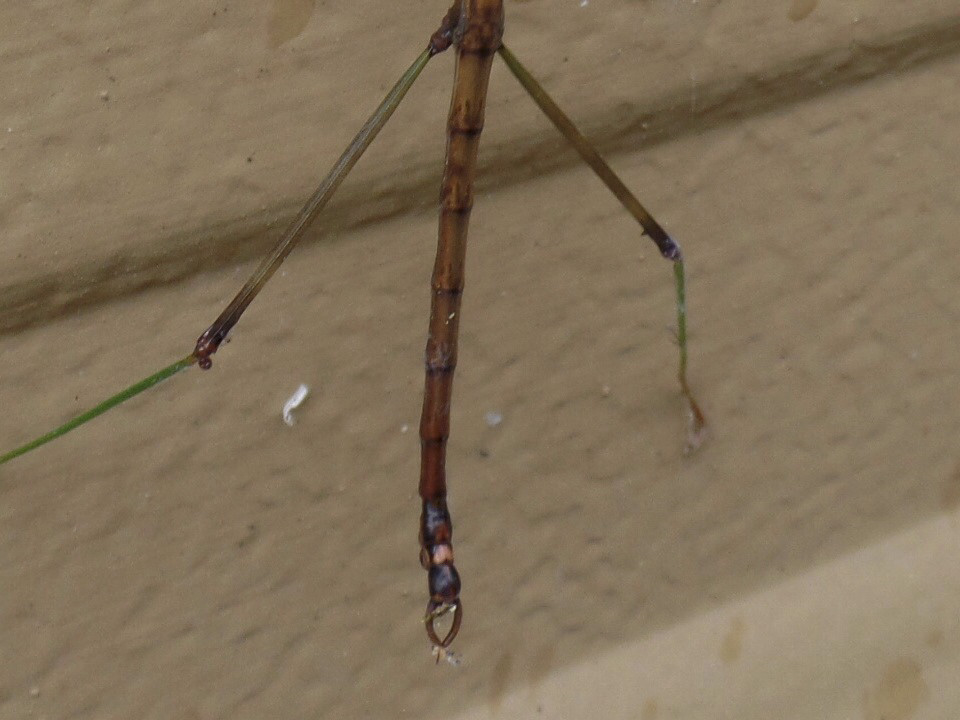
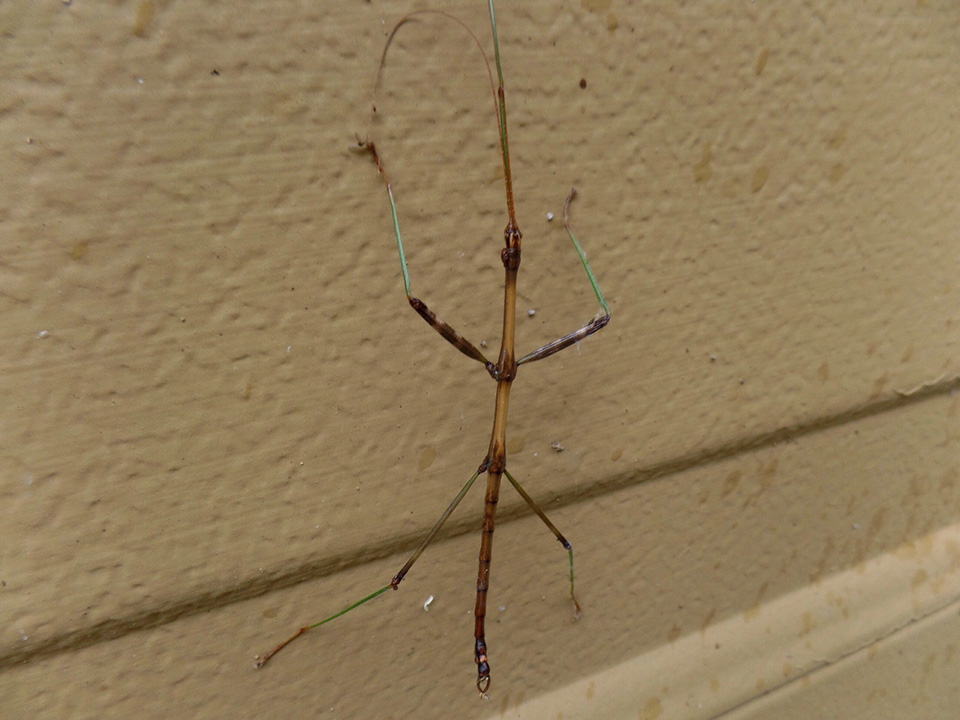
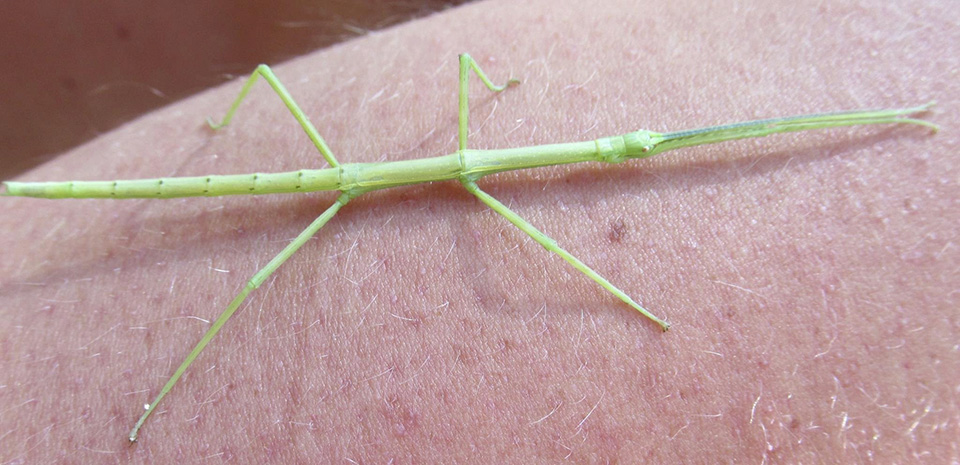
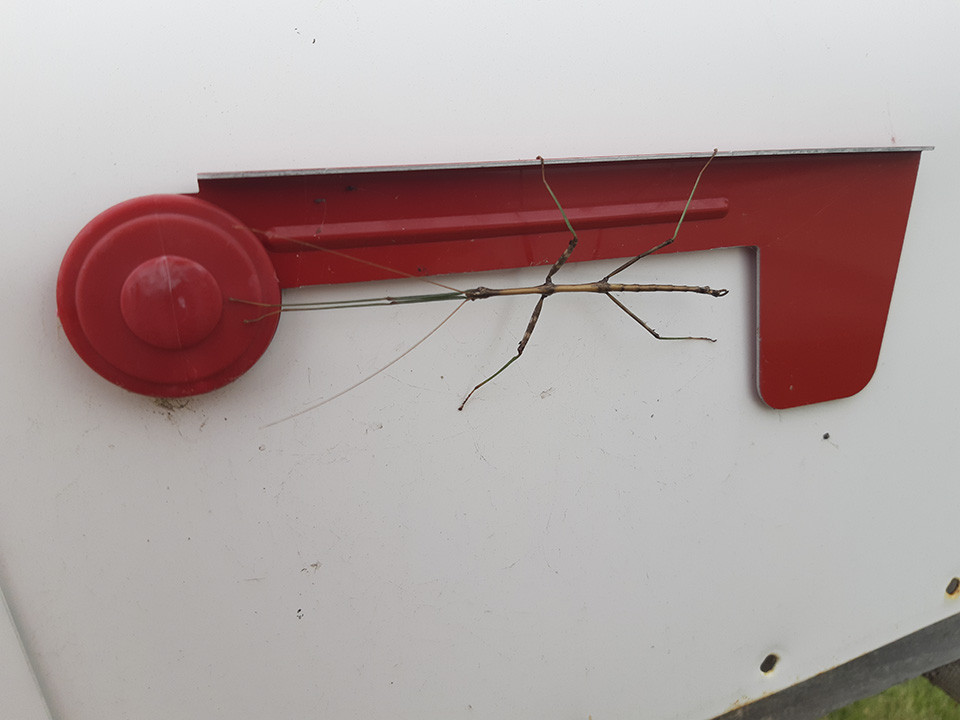
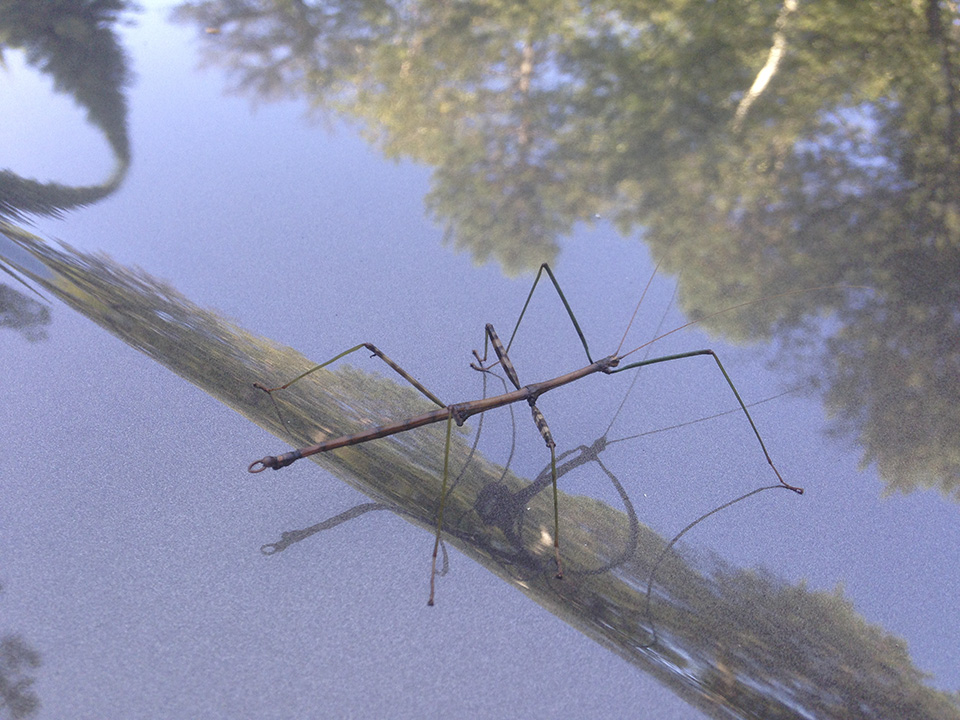
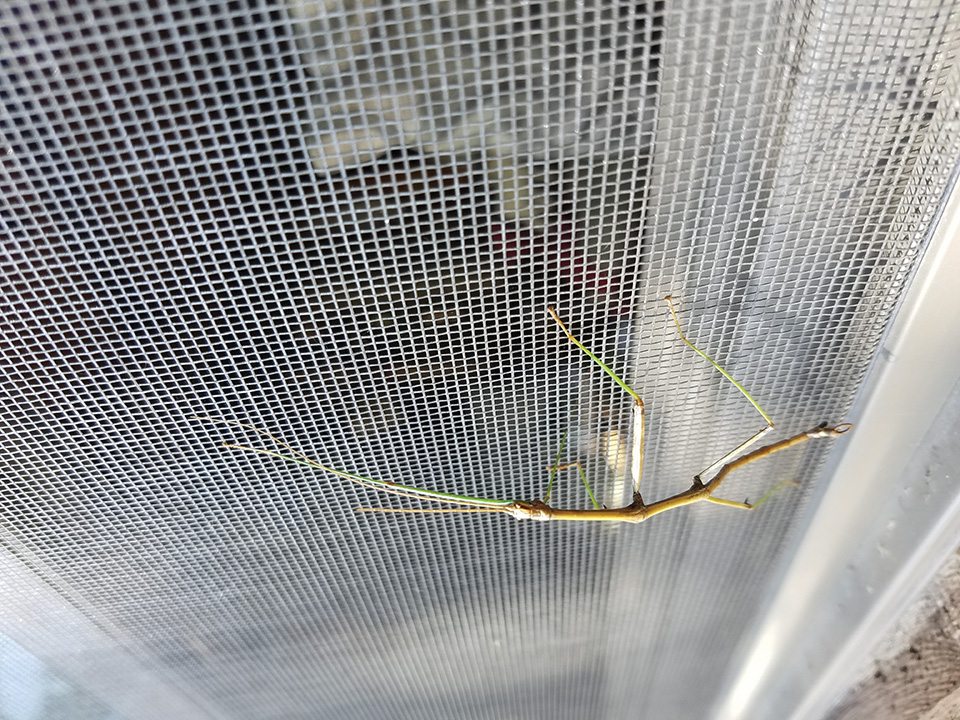
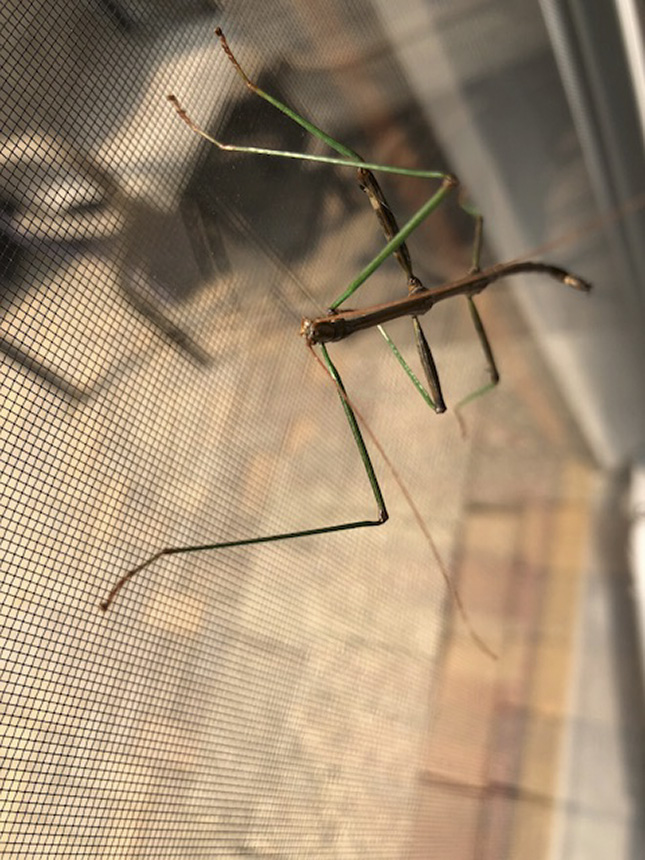
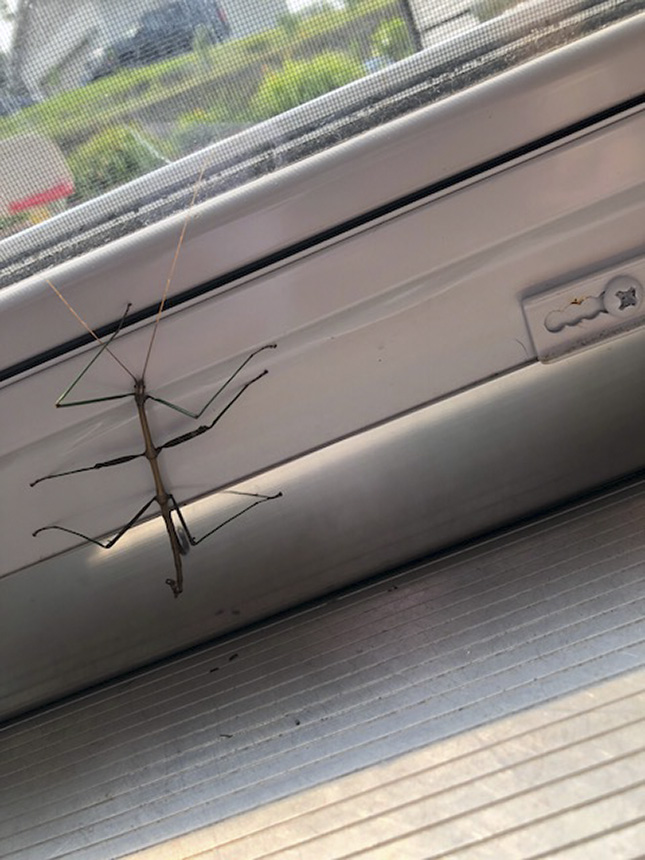
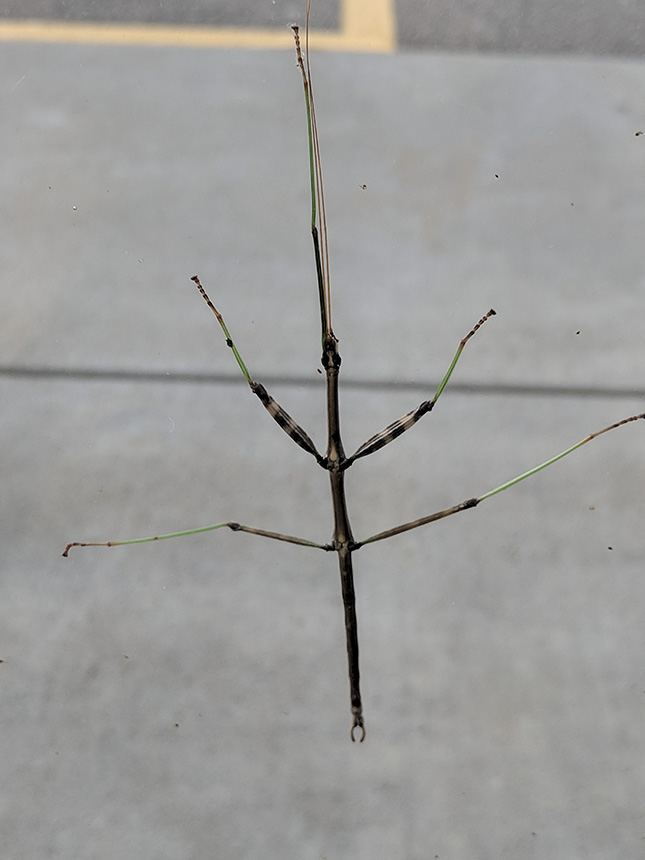
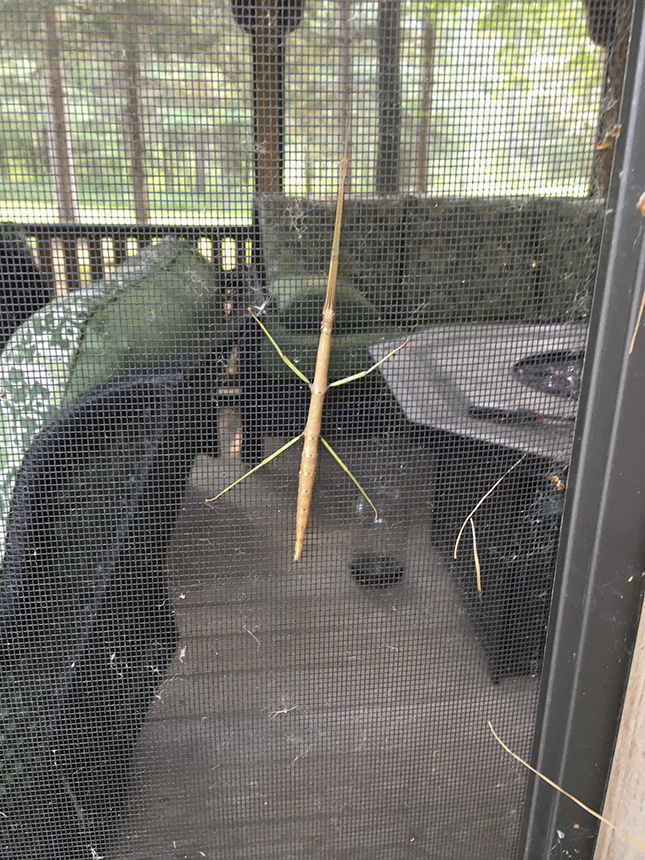
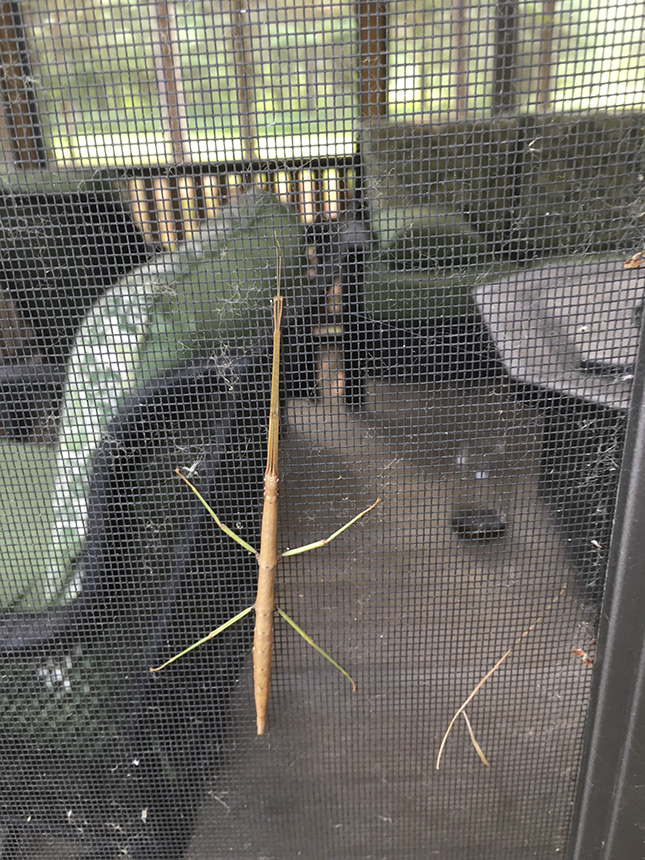
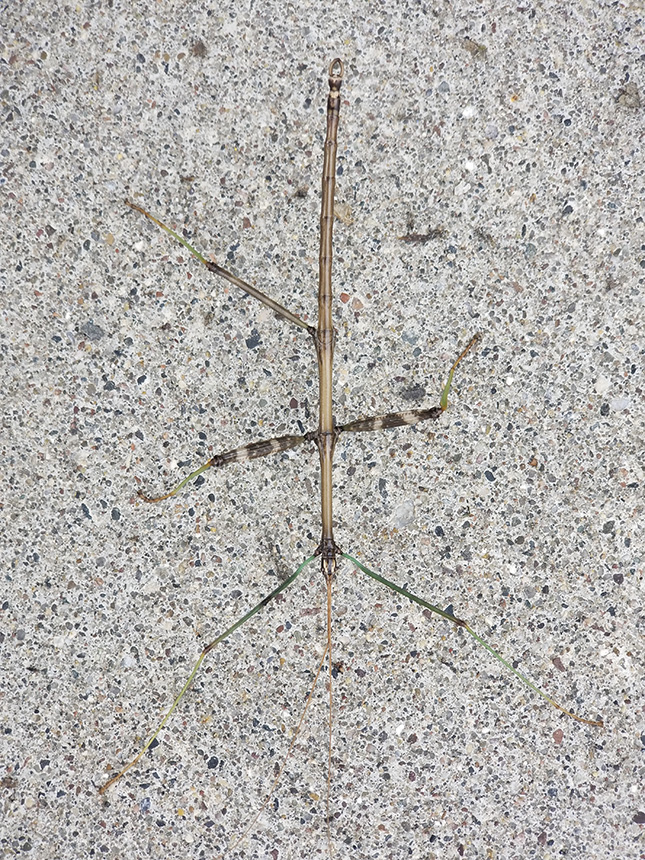
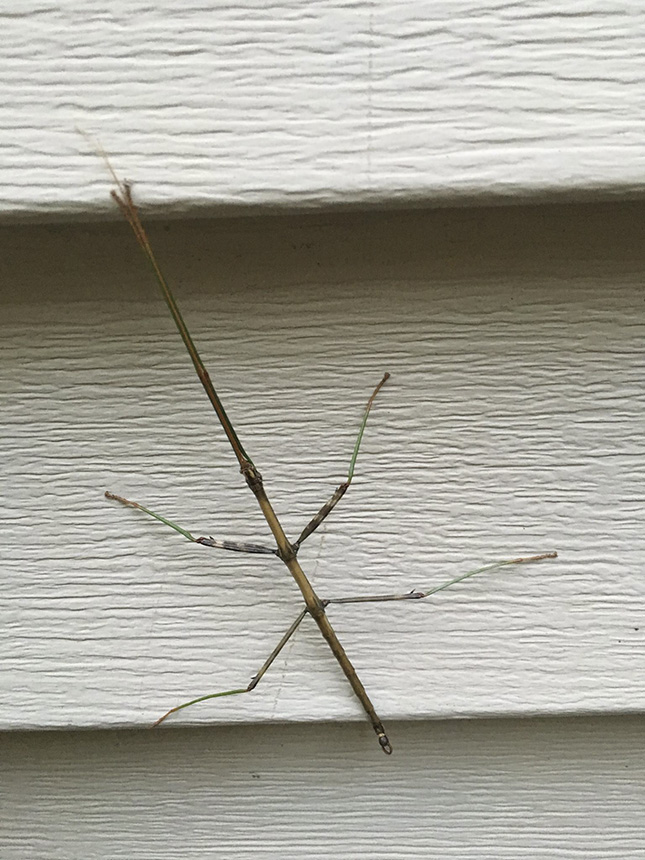
The body is extremely long, thin, and almost cylindrical. The male is about 3″ long, the female about 3¾″ long. The body strongly resembles a leafless twig and provides effective camouflage from predators. The male is brown, the female greenish-brown. The sensory appendages at the tip of the abdomen (cerci) are short and have only one segment. They resemble the sensory organs (palpi) that are part of a spider’s mouthparts. The cerci on the female are short and straight. Those on the male are longer and curved, and serve as claspers. Nymphs are green but otherwise look like miniature adults.
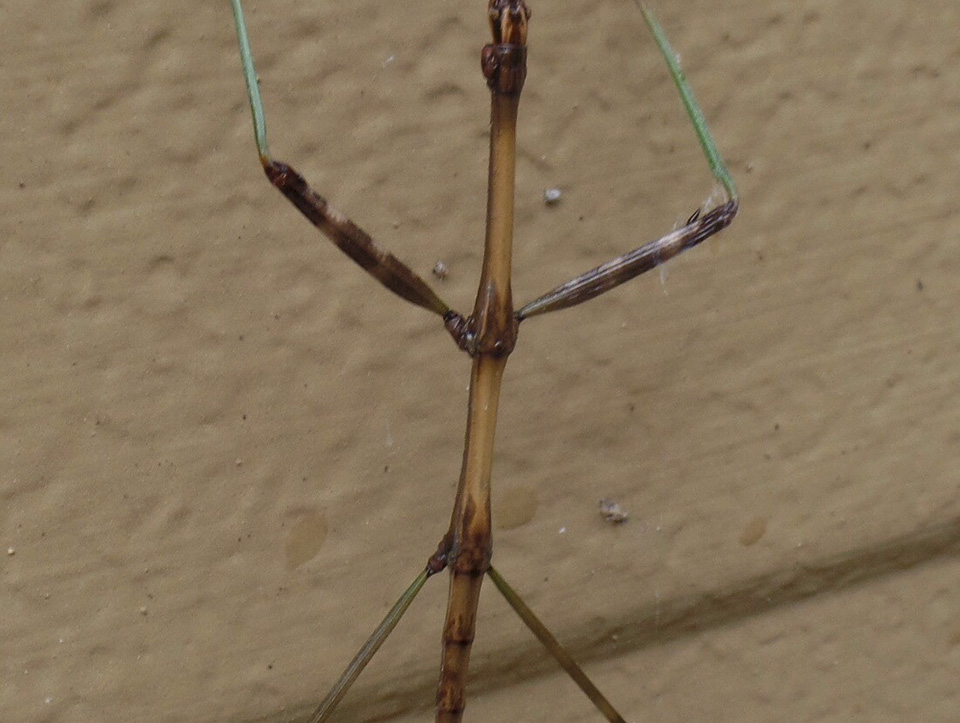
The legs are long and slender. The group of end segments that together correspond to feet (tarsi) have 5 segments. On the male, the large third segment (femur) of the middle leg is dilated and tends to be banded.
There are no wings.
The head is small. The antennae are long, slender, and thread-like. They are ⅔ as long as the body.
Size
Male: 3″
Female: 3¾″
Similar Species
Prairie walkingstick (Diapheromera velii) males usually have a pale stripe on each side. The femur is never banded or dilated. The cerci on the female are much longer. It is found in weedy, open areas.
Habitat
Deciduous forests and woodlands
Ecology
Season
May through September
Behavior
They feed at night. During the day they remain motionless, clinging to a twig or branch, and often swaying with the wind.
When at rest, the front legs are extended forward like the antennae.
When threatened, they will drop to the ground or remain motionless, often for a long period.
Life Cycle
In Minnesota, the northern walkingstick population fluctuates on a two-year cycle. The odd numbered years are the “boom” years, the even numbered years the “bust” years. Mating takes place during the day from late August to mid-September. The female drops eggs to the ground one at a time. During heavy infestations, female egg-dropping can sound like falling rain. The eggs overwinter in the leaf litter. In the south, they hatch the following spring. In Minnesota, they remain on the ground until the second following spring. After almost two years, they hatch between mid-June late July. During the night, the nymph crawls up the first vertical object it encounters. If that is a stem of a shrub or tree, it begins feeding. Otherwise, it returns to the ground and seeks another vertical object.
Nymph Food
Leaves of low-growing plants, including hazel, rose, serviceberry, blueberry, and strawberry.
Adult Food
Leaves of hardwood trees, especially black oak, red oak, beaked hazel, American basswood, American elm, black locust, and black cherry. Avoids maple and boxelder.
Distribution
Sources
Biodiversity occurrence data published by: Minnesota Biodiversity Atlas (accessed through the Minnesota Biodiversity Atlas Portal, bellatlas.umn.edu. Accessed 9/12/2024).
Diapheromera femorata (Say, 1824) in GBIF Secretariat (2023). GBIF Backbone Taxonomy. Checklist dataset https://doi.org/10.15468/39omei accessed via GBIF.org. Accessed 9/12/2024.
Occurrence
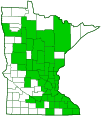
Common and widespread in eastern North America
Taxonomy
Order
Phasmida (Stick Insects)
Suborder
Verophasmatodea
Infraorder
Anareolatae
Family
Diapheromeridae (Common Walking Stick Insects)
Subfamily
Diapheromerinae
Tribe
Diapheromerini
Genus
Diapheromera
Subgenus
Diapheromera
Subordinate Taxa
Synonyms
Bacunculus laevissimus
Diapheromera femoratum
Diapheromera sayi
Spectrum betulla
Spectrum femoratum
Common Names
common American walkingstick
common walkingstick
northern walkingstick