


American Toad

(Anaxyrus americanus)

American Toad
Photo by Wayne Rasmussen

Conservation Status

IUCN Red List

LC - Least Concern

NatureServe

N5 - Secure
S5 - Secure

Minnesota

not listed

Description

American Toad is the most common toad in Minnesota. It can be 2 to 4, averaging 3, at maturity.

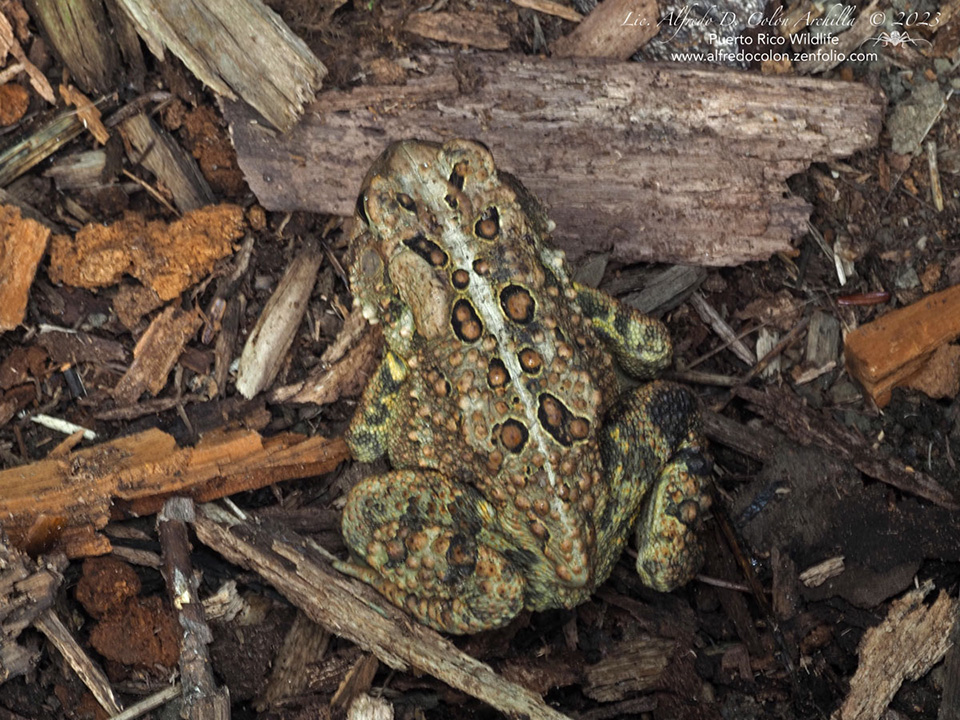
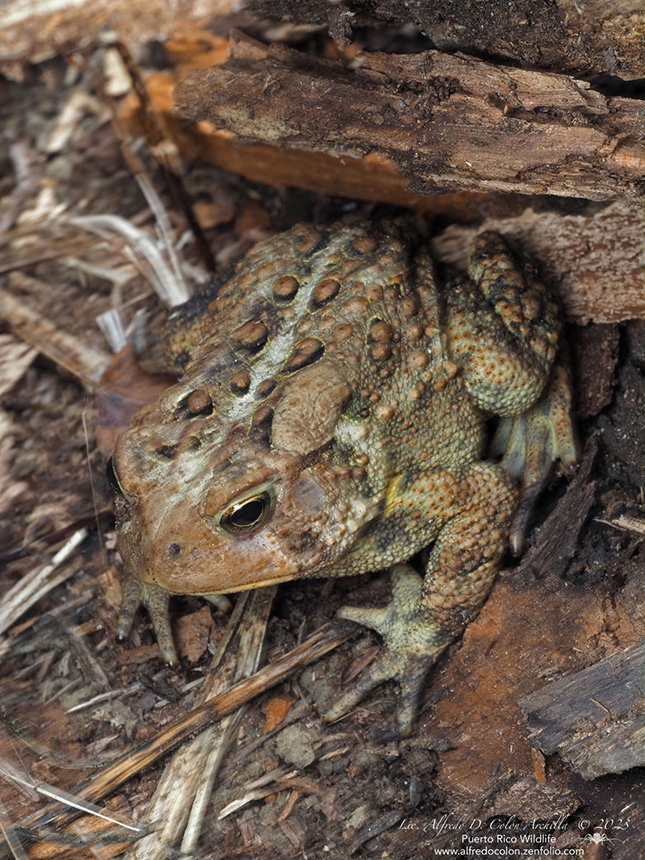
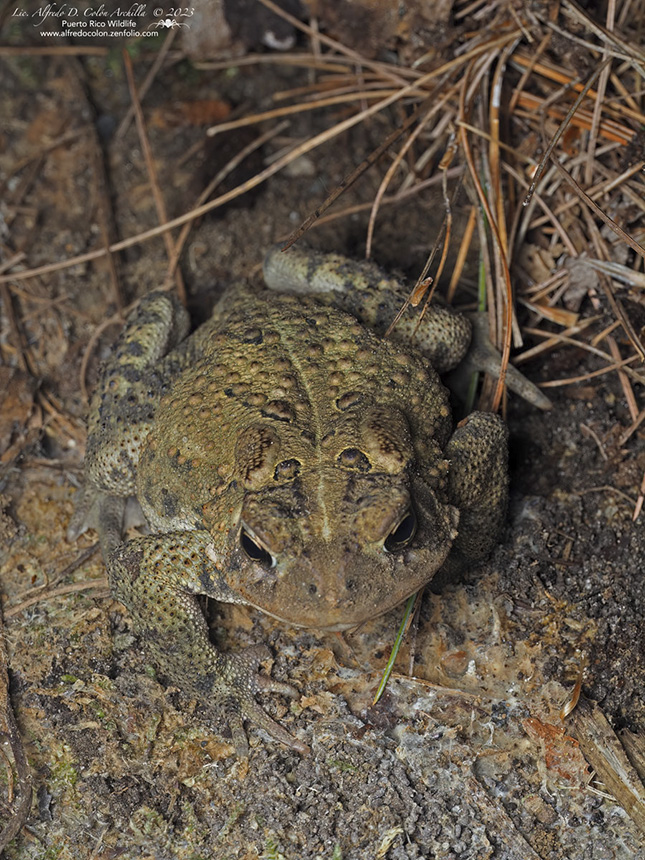
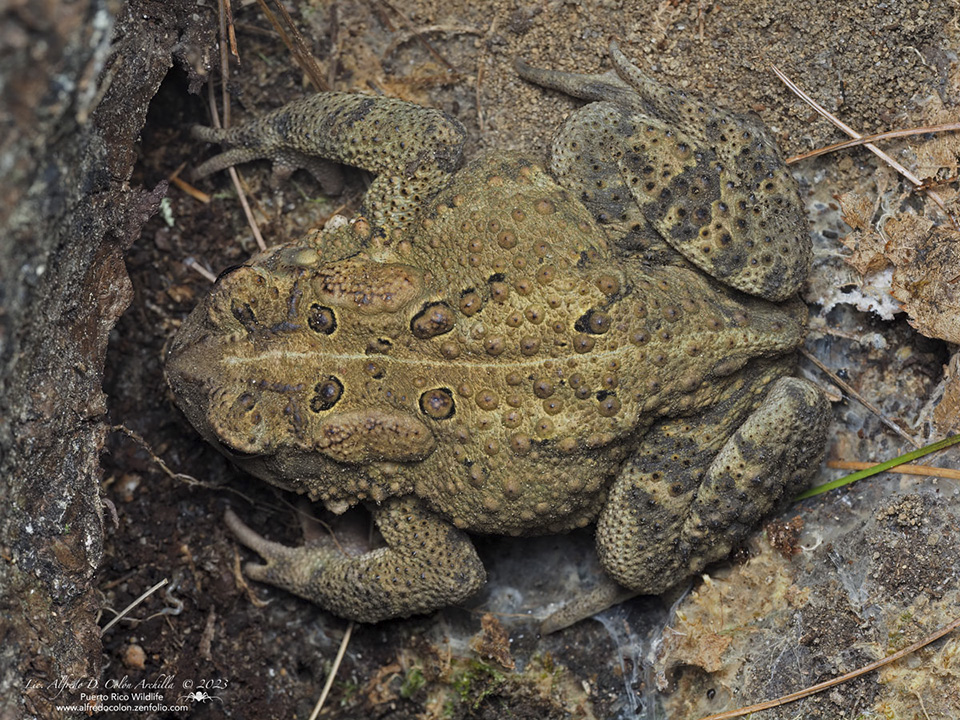
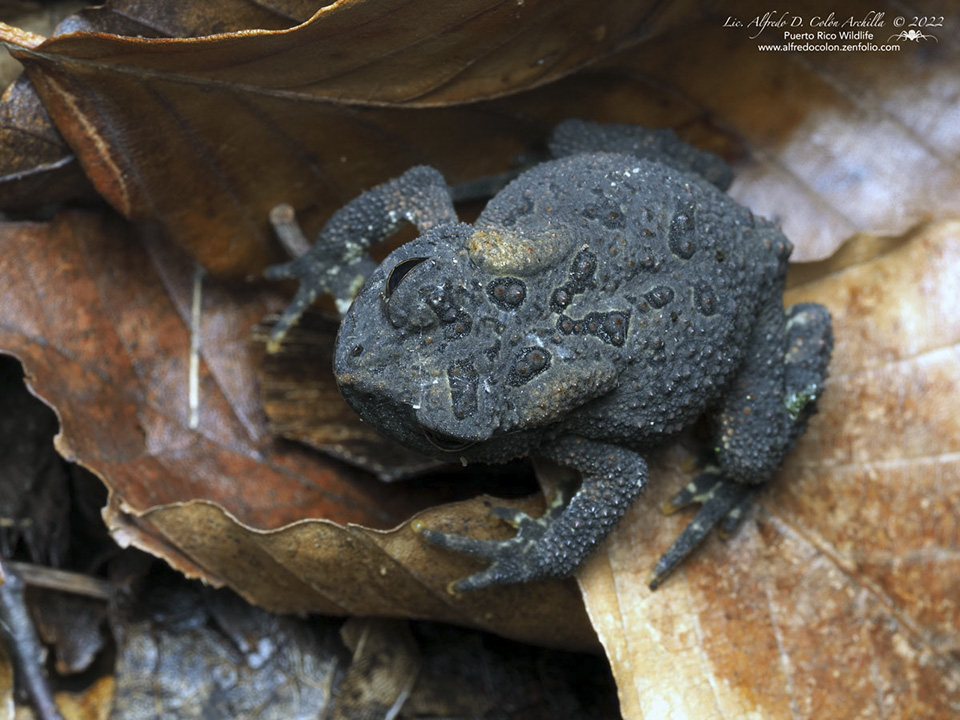
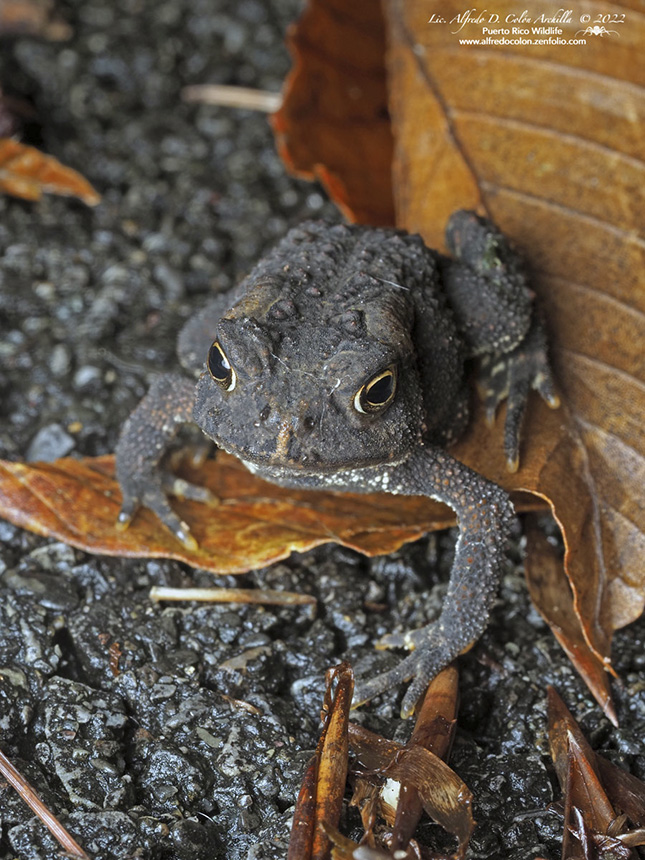
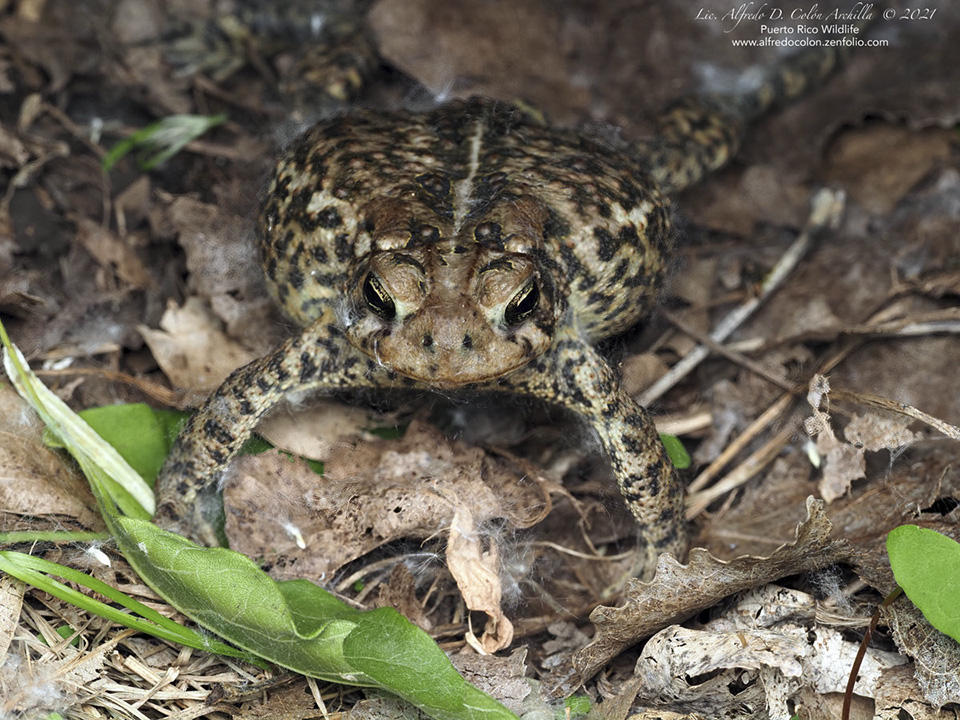
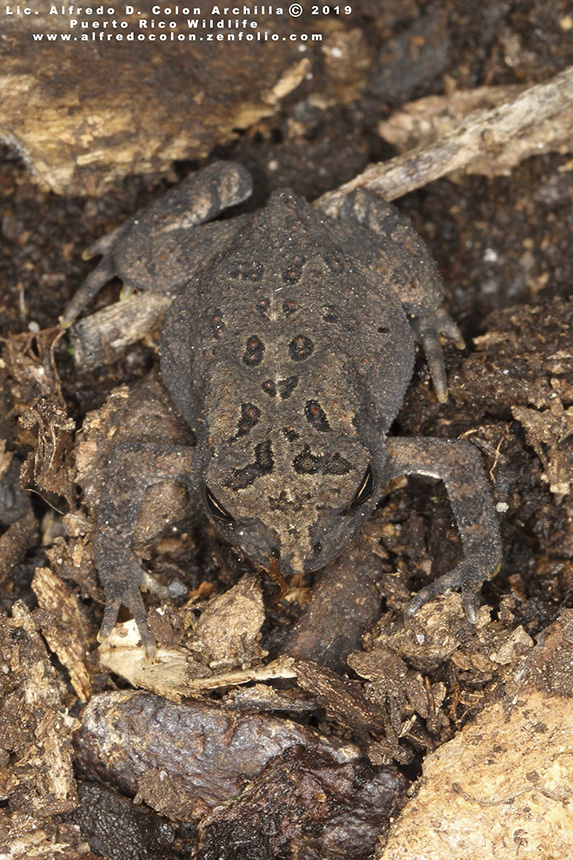
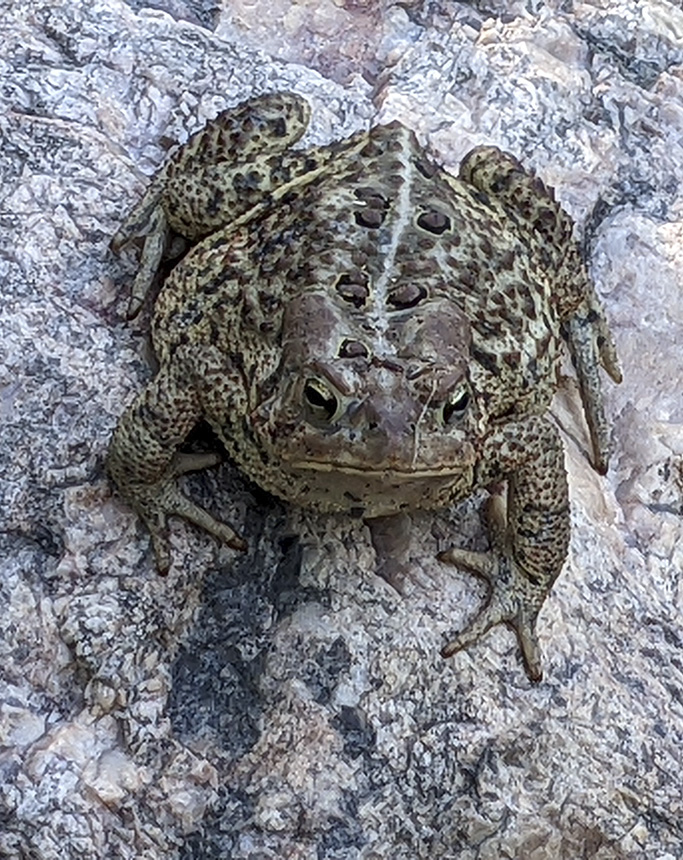
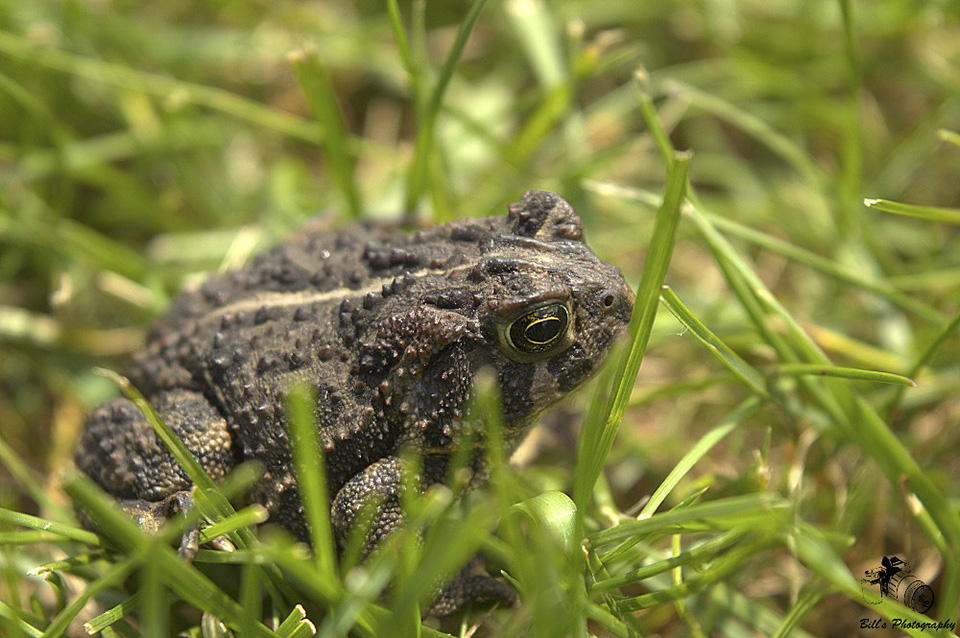
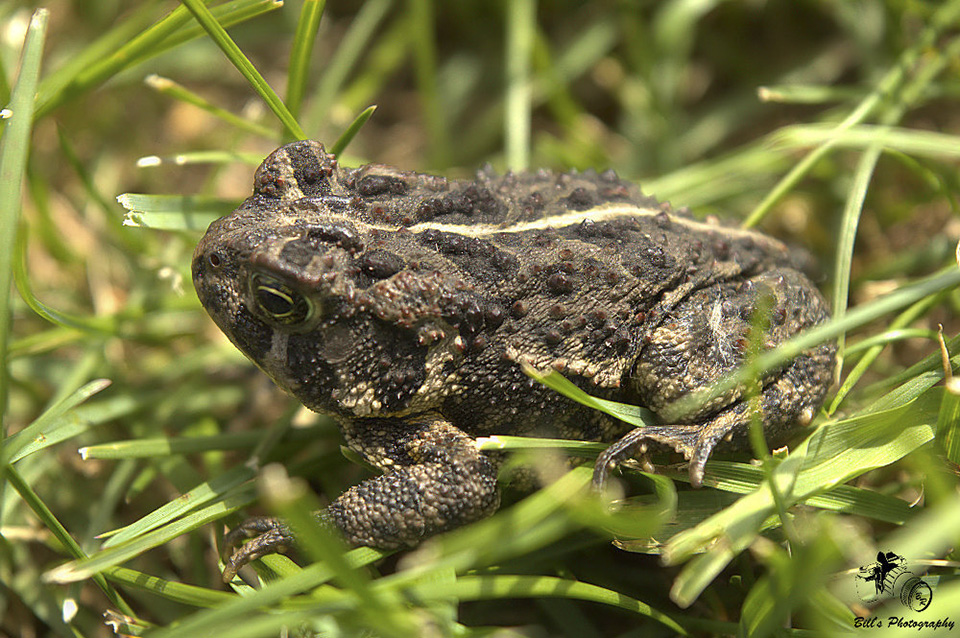
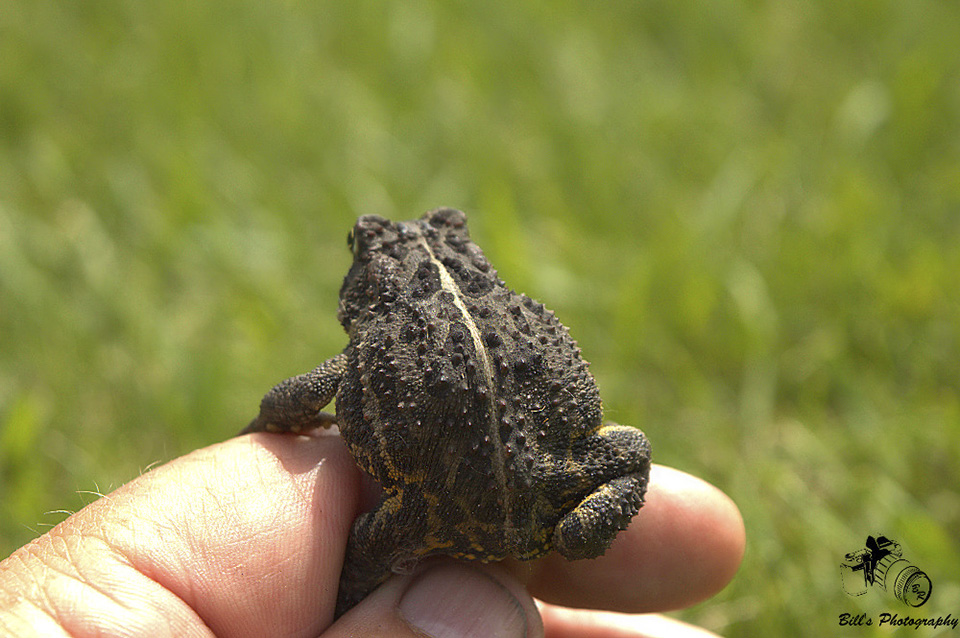
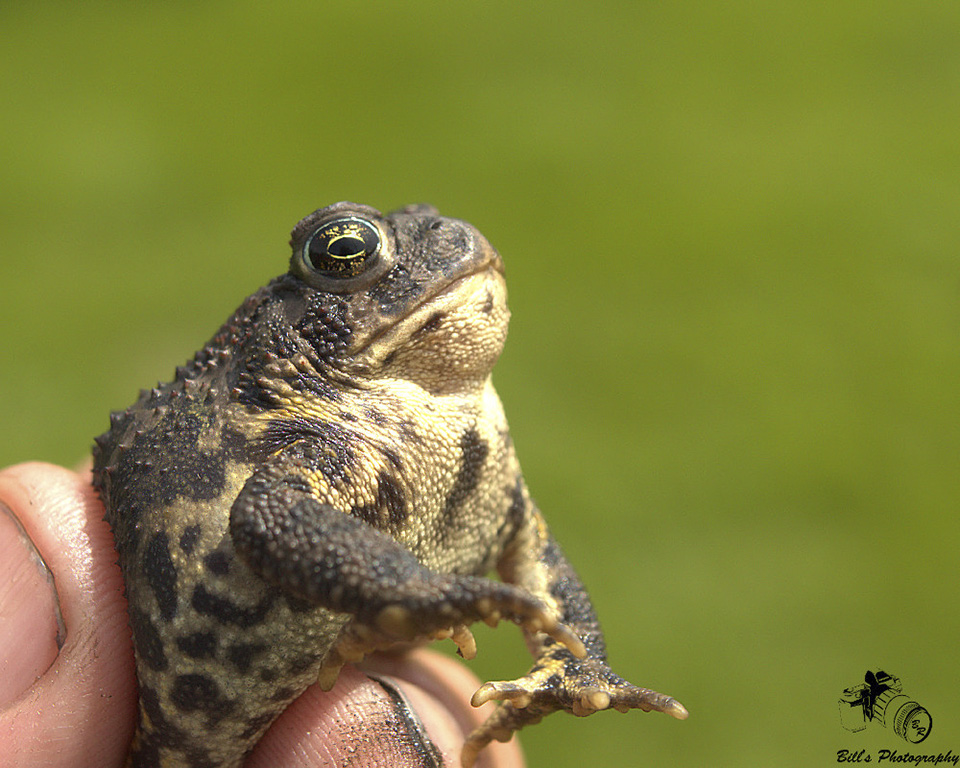
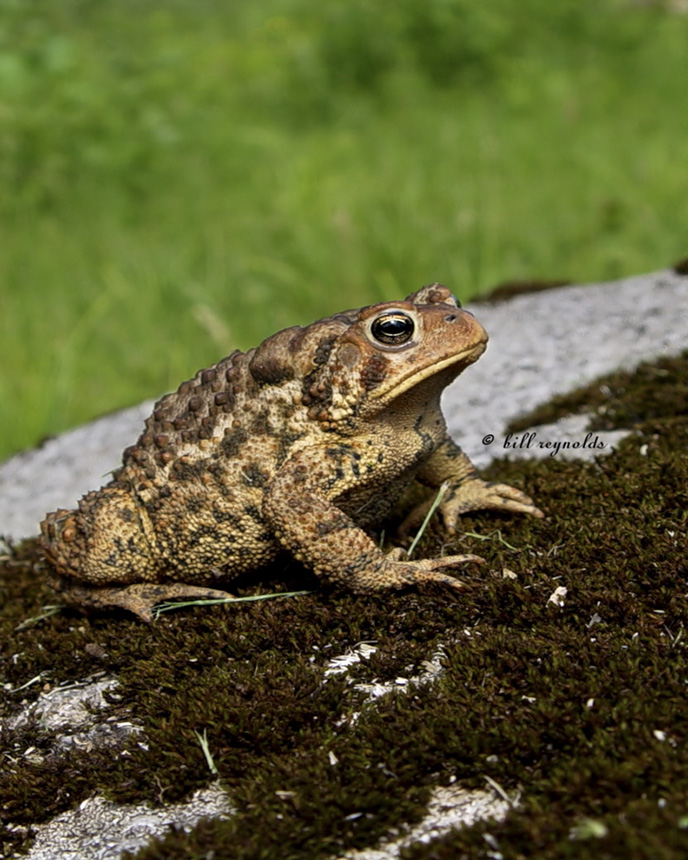
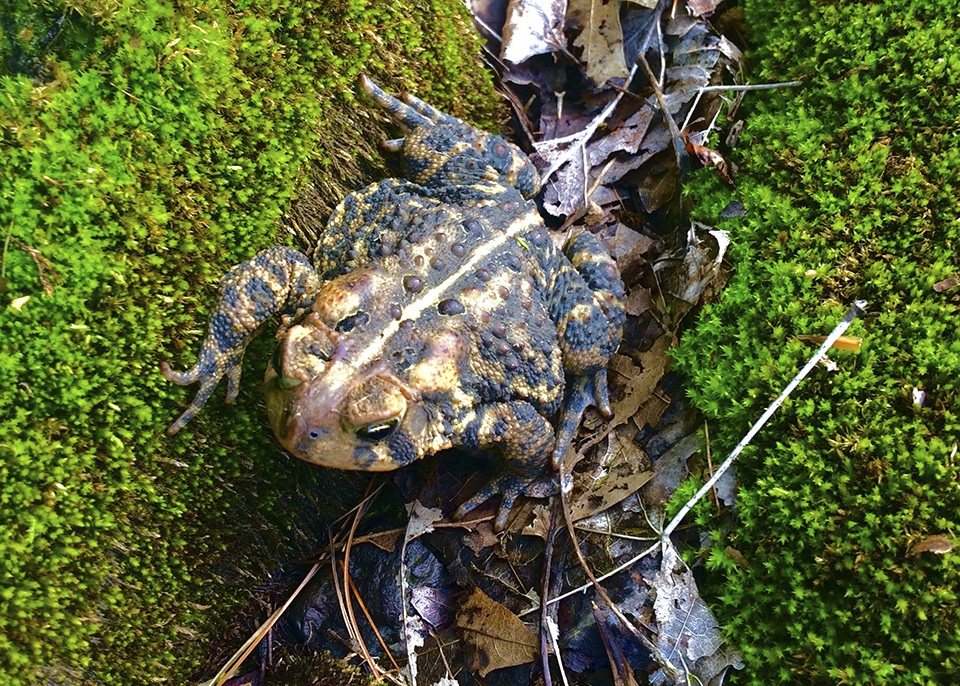
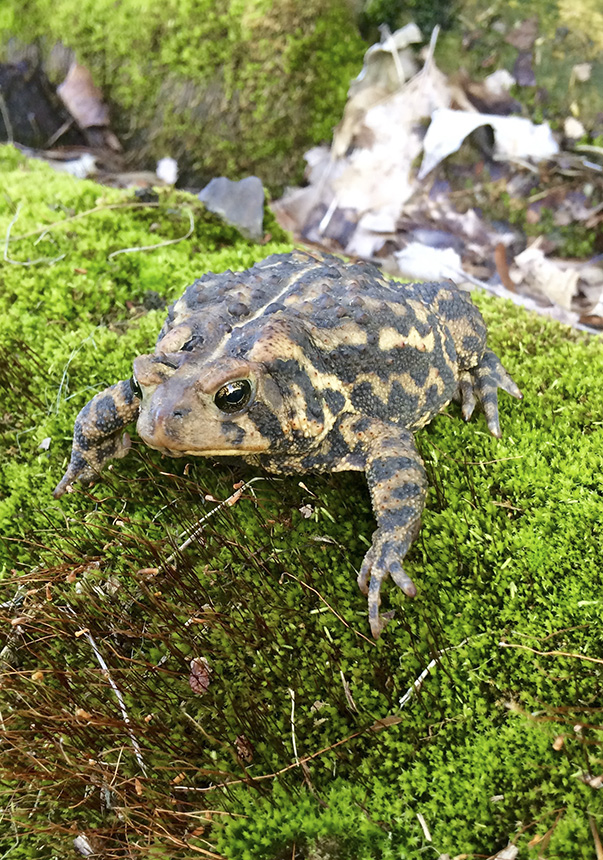
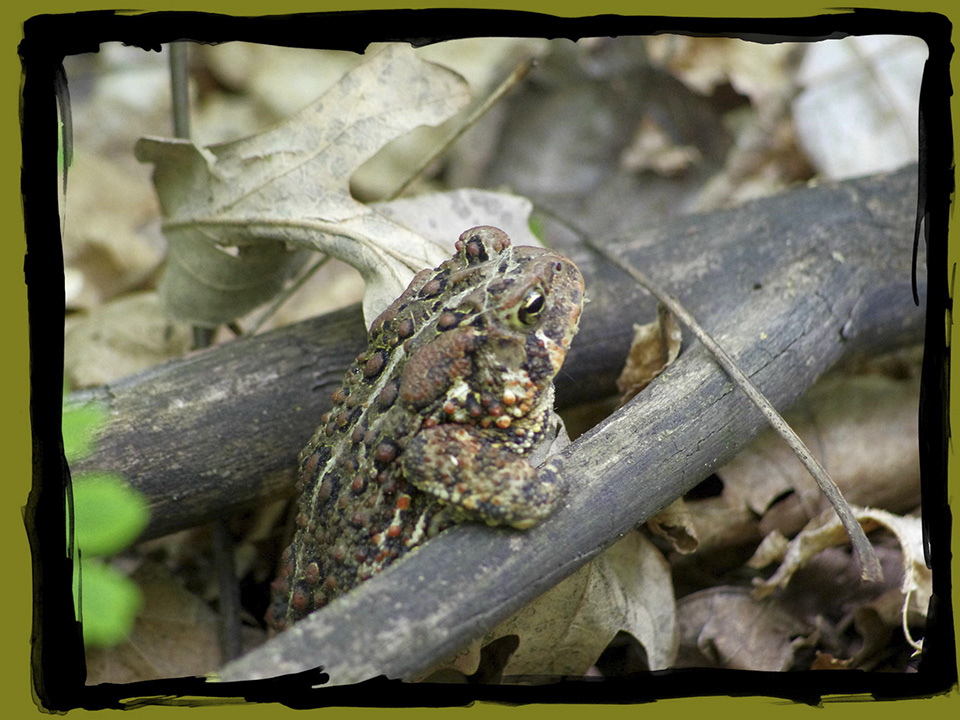
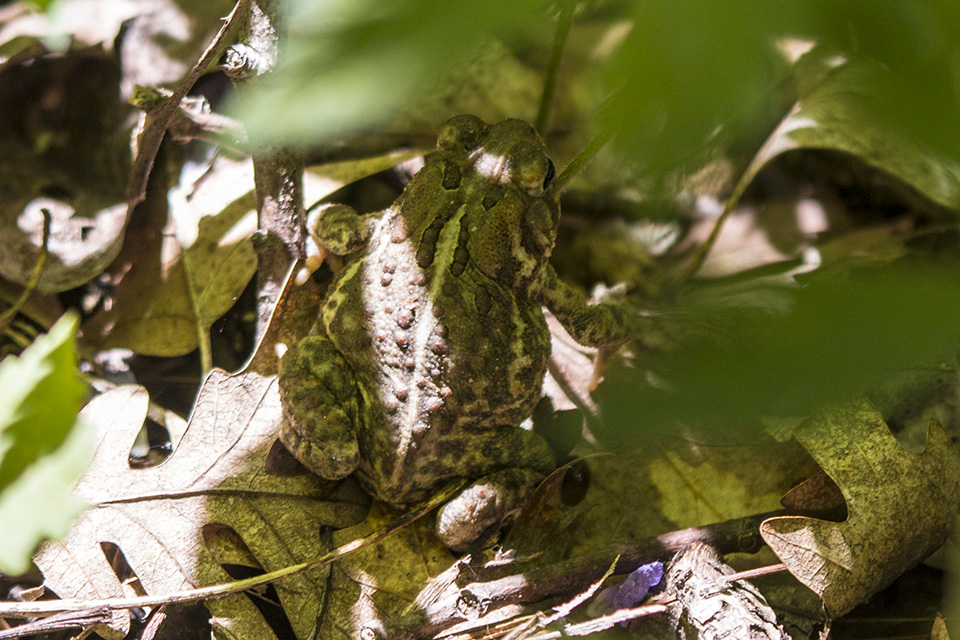
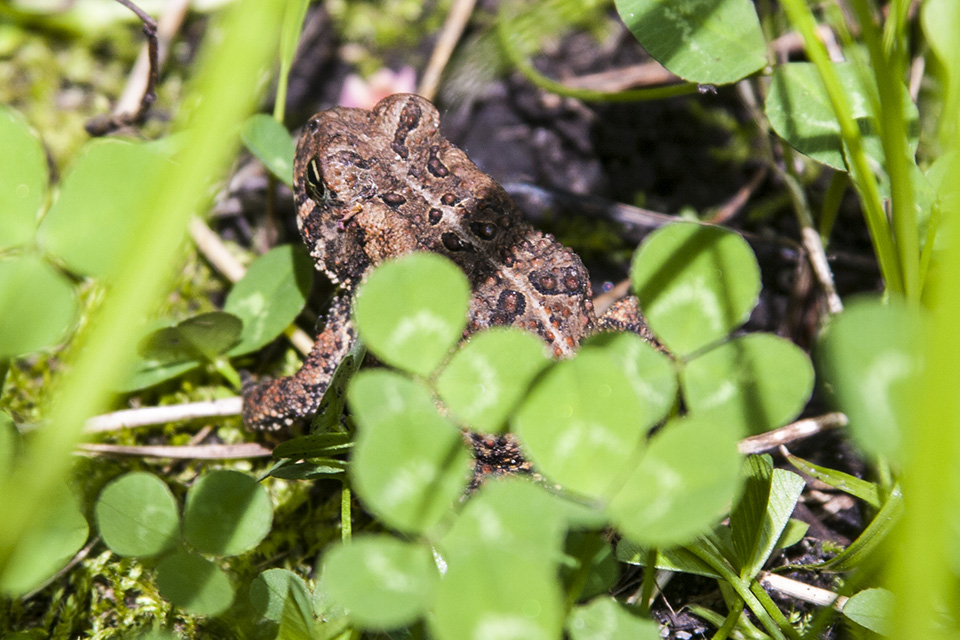
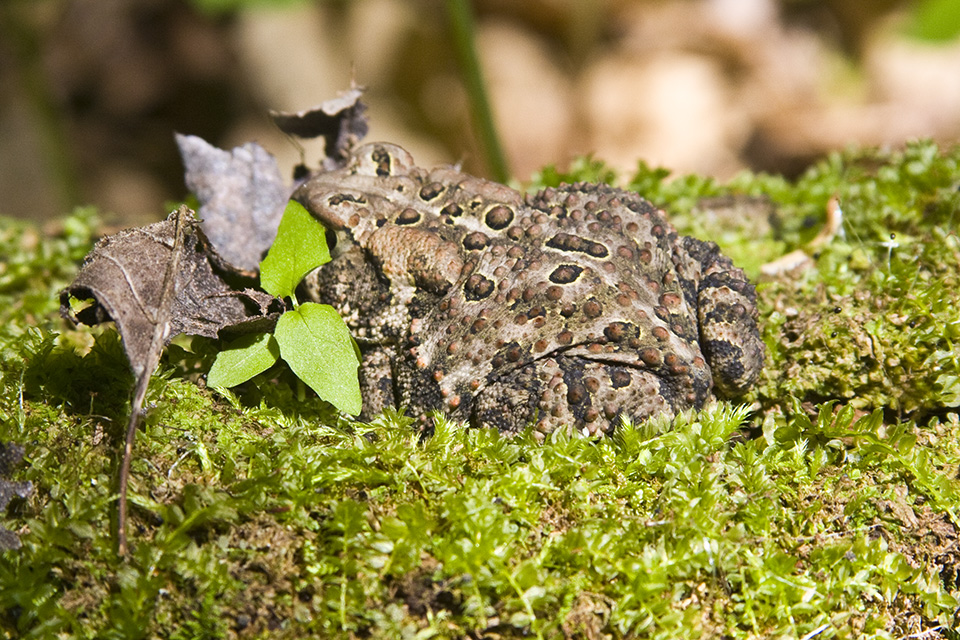
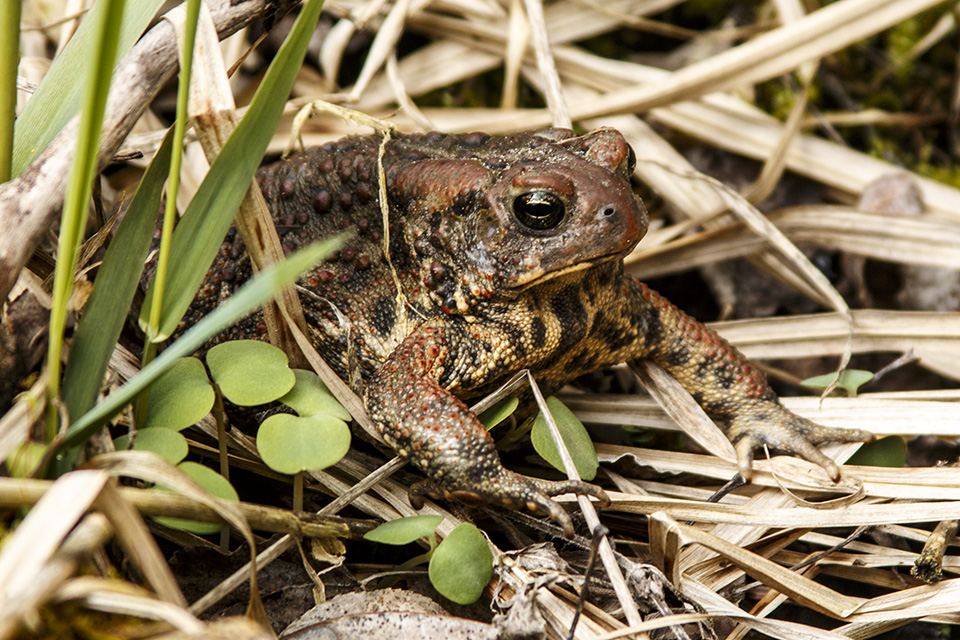
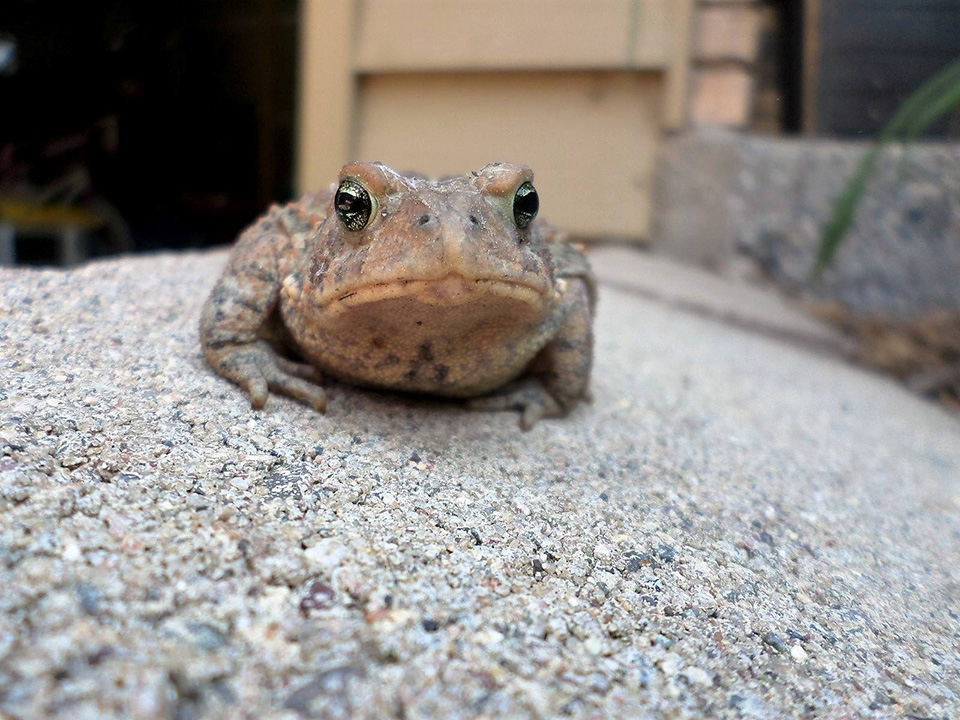
The background color is usually brown, rarely greenish, red, or gray. There are 3 or 4 pairs of brown to black spots, sometimes bordered in white, on the back. There is often a pale line down the center of the back. Each spot contains 1 or 2 large warts. There are 2 cranial ridges between the eyes. These ridges do not join at the front or back. There are 2 large swellings behind the eyes. These are the paratoid glands, which secrete a toxin to discourage predators. The belly is pale with dark spots. The throat of the male is dark.

Size

Total length: 2 to 4

Voice

Amphibian Research and Monitoring Initiative (ARMI), Midwest Region

Frog and Toad Calls

The call of the male is a high-pitched trill lasting 10 to 30 seconds. The pitch remains constant throughout the call, it does not rise. Other toads may answer with an overlapping call in a the same or a different pitch.

Similar Species

Canadian Toad (Anaxyrus hemiophrys) background color is lighter, white or light brown. The warts on the back may be black, brown, or reddish. The 2 cranial ridges join at the rear to form a prominent bump (boss). In Minnesota it is found only in the west-central and northwest regions.

Habitat

A wide variety of habitats, from forests to prairies, with semi-permanent water adjacent to dense vegetation.

Ecology

Behavior


Lifespan

5 to 8 years

Life Cycle

Eggs are laid in the early May. Larvae hatch in 3 to 12 days. The tadpole stage lasts 40 to 70 days. Toadlets emerge in late June or early July.

Sexual maturity is reached in 2 or 3 years. Most individuals do not survive the tadpole stage. Those that do may reach 10 years of age, but most reach only 5 to 8 years of age in the wild.

Adults hibernate in the coldest winter months and may aestivate during the hot, dry months of summer.

Tadpole Food

Algae, plant tissue, organic debris

Adult Food

Small terrestrial insects and other invertebrates

Distribution
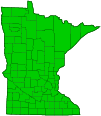
Distribution Map
12/28/2025

Sources

7, 14, 24, 29, 30, 78.

Biodiversity occurrence data published by: Minnesota Biodiversity Atlas (accessed through the Minnesota Biodiversity Atlas Portal, bellatlas.umn.edu. Accessed 12/28/2025).

USGS National Amphibian Atlas. https://armi.usgs.gov/atlas/. Accessed 12/28/2025).

Occurrence

Common and abundant

Taxonomy

Class

Amphibia (Amphibians)

Order

Anura (Frogs)

Family

Bufonidae (True Toads)

Genus

Anaxyrus (North American Toads)

Genus

This species was formerly classified Bufo americanus. In 2006 all North American true toads (family Bufonidae) were transferred out of the genus Bufo by Frost et al., and several new genera, including Anaxyrus, were created.

Subordinate Taxa

dwarf American Toad (Anaxyrus americanus charlesmithi)

eastern American Toad (Anaxyrus americanus americanus)

Synonyms

Anaxyrus charlesmithi

Bufo americanus

Bufo americanus alani

Bufo americanus americanus

Bufo americanus charlesmithi

Bufo americanus copei

Bufo americanus quadripunctatus

Bufo copei

Bufo lentiginosus americanus

Bufo terrestris americanus

Bufo terrestris charlesmithi

Bufo terrestris copei

Chilophryne americana

Incilius americanus

Common Names

American Toad


Glossary

Aestivate

A period of reduced metabolic activity in the summer, similar to hibernation.
 

Visitor Photos

Share your photo of this amphibian.

This button not working for you?
Simply email us at info@MinnesotaSeasons.com.
Attach one or more photos and, if you like, a caption.

Alfredo Colon

American Toad
American Toad
American Toad
American Toad
American Toad
American Toad
American Toad
American Toad

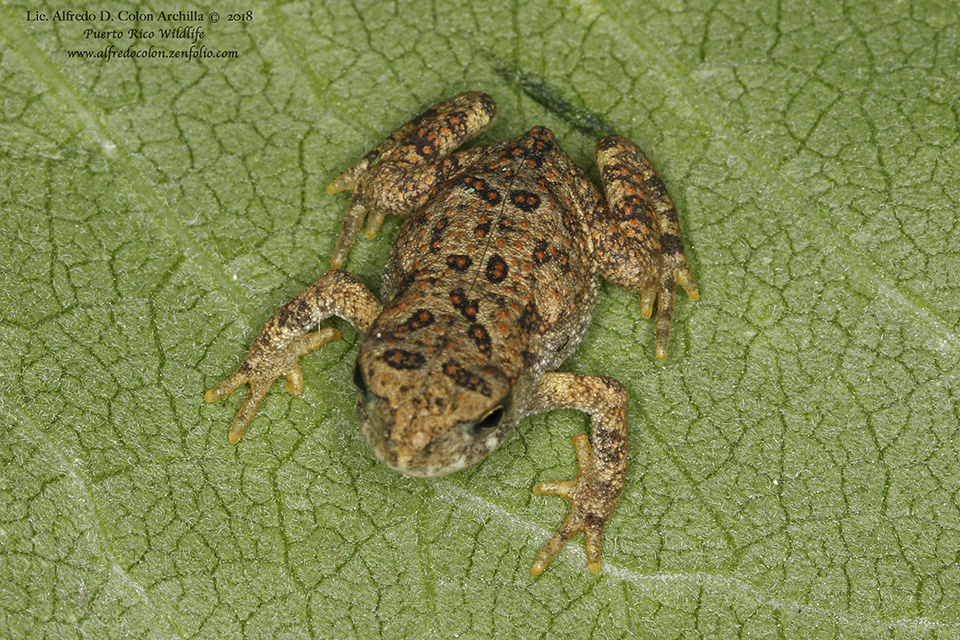
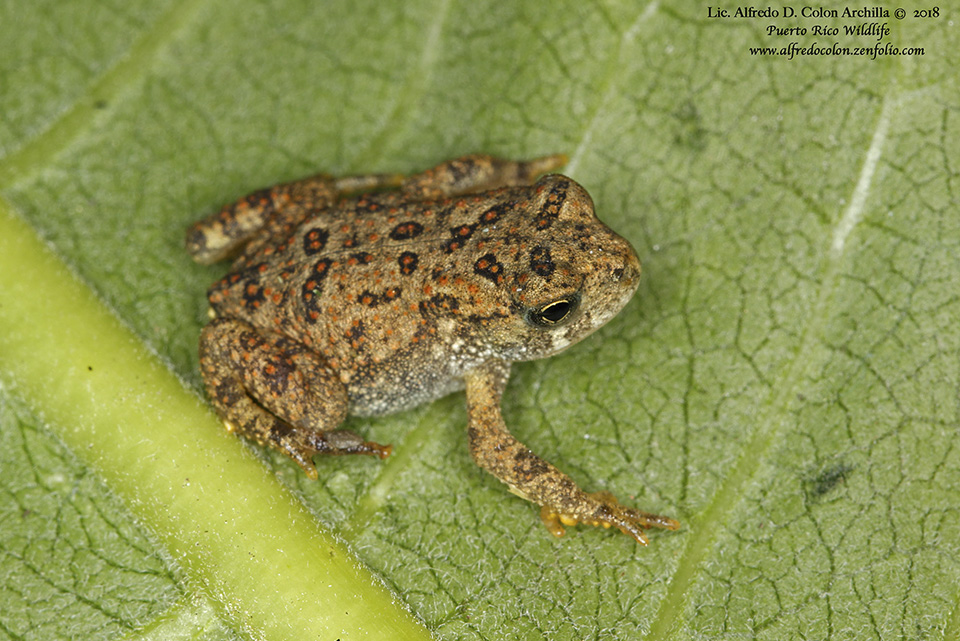
… the size of a quarter They were sunbathing on leaves.

American Toad
American Toad

Jessica Claire

Frog expert?

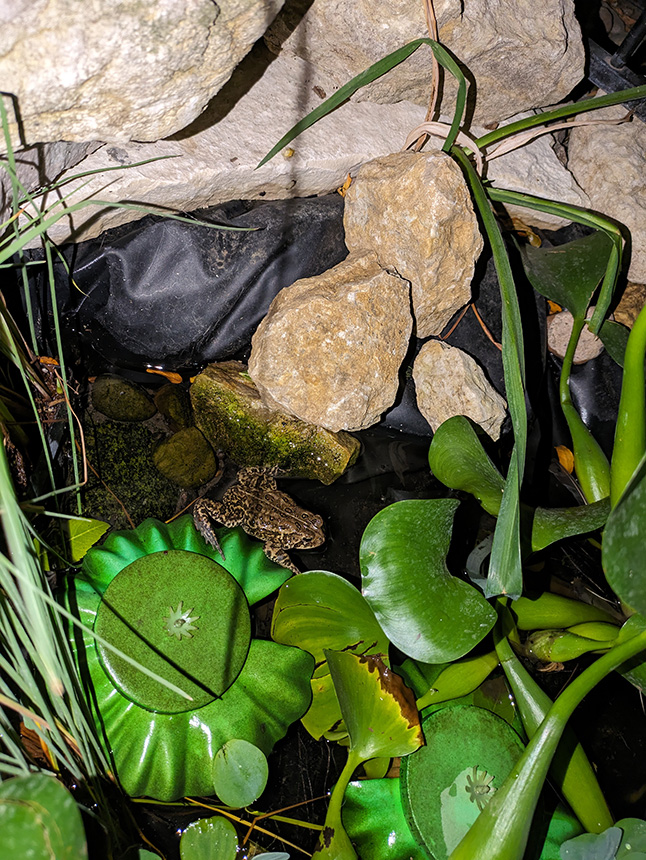
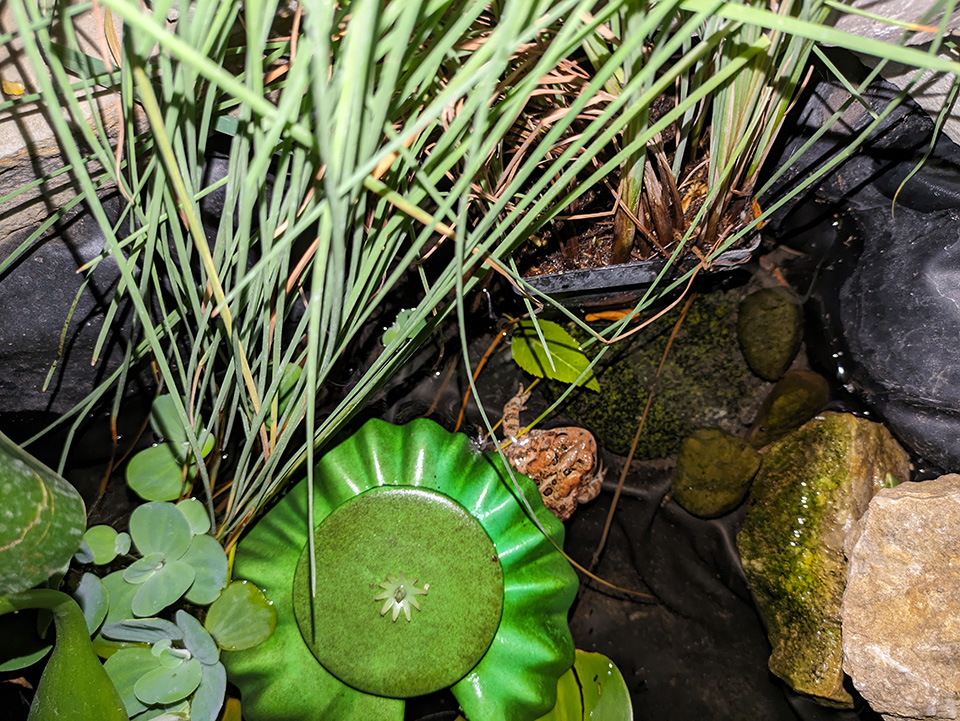
I'm messaging because I've gotten myself into a pickle.

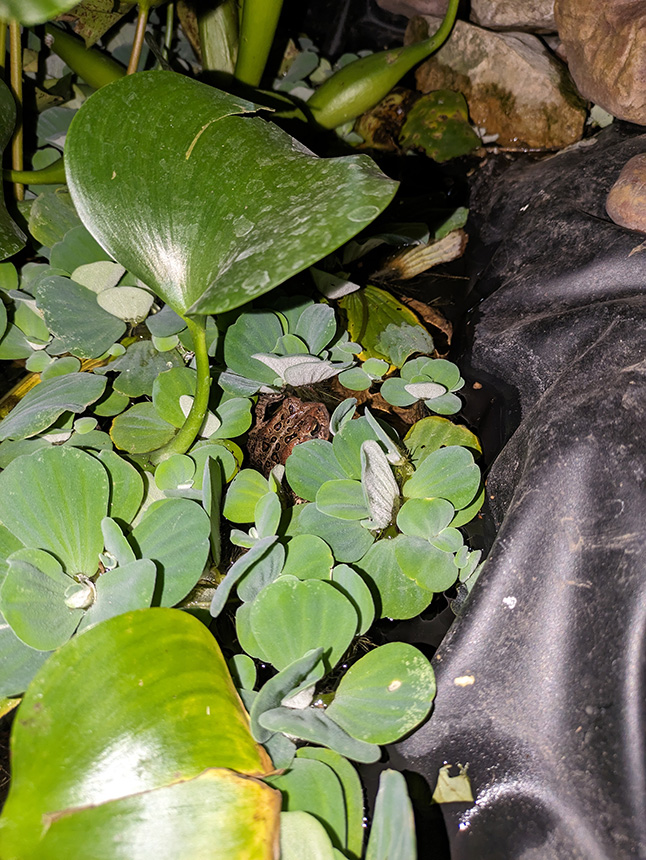
I made a frog pond in the spring, however there are still many tadpoles (and snails) in the water.

I am now aware some overwinter as tadpoles, but the pond is no deeper than 2'.

I do have a sheet liner in the pond, for what that's worth.

I don't want to kill any of the life in the pond, so I'm very open to suggestions!

Thank you very much in advance!

American Toad
American Toad
American Toad

Wayne Rasmussen

American Toad
American Toad found in Nerstrand Big Woods SP a few years ago. Hiking here will usually provide wildlife of some kind or flowers in the spring.
American Toad
This is one of Minnesota's best known herp species. Adults are 2 to 3 1/2 inches snout to vent. The ground color is highly variable, but it is usually a shade of brown. Rarely it is gray, red, or greenish. There are black spots on the back. These spots contain one or two warts. These black spots often have a white border. They have an oval partoid gland behind each eye. The belly is white or yellowish and is heavily mottled with black. There is usually a light mid dorsal stripe down the back.

Minnesota Seasons Photos

American Toad
American Toad
American Toad
American Toad
American Toad
Camera

Slideshows

slideshow

Visitor Videos

Share your video of this amphibian.

This button not working for you?
Simply email us at info@MinnesotaSeasons.com.
Attach a video, a YouTube link, or a cloud storage link.

Dan W. Andree

720p "Color Variations in the American Toad" filmed by Dan W. Andree 2015

Published on Nov 11, 2015

About

Published on Nov 11, 2015

This brief video shows two color variations of the American Toad. One little toad was cranky. Though it may look like I'm teasing it I was trying to cheer it up. As you will see it didn't work and I left the little toad alone.

Hopefully its following day was better.

Other Videos

Eastern American Toad (Anaxyrus americanus)

WisCBMnetwork

About

Published on Apr 30, 2012

WI Frog and Toad Survey: http://wiatri.net/inventory/FrogToadSurvey/

WDNR Eastern American Toad profile: http://dnr.wi.gov/org/land/er/biodiversity/index.asp?mode=info&Grp=21&SpecCode=AAABB01020

Eastern American Toad Tadpole Die Off

Scott Tucker

About

Uploaded on Jan 25, 2012

In this 2 minute scene from Expedition New England's episode #86 Scott Tucker and his family stumble upon a die off of thousands of Eastern American Toad tadpoles in a Vermont river bed . This was a very unexpected breeding area since these amphibians are usually found in vernal pools that are isolated from fish habitat. Was this a sign of climate change where our aquatic environments are drying up too quickly or was it just a typical seasonal fluctuation? Either way the fact remains that thousands of these creatures never metamorphosed into toads and their gene pool is gone.

American Toad calling

HerpNet

About

Uploaded on Mar 20, 2009

American Toad calling

American Toads calling 2

HerpNet

About

Uploaded on Dec 19, 2009

American Toad calling from a flooded stream.

Camcorder

Visitor Sightings

Report a sighting of this amphibian.

This button not working for you?
Simply email us at info@MinnesotaSeasons.com.
Be sure to include a location.

Alfredo Colon

8/21/2022

American Toad

Location: Albany, NY

Alfredo Colon

8/21/2022

American Toad

Location: Albany, NY

Alfredo Colon

8/18/2022

American Toad

Location: Albany, NY

John Beltman

6/17/2022

American Toad

Location: Pokegama Dam, Itasca County

"Big Bufo"

Alfredo Colon

6/2/2021

American Toad

Location: Woodbury, MN

Alfredo Colon

August 2019

American Toad

Location: Slinger, Wisconsin

Alfredo Colon

7/2/2018

American Toad

Location: Woodbury, MN

… the size of a quarter They were sunbathing on leaves.

Bill Reynolds

June 2018

American Toad

Location: Pennington Co MN

Brian Blom

8/24/2017

American Toad

Location: Crow Wing County, Deerwood

Wayne Rasmussen

5/31/2016

American Toad

Location: Nerstrand Big Woods State Park

This is one of Minnesota's best known herp species. Adults are 2 to 3 1/2 inches snout to vent. The ground color is highly variable, but it is usually a shade of brown. Rarely it is gray, red, or greenish. There are black spots on the back. These spots contain one or two warts. These black spots often have a white border. They have an oval partoid gland behind each eye. The belly is white or yellowish and is heavily mottled with black. There is usually a light mid dorsal stripe down the back.

Wayne Rasmussen

5/31/2006

American Toad

Location: Nerstrand Big Woods State Park

American Toad found in Nerstrand Big Woods SP a few years ago. Hiking here will usually provide wildlife of some kind or flowers in the spring.

Minnesota Seasons Sightings

Binoculars