



Fort Ridgely State Park
About • Location • Activities • Ecology
About |
Ownership |
|
Links |
Overview |
|
History |
|
Management |
|
Comments |
|

Location |
||||||||||||||||||||||||||||||
Size |
||||||||||||||||||||||||||||||
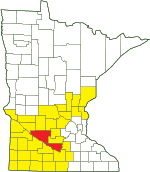
1,044 acres statutory, 477 owned |
||||||||||||||||||||||||||||||
Driving Directions |
||||||||||||||||||||||||||||||
|
||||||||||||||||||||||||||||||
Parking |
||||||||||||||||||||||||||||||
72158 County Road 30 N44 26.877, W94 43.602 |
||||||||||||||||||||||||||||||
Hours |
||||||||||||||||||||||||||||||
Daily from 8 a.m. until 10 p.m. |
||||||||||||||||||||||||||||||
Fees |
||||||||||||||||||||||||||||||
Daily park permit: $7 Annual park permit: $35 |
||||||||||||||||||||||||||||||
Maps |
||||||||||||||||||||||||||||||


Activities |
||||||||||||||
Hiking Biking Mountain biking Horseback riding Picnicking Camping Backpacking Rock climbing and bouldering Swimming Boating Canoeing Birding Nature photography Geocaching Cross country skiing Skate-skiing Winter hiking Snowshoeing Snowmobiling |
||||||||||||||
Trails |
||||||||||||||
|
||||||||||||||
Hunting and Fishing |
||||||||||||||
No hunting. The park may hold one or more managed hunts in the fall. In most cases, Minnesota residents do not need a permit to fish in Minnesota State Parks. |
Ecology |
|||||
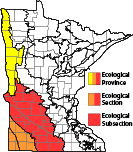
Ecological Classification |
 |
||||
| Ecological Province |  |
Prairie Parkland Province |
|||
| Ecological Section |  |
North Central Glaciated Plains |
|||
| Ecological Subsection |  |
Minnesota River Prairie |
|||
| Land Type Association | Gibbon Till Plain Milan Alluvial Plain |
||||
Native Plant Communities* |
|||||
Dry Hill Prairie (Southern) |
|||||
| * Source: The Minnesota Biological Survey, Minnesota Department of Natural Resources, Division of Ecological Resources | |||||
Natural Features |
|||||
|
|||||
Visitor Photos |
||
Share your photo of this destination. |
||
This button not working for you? |
||
Kirk Nelson |
||
 |
 |
|
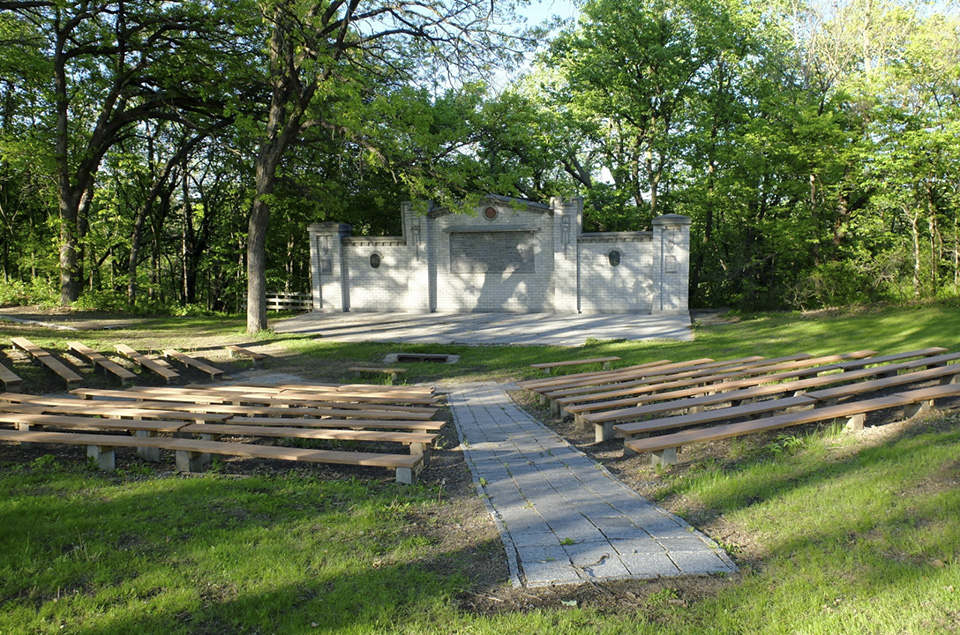
Amphitheater |
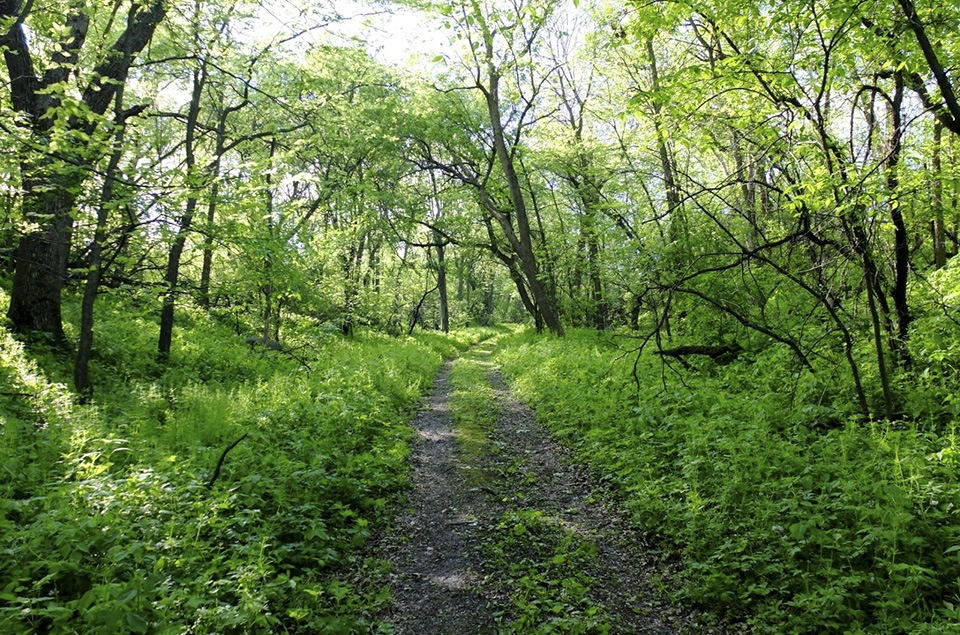
Fort Trail | |
 |
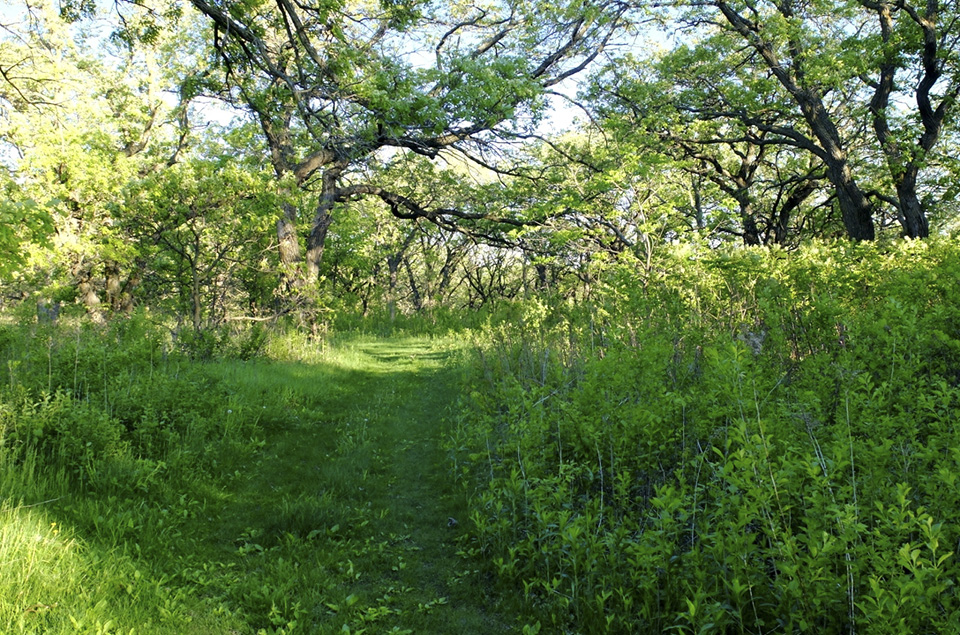 |
|
Minnesota River Valley Overlook |
Oak Savanna Trail | |
 |
 |
|
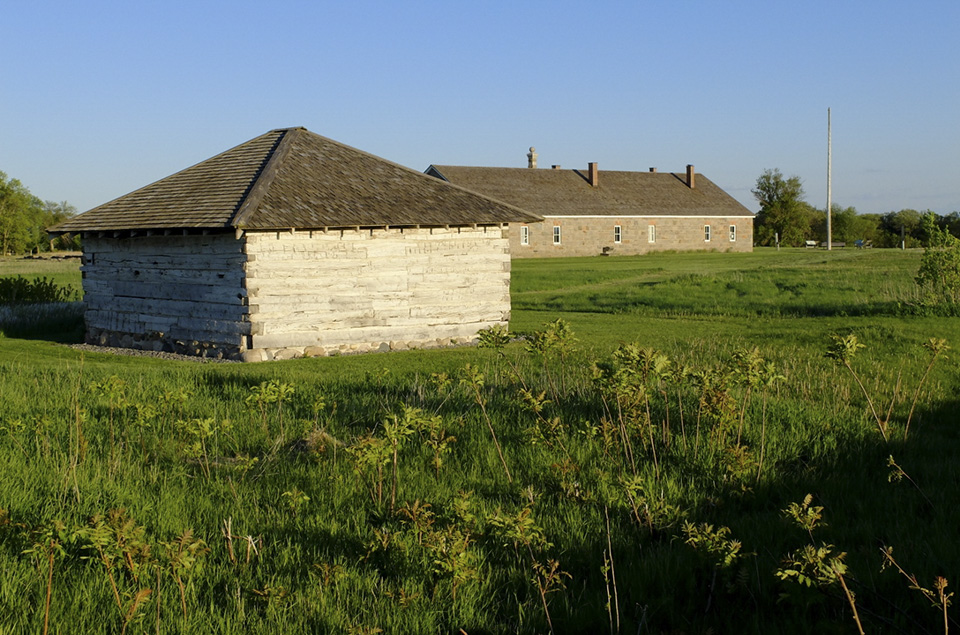
Powder Magazine and Commissary |
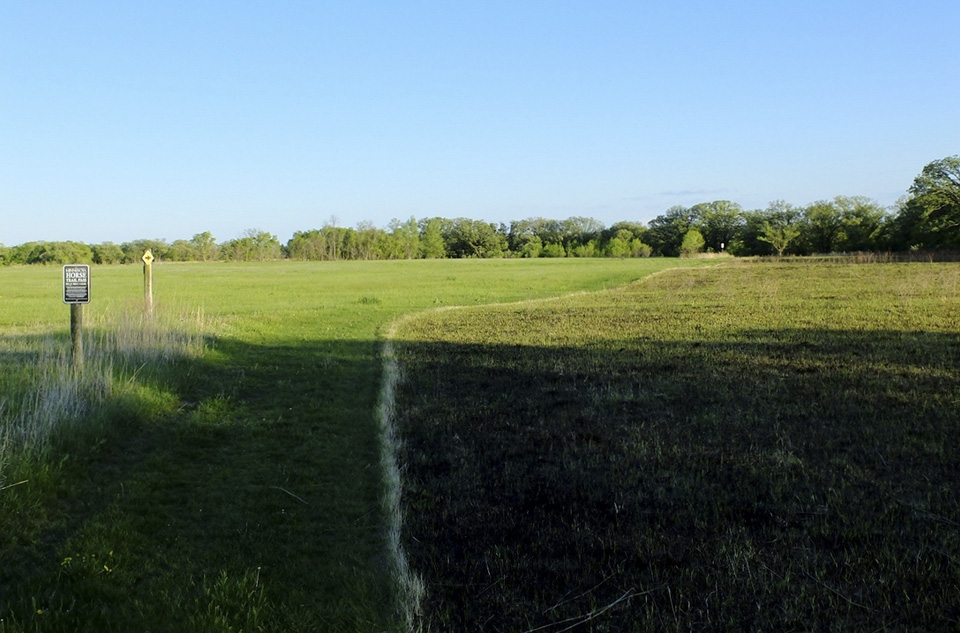
Prairie Trail | |
Martha Decker |
||
 |
 |
|
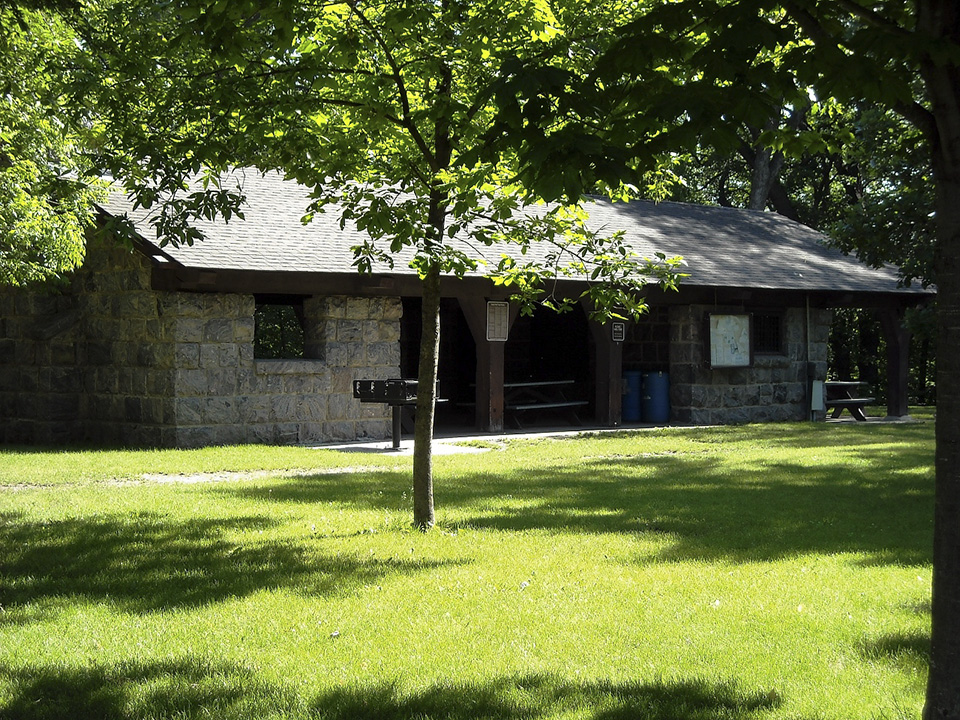
Rustic CCC-built Picnic Shelter |
CCC-built Park Buildings | |
|
||
 |
 |
|
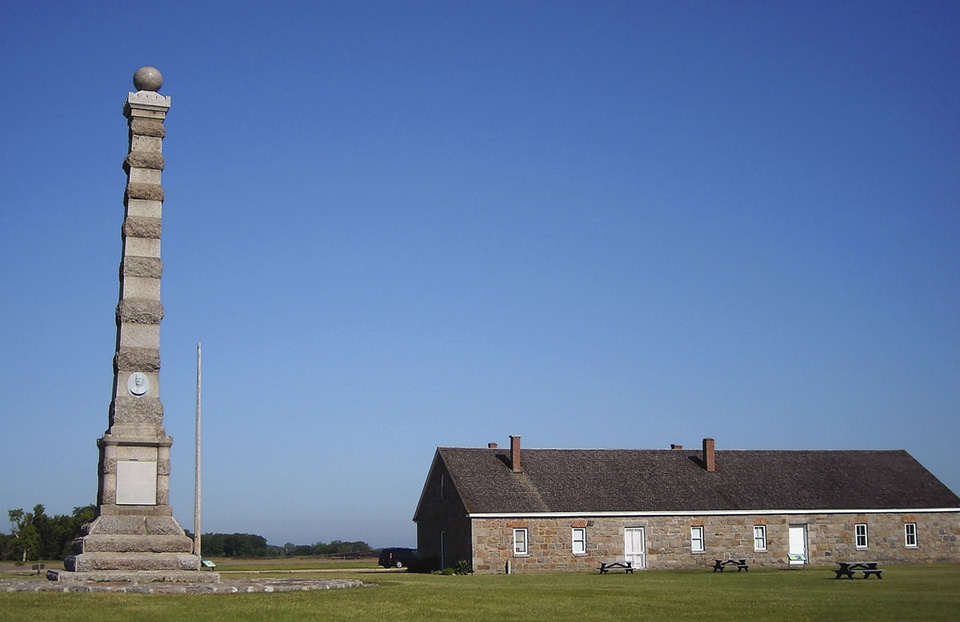
Monument & Commissary Building |
||
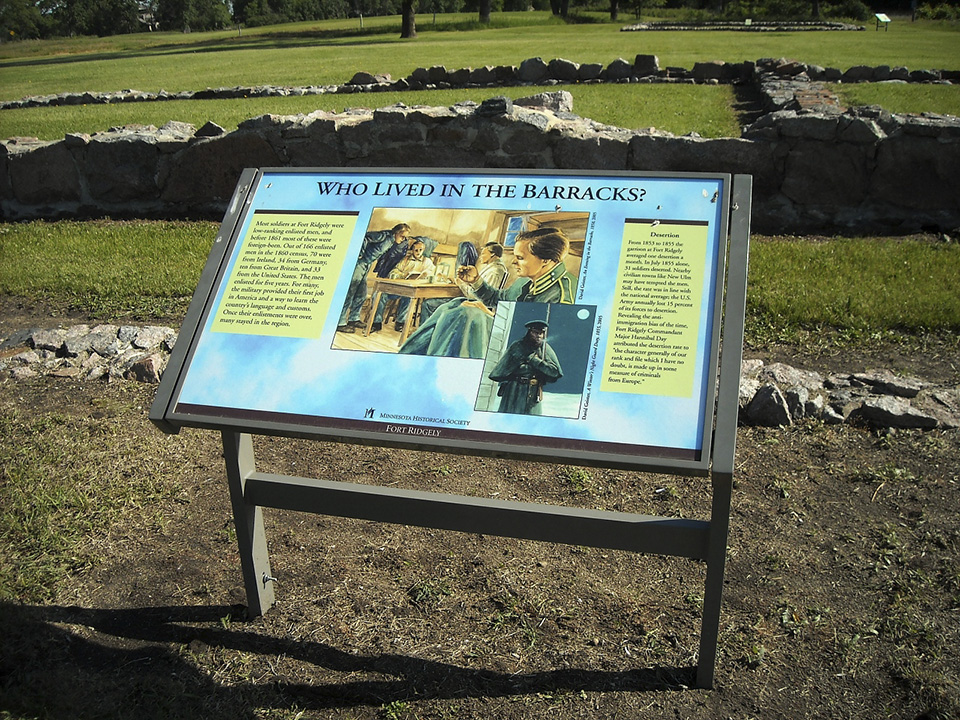
Example of Self-guided Tour Info |
||
 |
||
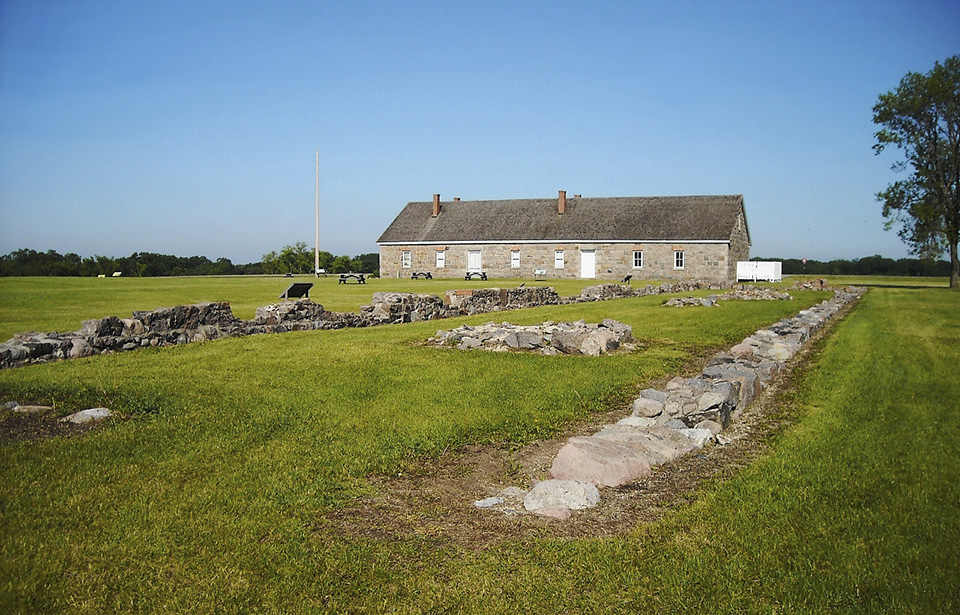
Commissary Building with foundations of other fort buildings in foreground |
||
MinnesotaSeasons.com Photos |
||
 |
 |
|
Park entrance |
||
 |
 |
|
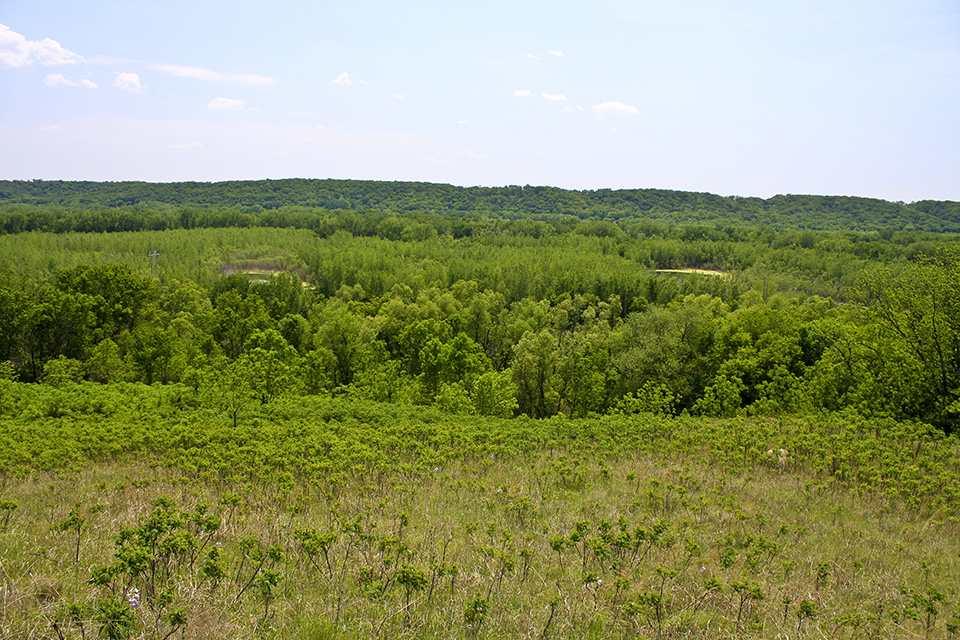
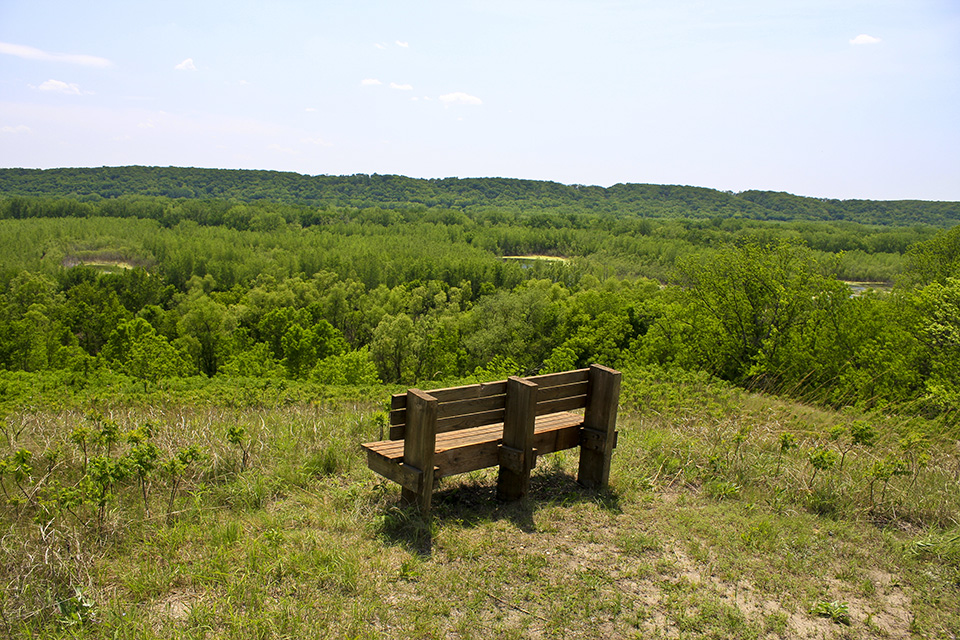
Minnesota River Lookout |
||
 |
|
|
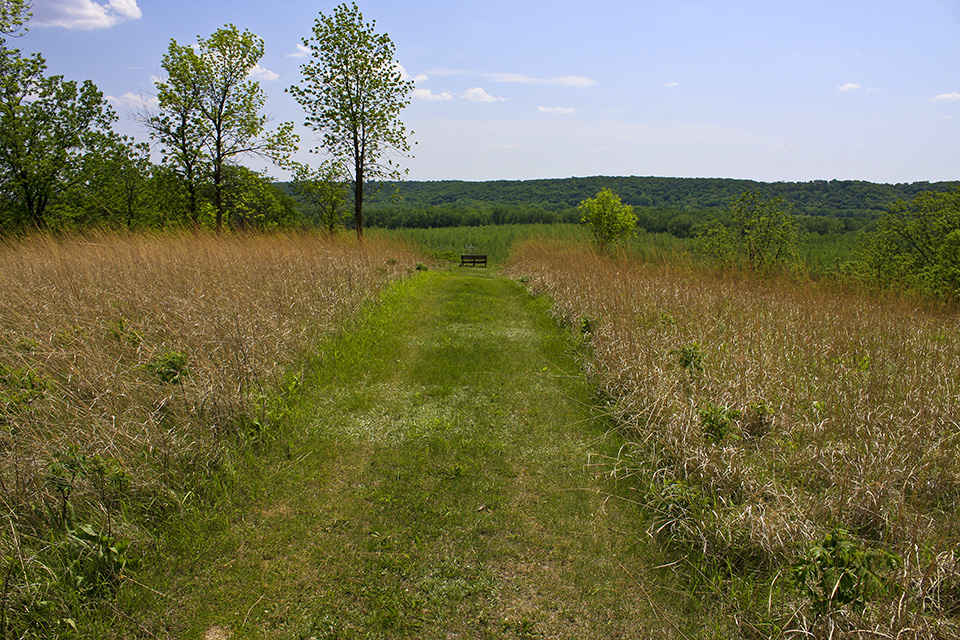
Minnesota River Lookout |
||
|
||
|
||
|
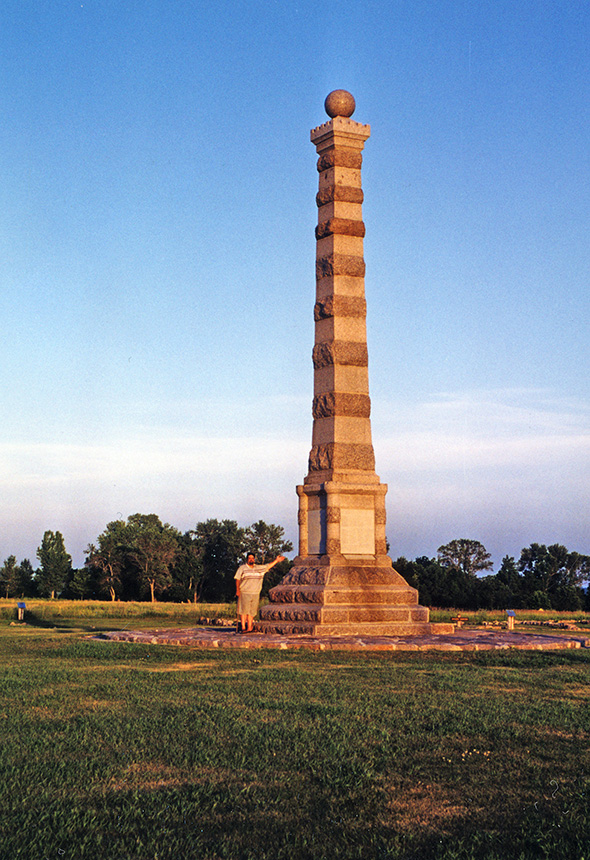
Monument | |
 |
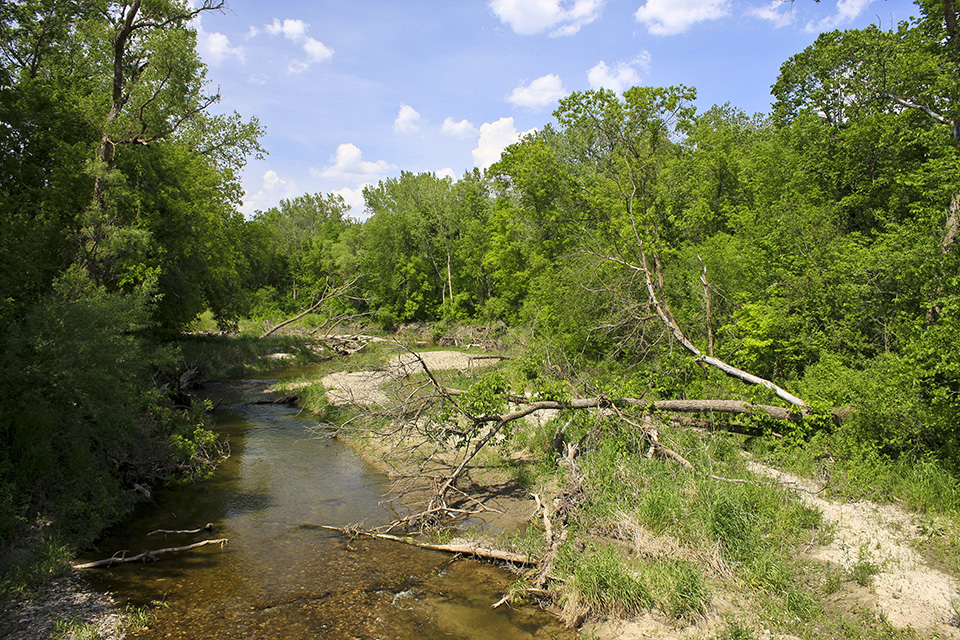 |
|
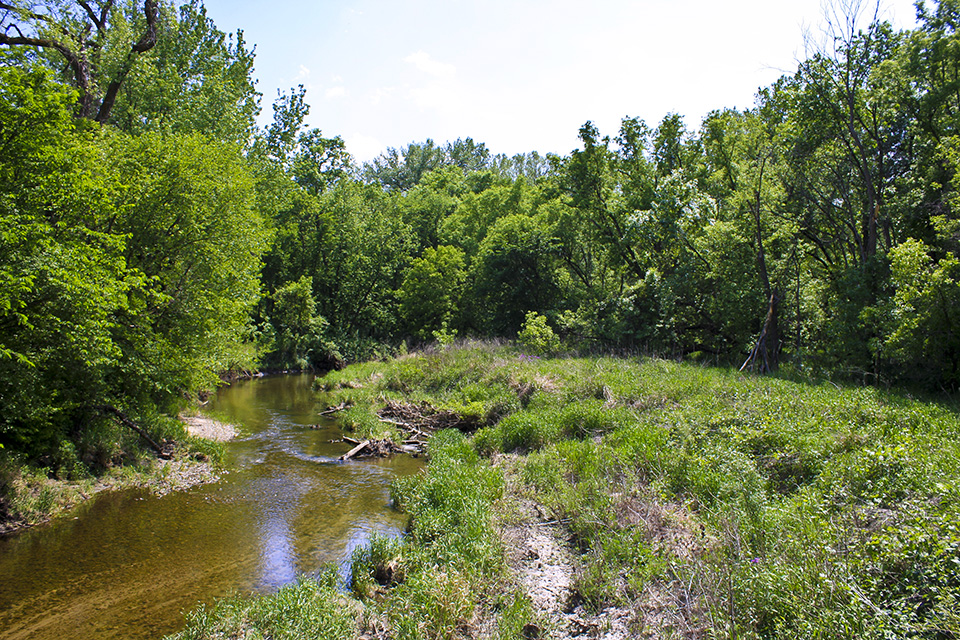
Fort Ridgely Creek |
||
 |
 |
|
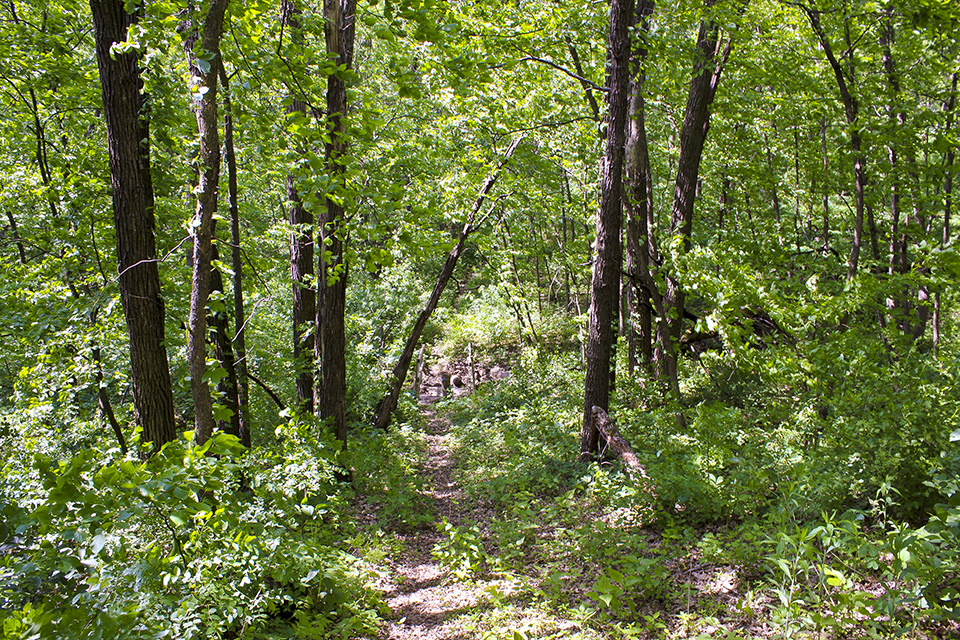
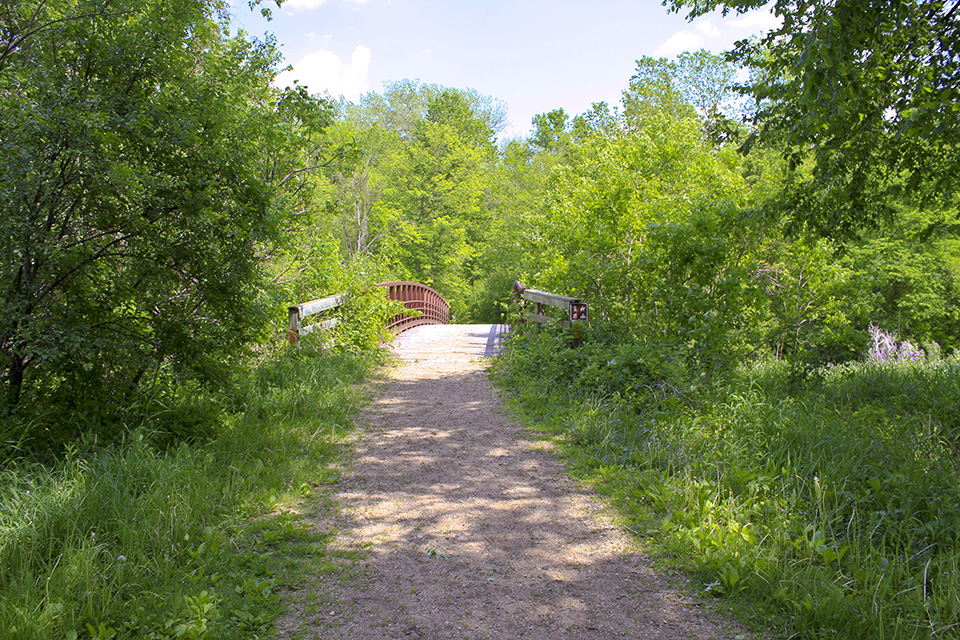
Trails |
||

Slideshows |
Fort Ridgely State Park |
|
About
Fort Ridgely State Park. MN |
Fort Ridgely State Park, Minnesota |
About
Published on Oct 28, 2013 Favorite Sites: 1, 7, 13, 17, 19, 21, 31, 37 |
Visitor Videos |
||
Share your video of this destination. |
||
This button not working for you? |
||
|
Other Videos |
||
Fort Ridgely State Park |
About
Published on Dec 30, 2015 Fort Ridgely State Parks outside Fairfax in southern Minnesota boasts many unique features including an authentic reconstruction by the Civilian Conservation Corps of the 1853 fort which was the site of many of the fiercest battle of the US-Dakota War. Production funding provided by the Minnesota Arts & Cultural Heritage Fund and by the members of Prairie Public. About the Minnesota Arts and Cultural Heritage Fund |
Kayaking (Snow) at Fort Ridgely 2-6-2016 |
About
Published on Feb 6, 2016 Snow kayaking at Fort Ridgely State Park, MN. With Adam Smith, Chris Bollingmo, Cassandra Brown, Danny Rockvam, and Russell Sabo |
Fort Ridgely State Park cannon |
About
Uploaded on Jun 18, 2011 Cannon demonstration at Fort Ridgely State Park |
two tubers tubing on two tubes on youtube |
About
Uploaded on Dec 23, 2009 This was a tubing experience we had at Fort Ridgley State Park. Tubes were only $2.50 a piece. We had some other people come up and they used our tubes when we went in the warming house. We felt bad that we had to take the tubes back but we DID pay for them after all... |

Visitor Sightings |
|
Share your sightings or comments about of this destination. |
|
This button not working for you? |
|
MinnesotaSeasons.com Sightings |
Visits |
5/18/2012 |

Fishes |
||
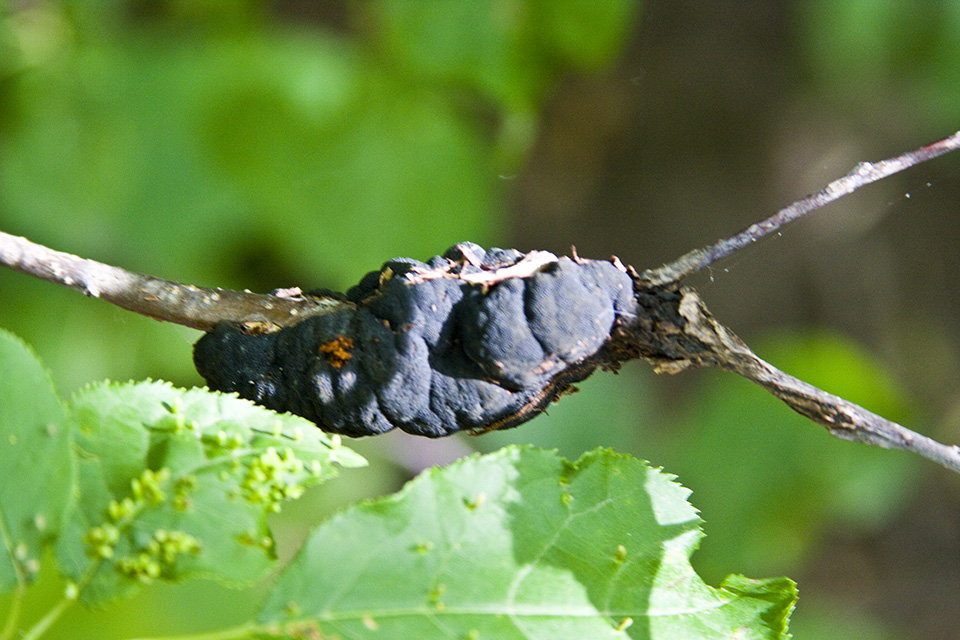
Fungi and Lichens |
||
 |
||
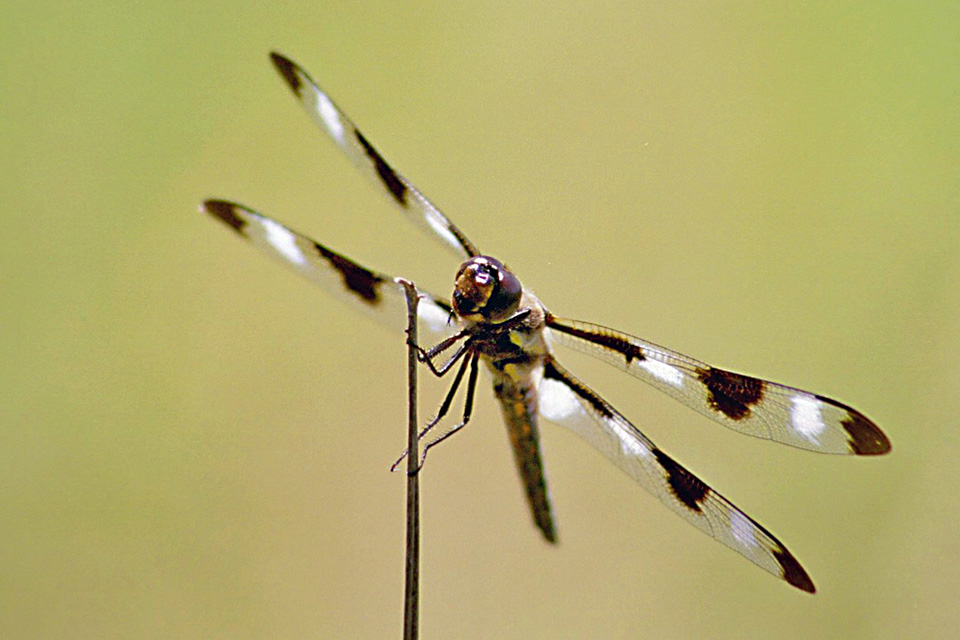
Insects and Arachnids |
||
|
Mourning Cloak (Nymphalis antiopa) Orange Sulphur (Colias eurytheme) plum finger gall mite (Eriophyes emarginatae) Question Mark (Polygonia interrogationis) Red Admiral (Vanessa atalanta) |
|
|

Mammals |
||
Plants |
||||||||
|
||||||||
Minnesota Biodiversity Atlas and Minnesota Biological Survey Vegetation Releves Plant List |
||||||||
Plants frequently found in: |
||||||||
|
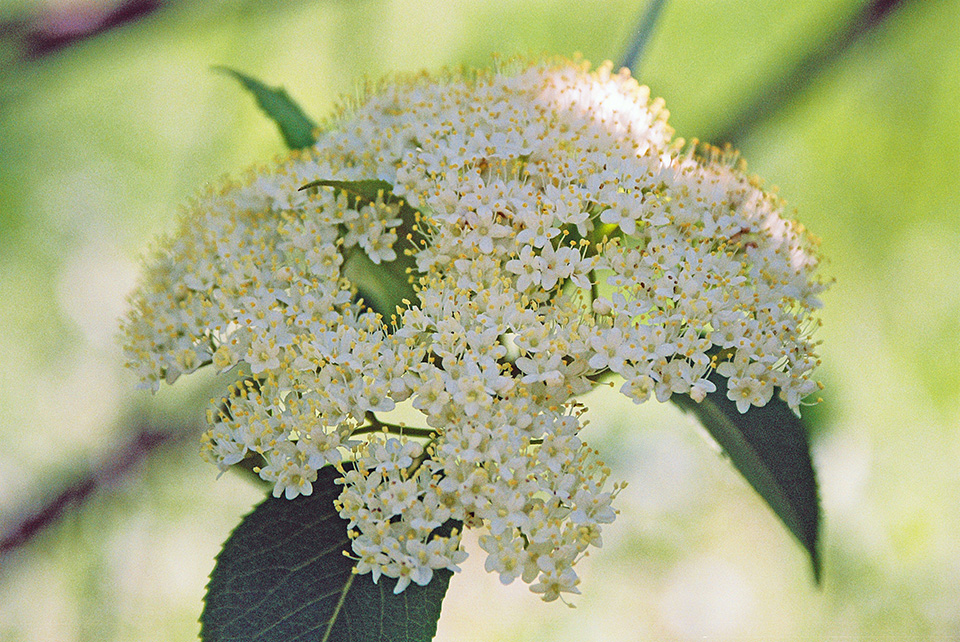
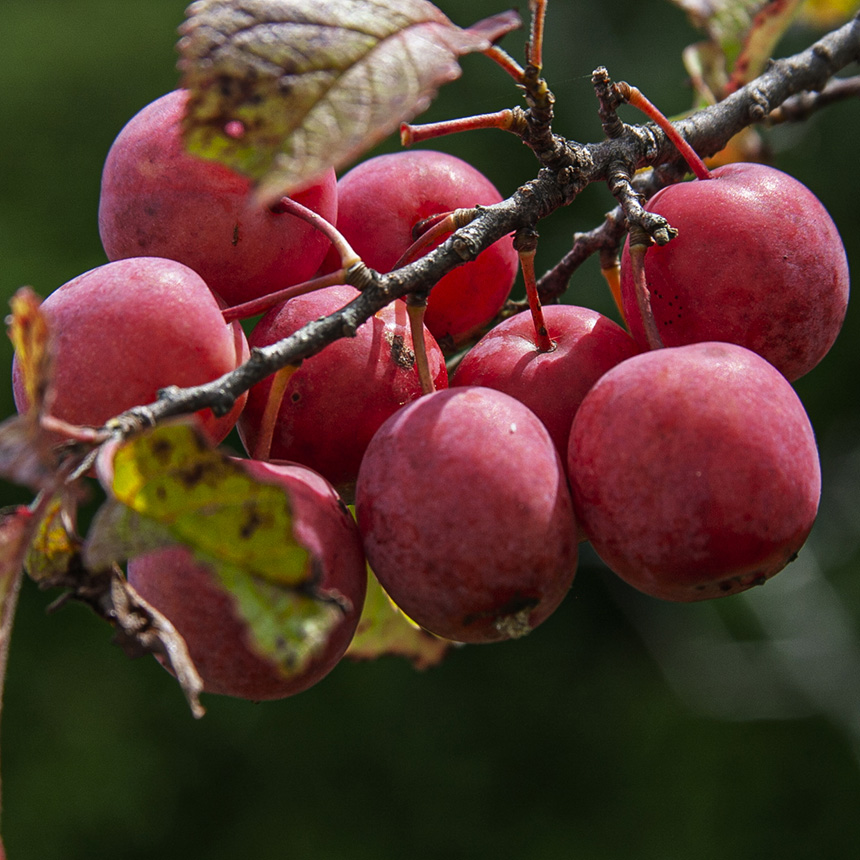
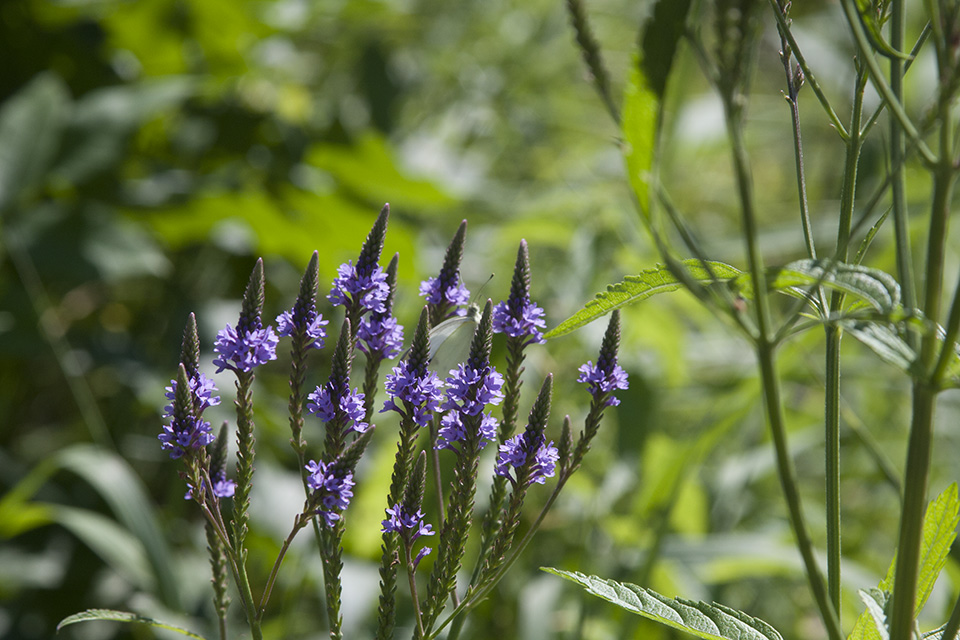
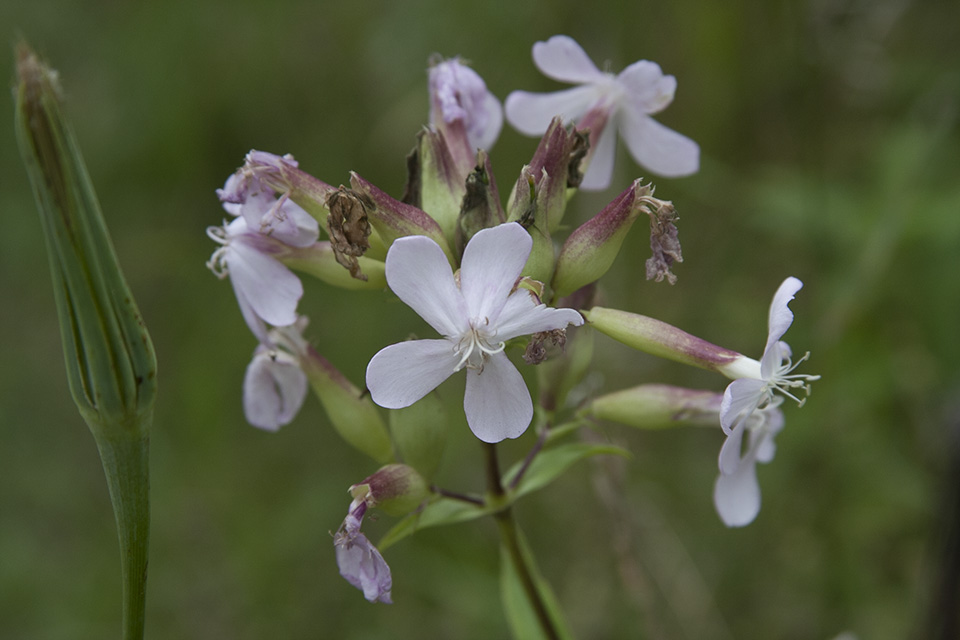
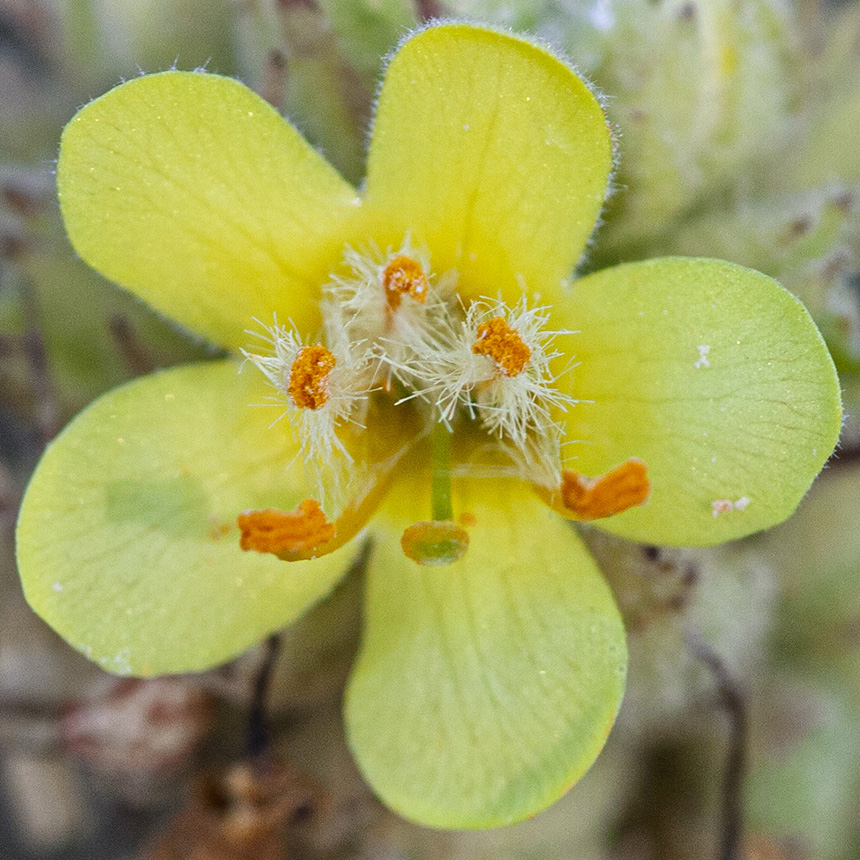
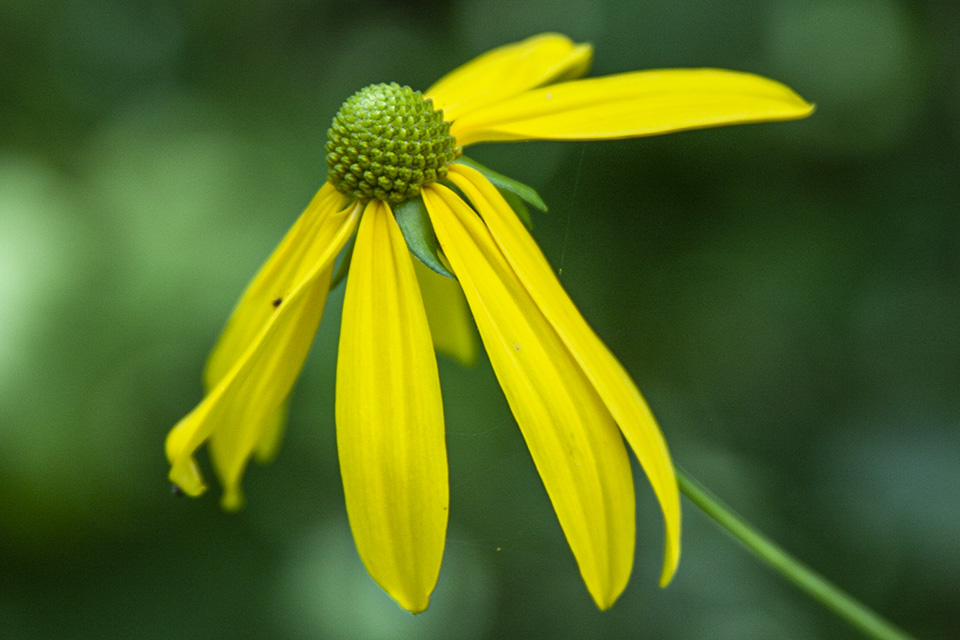
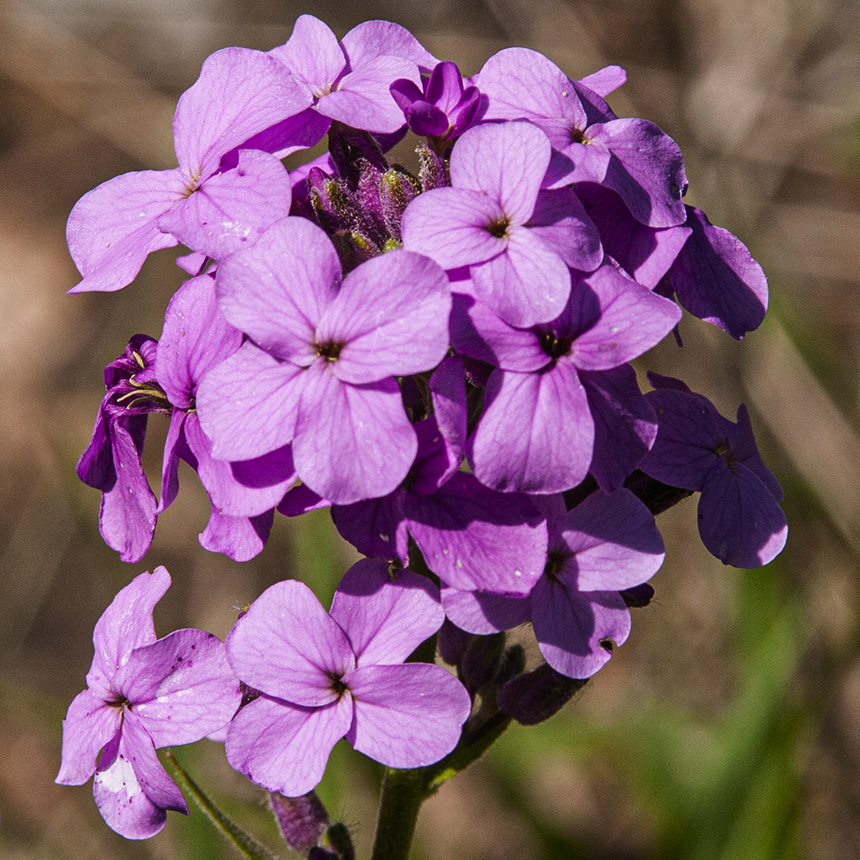
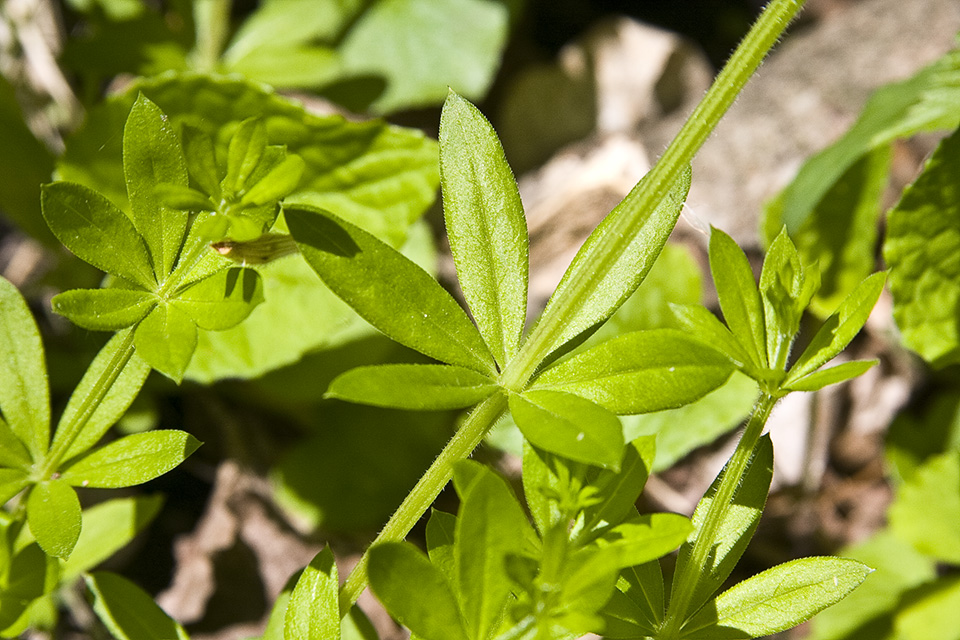
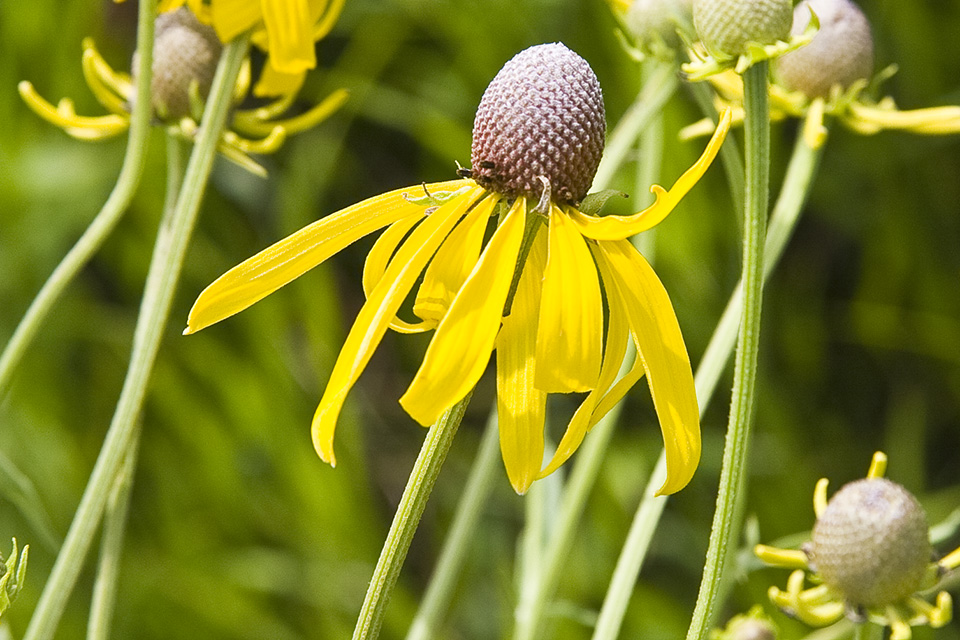
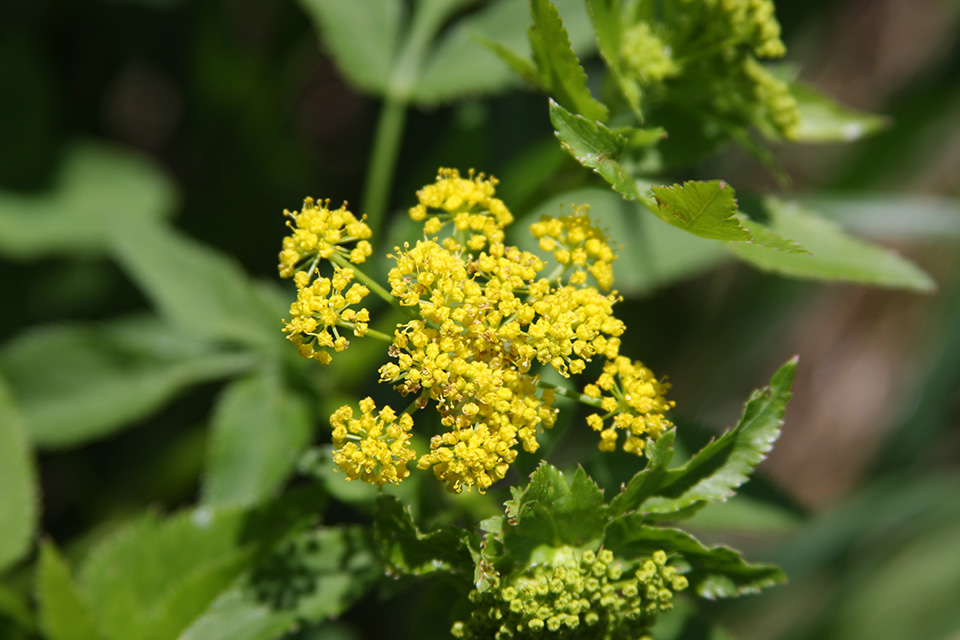
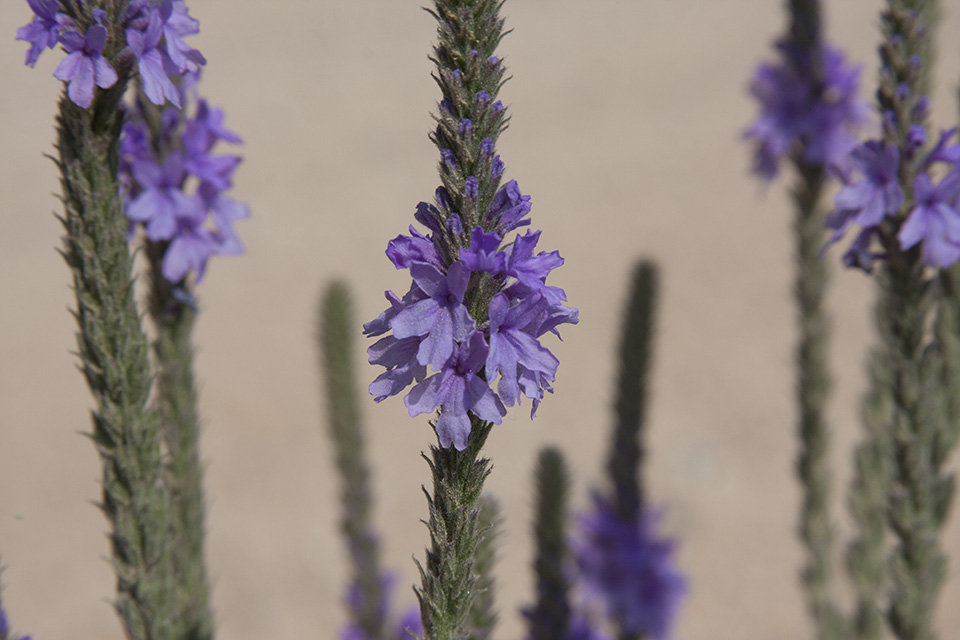
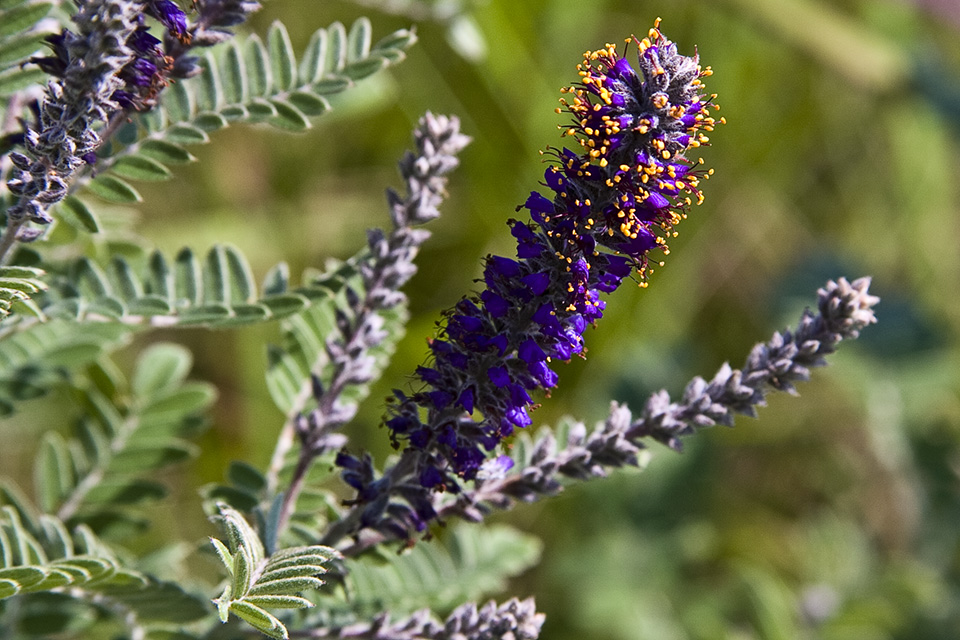
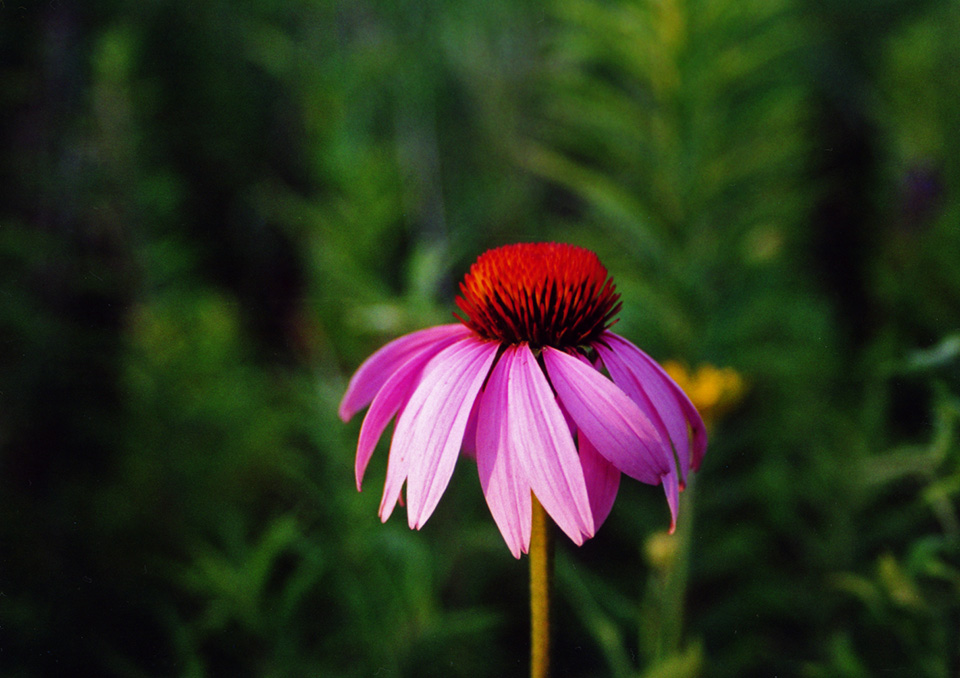
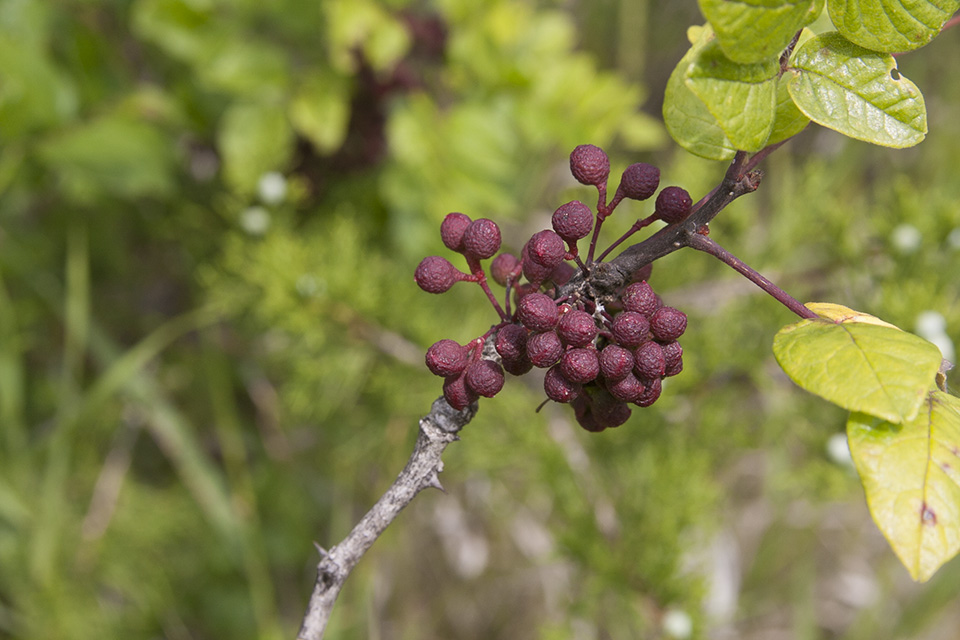
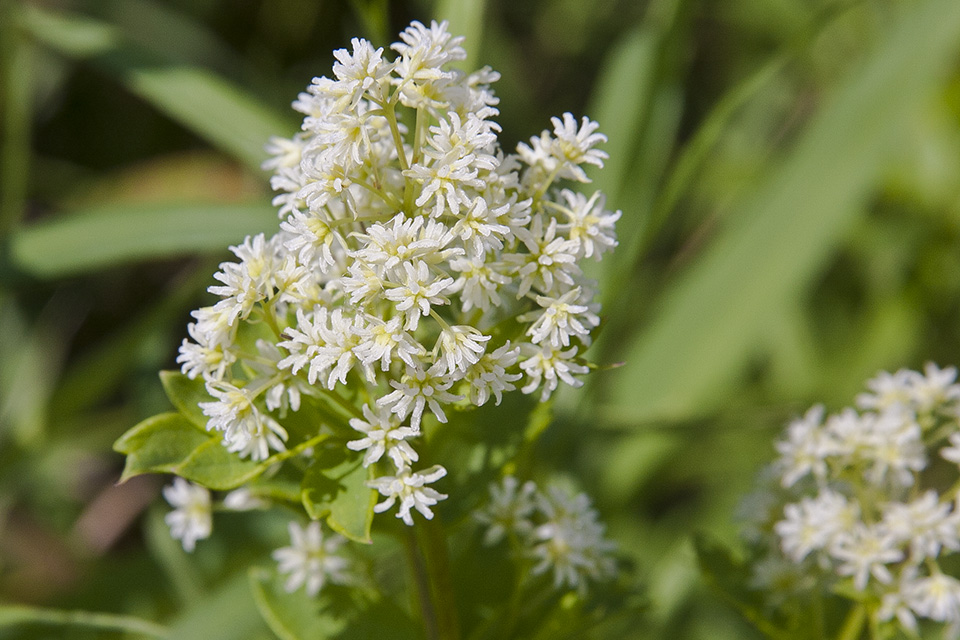
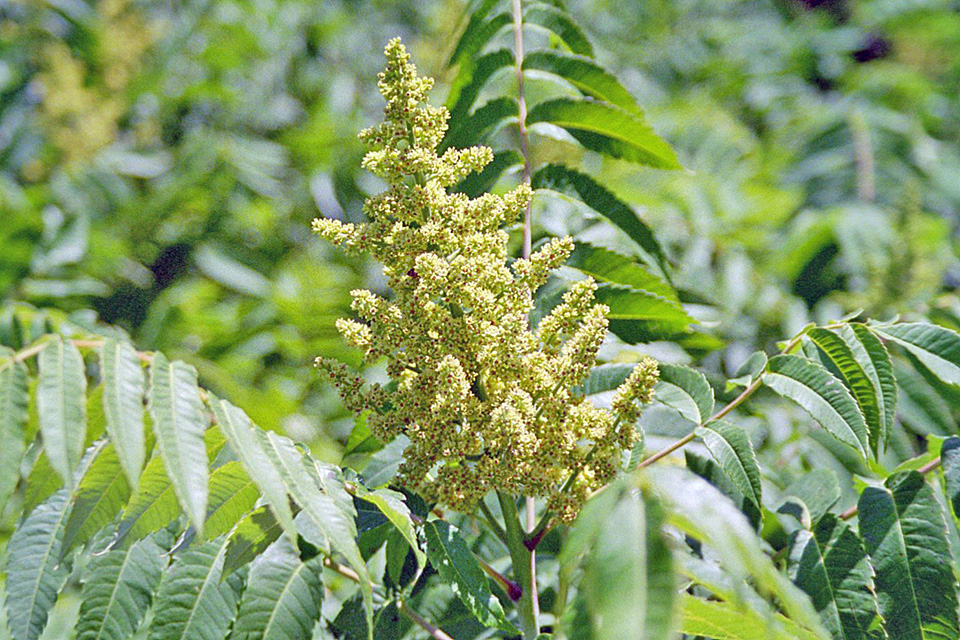
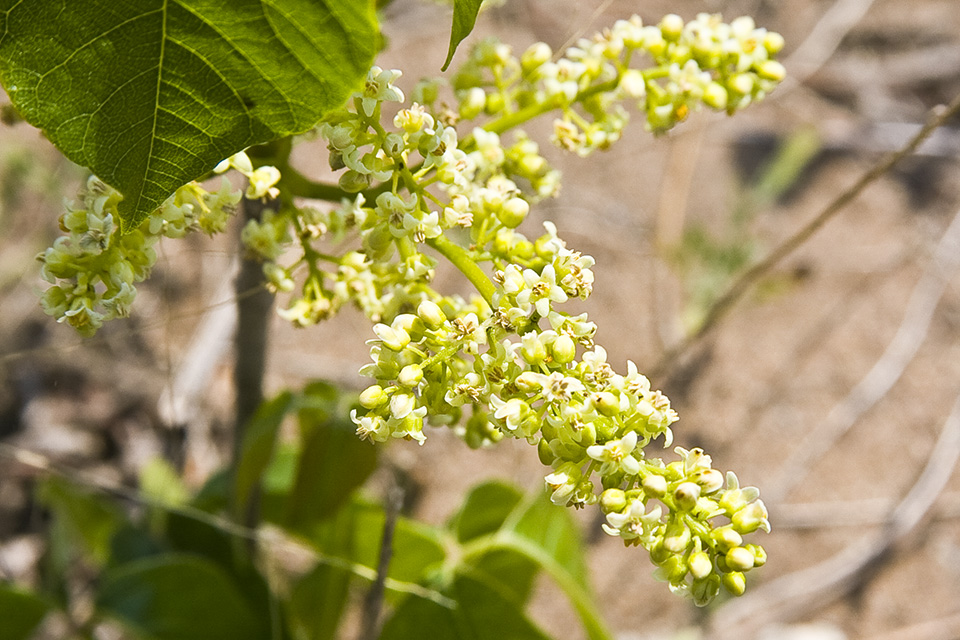
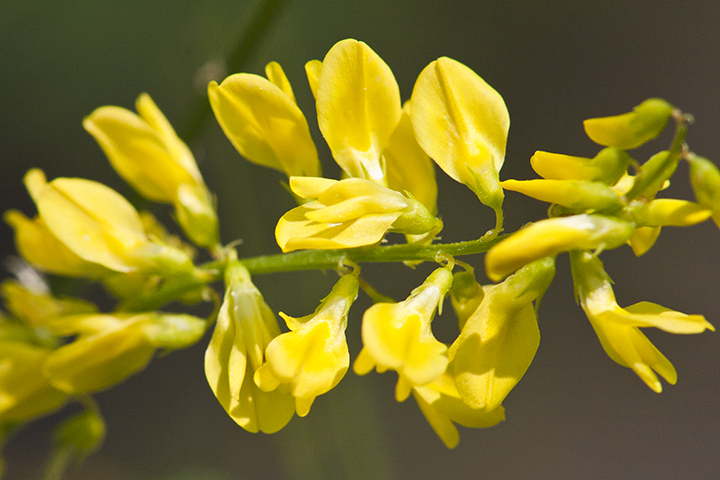
American basswood (Tilia americana var. americana) American elderberry (Sambucus canadensis) American elm (Ulmus americana) American highbush cranberry (Viburnum opulus var. americanum) American hophornbeam (Ostrya virginiana ssp. virginiana) American plum (Prunus americana) American stinging nettle (Urtica gracilis ssp. gracilis) American vetch (Vicia americana) American woodland strawberry (Fragaria vesca ssp. americana) Amur maple (Acer tataricum ssp. ginnala) asparagus (Asparagus officinalis) bastard toadflax (Comandra umbellata ssp. umbellata) bitternut hickory (Carya cordiformis) black raspberry (Rubus occidentalis) black-seeded plantain (Plantago rugelii var. rugelii) bland sweet cicely (Osmorhiza claytonii) bloodroot (Sanguinaria canadensis) Blue Ridge carrionflower (Smilax lasioneura) blue vervain (Verbena hastata) bouncing bet (Saponaria officinalis) bristly greenbrier (Smilax tamnoides) bur oak (Quercus macrocarpa var. macrocarpa) Canada mayflower (Maianthemum canadense) Canada moonseed (Menispermum canadense) Canada wildrye (Elymus canadensis) Canadian wild ginger (Asarum canadense) Canadian woodnettle (Laportea canadensis) clustered black snakeroot (Sanicula odorata) common buckthorn (Rhamnus cathartica) common burdock (Arctium minus) common dandelion (Taraxacum officinale) common evening primrose (Oenothera biennis) common false Solomon’s seal (Maianthemum racemosum ssp. racemosum) common hackberry (Celtis occidentalis) common milkweed (Asclepias syriaca) common motherwort (Leonurus cardiaca ssp. cardiaca) common mullein (Verbascum thapsus ssp. thapsus) common ragweed (Ambrosia artemisiifolia) cut-leaved coneflower (Rudbeckia laciniata var. laciniata) dame’s rocket (Hesperis matronalis ssp. matronalis) eastern redcedar (Juniperus virginiana var. virginiana) field pennycress (Thlaspi arvense) field pussytoes (Antennaria neglecta) fragrant bedstraw (Galium triflorum) fringed puccoon (Lithospermum incisum) golden alexanders (Zizia aurea) gray-headed coneflower (Ratibida pinnata) gray dogwood (Cornus racemosa) green ash (Fraxinus pennsylvanica) heart-leaved golden alexanders (Zizia aptera) hedge bindweed (Calystegia sepium) hoary puccoon (Lithospermum canescens) hoary vervain (Verbena stricta) Jack-in-the-pulpit (Arisaema triphyllum) kidney-leaved buttercup (Ranunculus abortivus) large-flowered beardtongue (Penstemon grandiflorus) little bluestem (Schizachyrium scoparium) Missouri gooseberry (Ribes missouriense) narrow-leaved purple coneflower (Echinacea angustifolia) northern bedstraw (Galium boreale) northern prickly ash (Zanthoxylum americanum) northern red oak (Quercus rubra) Ohio buckeye (Aesculus glabra var. glabra) ostrich fern (Matteuccia struthiopteris var. pensylvanica) Philadelphia fleabane (Erigeron philadelphicus var. philadelphicus) plains cottonwood (Populus deltoides ssp. molinifera) prairie alumroot (Heuchera richardsonii) prairie blue-eyed grass (Sisyrinchium campestre) purple meadow-rue (Thalictrum dasycarpum) purple prairie clover (Dalea purpurea var. purpurea) quaking aspen (Populus tremuloides) red clover (Trifolium pratense) shepherd’s purse (Capsella bursa-pastoris) smooth Solomon’s seal (Polygonatum biflorum var. commutatum) starry false Solomon’s seal (Maianthemum stellatum) stiff goldenrod (Solidago rigida) strict blue-eyed grass (Sisyrinchium montanum var. montanum) sugar maple (Acer saccharum ssp. saccharum) sweet William catchfly (Silene armeria) Tatarian honeysuckle (Lonicera tatarica) upright carrionflower (Smilax ecirrhata) Virginia waterleaf (Hydrophyllum virginianum var. virginianum) western Canada violet (Viola canadensis var. rugulosa) western marbleseed (Lithospermum occidentale) western poison ivy (Toxicodendron rydbergii) white clover (Trifolium repens ssp. repens) white sage (Artemisia ludoviciana ssp. ludoviciana) wild blue phlox (Phlox divaricata ssp. laphamii) wild columbine (Aquilegia canadensis) wild cucumber (Echinocystis lobata) wild licorice (Glycyrrhiza lepidota) woodbine (Parthenocissus vitacea)
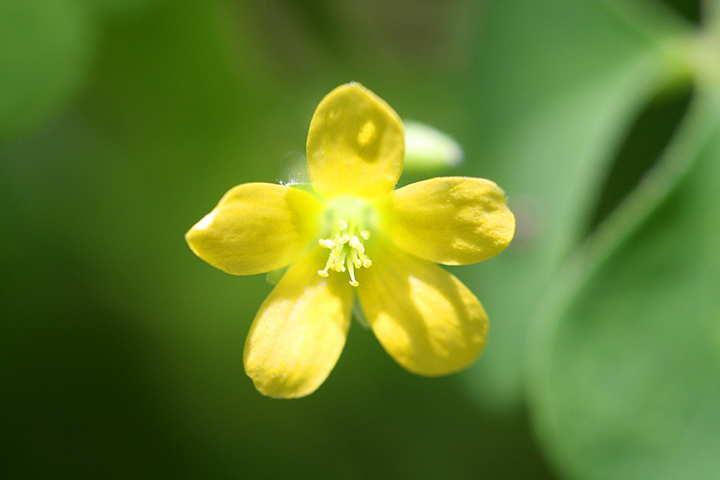
Acer tataricum ssp. ginnala (Amur maple) Acer saccharum ssp. saccharum (sugar maple) Aesculus glabra var. glabra (Ohio buckeye) Ambrosia artemisiifolia (common ragweed) Antennaria neglecta (field pussytoes) Aquilegia canadensis (wild columbine) Arctium minus (common burdock) Arisaema triphyllum (Jack-in-the-pulpit) Artemisia ludoviciana ssp. ludoviciana (white sage) Asarum canadense (Canadian wild ginger) Asclepias syriaca (common milkweed) Asparagus officinalis (asparagus) Calystegia sepium (hedge bindweed) Capsella bursa-pastoris (shepherd’s purse) Carya cordiformis (bitternut hickory) Celtis occidentalis (common hackberry) Comandra umbellata ssp. umbellata (bastard toadflax) Cornus racemosa (gray dogwood) Dalea purpurea var. purpurea (purple prairie clover) Echinacea angustifolia (narrow-leaved purple coneflower) Echinocystis lobata (wild cucumber) Elymus canadensis (Canada wildrye) Erigeron philadelphicus var. philadelphicus (Philadelphia fleabane) Fragaria vesca ssp. americana (American woodland strawberry) Fraxinus pennsylvanica (green ash) Galium boreale (northern bedstraw) Galium triflorum (fragrant bedstraw) Glycyrrhiza lepidota (wild licorice) Hesperis matronalis ssp. matronalis (dame’s rocket) Heuchera richardsonii (prairie alumroot) Hydrophyllum virginianum var. virginianum (Virginia waterleaf) Juniperus virginiana var. virginiana (eastern redcedar) Laportea canadensis (Canadian woodnettle) Leonurus cardiaca ssp. cardiaca (common motherwort) Lithospermum canescens (hoary puccoon) Lithospermum incisum (fringed puccoon) Lithospermum occidentale (western marbleseed) Lonicera tatarica (Tatarian honeysuckle) Maianthemum canadense (Canada mayflower) Maianthemum racemosum ssp. racemosum (common false Solomon’s seal) Maianthemum stellatum (starry false Solomon’s seal) Matteuccia struthiopteris var. pensylvanica (ostrich fern) Melilotus officinalis (yellow sweet clover) Menispermum canadense (Canada moonseed) Oenothera biennis (common evening primrose) Osmorhiza claytonii (bland sweet cicely) Ostrya virginiana ssp. virginiana (American hophornbeam) Oxalis stricta (yellow wood sorrel) Parthenocissus vitacea (woodbine) Penstemon grandiflorus (large-flowered beardtongue) Phlox divaricata ssp. laphamii (wild blue phlox) Plantago rugelii var. rugelii (black-seeded plantain) Polygonatum biflorum var. commutatum (smooth Solomon’s seal) Populus deltoides ssp. molinifera (plains cottonwood) Populus tremuloides (quaking aspen) Prunus americana (American plum) Quercus macrocarpa var. macrocarpa (bur oak) Quercus rubra (northern red oak) Ranunculus abortivus (kidney-leaved buttercup) Ratibida pinnata (gray-headed coneflower) Rhamnus cathartica (common buckthorn) Ribes missouriense (Missouri gooseberry) Rubus occidentalis (black raspberry) Rudbeckia laciniata var. laciniata (cut-leaved coneflower) Sambucus canadensis (American elderberry) Sanguinaria canadensis (bloodroot) Sanicula odorata (clustered black snakeroot) Saponaria officinalis (bouncing bet) Schizachyrium scoparium (little bluestem) Silene armeria (sweet William catchfly) Sisyrinchium campestre (prairie blue-eyed grass) Sisyrinchium montanum var. montanum (strict blue-eyed grass) Smilax ecirrhata (upright carrionflower) Smilax lasioneura (Blue Ridge carrionflower) Smilax tamnoides (bristly greenbrier) Solidago rigida (stiff goldenrod) Taraxacum officinale (common dandelion) Thalictrum dasycarpum (purple meadow-rue) Thlaspi arvense (field pennycress) Tilia americana var. americana (American basswood) Toxicodendron rydbergii (western poison ivy) Trifolium pratense (red clover) Trifolium repens ssp. repens (white clover) Ulmus americana (American elm) Urtica gracilis ssp. gracilis (American stinging nettle) Verbascum thapsus ssp. thapsus (common mullein) Verbena hastata (blue vervain) Verbena stricta (hoary vervain) Viburnum opulus var. americanum (American highbush cranberry) Vicia americana (American vetch) Viola canadensis var. rugulosa (western Canada violet) Zanthoxylum americanum (northern prickly ash) |
|
|||||||










Reptiles |
||||||||
|
||||||||
Created: Last Updated: © MinnesotaSeasons.com. All rights reserved. |