



eastern white pine
(Pinus strobus)
Conservation • Wetland • Description • Habitat • Ecology • Use • Distribution • Taxonomy
|
|
||||||||||||||||||||||||
Description |
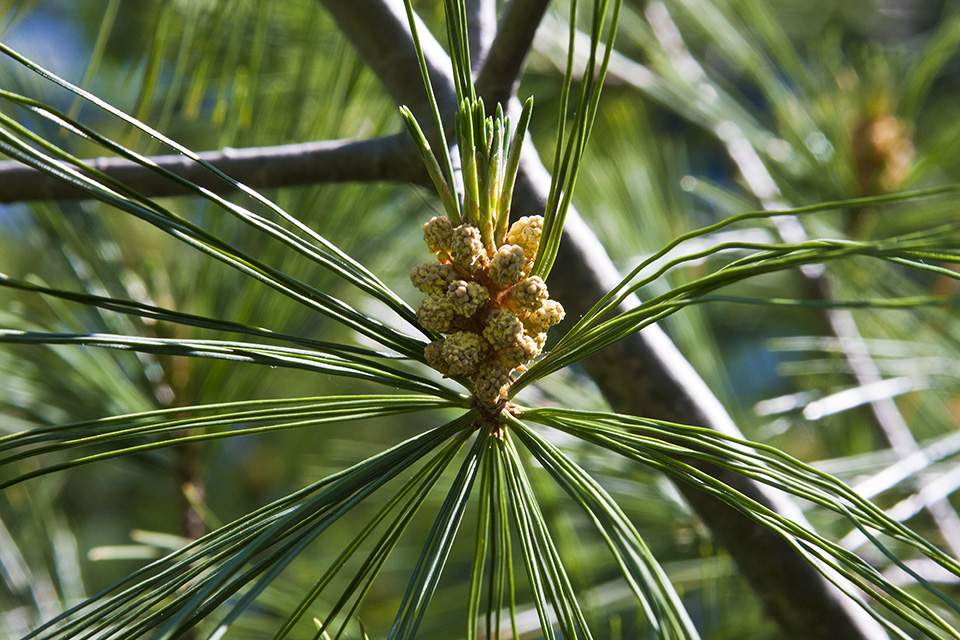
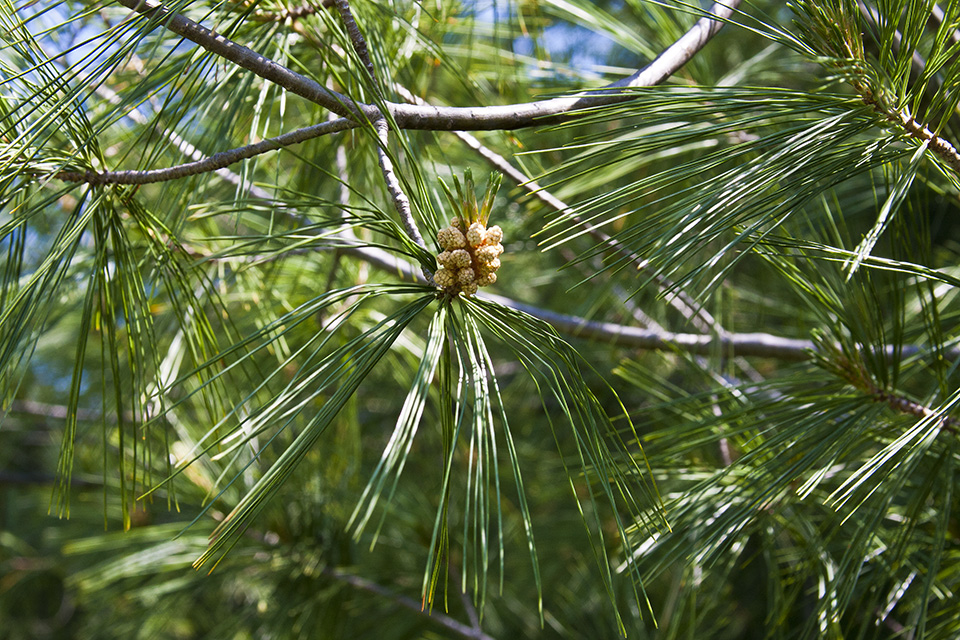
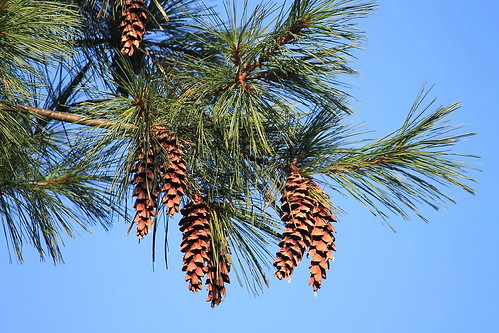
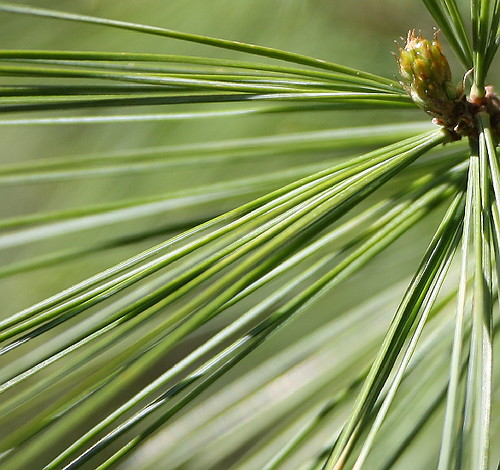
Eastern white pine is an evergreen, coniferous tree rising on a single trunk from 3 to 5 moderately deep lateral roots. It is the only soft pine native to Minnesota. It is usually found as individual trees or small stands in deciduous forests. In Minnesota mature trees are usually 40′ to 70′ tall and up to 42″ in diameter, though giant individuals can reach over 100′ in height. It is the tallest conifer in northeastern North America. Young trees are pyramidal in shape with a cone-shaped crown. Older trees have an irregular, rounded or flattened crown. The trunk is straight. The bark on young trees is thin, smooth, and grayish green. On mature trees the bark is gray-brown tinged with purple and 1″ to 2″ thick. It is deeply furrowed into long, broad, connected, irregularly rectangular plates separated by deep, darker furrows. The branches are stout, horizontal, and whorled, each whorl representing one year of growth. The tree’s age can be determined by counting the number of whorls from the bottom up. The twigs are green and hairless or hairy in the first year. They become orange-brown and hairless in the second year. The buds are slender, egg-shaped, ⅛″ to ⅝″ long, and sharp-pointed. They are covered with overlapping reddish-brown scales. The needle-like leaves are bluish-green with 3 or more lines of white dots. They are 2″ to 5″ long, slender, straight, soft, and flexible. In cross section they are triangular in shape and have one fibrovascular bundle. The white dots are pores surrounded by 2 glaucous cells, and are evident only on the upper surface. Needle edges are finely toothed. They are borne in bundles of 5 with a sheath at the base. The sheath is ⅜″ to ⅝″ long and falls off after the first year. The needles are evergreen, and can remain on the tree for up to 4 years, but usually turn yellow and fall after 2 years. Male and female cones are borne on the same tree. Pollen (male) cones are cylindrical, ⅜″ to ⅝″ long, and yellow or light brown. They are borne in clusters on older branches in the lower part of the crown at the base of the new shoots. They shed pollen in the late spring then wither and fall away. Female cones at the time of pollination are green, 3 ⁄16″ to 1½″ long conelets. They are borne in clusters on newer branches in the upper part of the crown near the tip of the new shoots. They mature after 2 years. Mature seed cones are yellow-green to light brown, 3″ to 8″ long, cylindrical, slightly curved, and flexible. They hang downward on a slender, ¾″ to 1⅛″ long stalk. They are covered with usually 5 spiraling rows of 10 to 16 scales each. The scales at the tip and the base are small and are not fertile. Mature seed cone scales are thin and rounded at the tip. The tip of the scale, that portion that is exposed when the cone is closed (apophysis), has purple or gray tints, is not shiny, and is not much thicker than the adjacent part. There is no sealing band adjacent to the apophysis where the scales meet when closed. There is a prominent protuberance (umbo) terminating the scale tip. There is no prickle on the umbo. The scale tip is free, not pressed closely against the next scale. At maturity the scales bend backward, releasing the seeds. Soon after that the cones fall to the ground. There are 2 seeds in each fertile scale. The seeds are reddish-brown, mottled with black, 3 ⁄16″ to ¼″ long, with a ¾″ to 1″ long, pale brown wing. The wing is fused to the seed (adnate). |
Height |
40′ to 70′ |
Record |
There are two co-champion eastern white pines in Minnesota. One is in Forestville State Park near the entrance in Fillmore County. In 2009 it was measured at 103′ tall and 214″ in circumference (68″ in diameter), with a crown spread of 84′. One is on private property near Glen, in Aitkin County. In 2021 it was measured at 121′ tall and 198″ in circumference (63″ in diameter), with a crown spread of 68′. |
Similar Species |
| This is the only pine in Minnesota with long needles in clusters of 5. |
Habitat |
Deciduous forests, stream banks, river banks. Sandy or gravelly areas with moist soil. Full sun. |
Ecology |
Pollination |
|
Pests and Diseases |
|
Use |
|
Distribution |
||
|
Sources |
|
| 10/11/2024 | ||
Nativity |
||
Native |
||
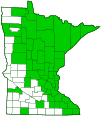
Occurrence |
||
Common |
||
Taxonomy |
|
Kingdom |
|
Subkingdom |
Pteridobiotina |
Phylum |
Tracheophyta (Vascular Plants) |
Class |
Pinopsida (conifers) |
Subclass |
Pinidae |
Order |
Pinales (conifers) |
Family |
Pinaceae (pine) |
Subfamily |
Pinoideae (pines, spruces, larches, and allies) |
Genus |
Pinus (pines) |
Subgenus |
Strobus (soft pines) |
Section |
Quinquefoliae (white pines) |
Subsection |
Strobus |
Subordinate Taxa |
|
One variety with finer leaves and heavier cones of the same size has been described. According to Flora of North America, this is a clinal variation, which is a gradual change in a species’ characteristics across a geographic area, such as altitude or latitude. Most sources do not recognize any varieties or subspecies. |
|
Synonyms |
|
Pinus chiapensis Pinus strobus var. chiapensis Strobus strobus Pinus umbraculifera |
|
Common Names |
|
eastern white pine eastern white pine northern white pine soft pine Weymouth pine white pine |
|
Glossary
Apophysis
In coniferous trees that portion of the cone scale that is exposed when the cone is closed. It is the second year’s growth of a two year old scale.
Glaucous
Pale green or bluish gray due to a whitish, powdery or waxy film, as on a plum or a grape.
Soft pines
Pines of the subgenus Strobus. They have scales without a sealing band, terminal umbos, adnate seed wings, and one fibrovascular bundle per leaf. The wood is softer and lighter than that of hard pines. Also called white pines.
Umbo
A blunt or round protuberance on the end of the scale of some pine cones. It is the first year’s growth of a two year old scale.
Vascular bundle
(fibrovascular bundle) A strand of the transport system in plants that runs from the roots, through the stems, to the leaves. It consists of xylem on the inside and phloem on the outside.
Wing
A thin, flat, membranous, usually transparent appendage on the margin of a structure.
Visitor Photos |
||
Share your photo of this plant. |
||
This button not working for you? |
||
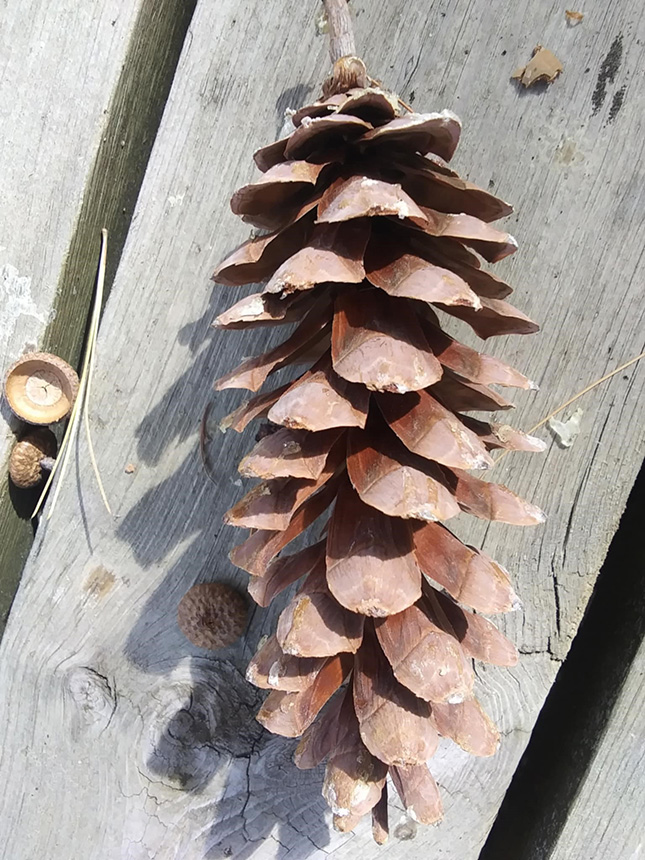
White pine-cone |
Luciearl |
||
 |
 |
|
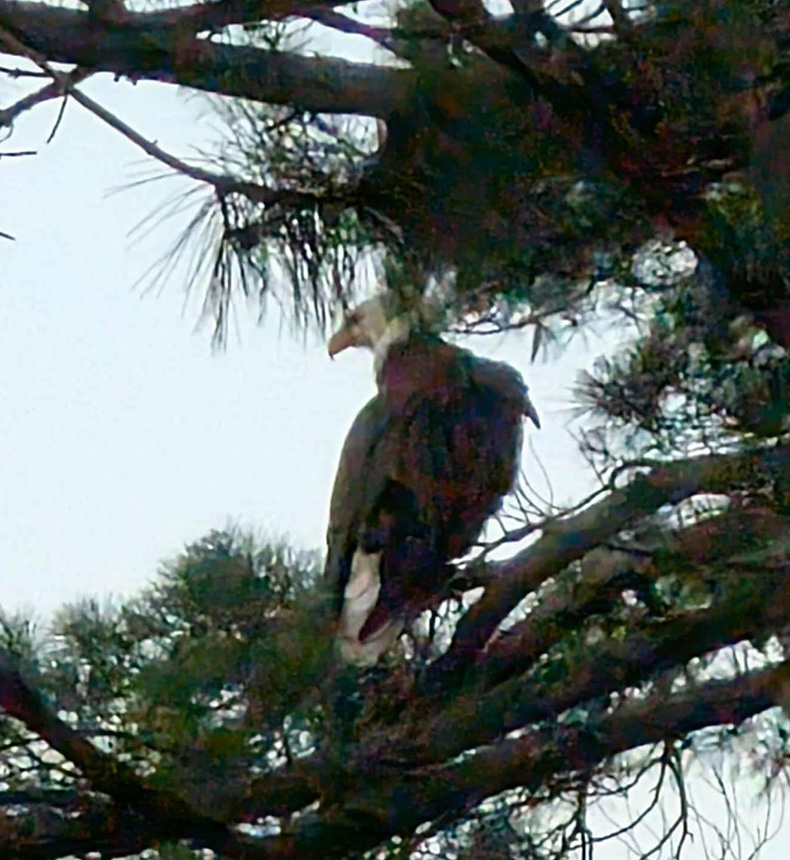
Eagle in white pine. |
White pine-cone |
|
Dan W. Andree |
||
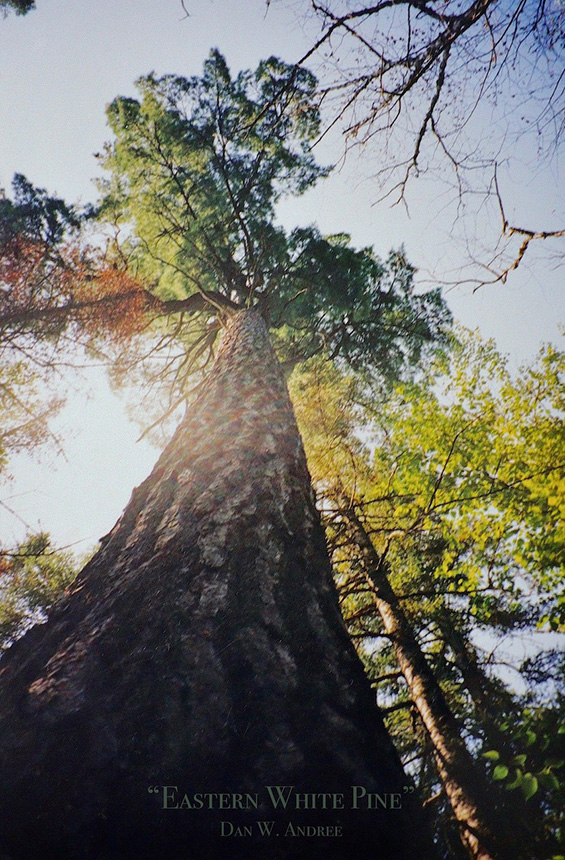
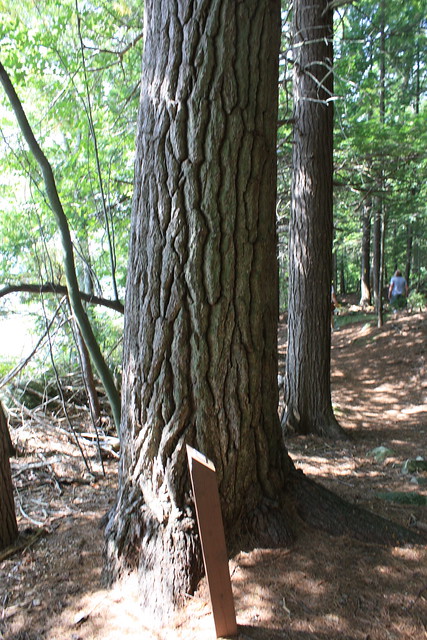
Another Big White Pine... This one was bigger than the previous photo of one with the moss growing up on it. The base of this pine isn’t shown in the photo. It was along the Manitou River in George H Crosby Manitou State Park but quite a ways in. I couldn’t get a total shot of it due to the land, other trees and brush and the river which was behind me. The photo is taken from maybe 8-10 ft. up from the bottom of the trunk where it meets the ground. Biggest white pine I came across that I seen to be able to get close to anyways. Not sure of the year taken as I had ventured to that park several times over several seasons. Nice big giant it was. |
|
|
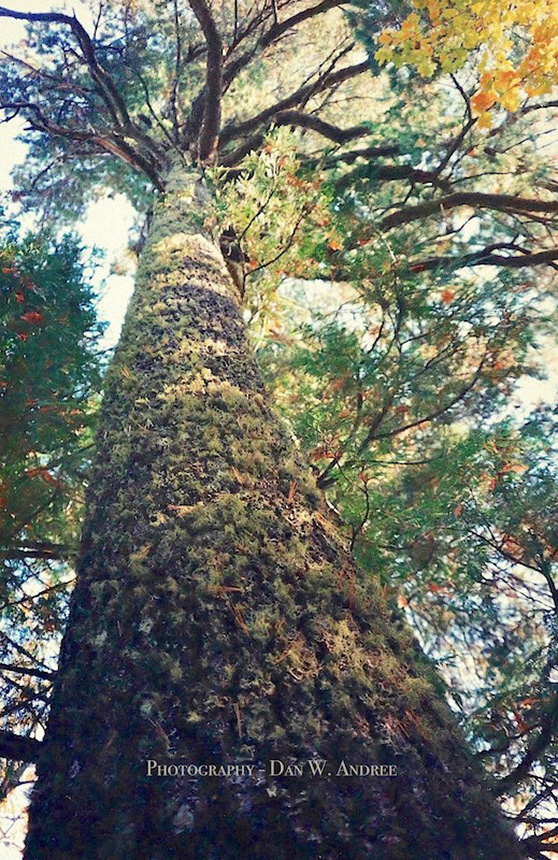
Moss on Old White Pine Tree... I came across this towering old white pine with moss on the tree trunk while exploring along the Manitou River Trail in George H. Crosby Manitou State Park. Awesome tree it was. |
|
|
MinnesotaSeasons.com Photos |
||
 |
 |
|
Male cone |
Male cone |

Slideshows |
Pinus strobus |
|
About
Eastern White Pine |
Eastern White Pine |
|
About
Copyright DianesDigitals |
White Pine |
|
About
The British loved taking our huge white pine for the masts of their ships. That created a lot of ill will. Pinus strobus |
Eastern White Pine (Pinus Strobus) |
About
Uploaded on Jun 19, 2008 Brief species overview of eastern white pine (Pinus strobus) |

Visitor Videos |
||
Share your video of this plant. |
||
This button not working for you? |
||
|
Other Videos |
||
White Pine identification video( Pinus Strobus ) by cone, needles and bark |
About
Published on Sep 2, 2012 White Pine identification ( Pinus Strobus ). A video to help identify the tree. |
Eastern White Pine.mov |
About
Kimberly Wade Richard Weber, owner of Springhouse Gardens in Nicholasville, Kentucky, guided at Tree Walk at The Lexington Cemetery. He talks about the Easter White Pine. The Lexington Cemetery is home to over 200 species of trees. |
Trees with Don Leopold - eastern white pine |
About
Uploaded on Oct 10, 2011 No information available. |
How To Identify Eastern White Pine Trees From A Distance Tree Identification |
About
Uploaded on Feb 2, 2012 Please support this channel. Thanks! Offering some advanced tips on identifying White pine trees from a distance. When utilizing natural resources identification from a distance is very important, It saves time and allows one to focus more on use rather than fine details which in some cases only serve to confuse the subject. Once you understand the basic detailed features of identification, which are also described in this video, you will free yourself up to gaining an understanding of the features on a larger scale and allowing yourself to spot resources from a distance. Spotting resources from a distance makes it easy to plot them out on a map or store in your memory for later use, this makes it much quicker to get to and use the resources if needed. White pine is good for food, shelter, and fire, 3 of the 4 basic elements of survival, it is available in all four seasons and also has medicinal and utilitarian uses. White pine is a good habitat and food source for wildlife as well. All of these combined with it's ability to grow in a wide variety of habitats makes it a very important natural resource wherever it is found. |

Visitor Sightings |
||
Report a sighting of this plant. |
||
This button not working for you? |
||
Luciearl |
Location: Lake Shore, MN Eagle in white pine. |
 |
Luciearl |
Location: Lake Shore, MN White pine-cone |
 |
MinnesotaSeasons.com Sightings |
||
|
Created: Last Updated: © MinnesotaSeasons.com. All rights reserved. |