



Great River Bluffs State Park
About • Location • Activities • Ecology
About |
Ownership |
|
Links |
Overview |
|
History |
Formerly called O.L. Kipp State Park. |
Management |
|
Comments |
|

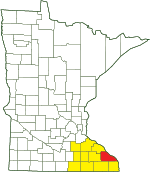
Location |
||||||||||||||||||||||||||||||
Size |
||||||||||||||||||||||||||||||
2,786 acres statutory, 2,147 owned |
||||||||||||||||||||||||||||||
Driving Directions |
||||||||||||||||||||||||||||||
|
||||||||||||||||||||||||||||||
Parking |
||||||||||||||||||||||||||||||
43605 Kipp Drive The entrance to the park is on Winona County Road 3, part of Apple Blossom Scenic Drive. N43 56.287, W91 24.364 |
||||||||||||||||||||||||||||||
Hours |
||||||||||||||||||||||||||||||
Daily from 8 a.m. until 10 p.m. |
||||||||||||||||||||||||||||||
Fees |
||||||||||||||||||||||||||||||
Daily park permit: $7 Annual park permit: $35 |
||||||||||||||||||||||||||||||
Maps |
||||||||||||||||||||||||||||||


Activities |
||||||||||
Hiking Biking Mountain biking Horseback riding Picnicking Camping Backpacking Rock climbing and bouldering Swimming Boating Canoeing Birding Nature photography Geocaching Cross country skiing Skate-skiing Winter hiking Snowshoeing Snowmobiling |
||||||||||
Trails |
||||||||||
|
||||||||||
Hunting and Fishing |
||||||||||
No hunting. The park may hold one or more managed hunts in the fall. In most cases, Minnesota residents do not need a permit to fish in Minnesota State Parks. |
Ecology |
|||||
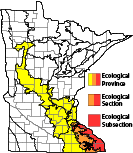
Ecological Classification |
 |
||||
| Ecological Province |  |
Eastern Broadleaf Forest Province | |||
| Ecological Section |  |
Paleozoic Plateau | |||
| Ecological Subsection |  |
The Blufflands | |||
| Land Type Association | Alluvial Plain Brownsville Slopes Caledonia Ridgetops |
||||
Native Plant Communities* |
|||||
Black Ash - Sugar Maple - Basswood - (Blue Beech) Seepage Swamp Dry Bedrock Bluff Prairie (Southern) Dry Limestone - Dolomite Cliff (Southern) Mesic Limestone - Dolomite Cliff (Southern) Mesic Sandstone Cliff (Southern) Oak - Shagbark Hickory Woodland Red Oak - Sugar Maple - Basswood - (Bitternut Hickory) Forest Red Oak - White Oak Forest Southern Dry-Mesic Oak Forest Southern Mesic Cliff Sugar Maple - Basswood - Red Oak - (Blue Beech) Forest |
|||||
| * Source: The Minnesota Biological Survey, Minnesota Department of Natural Resources, Division of Ecological Resources | |||||
Natural Features |
|||||
King’s and Queen’s Bluff SNA lies within the park. The park lies within the borders of the Richard J. Dorer Memorial Hardwood Forest. This part of the state is the “driftless” area of Minnesota, untouched by the last series of glaciers over the last 12,000 years. |
|||||
Visitor Photos |
||
Share your photo of this destination. |
||
This button not working for you? |
||
Greg Watson |
||
 |
 |
|
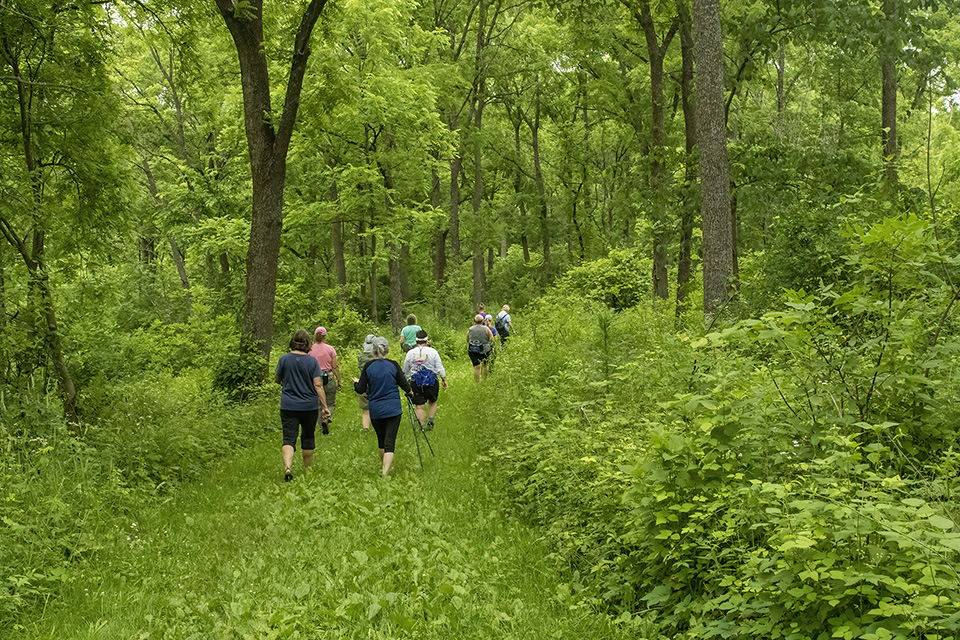
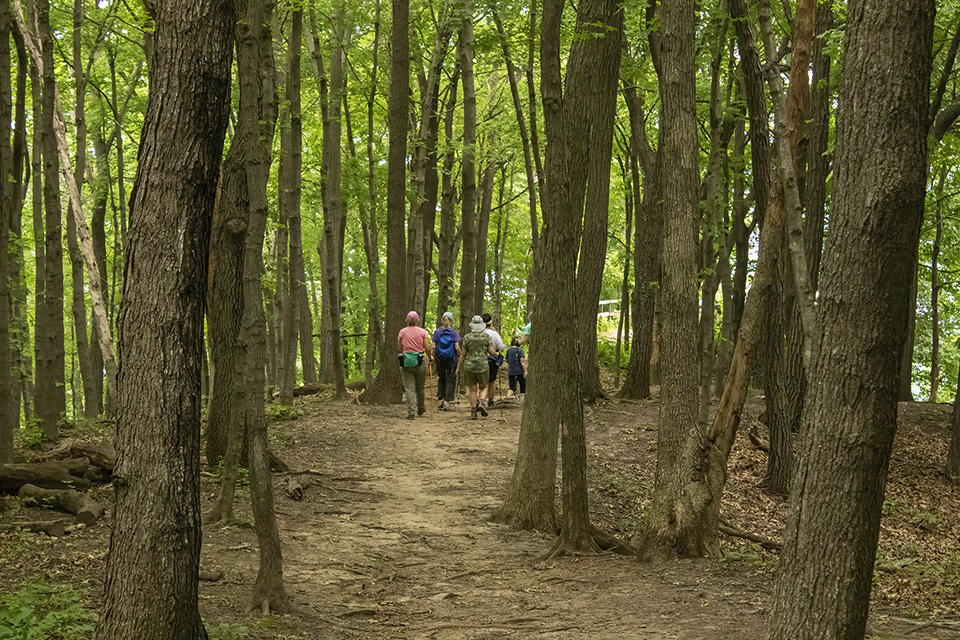
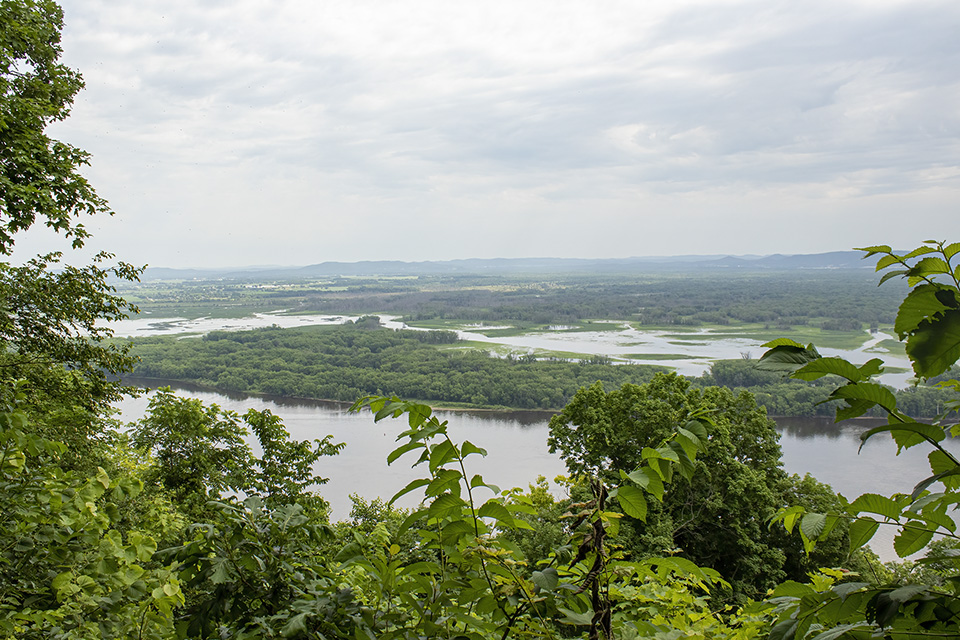
Trail within the King’s Bluff State Park. |
||
 |
 |
|
North Overlook |
||
 |
 |
|
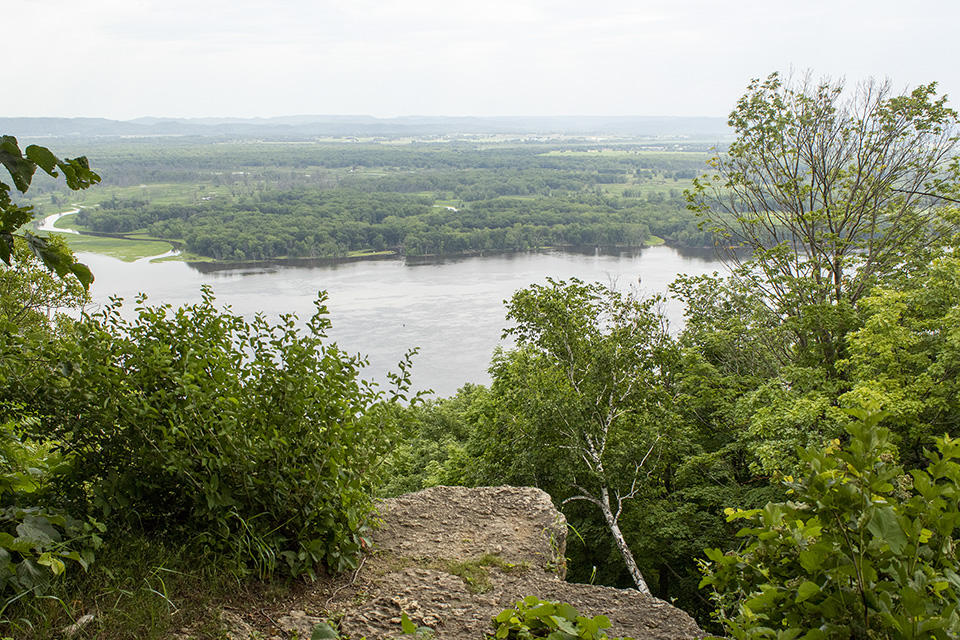
North Overlook |
Near the South Overlook. | |
 |
||
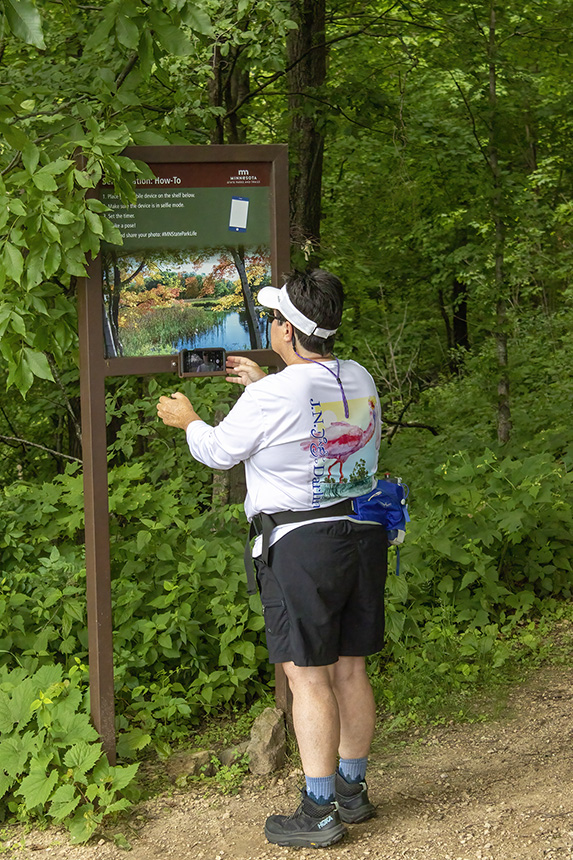
South Overlook The person in the image is placing her cell phone on the Selfie station at the overlook. |
||
MinnesotaSeasons.com Photos |
||
 |
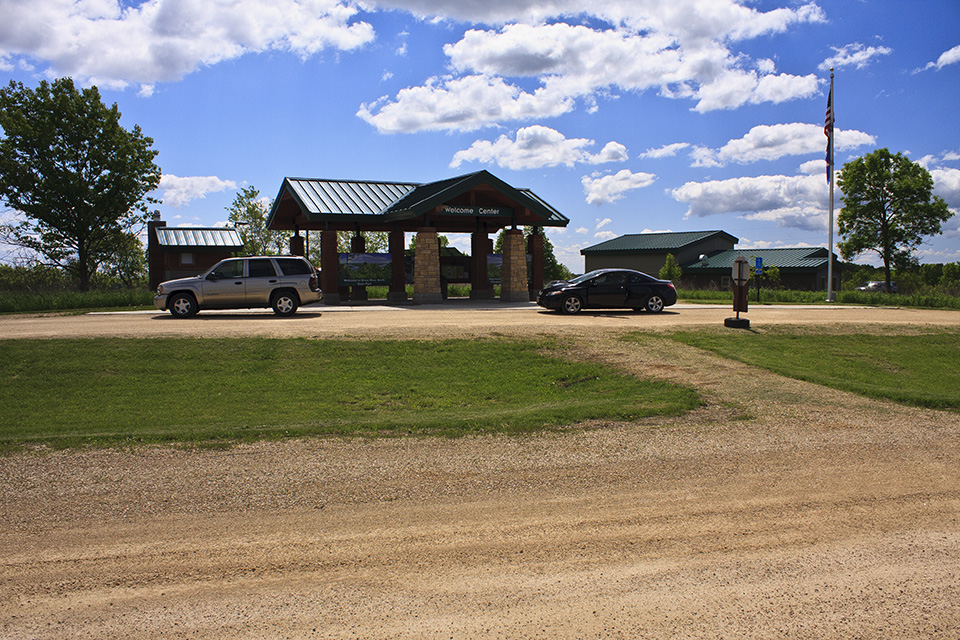 |
|
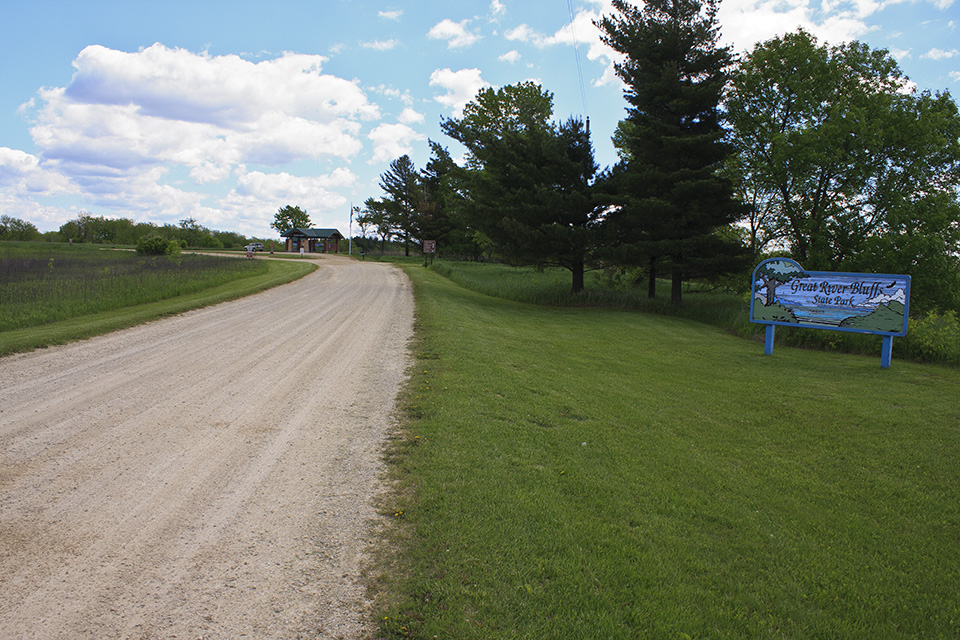
Park entrance |
||
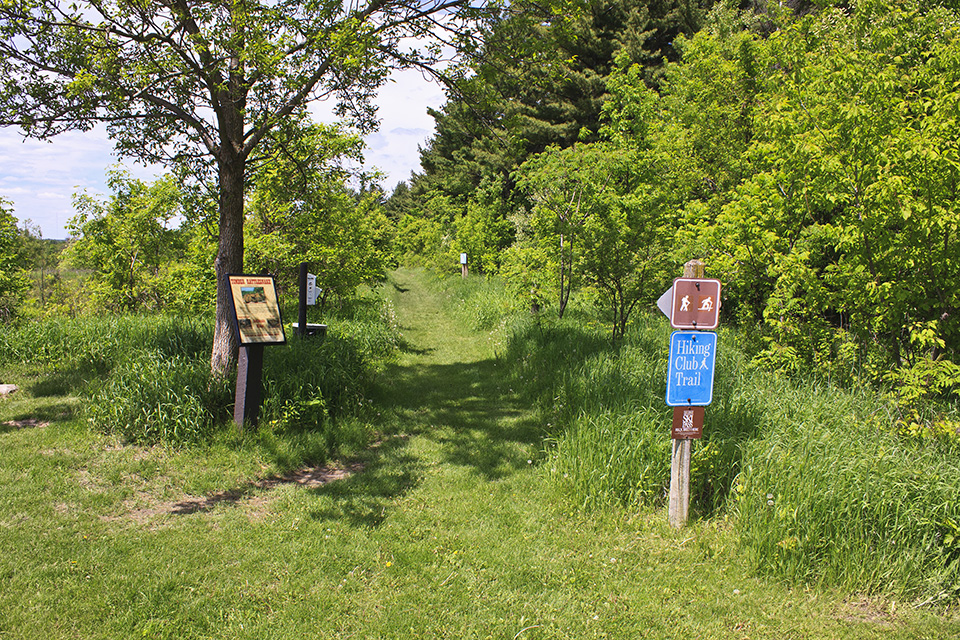 |
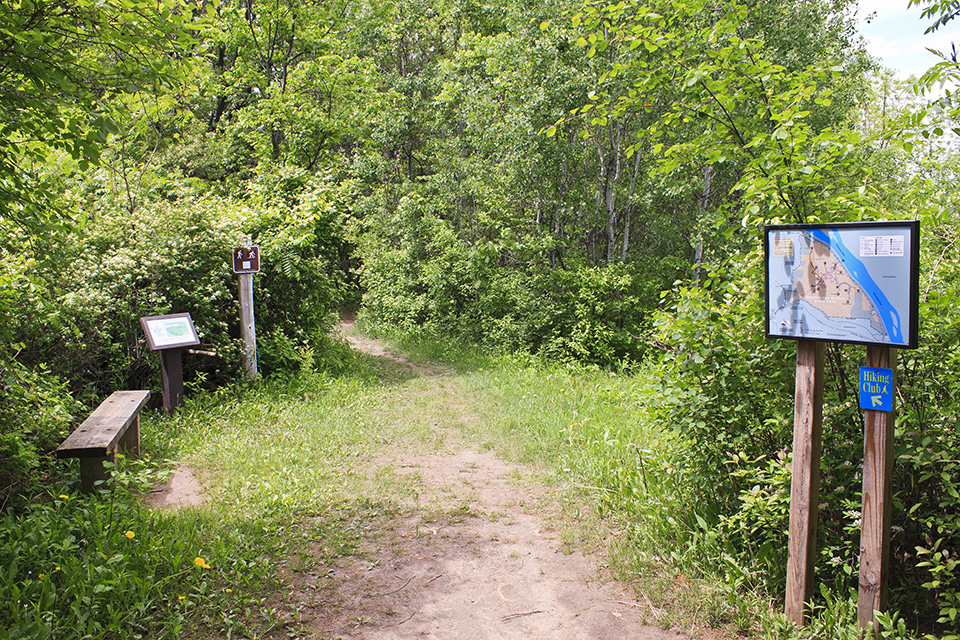 |
|
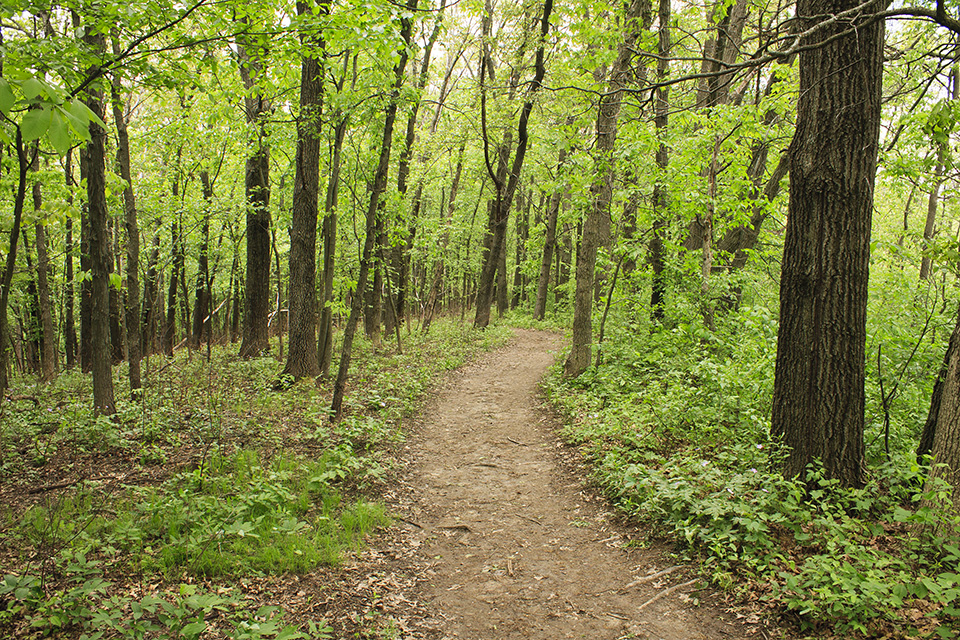
Trails |
||
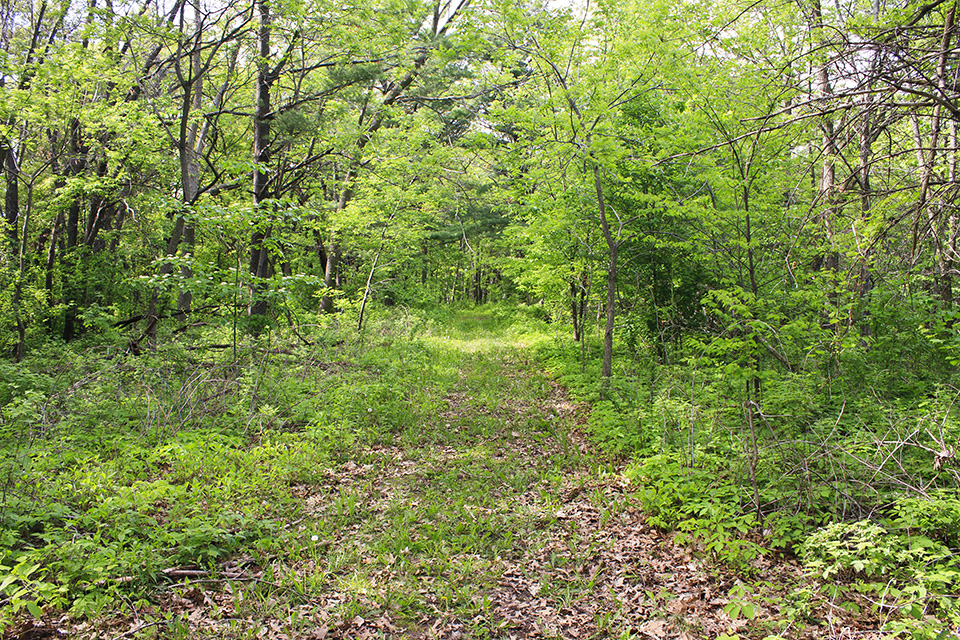 |
||
Trails |
||
 |
 |
|
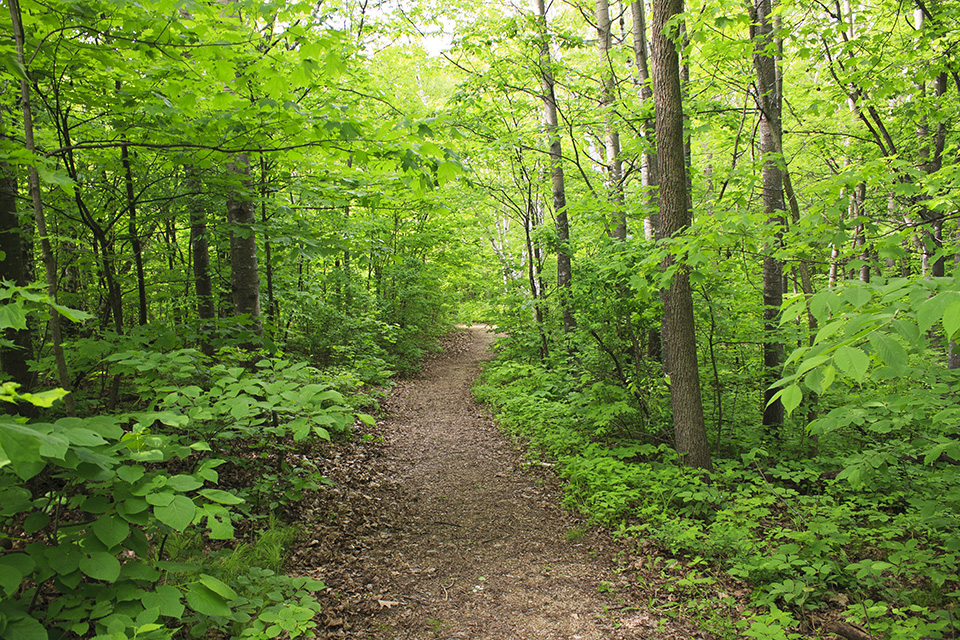
Oak - Shagbark Hickory Woodland |
||
 |
 |
|
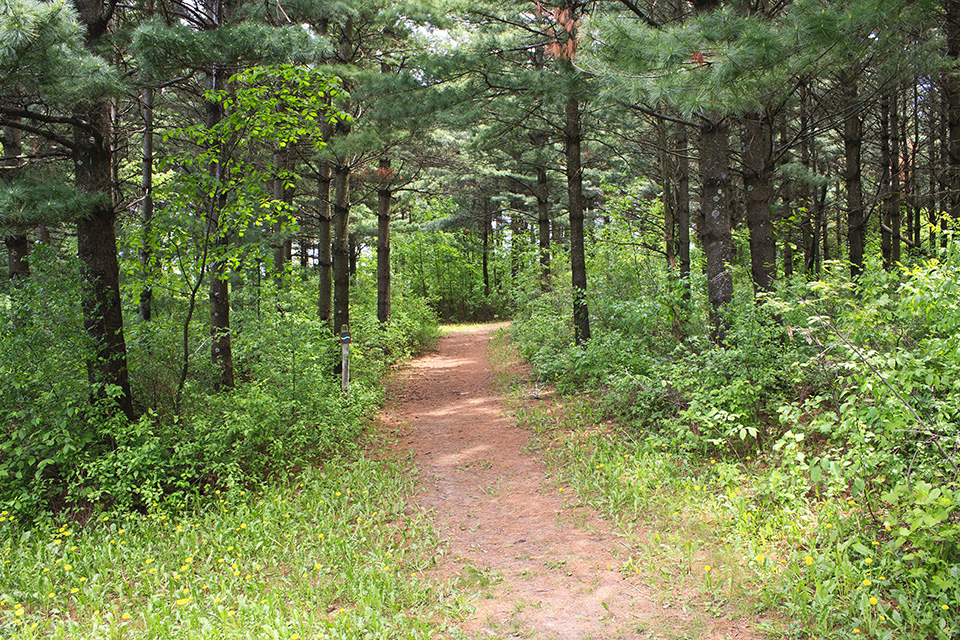
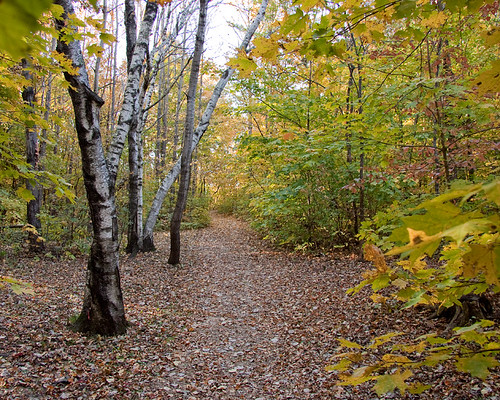
White pine plantation |
||
 |
||
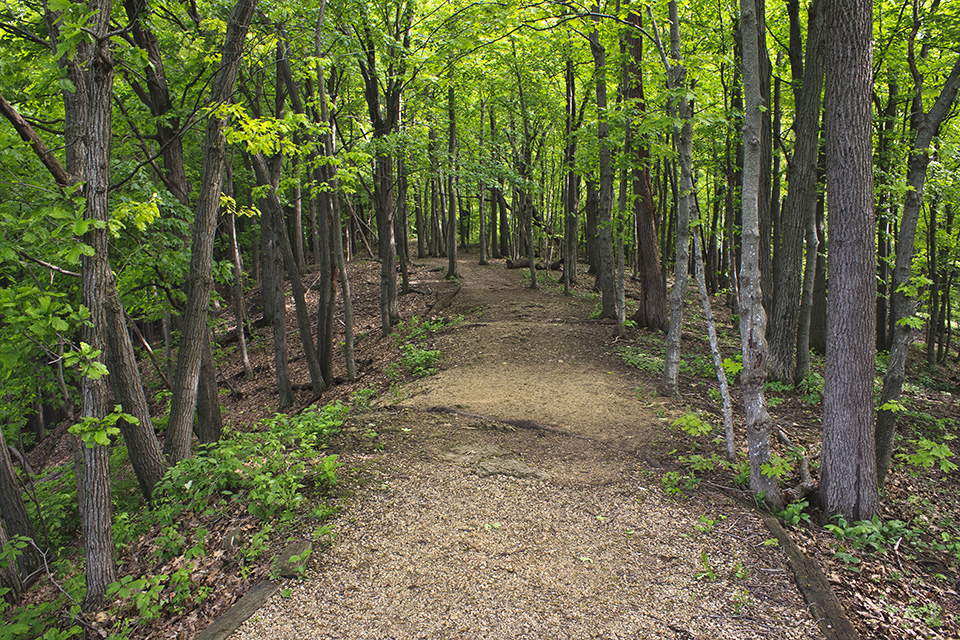
Sugar Maple - Basswood - Red Oak - (Blue Beech) Forest |
||

Slideshows |
Great River Bluffs |
|
About
No description |
Great River bluffs state park Minnesota 2012 |
About
Published on Feb 10, 2014 I created this video with the YouTube Slideshow Creator |
Visitor Videos |
||
Share your video of this destination. |
||
This button not working for you? |
||
|
Other Videos |
||
Great River Bluffs State Park (north overlook) |
About
Published on Aug 18, 2013 Great River Bluffs State Park (north overlook). on a noon break. |
Great River Bluffs State Park (south overlook) |
About
Published on Aug 18, 2013 Great River Bluffs State Park (south overlook). |
Great River Bluffs State Park, September 2013 |
About
Published on Sep 30, 2013 Camping weekend, the color was unexpectedly late this year but the views were none the less, great. Eight miles of hiking over the two days and a steady heavy rain on Saturday didn't stop a very good weekend. |
Great River Bluffs MN State Park |
About
Published on Jul 2, 2012 Hiking the Minnesota State Park just outside of Winona with the children in tow. Boys imagined lots of great adventures along the way. Teenagers connected with the earth instead of the t.v. And us parents enjoyed the beauty, exercise, and watching the kids play with sticks like they were the best toy on the planet. |

Visitor Sightings |
|
Share your sightings or comments about of this destination. |
|
This button not working for you? |
|
Greg Watson |
||
Fungi and Lichens |
||
Eastern American Jack-o’-Lantern Mushroom (Omphalotus illudens) |
 |
|

Plants |
||
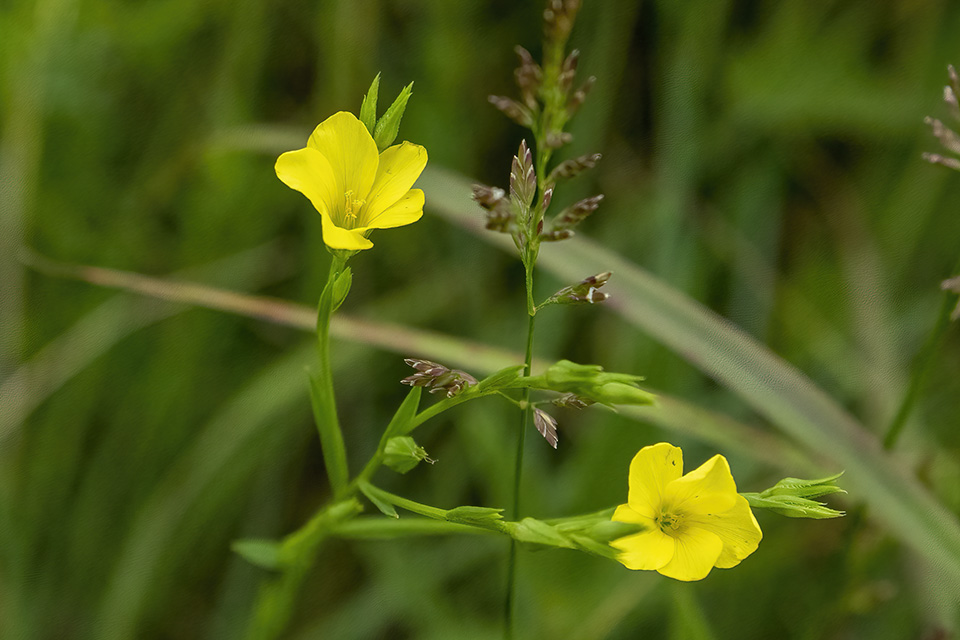 |
||
MinnesotaSeasons.com Sightings |
Visits |
3/31/2000 6/15/2001 4/1/2006 6/3/2013 |
Amphibians |
||
| North American Green Frog (Lithobates clamitans) | 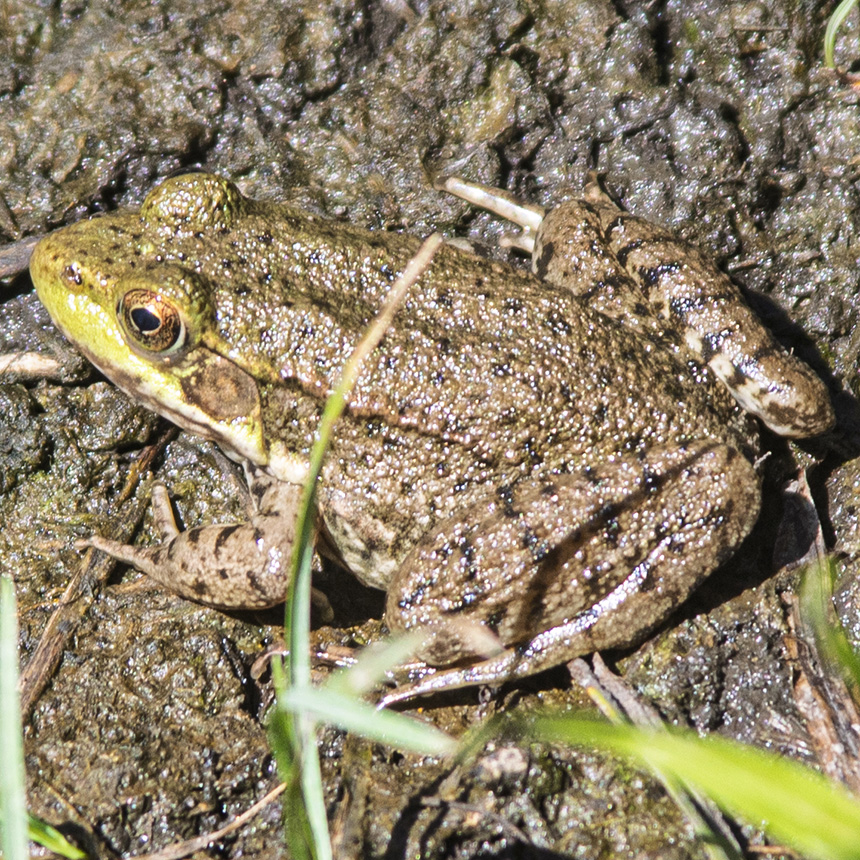 |
|
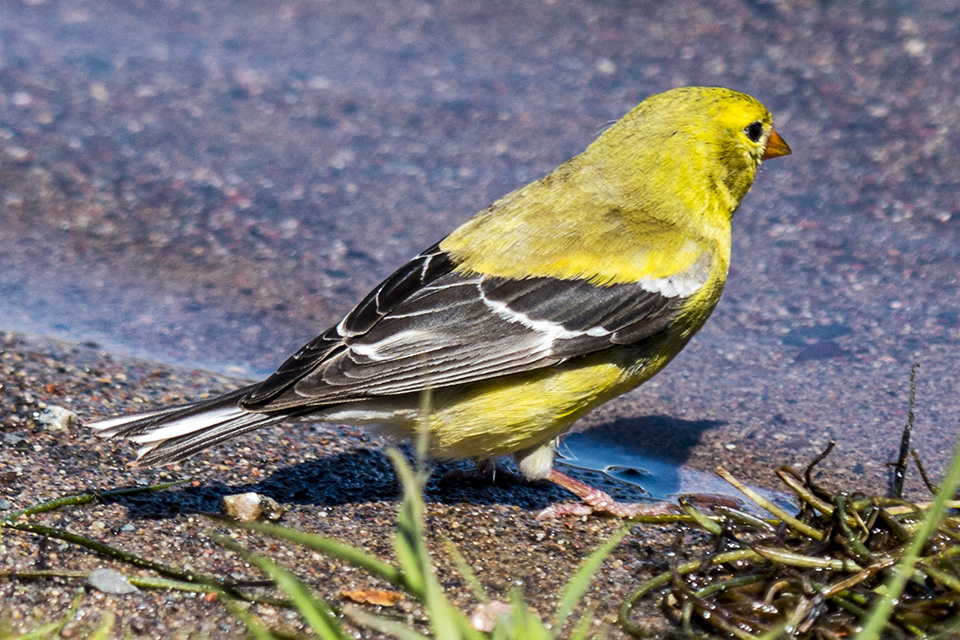
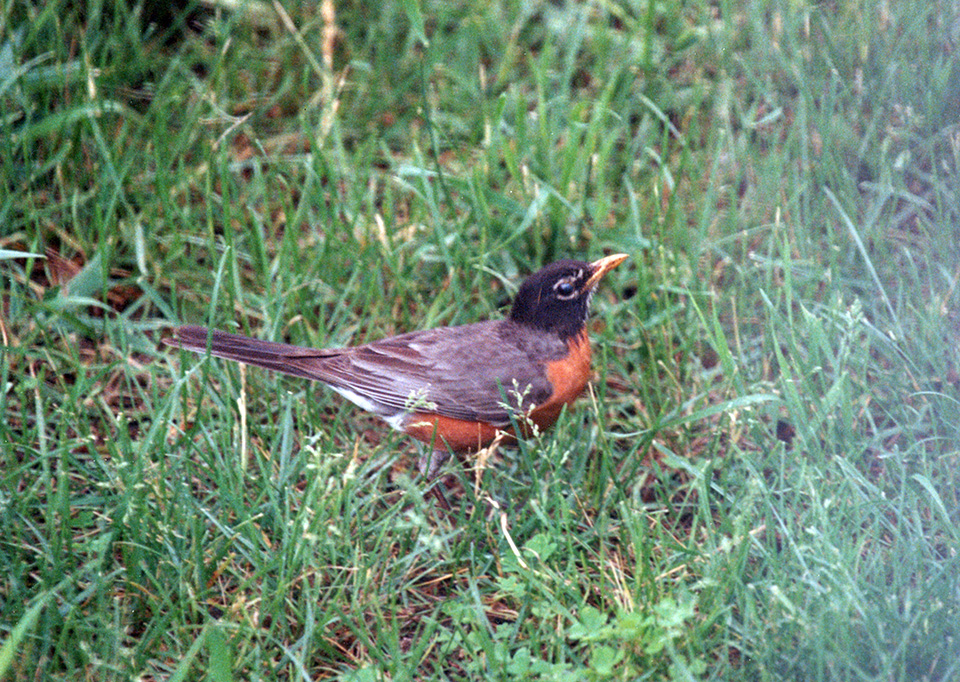
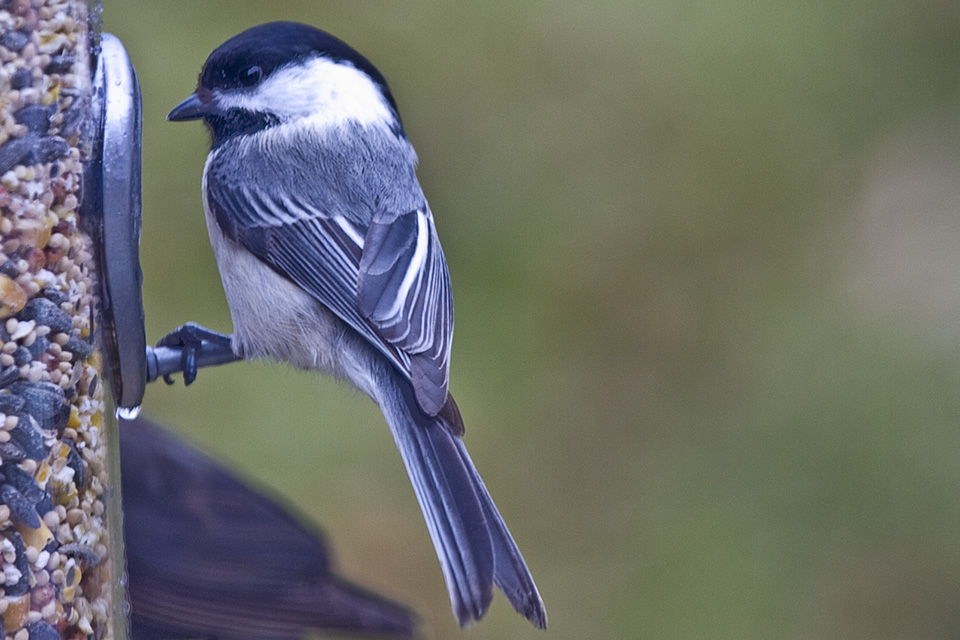
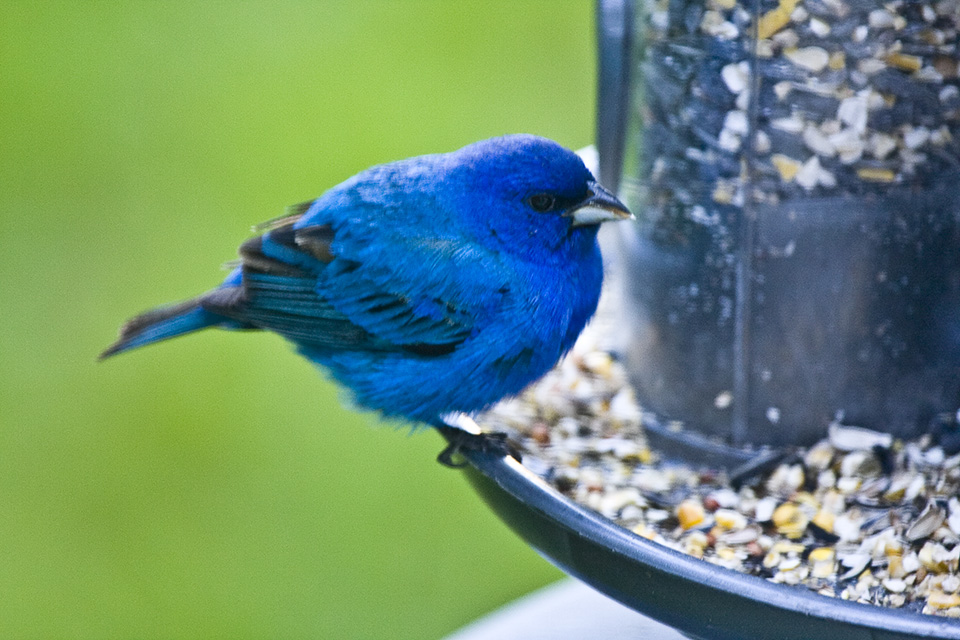
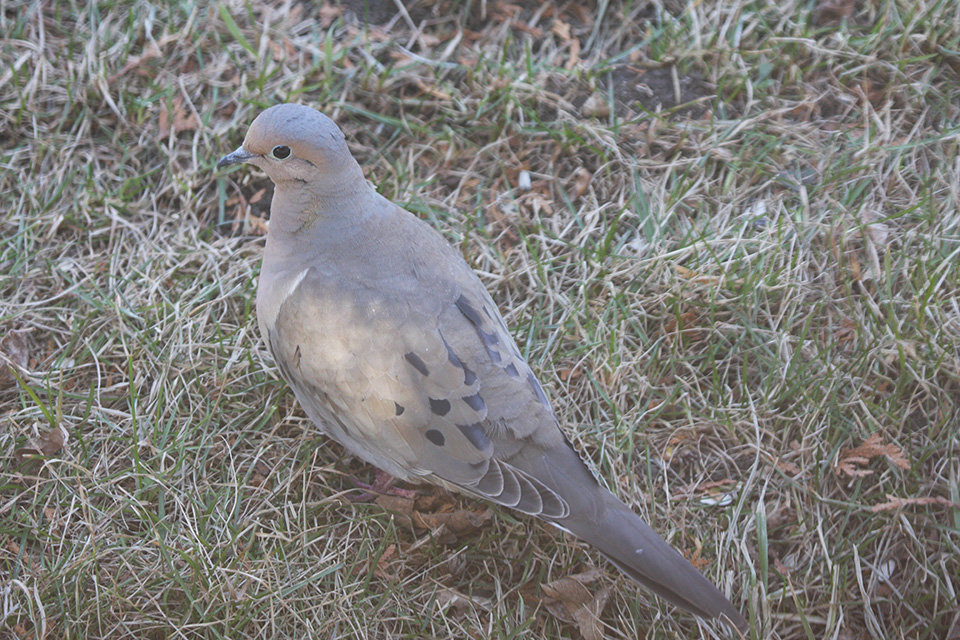
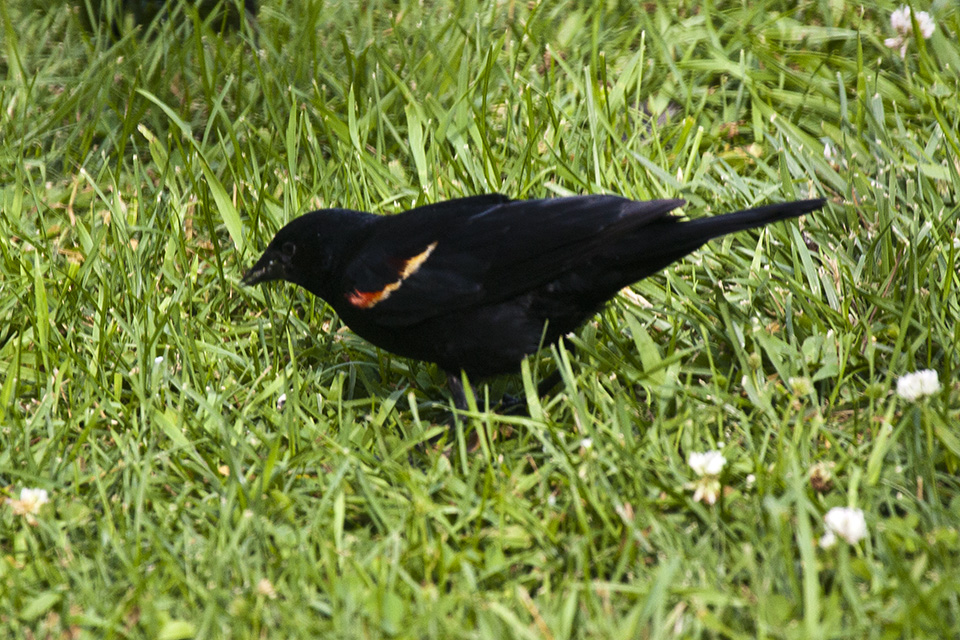
Fungi and Lichens |
||
Black Knot (Apiosporina morbosa) |
 |
|
Insects and Arachnids |
||||||||||
|
||||||||||
black cherry leaf gall mite (Eriophyes cerasicrumena) blacklegged tick (Ixodes scapularis) goldenrod gall fly (Eurosta solidaginis) |
 |
|||||||||
Mammals |
||||||||
|
||||||||
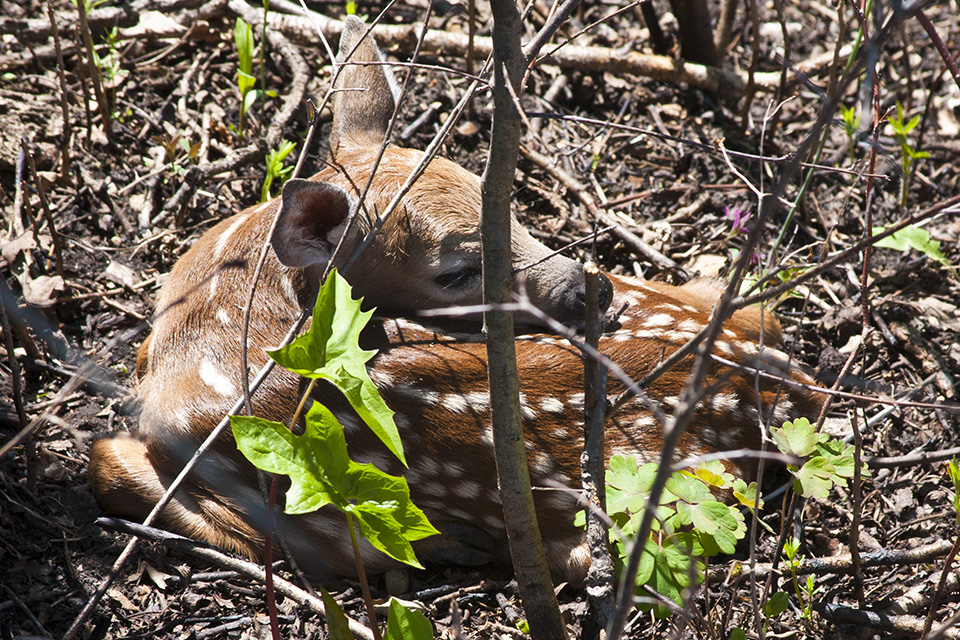
black squirrel (melanistic Eastern Gray Squirrel) (Sciurus carolinensis) Eastern Chipmunk (Tamias striatus) |
 |
|||||||
Plants |
||||||||||||
|
||||||||||||
Plants frequently found in: Black Ash - Sugar Maple - Basswood - (Blue Beech) Seepage Swamp WFs57b Dry Bedrock Bluff Prairie (Southern) UPs13c Dry Limestone - Dolomite Cliff (Southern) CTs12b Mesic Limestone - Dolomite Cliff (Southern) CTs33b Mesic Sandstone Cliff (Southern) CTs33a Oak - Shagbark Hickory Woodland FDs38a Red Oak - Sugar Maple - Basswood - (Bitternut Hickory) Forest MHs38c Red Oak - White Oak Forest MHs37a Southern Dry-Mesic Oak Forest MHs37 Sugar Maple - Basswood - Red Oak - (Blue Beech) Forest MHs39b |
||||||||||||
The lists below include sightings in King’s and Queen’s Bluff SNA, which is located within the park. |
||||||||||||
|
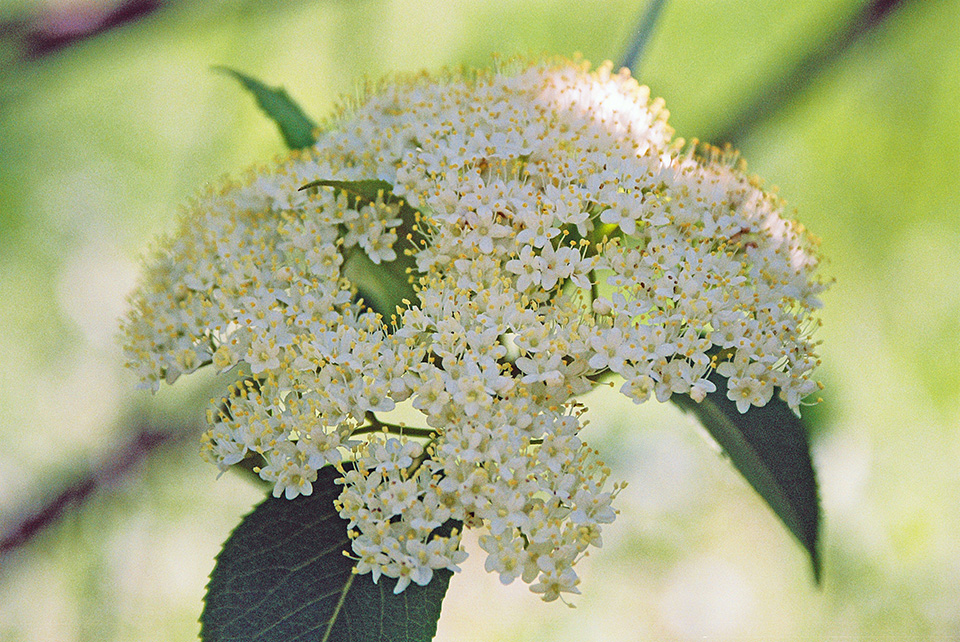
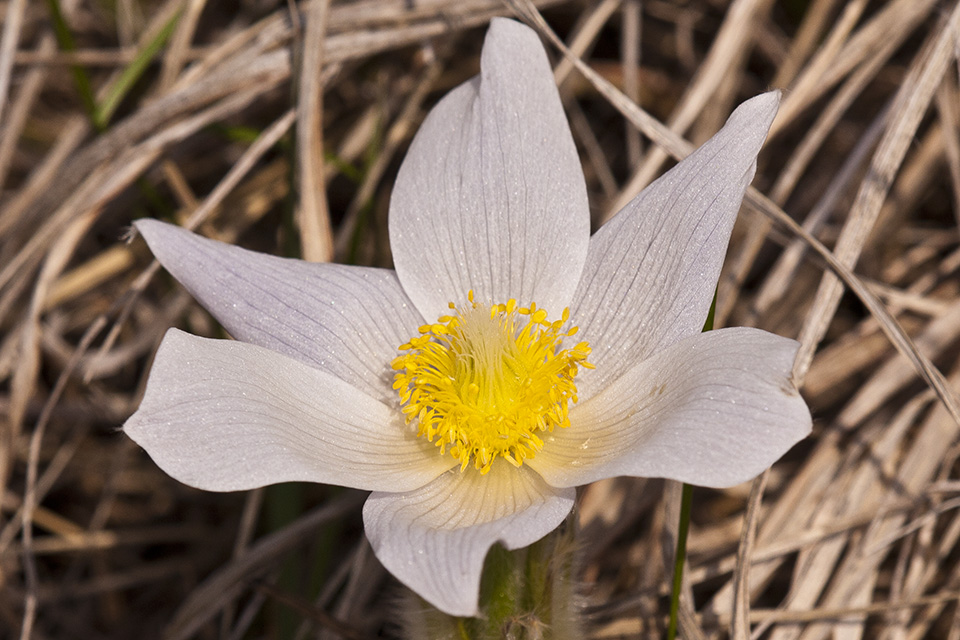
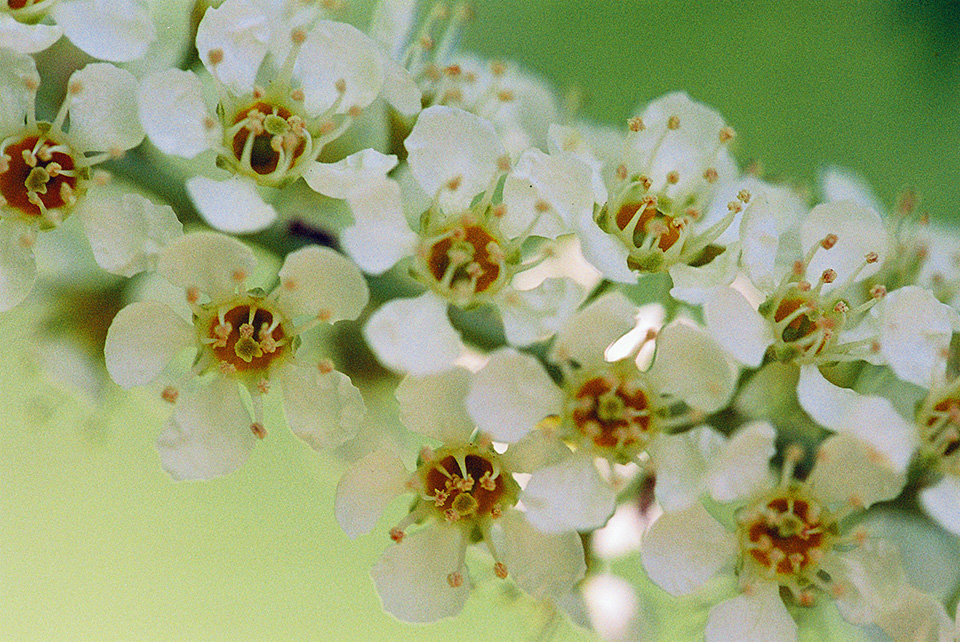
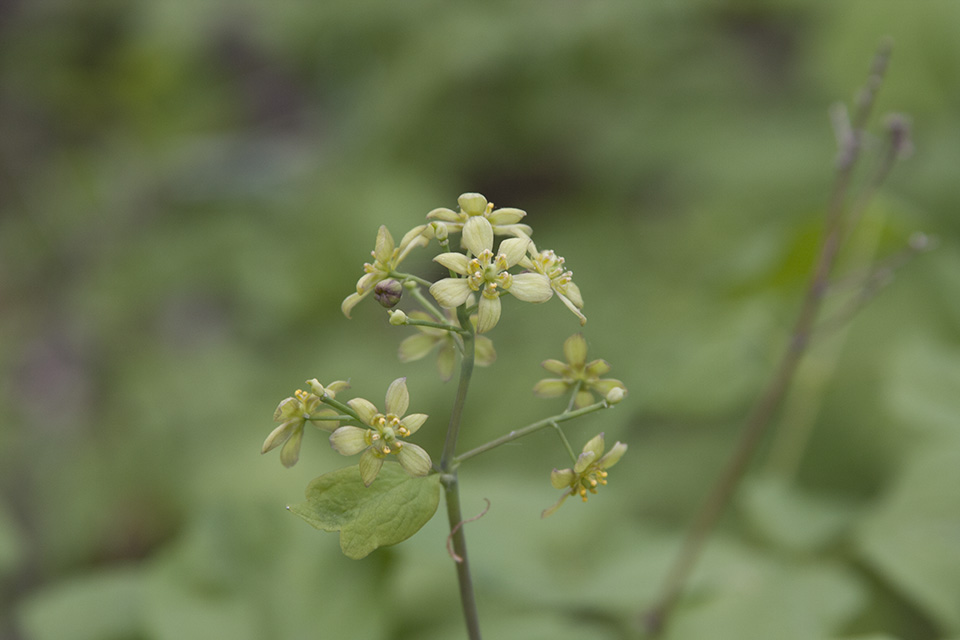
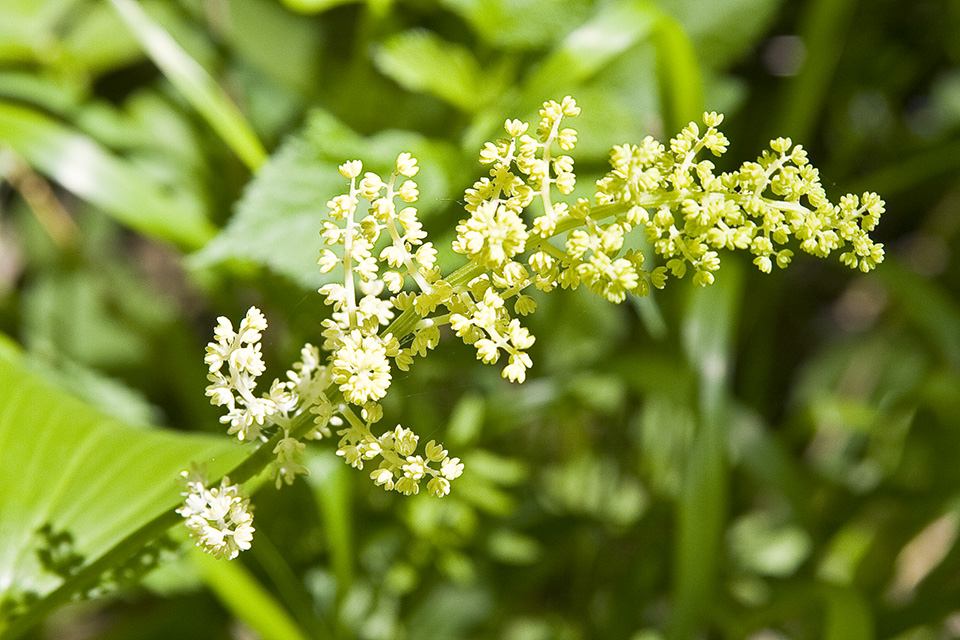
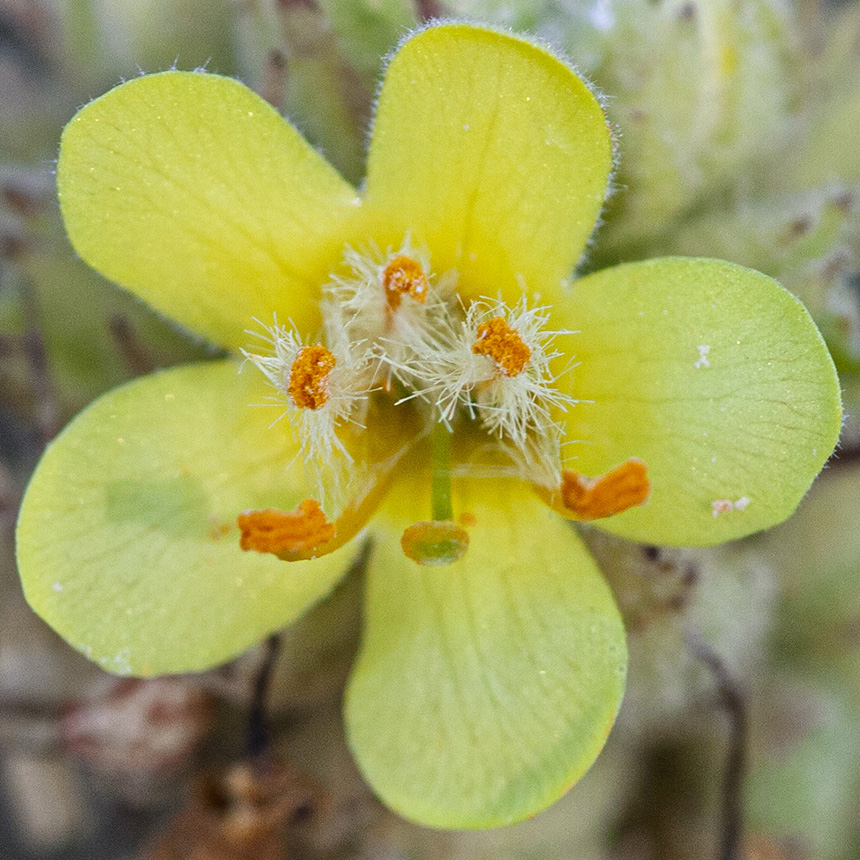
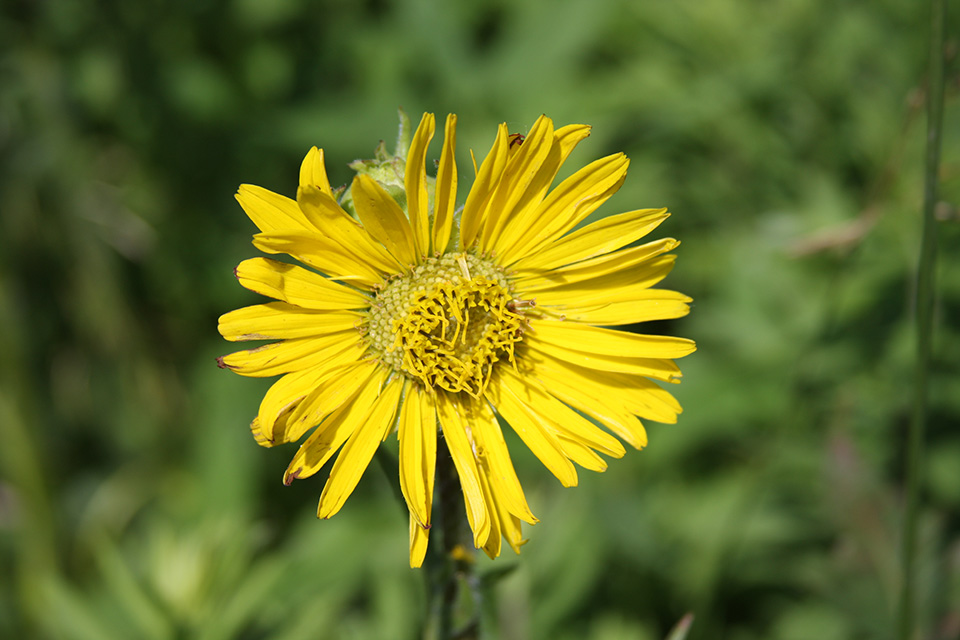
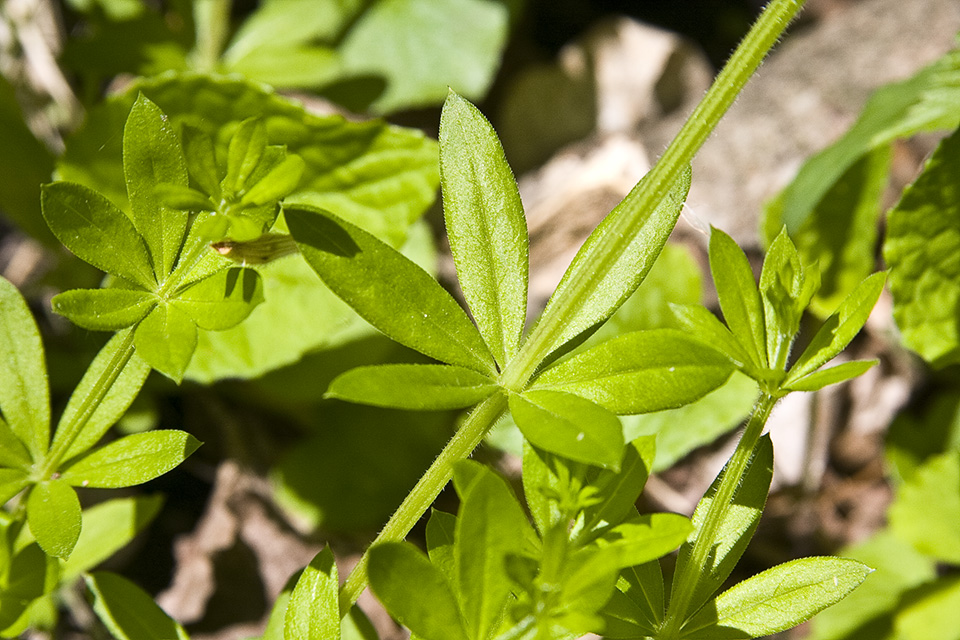
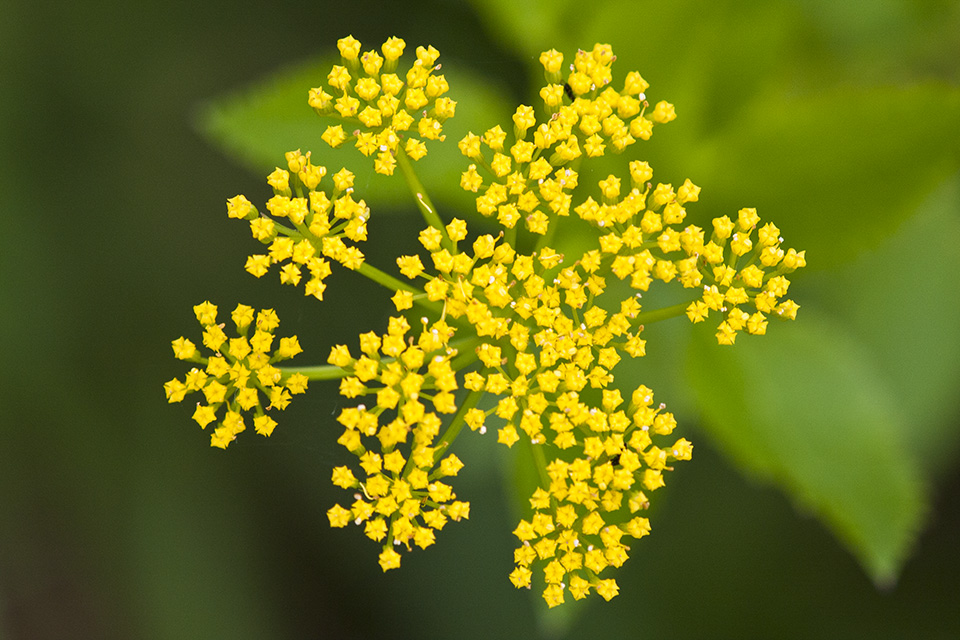
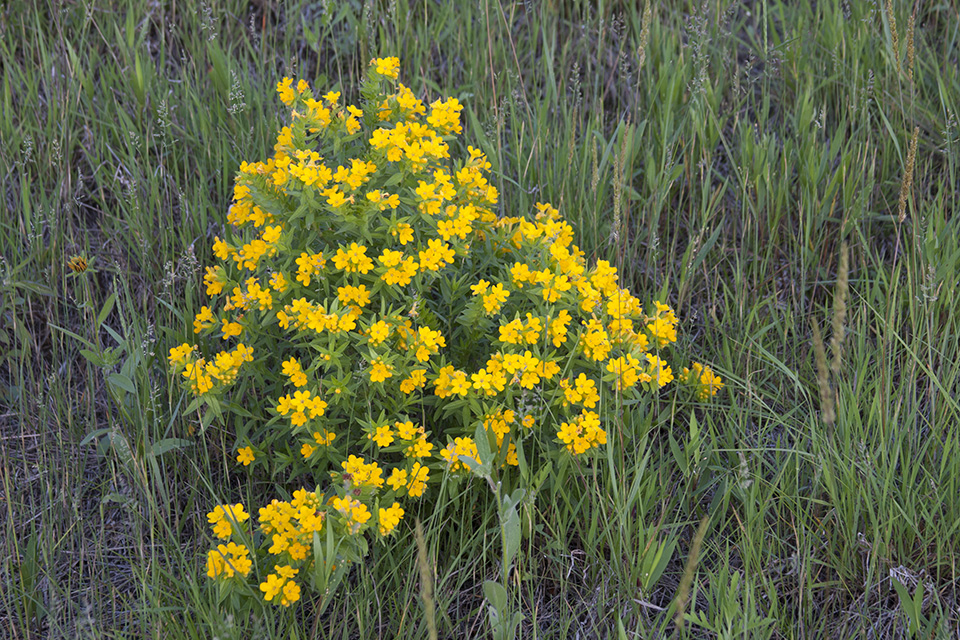
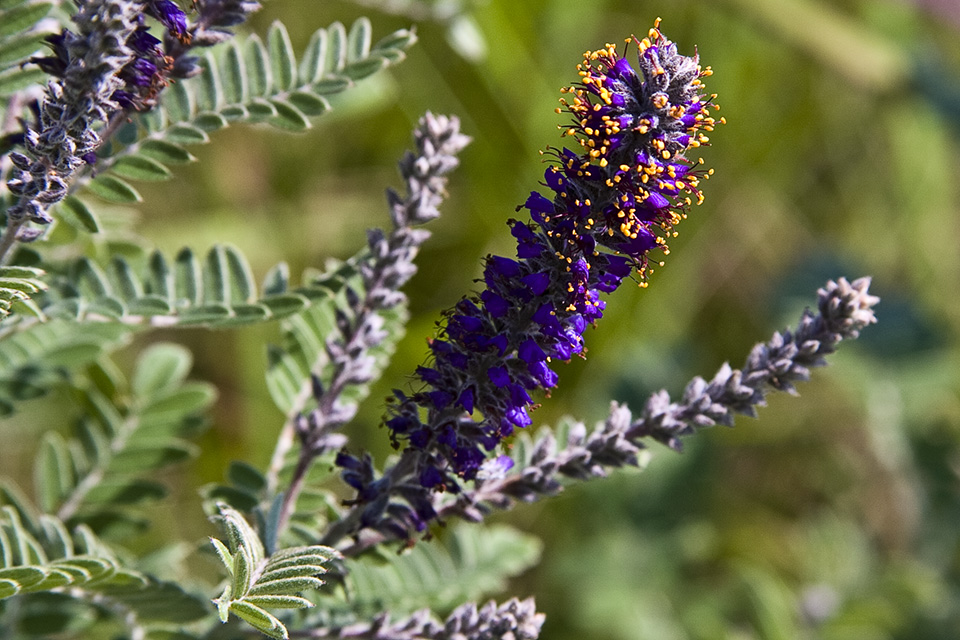
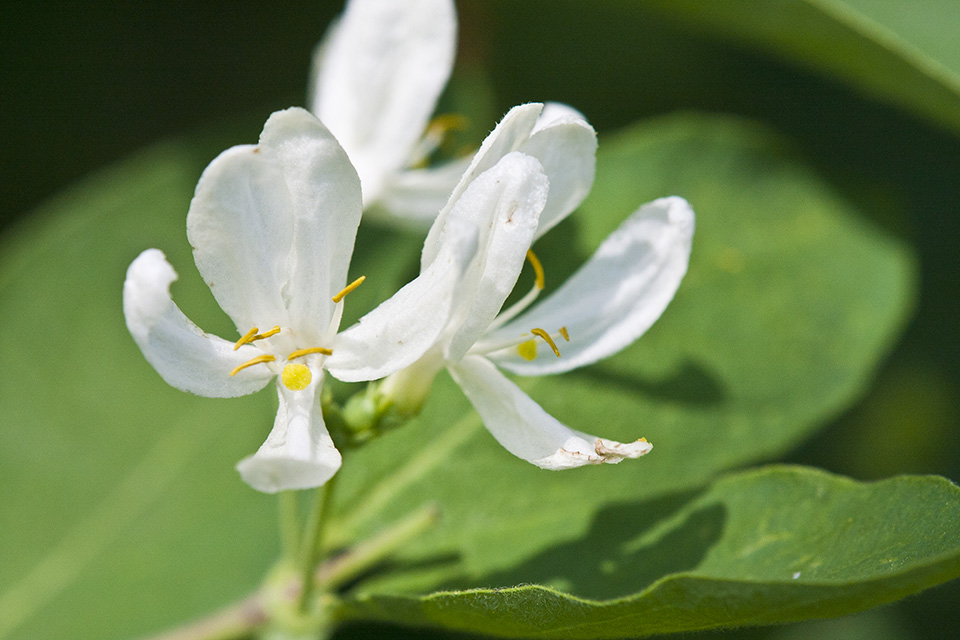
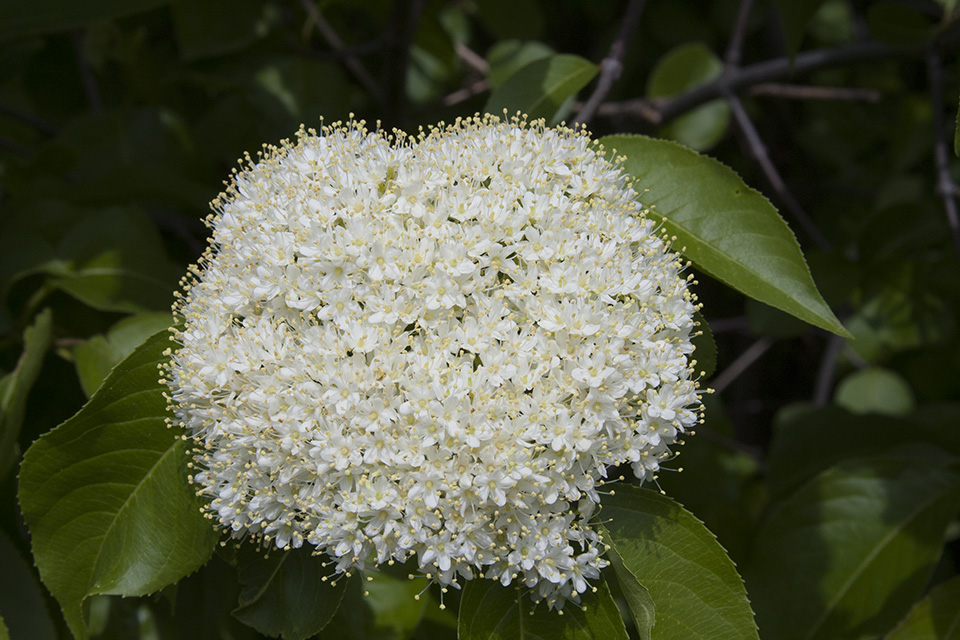
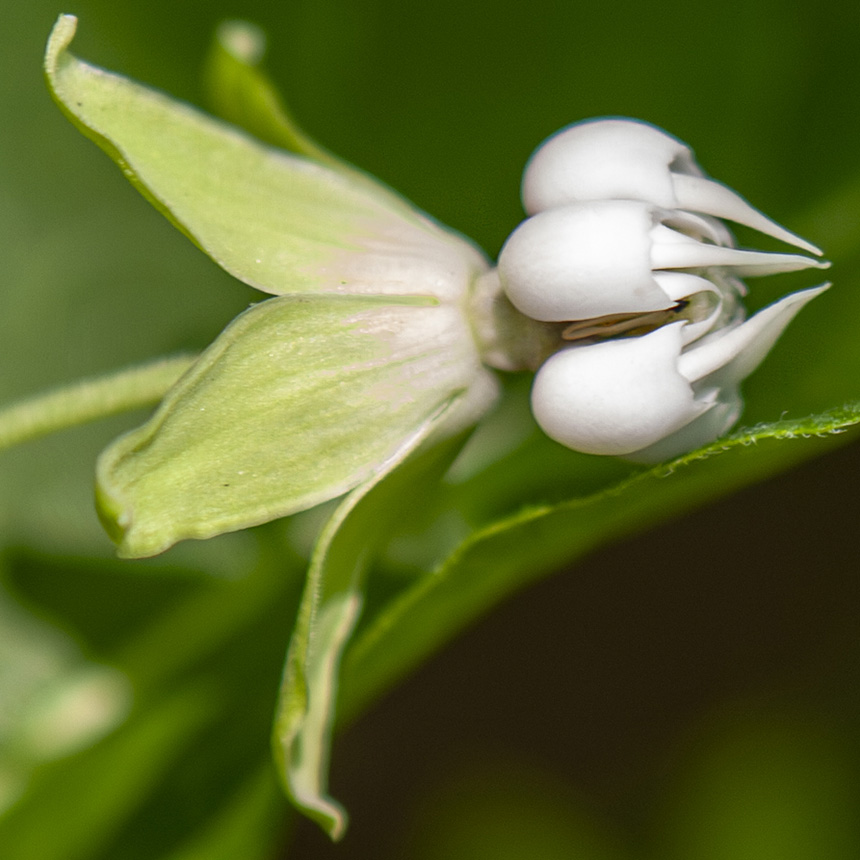
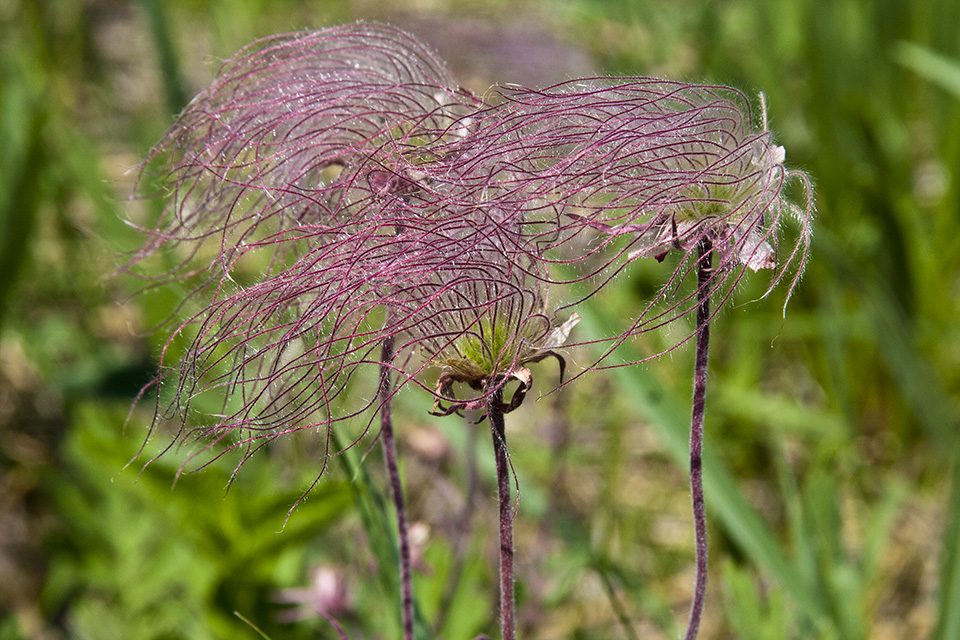
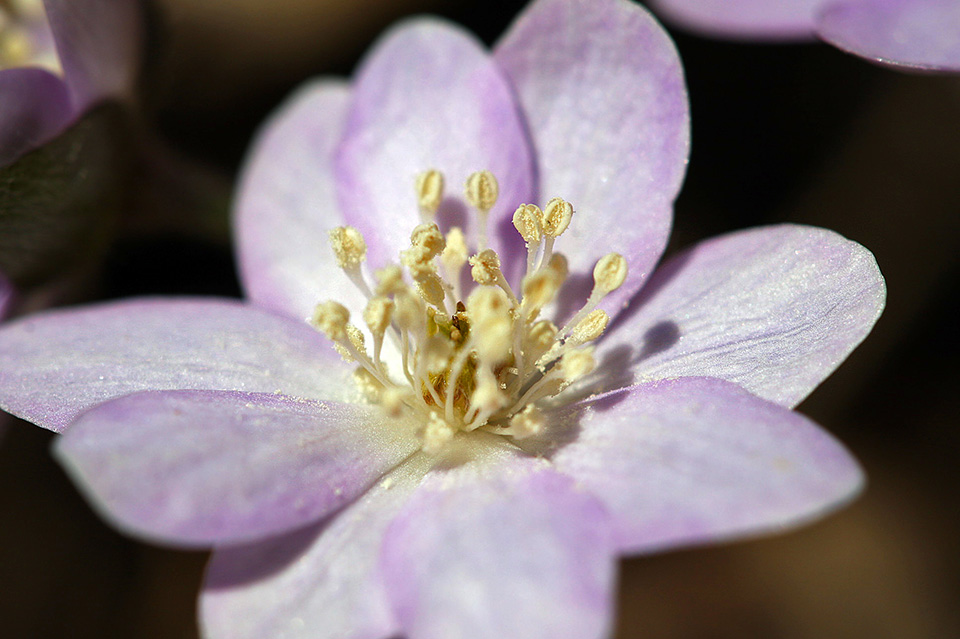
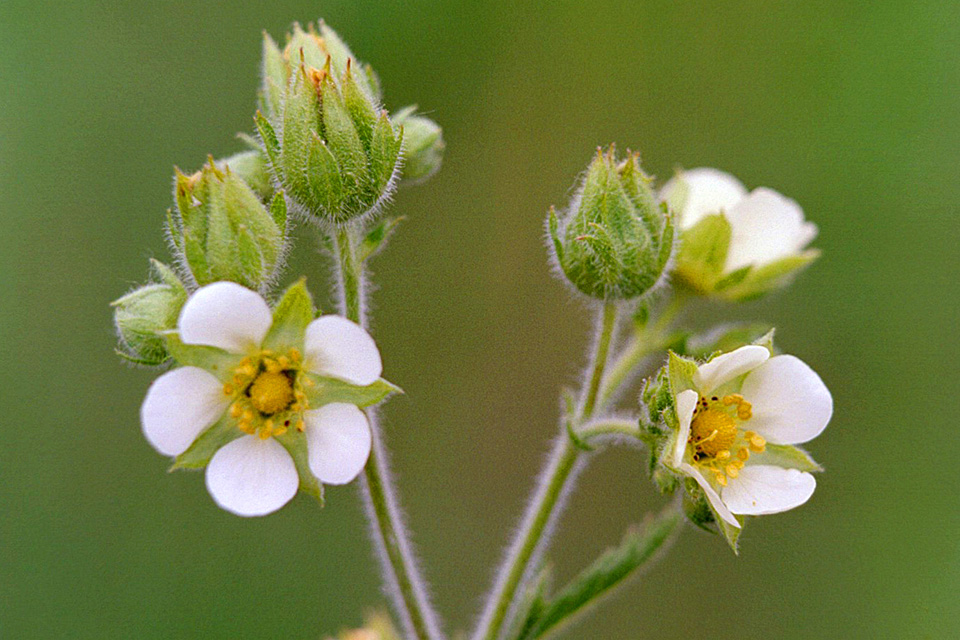
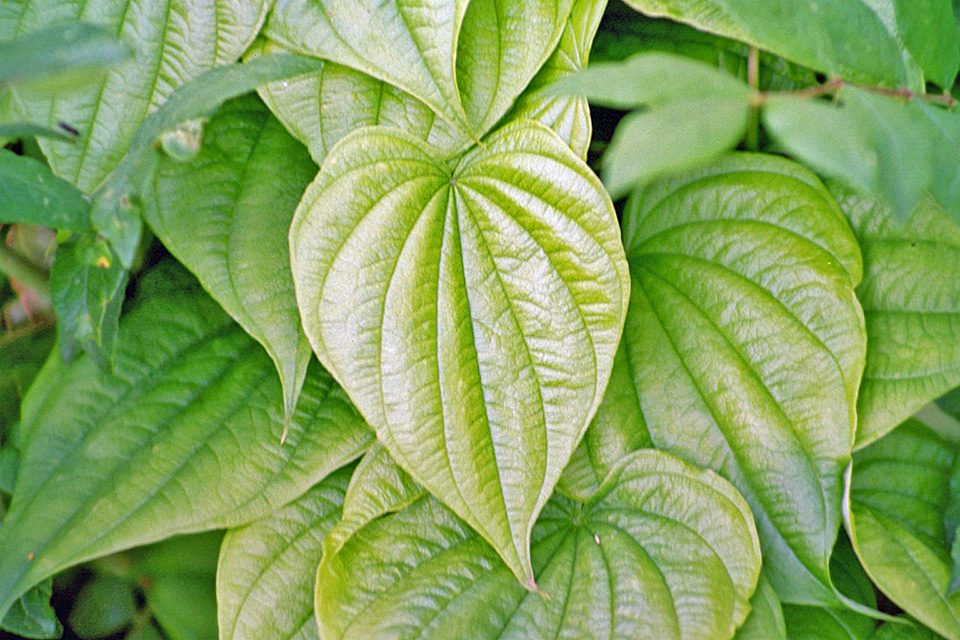
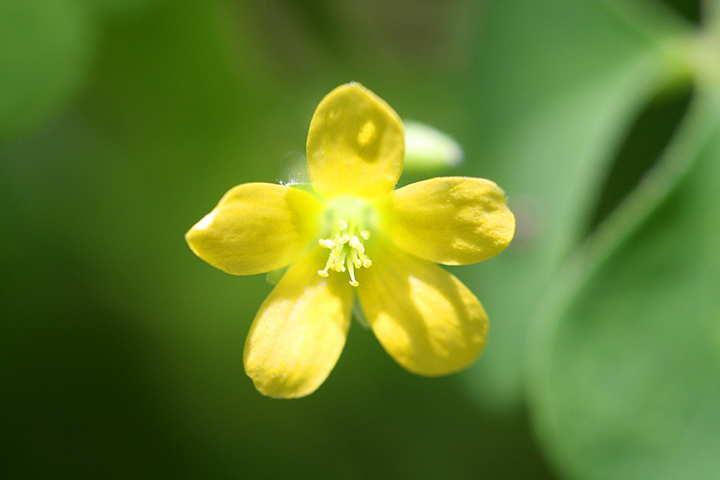
Allegheny blackberry (Rubus allegheniensis) American basswood (Tilia americana var. americana) American elderberry (Sambucus canadensis) American elm (Ulmus americana) American hazelnut (Corylus americana) American hophornbeam (Ostrya virginiana var. virginiana) American pasqueflower (Anemone patens var. multifida) American plum (Prunus americana) annual fleabane (Erigeron annuus) Atlantic ninebark (Physocarpus opulifolius var. intermedius) autumn olive (Elaeagnus umbellata) bastard toadflax (Comandra umbellata ssp. umbellata) bitternut hickory (Carya cordiformis) black cherry (Prunus serotina var. serotina) black raspberry (Rubus occidentalis) black-seeded plantain (Plantago rugelii var. rugelii) bland sweet cicely (Osmorhiza claytonii) bloodroot (Sanguinaria canadensis) blue cohosh (Caulophyllum thalictroides) boxelder (Acer negundo ssp. negundo) bristly greenbrier (Smilax tamnoides) bur oak (Quercus macrocarpa var. macrocarpa) Canada mayflower (Maianthemum canadense) Canada moonseed (Menispermum canadense) Canadian honewort (Cryptotaenia canadensis) Canadian wild ginger (Asarum canadense) Canadian woodnettle (Laportea canadensis) common blue violet (Viola sororia) common buckthorn (Rhamnus cathartica) common burdock (Arctium minus) common cinquefoil (Potentilla simplex) common dandelion (Taraxacum officinale) common evening primrose (Oenothera biennis) common false Solomon’s seal (Maianthemum racemosum var. racemosum) common hackberry (Celtis occidentalis) common mullein (Verbascum thapsus ssp. thapsus) common ragweed (Ambrosia artemisiifolia) common yarrow (Achillea millefolium) compass plant (Silphium laciniatum) downy Parlin’s pussytoes (Antennaria parlinii ssp. fallax) downy phlox (Phlox pilosa ssp. fulgida) early meadow-rue (Thalictrum dioicum) eastern false rue anemone (Enemion biternatum) eastern prickly gooseberry (Ribes cynosbati) eastern redcedar (Juniperus virginiana var. virginiana) eastern white pine (Pinus strobus) edible valerian (Valeriana edulis var. ciliata) European cranberrybush (Viburnum opulus var. opulus) field horsetail (Equisetum arvense) fragrant bedstraw (Galium triflorum) garden yellowrocket (Barbarea vulgaris) garlic mustard (Alliaria petiolata) giant ragweed (Ambrosia trifida) golden alexanders (Zizia aurea) gray dogwood (Cornus racemosa) green ash (Fraxinus pennsylvanica) ground ivy (Glechoma hederacea) hairy puccoon (Lithospermum caroliniense var. croceum) hog peanut (Amphicarpaea bracteata var. bracteata) hooked buttercup (Ranunculus recurvatus var. recurvatus) intermediate bellflower (Campanula intercedens) interrupted fern (Claytosmunda claytoniana) ivory sedge (Carex eburnea) Jack-in-the-pulpit (Arisaema triphyllum) kidney-leaved buttercup (Ranunculus abortivus) large-flowered bellwort (Uvularia grandiflora) late horse gentian (Triosteum perfoliatum) Lindley’s aster (Symphyotrichum ciliolatum) lowland hog peanut (Amphicarpaea bracteata var. comosa) Maryland black snakeroot (Sanicula marilandica) May-apple (Podophyllum peltatum) Morrow’s honeysuckle (Lonicera morrowii) northern bedstraw (Galium boreale) northern lady fern (Athyrium angustum) northern maidenhair (Adiantum pedatum) northern pin oak (Quercus ellipsoidalis) northern prickly ash (Zanthoxylum americanum) northern red oak (Quercus rubra) northern shagbark hickory (Carya ovata) orange hawkweed (Pilosella aurantiaca) oxeye daisy (Leucanthemum vulgare) pagoda dogwood (Cornus alternifolia) paper birch (Betula papyrifera) Philadelphia fleabane (Erigeron philadelphicus var. philadelphicus) plains cottonwood (Populus deltoides ssp. molinifera) pointed-leaved tick-trefoil (Hylodesmum glutinosum) poke milkweed (Asclepias exaltata) prairie blue-eyed grass (Sisyrinchium campestre) prairie coreopsis (Coreopsis palmata) prairie smoke (Geum triflorum var. triflorum) prairie violet (Viola pedatifida) quaking aspen (Populus tremuloides) rattlesnake fern (Botrypus virginianus) red clover (Trifolium pratense) red osier dogwood (Cornus sericea ssp. sericea) river birch (Betula nigra) round-headed bush clover (Lespedeza capitata) round-leaved dogwood (Cornus rugosa) rue anemone (Thalictrum thalictroides) sharp-lobed hepatica (Anemone acutiloba) shining bedstraw (Galium concinnum) silky dogwood (Cornus obliqua) smooth Solomon’s seal (Polygonatum biflorum var. commutatum) starry false Solomon’s seal (Maianthemum stellatum) stiff goldenrod (Solidago rigida ssp. rigida) sugar maple (Acer saccharum ssp. saccharum) sulphur cinquefoil (Potentilla recta) tall cinquefoil (Drymocallis arguta) Tatarian honeysuckle (Lonicera tatarica) upright carrionflower (Smilax ecirrhata) violet wood sorrel (Oxalis violacea) Virginia waterleaf (Hydrophyllum virginianum var. virginianum) western blue virgin’s bower (Clematis occidentalis var. occidentalis) western bracken fern (Pteridium aquilinum var. latiusculum) western Canada violet (Viola canadensis var. rugulosa) western poison ivy (Toxicodendron rydbergii) white baneberry (Actaea pachypoda) white campion (Silene latifolia ssp. alba) white clover (Trifolium repens ssp. repens) white rattlesnake root (Nabalus albus) wild columbine (Aquilegia canadensis) wild geranium (Geranium maculatum) wild strawberry (Fragaria virginiana) woodbine (Parthenocissus vitacea)
Acer negundo ssp. negundo (boxelder) Acer saccharum ssp. saccharum (sugar maple) Achillea millefolium (common yarrow) Actaea pachypoda (white baneberry) Adiantum pedatum (northern maidenhair) Alliaria petiolata (garlic mustard) Ambrosia artemisiifolia (common ragweed) Ambrosia trifida (giant ragweed) Amphicarpaea bracteata var. bracteata (hog peanut) Amphicarpaea bracteata var. comosa (lowland hog peanut) Anemone acutiloba (sharp-lobed hepatica) Anemone patens var. multifida (American pasqueflower) Antennaria parlinii ssp. fallax (downy Parlin’s pussytoes) Aquilegia canadensis (wild columbine) Arctium minus (common burdock) Arisaema triphyllum (Jack-in-the-pulpit) Asarum canadense (Canadian wild ginger) Asclepias exaltata (poke milkweed) Athyrium angustum (northern lady fern) Barbarea vulgaris (garden yellowrocket) Betula nigra (river birch) Betula papyrifera (paper birch) Botrypus virginianus (rattlesnake fern) Campanula intercedens (intermediate_bellflower) Carex eburnea (ivory sedge) Carya cordiformis (bitternut hickory) Carya ovata (northern shagbark hickory) Caulophyllum thalictroides (blue cohosh) Celtis occidentalis (common hackberry) Claytosmunda claytoniana (interrupted fern) Clematis occidentalis var. occidentalis (western blue virgin’s bower) Comandra umbellata ssp. umbellata (bastard toadflax) Coreopsis palmata (prairie coreopsis) Cornus alternifolia (pagoda dogwood) Cornus obliqua (silky dogwood) Cornus racemosa (gray dogwood) Cornus rugosa (round-leaved dogwood) Cornus sericea ssp. sericea (red osier dogwood) Corylus americana (American hazelnut) Cryptotaenia canadensis (Canadian honewort) Drymocallis arguta (tall cinquefoil) Elaeagnus umbellata (autumn olive) Enemion biternatum (eastern false rue anemone) Equisetum arvense (field horsetail) Erigeron annuus (annual fleabane) Erigeron philadelphicus var. philadelphicus (Philadelphia fleabane) Fragaria virginiana (wild strawberry) Fraxinus pennsylvanica (green ash) Galium boreale (northern bedstraw) Galium concinnum (shining bedstraw) Galium triflorum (fragrant bedstraw) Geranium maculatum (wild geranium) Geum triflorum var. triflorum (prairie smoke) Glechoma hederacea (ground ivy) Hydrophyllum virginianum var. virginianum (Virginia waterleaf) Hylodesmum glutinosum (pointed-leaved tick-trefoil) Juniperus virginiana var. virginiana (eastern redcedar) Laportea canadensis (Canadian woodnettle) Lespedeza capitata (round-headed bush clover) Leucanthemum vulgare (oxeye daisy) Lithospermum caroliniense var. croceum (hairy puccoon) Lonicera morrowii (Morrow’s honeysuckle) Lonicera tatarica (Tatarian honeysuckle) Maianthemum canadense (Canada mayflower) Maianthemum racemosum var. racemosum (common false Solomon’s seal) Maianthemum stellatum (starry false Solomon’s seal) Menispermum canadense (Canada moonseed) Nabalus albus (white rattlesnake root) Oenothera biennis (common evening primrose) Osmorhiza claytonii (bland sweet cicely) Ostrya virginiana var. virginiana (American hophornbeam) Oxalis stricta (yellow wood sorrel) Oxalis violacea (violet wood sorrel) Parthenocissus vitacea (woodbine) Phlox pilosa ssp. fulgida (downy phlox) Physocarpus opulifolius var. intermedius (Atlantic ninebark) Pilosella aurantiaca (orange hawkweed) Pinus strobus (eastern white pine) Plantago rugelii var. rugelii (black-seeded plantain) Podophyllum peltatum (May-apple) Polygonatum biflorum var. commutatum (smooth Solomon’s seal) Populus deltoides ssp. molinifera (plains cottonwood) Populus tremuloides (quaking aspen) Potentilla recta (sulphur cinquefoil) Potentilla simplex (common cinquefoil) Prunus americana (American plum) Prunus serotina var. serotina (black cherry) Pteridium aquilinum var. latiusculum (western bracken fern) Quercus ellipsoidalis (northern pin oak) Quercus macrocarpa var. macrocarpa (bur oak) Quercus rubra (northern red oak) Ranunculus abortivus (kidney-leaved buttercup) Ranunculus recurvatus var. recurvatus (hooked buttercup) Rhamnus cathartica (common buckthorn) Ribes cynosbati (eastern prickly gooseberry) Rubus allegheniensis (Allegheny blackberry) Rubus occidentalis (black raspberry) Sambucus canadensis (American elderberry) Sanguinaria canadensis (bloodroot) Sanicula marilandica (Maryland black snakeroot) Silene latifolia ssp. alba (white campion) Silphium laciniatum (compass plant) Sisyrinchium campestre (prairie blue-eyed grass) Smilax ecirrhata (upright carrionflower) Smilax tamnoides (bristly greenbrier) Solidago flexicaulis (zigzag goldenrod) Solidago rigida ssp. rigida (stiff goldenrod) Symphyotrichum ciliolatum (Lindley’s aster) Taraxacum officinale ssp. officinale (common dandelion) Thalictrum dioicum (early meadow-rue) Thalictrum thalictroides (rue anemone) Tilia americana var. americana (American basswood) Toxicodendron rydbergii (western poison ivy) Trifolium pratense (red clover) Trifolium repens ssp. repens (white clover) Triosteum perfoliatum (late horse gentian) Ulmus americana (American elm) Uvularia grandiflora (large-flowered bellwort) Valeriana edulis var. ciliata (edible valerian) Verbascum thapsus ssp. thapsus (common mullein) Viburnum opulus var. opulus (European cranberrybush) Viola canadensis var. rugulosa (western Canada violet) Viola pedatifida var. pedatifida (prairie violet) Viola sororia (common blue violet) |
|
|||||||||||











Reptiles |
||||||||
|
||||||||
Created: Last Updated: © MinnesotaSeasons.com. All rights reserved. |