dog day cicada - Species Profile
Conservation • Description • Habitat • Ecology • Distribution • Taxonomy
Conservation Status
IUCN Red List
not listed
NatureServe
not listed
Minnesota
not listed
Description
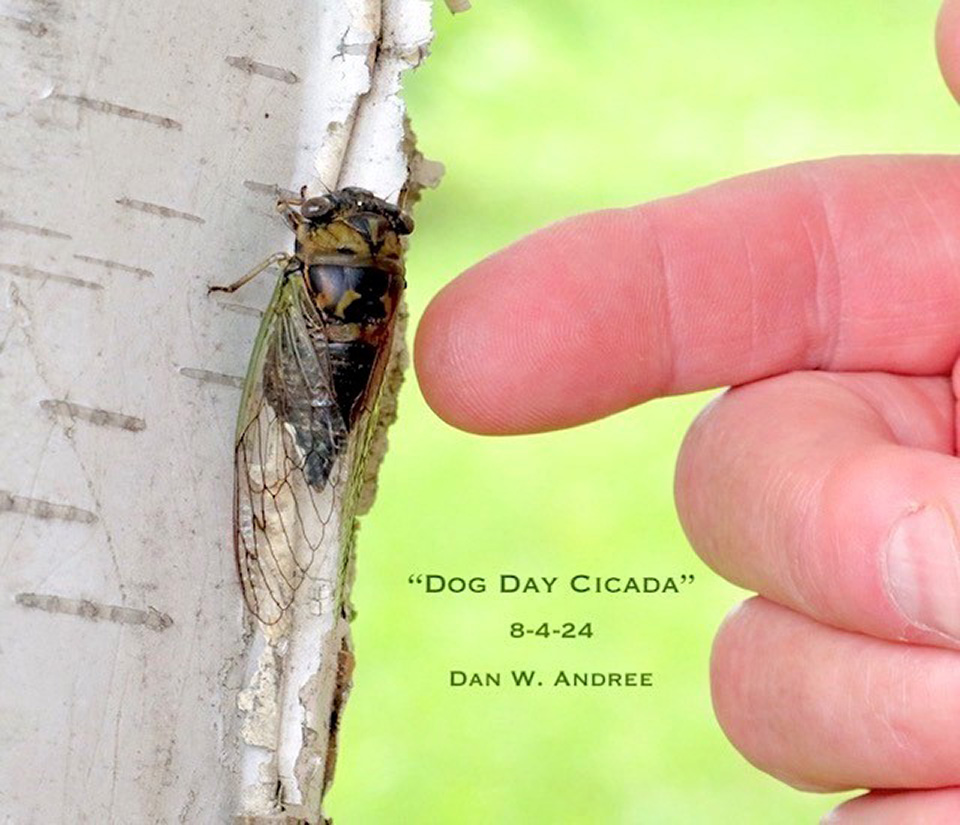
Cicadas whose population is not developmentally synchronized are referred to as annual cicadas. Dog day cicada is a large, late season, annual cicada. It is by far the most common cicada in Minnesota.
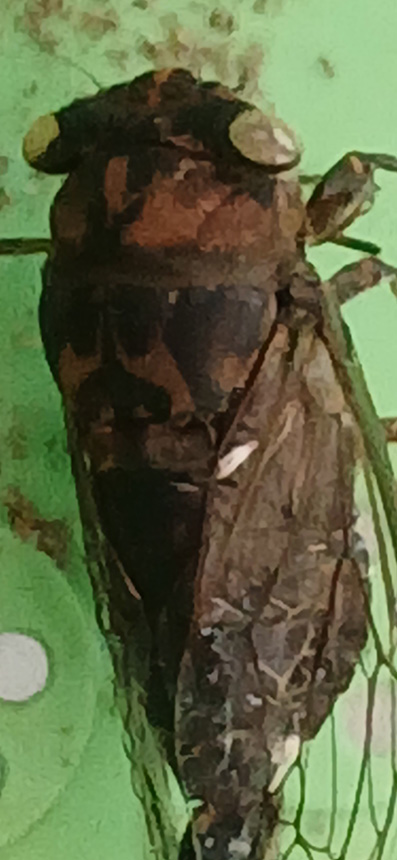
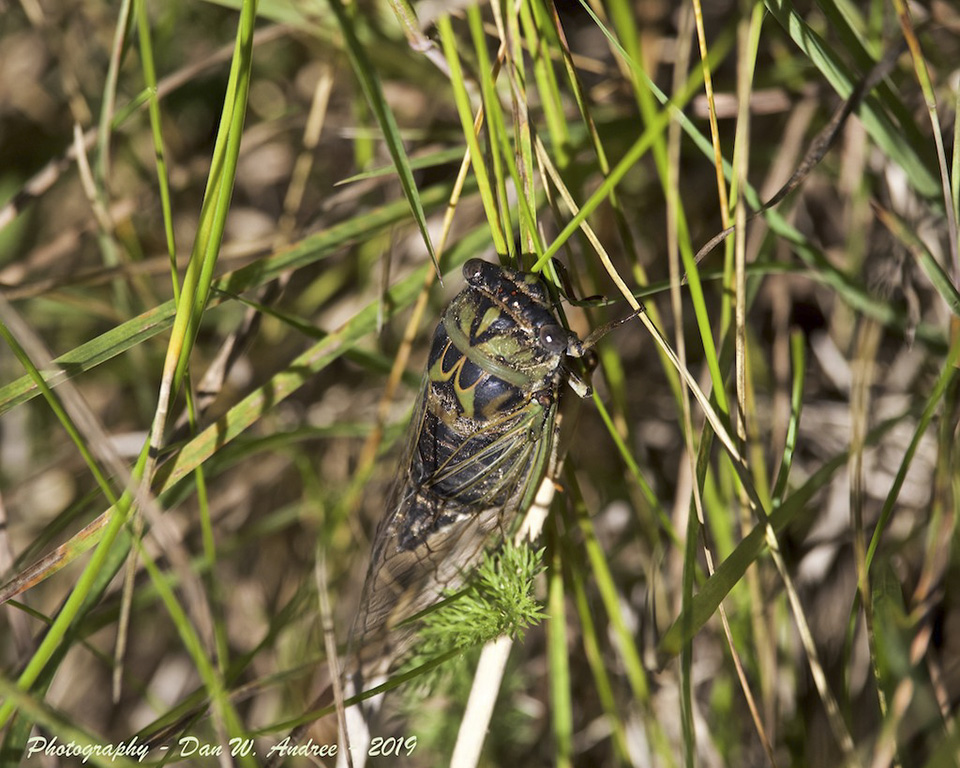
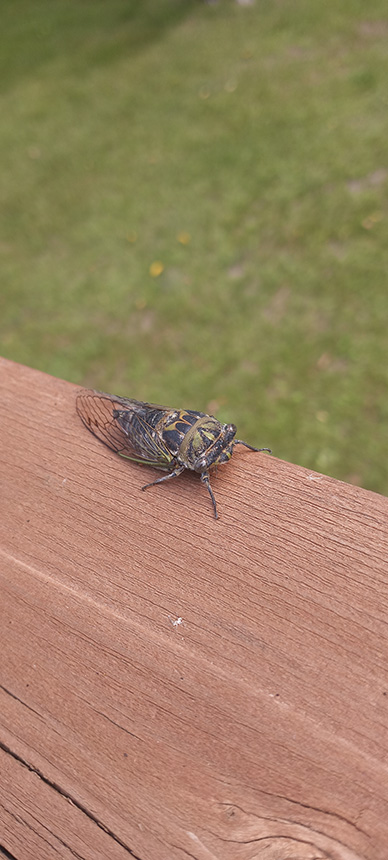
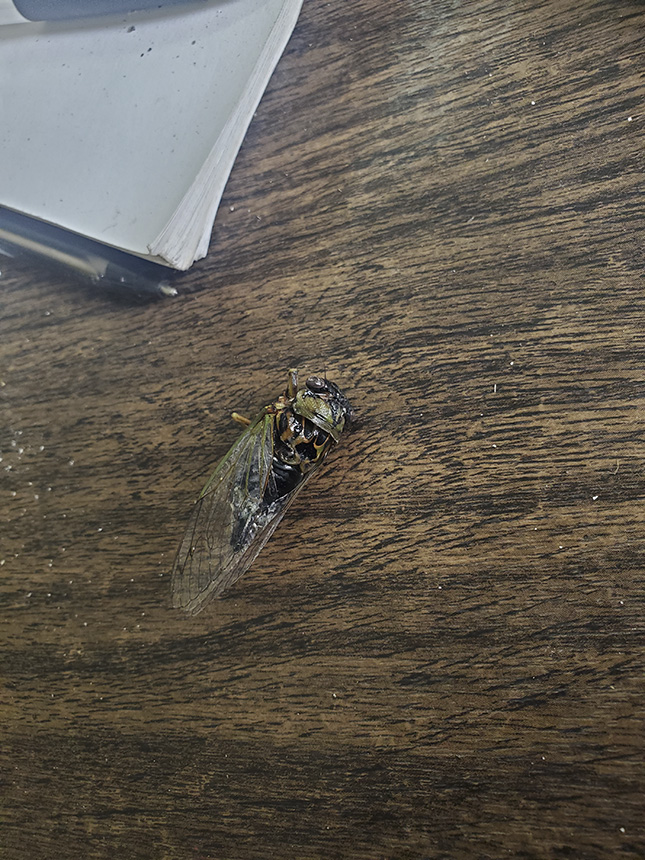
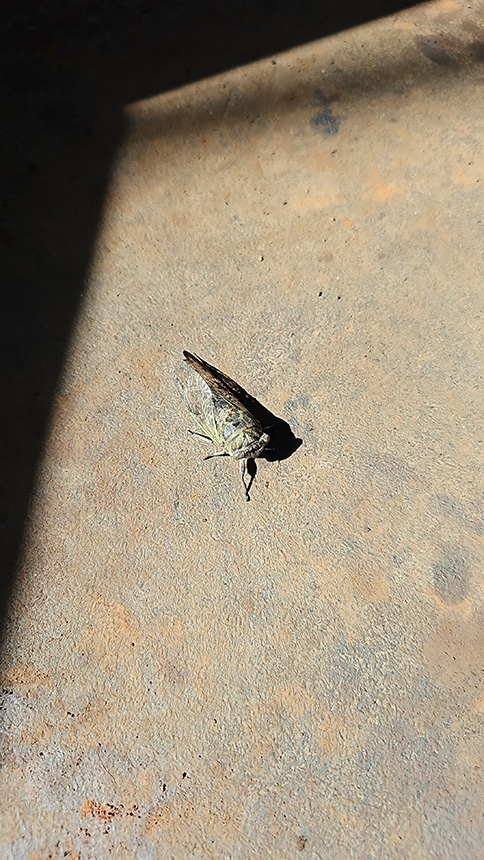
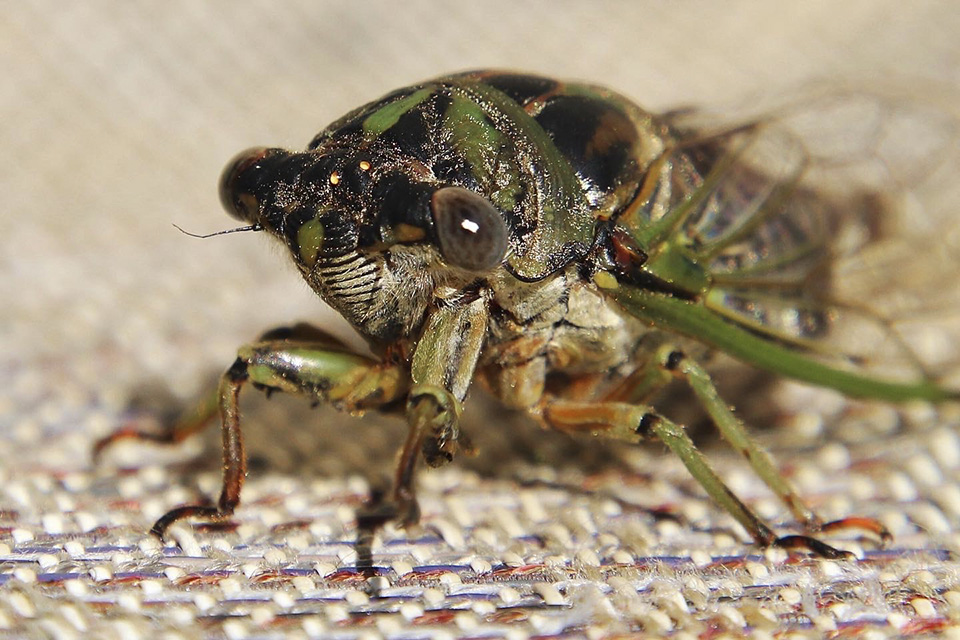
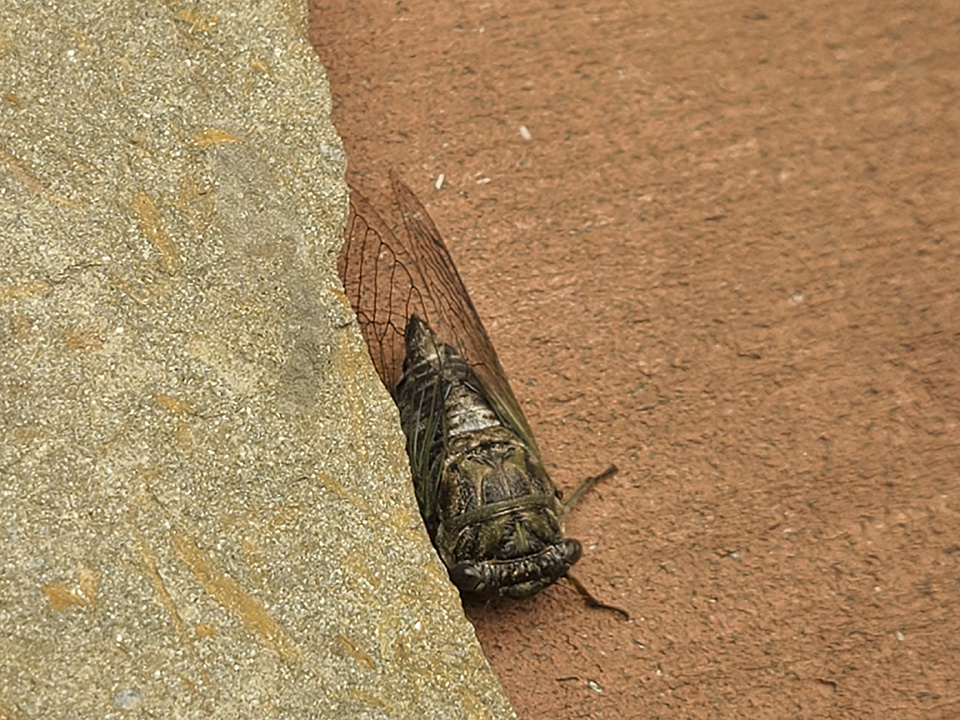
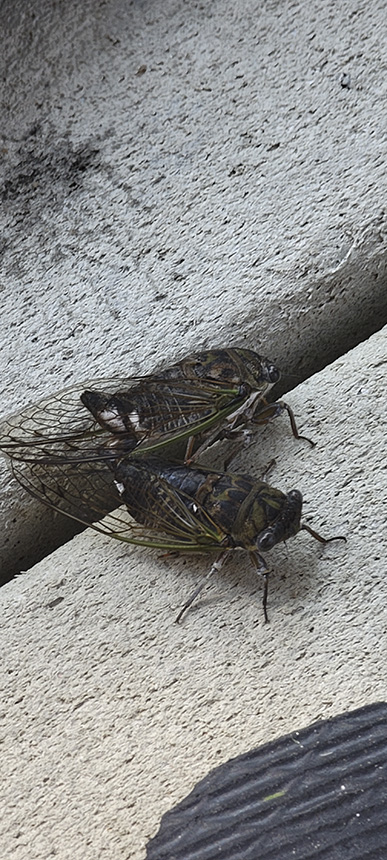
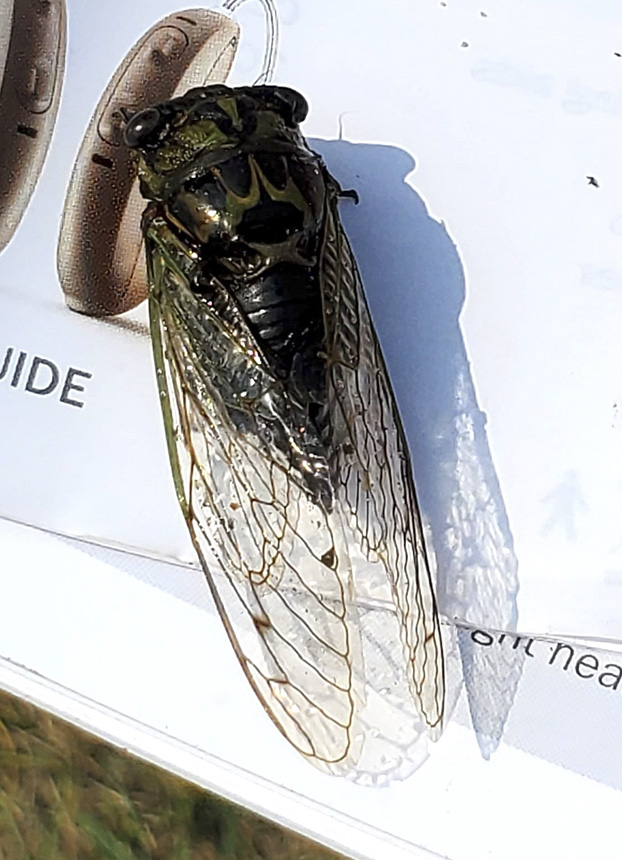
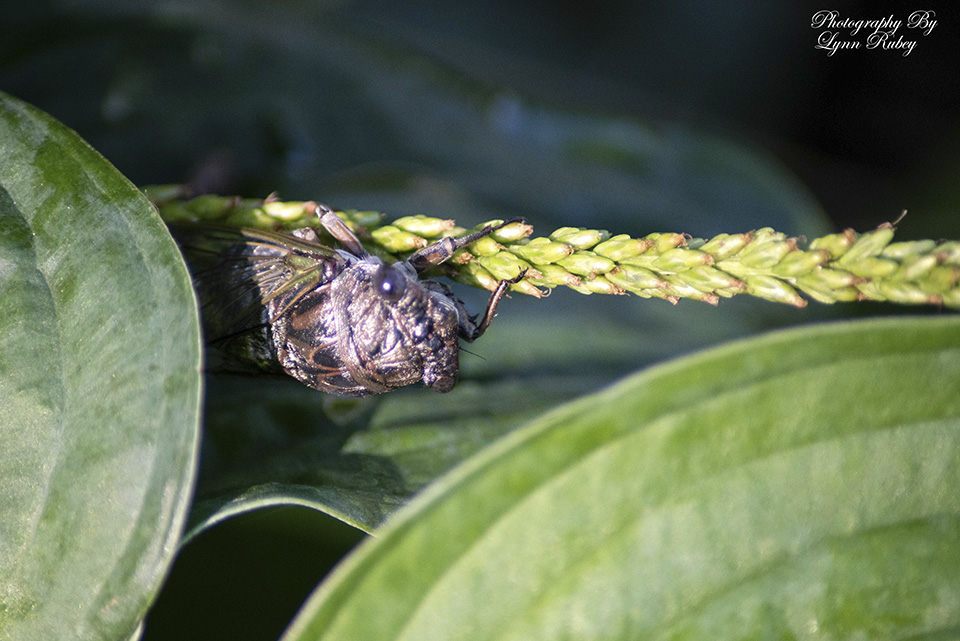
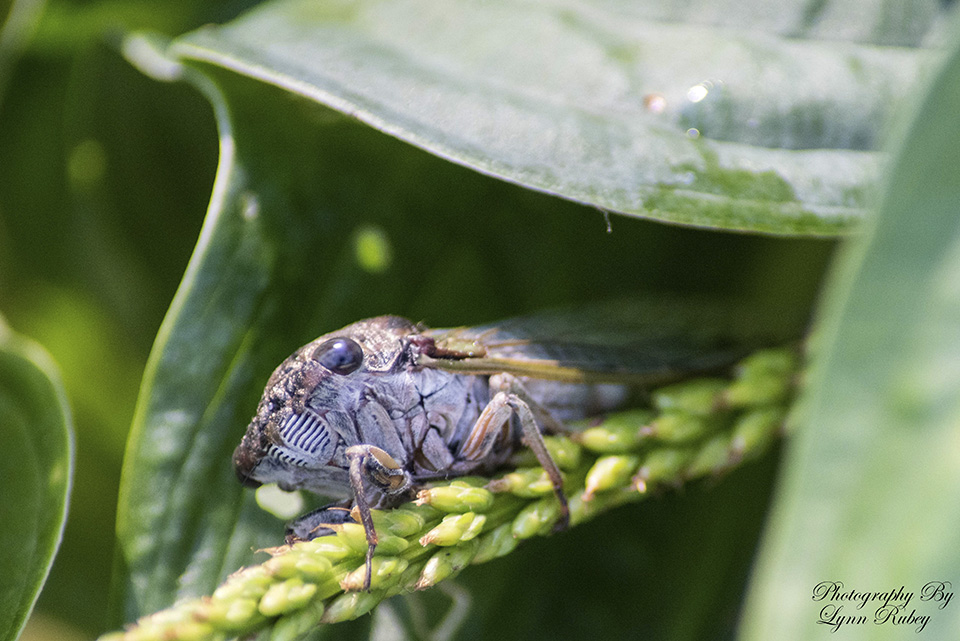
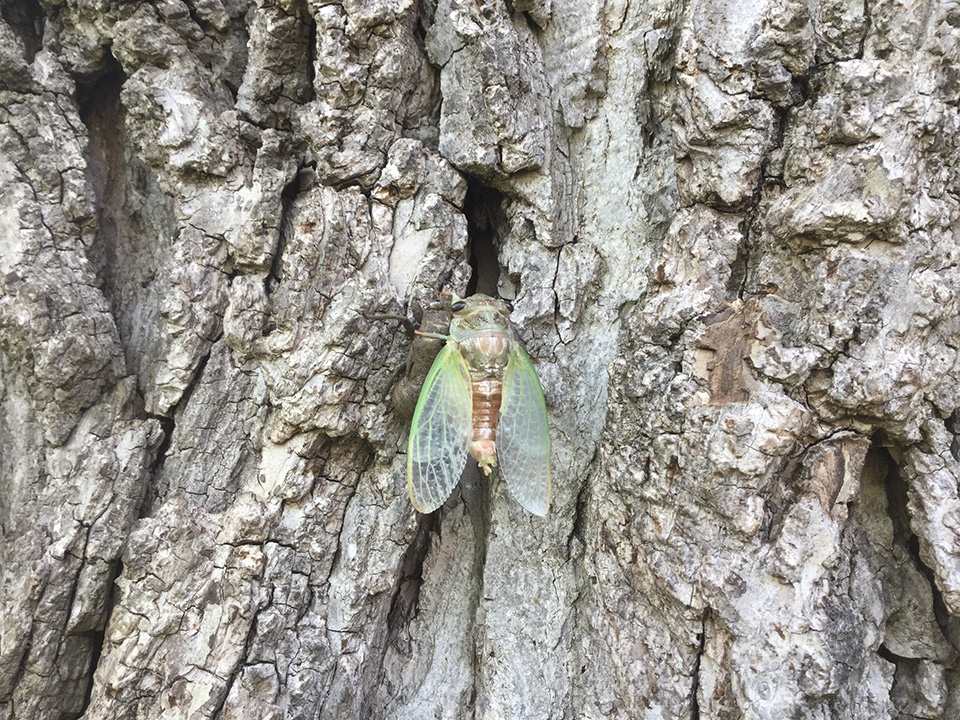
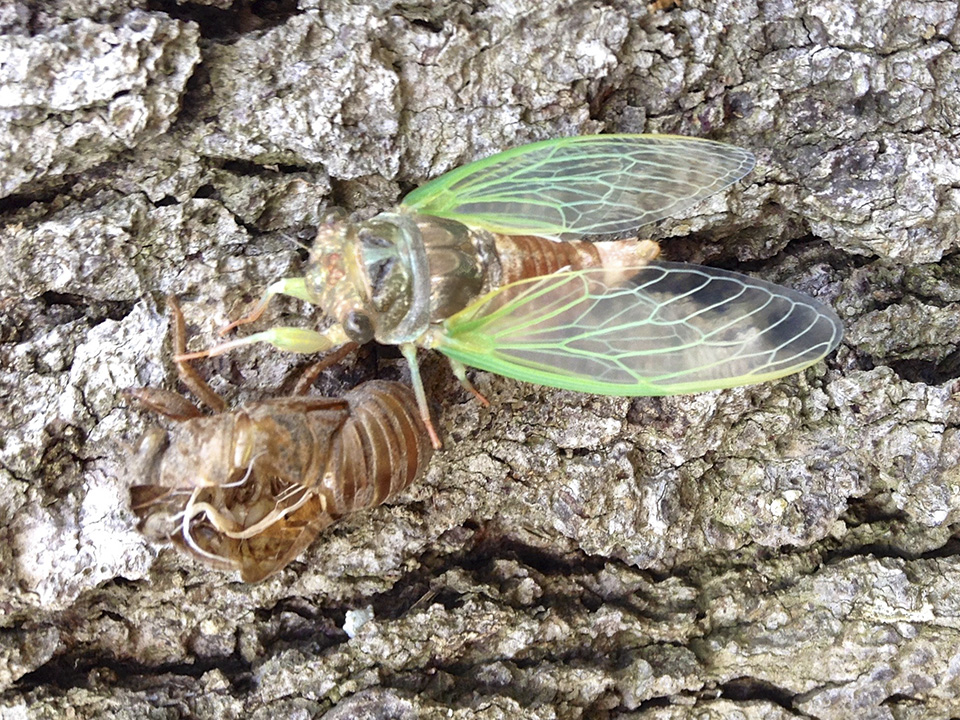
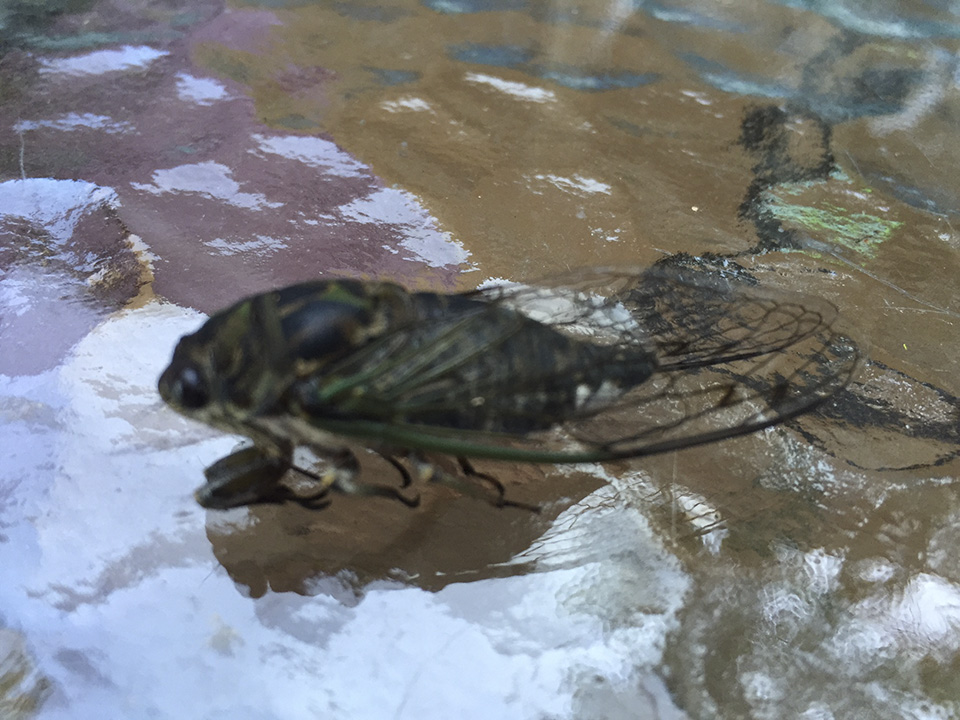
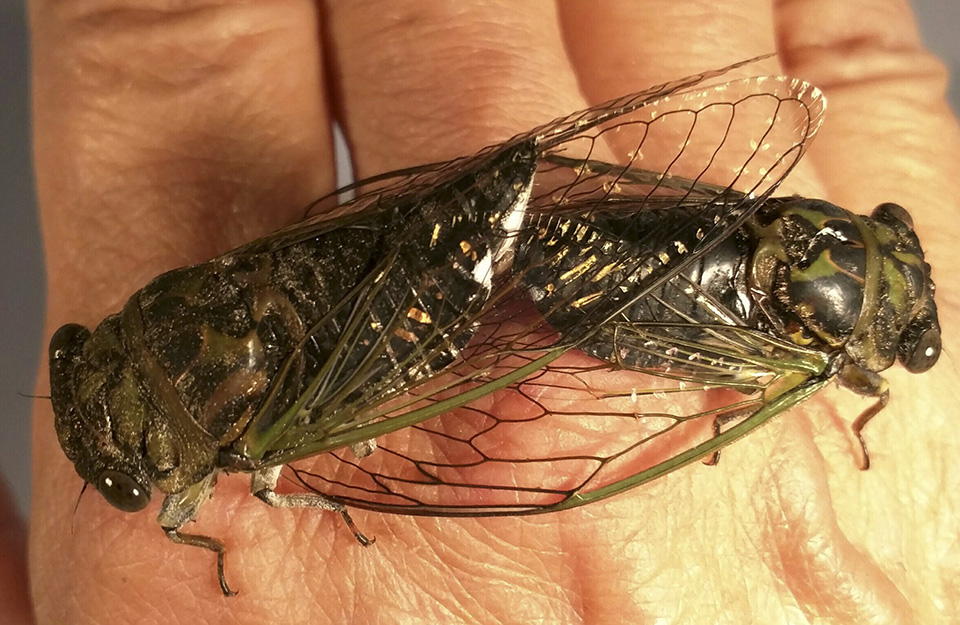
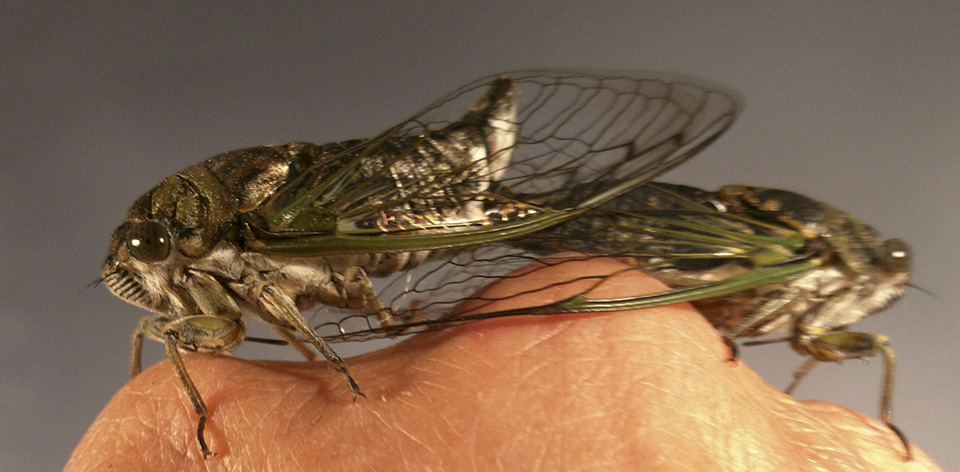
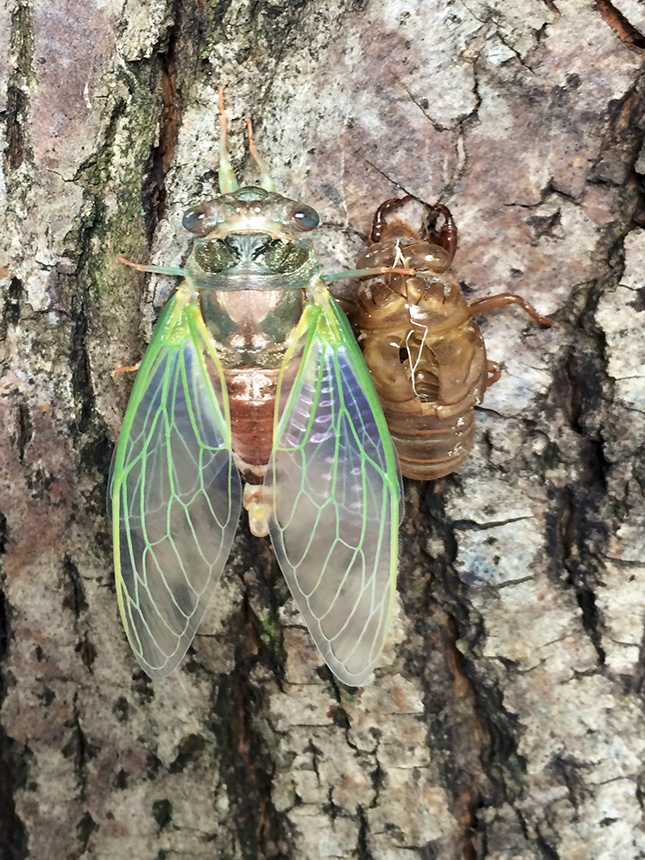
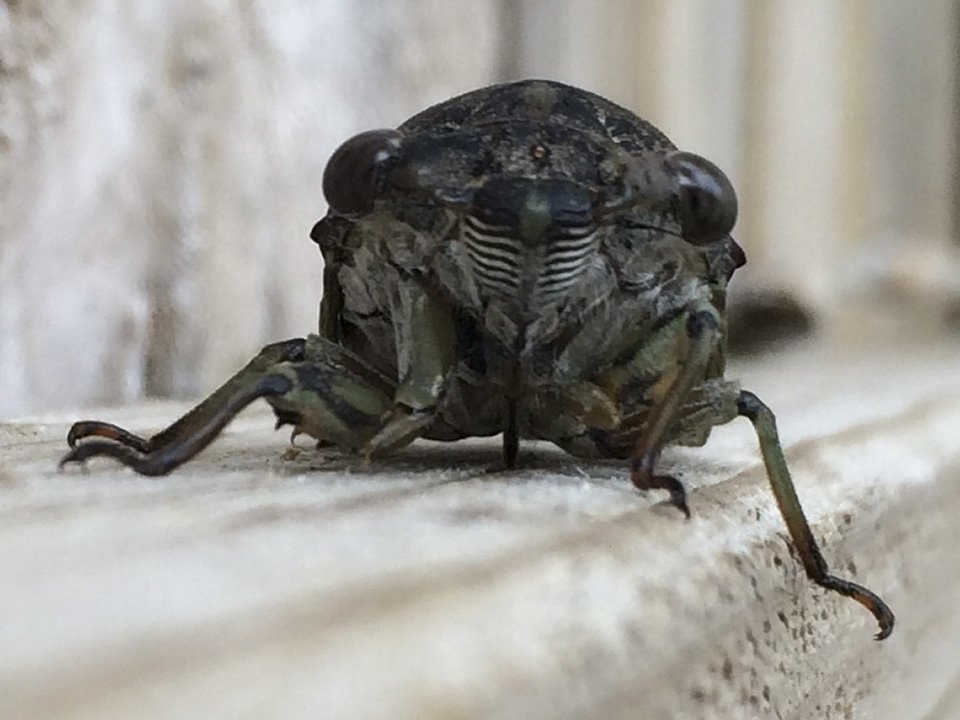
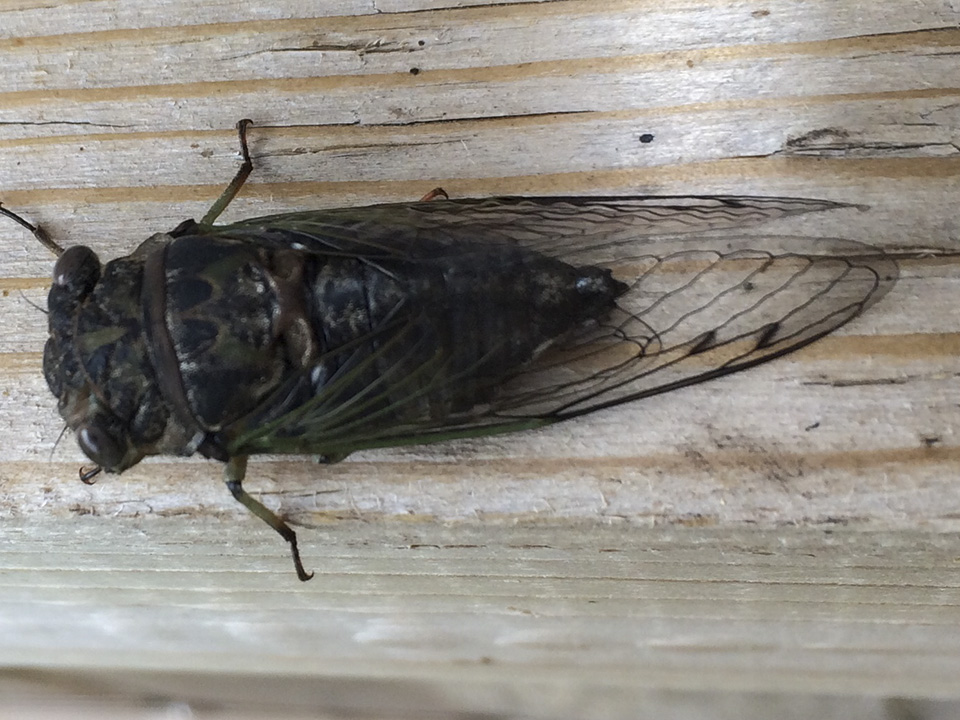
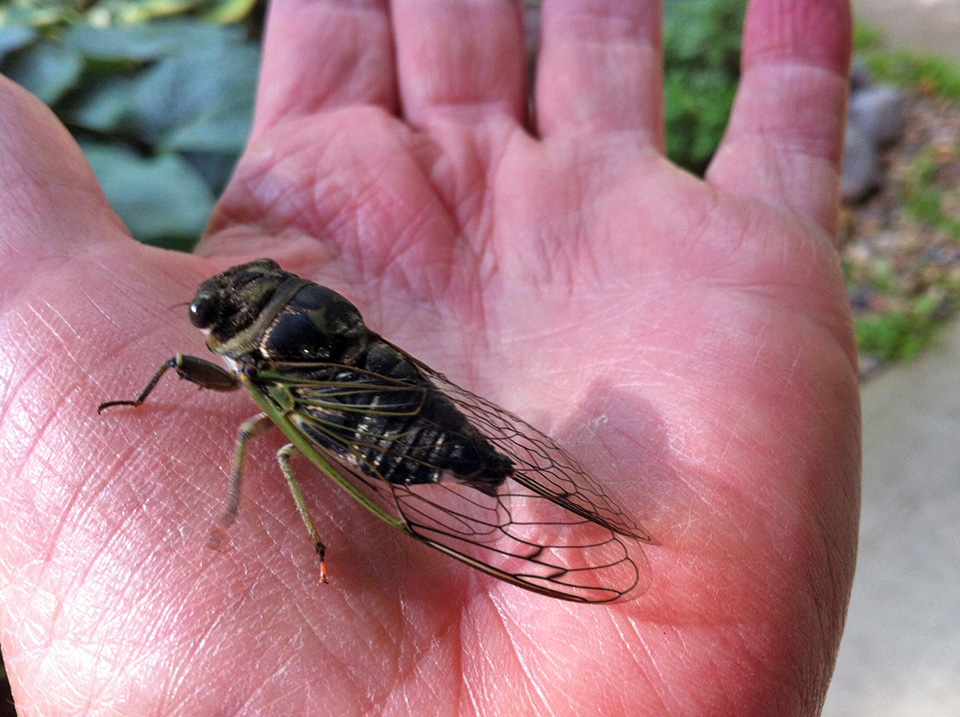
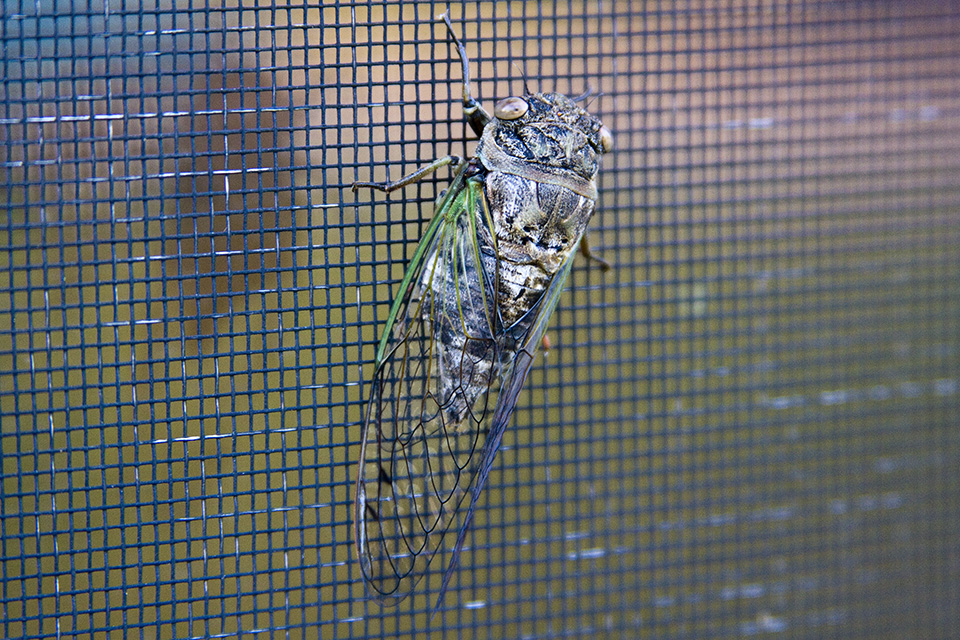
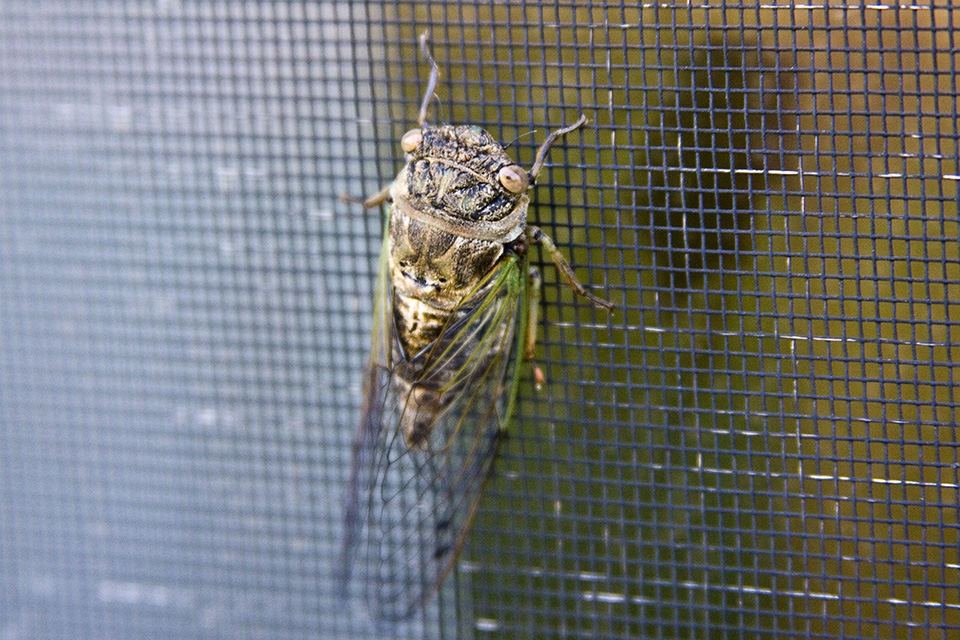
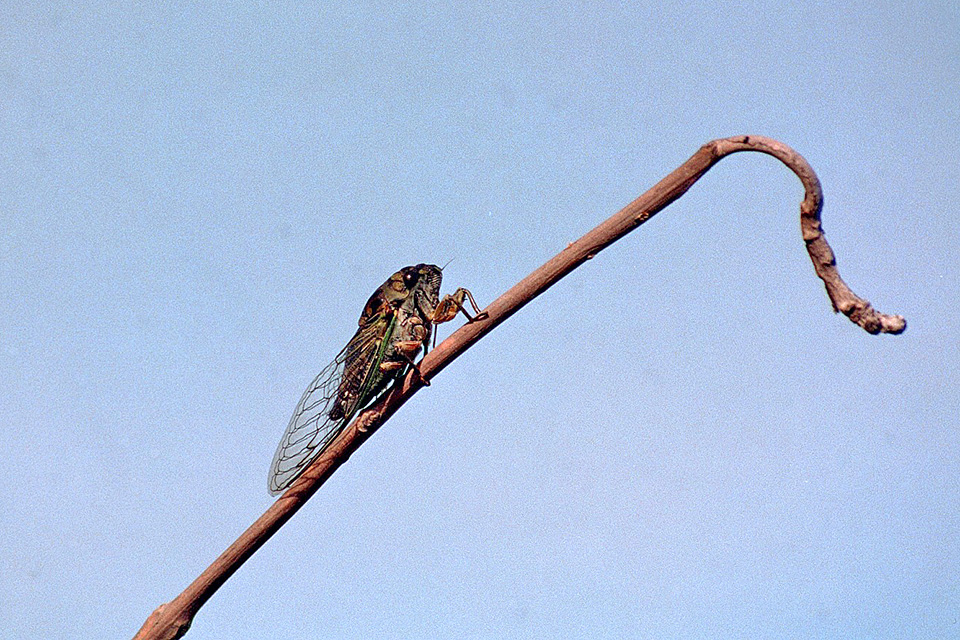
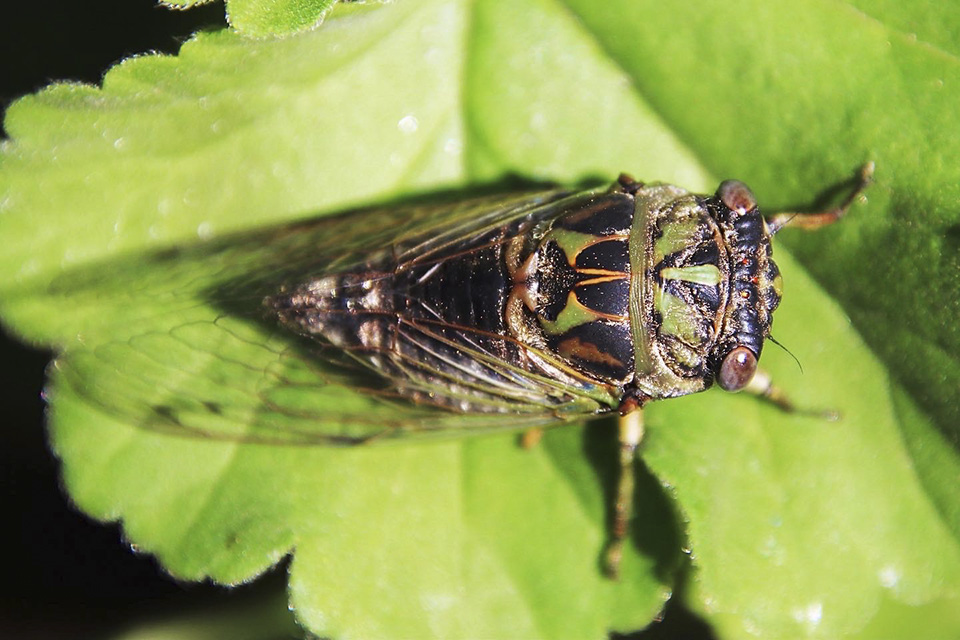
The body is black with green markings. The body alone is 1 1 ⁄16″ to 1 5 ⁄16″ long. The total length, including wings, is 1 7 ⁄16″ to 2 13 ⁄16″.
The pronotal collar is green or brown.
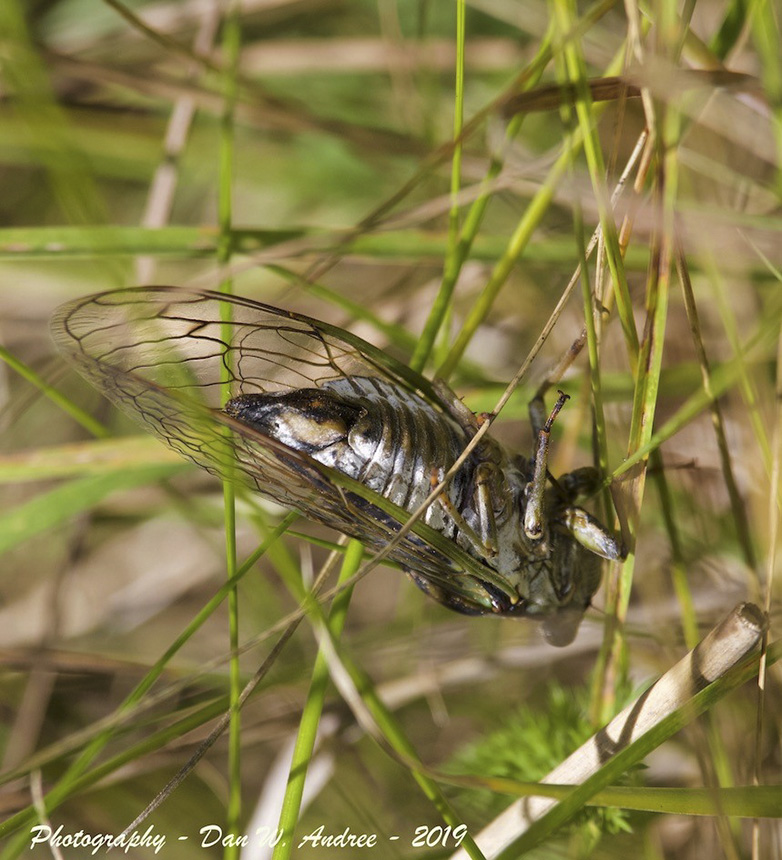
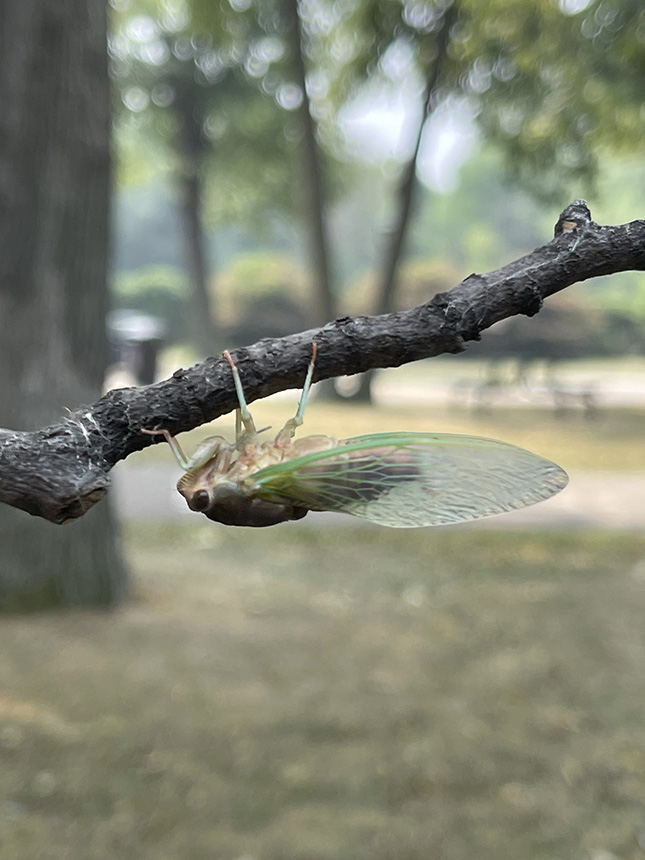
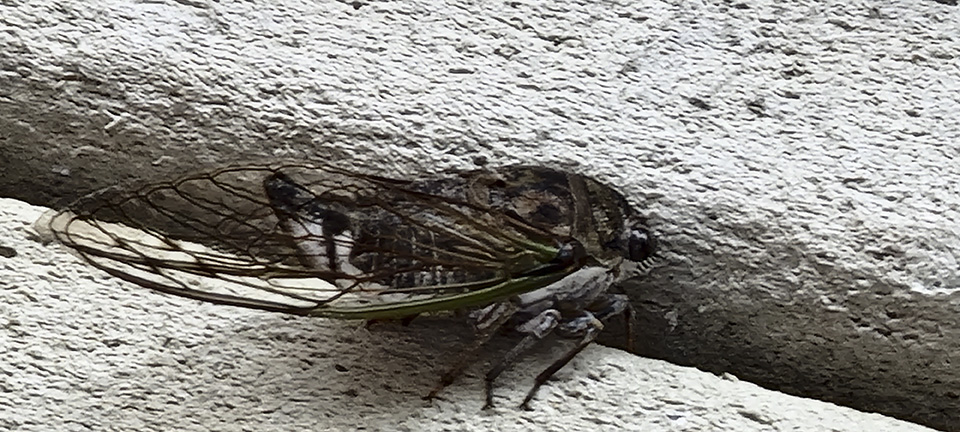
The wings are less than 1 9 ⁄16″ long. The wing veins are noticeably green, at least near the base.
Size
Total length: 1 1 ⁄16″ to 1 5 ⁄16″
Song
Loud, smooth, like a small circular saw, without a discernible vibrato, increasing in intensity at the beginning, fading at the end, lasting no more than fifteen seconds. They sing as individuals throughout the day, and in choruses at dusk. July to first frost.
According to The Song of Insects, “…it is the only cicada in northern areas that sounds like a buzz saw.”
Similar Species
Canadian cicada (Okanagana canadensis) song is more of a chatter than a buzz lasting 30 seconds.
Linne’s cicada (Neotibicen linnei) song begins with a 5 second unmodulated buzz that increases in intensity, then transitions smoothly into a 10 second pulsating sound, then a 15 second unmodulated buzz, another 10 second pulsating sound, and finally a five second unmodulated buzz that fades out at the end.
Say’s Cicada (Okanagana rimosa) song begins with a 2 second buzz, a half second to one second pause, then a buzz lasting 15 seconds.
Walker’s cicada (Neotibicen pronotalis) song begins with a 5 second unmodulated buzz, then transitions smoothly into a 20 second pulsating sound, and finally a five second unmodulated buzz that fades out at the end.-
Habitat
Coniferous or mixed woods.
Ecology
Season
July to September
Behavior
Life Cycle
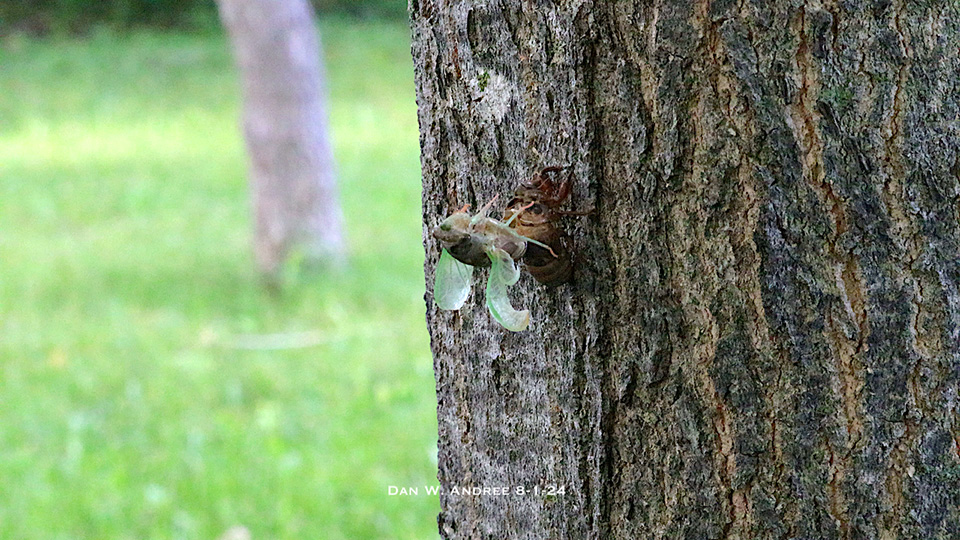
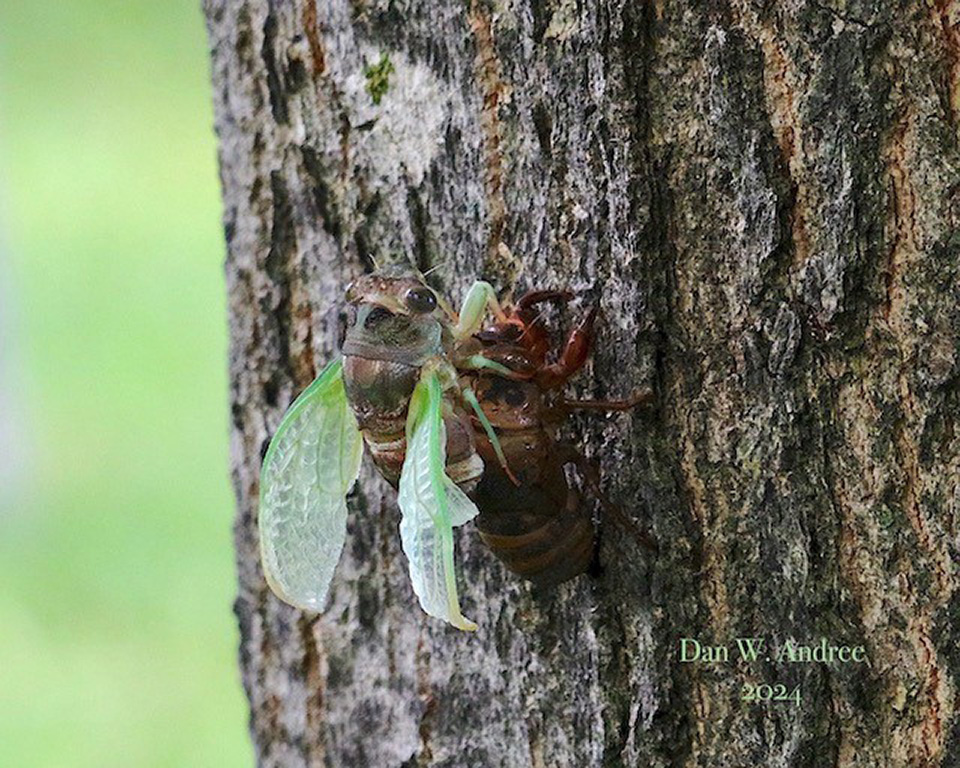
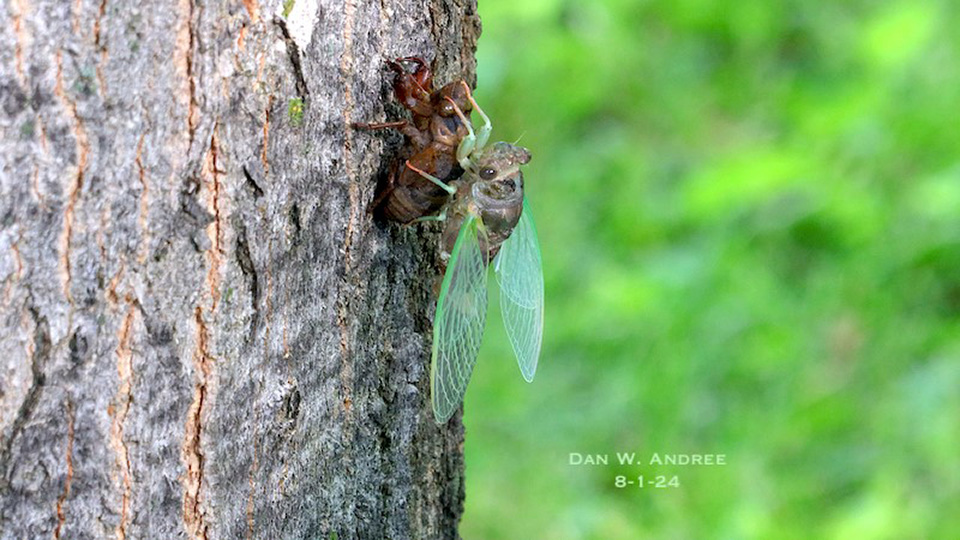
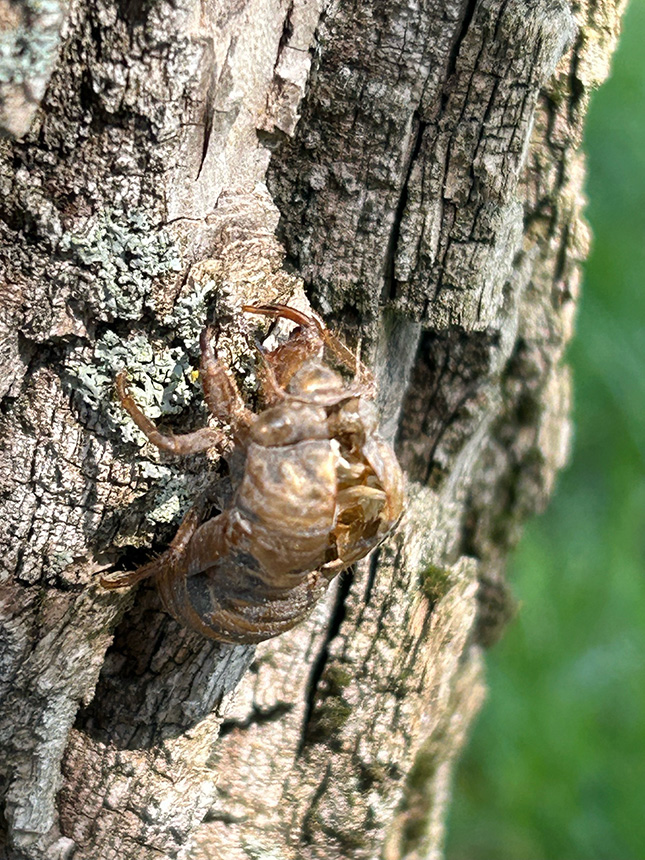
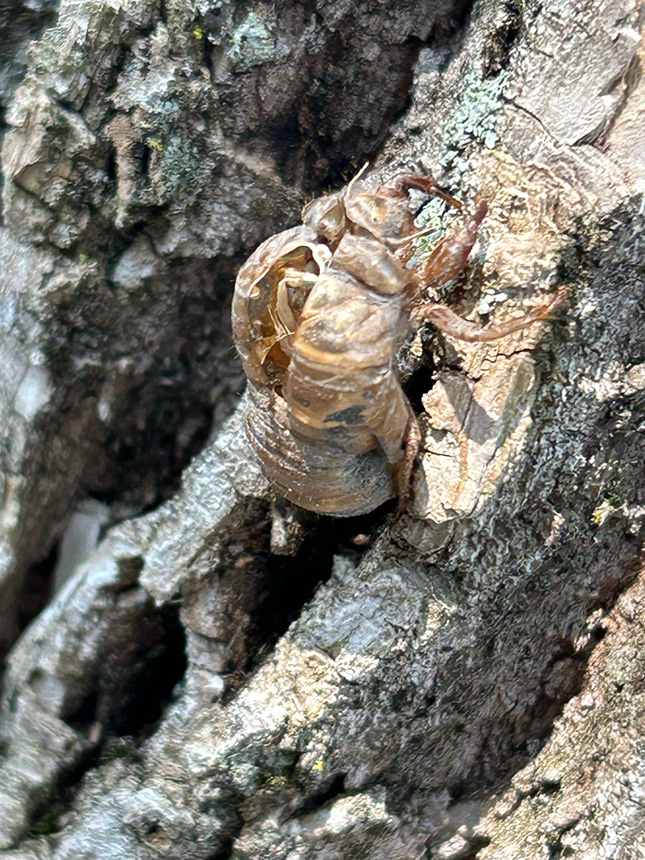
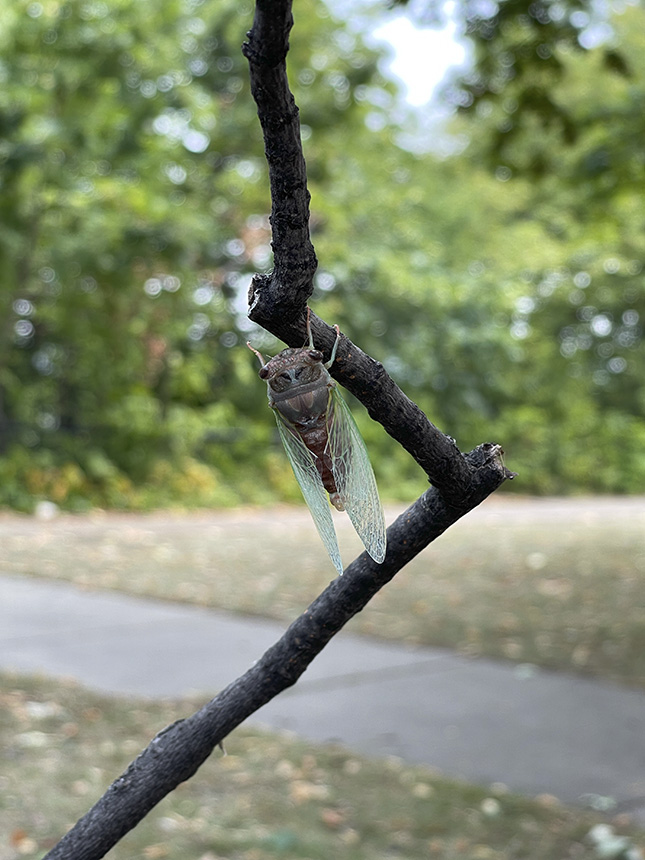
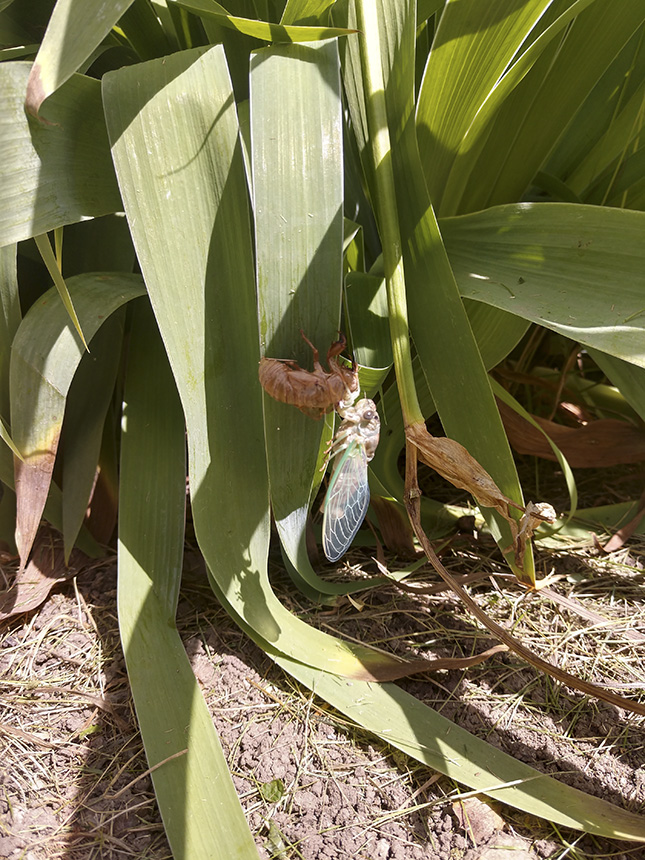
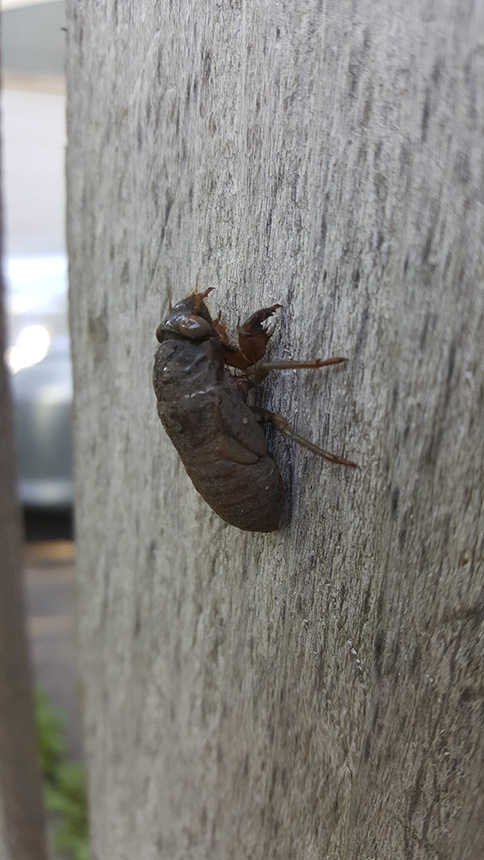
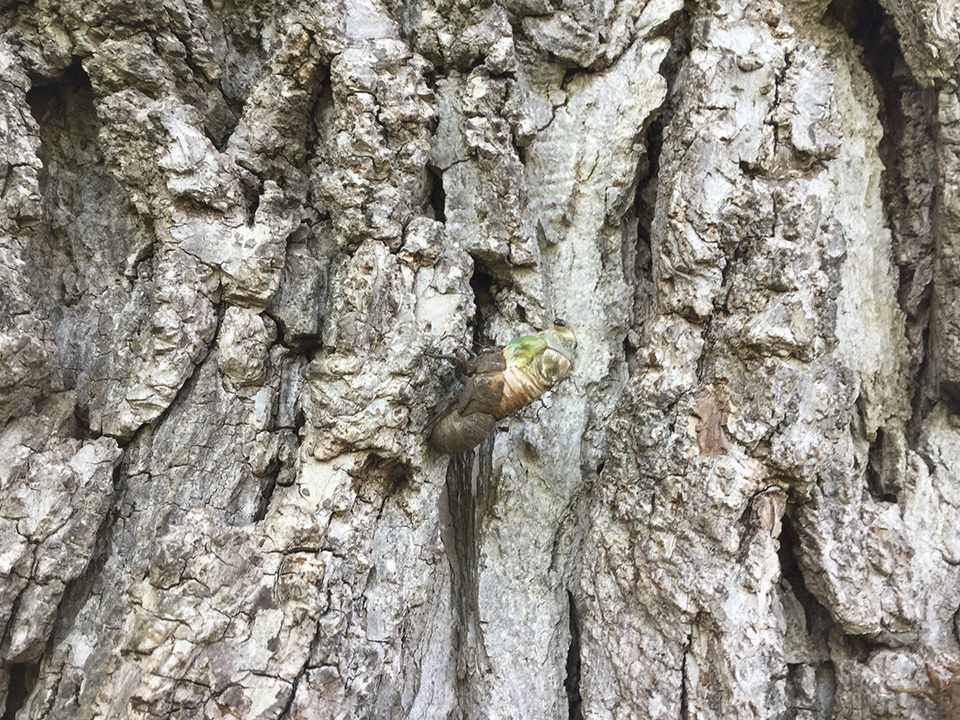
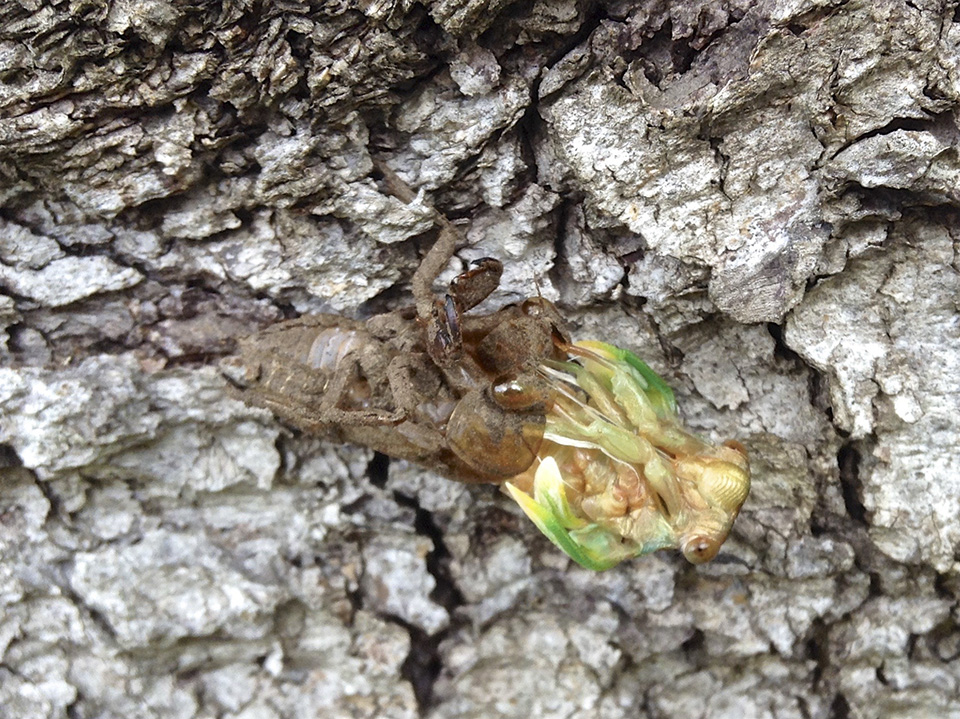
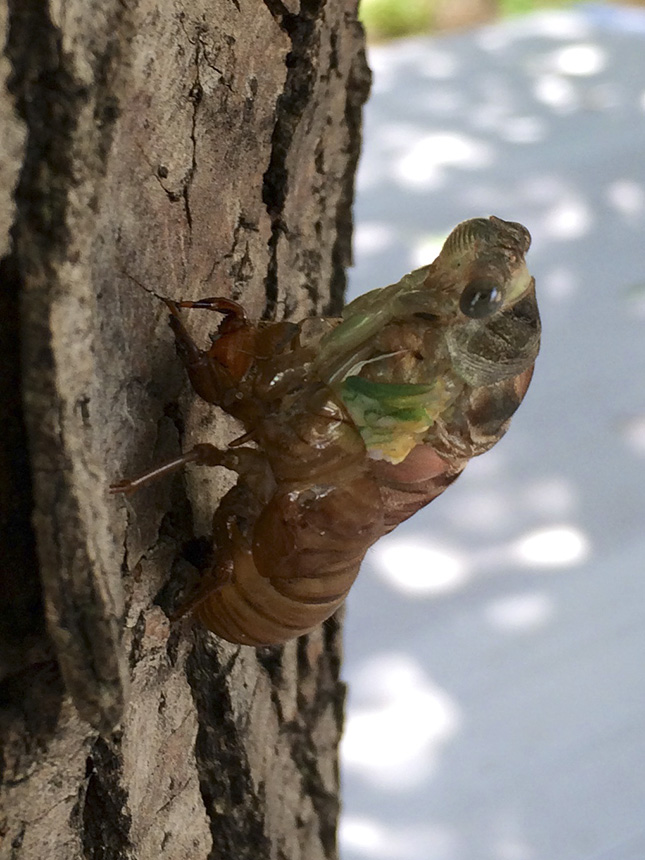
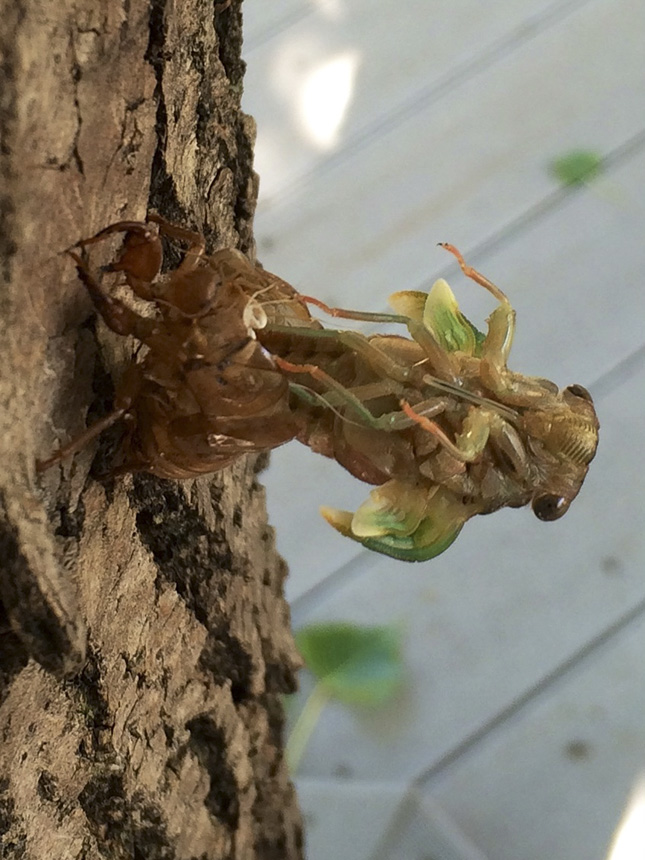
Males call to females from the tops of trees. After mating the female deposits eggs inside living twigs. When the nymphs hatch they fall to the ground and burrow into the soil. The nymph spends 3 years underground. In the third year it crawls out of the ground and climbs the host tree. Before reaching the top it sheds its outer skin and emerges as an adult.
The population is not developmentally synchronized. Some adults emerge every summer.
Nymph Food
Root juices of pine and oak
Adult Food
Adults do not eat. After mating they die.
Distribution
Sources
Biodiversity occurrence data published by: Minnesota Biodiversity Atlas (accessed through the Minnesota Biodiversity Atlas Portal, bellatlas.umn.edu. Accessed 6/24/2025).
Neotibicen canicularis (Harris, 1841) in GBIF Secretariat (2023). GBIF Backbone Taxonomy. Checklist dataset https://doi.org/10.15468/39omei accessed via GBIF.org. Accessed 6/24/2025.
Occurrence
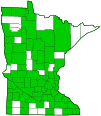
Common
Taxonomy
Order
Hemiptera (True Bugs, Hoppers, Aphids, and Allies)
Suborder
Auchenorrhyncha (True Hoppers)
Infraorder
Cicadomorpha (Spittlebugs, Cicadas, Leafhoppers, and Treehoppers)
Superfamily
Cicadoidea (Cicadas)
Family
Subfamily
Cicadinae
Tribe
Tacuini (Discreet Cicadas)
Subtribe
Tacuina
Genus
Genus
In 2005, all North American cicadas in the genus Tibicen were reassigned into two new genera. Under the new classification, Neotibicen includes all eastern species and Hadoa includes all western species.
Subordinate Taxa
Synonyms
Cicada canicularis
Cicada tibicen canicularis
Lyristes canicularis
Rihana canicularis
Tibicen canicularis
Tibicen canulatus
Common Names
annual cicada
dog day cicada
dog-day cicada
dogday harvestfly
harvestfly
northern dog-day cicada