



dog day cicada
(Neotibicen canicularis)
Conservation • Description • Habitat • Ecology • Distribution • Taxonomy
|
|
||||||||||||||
Description |
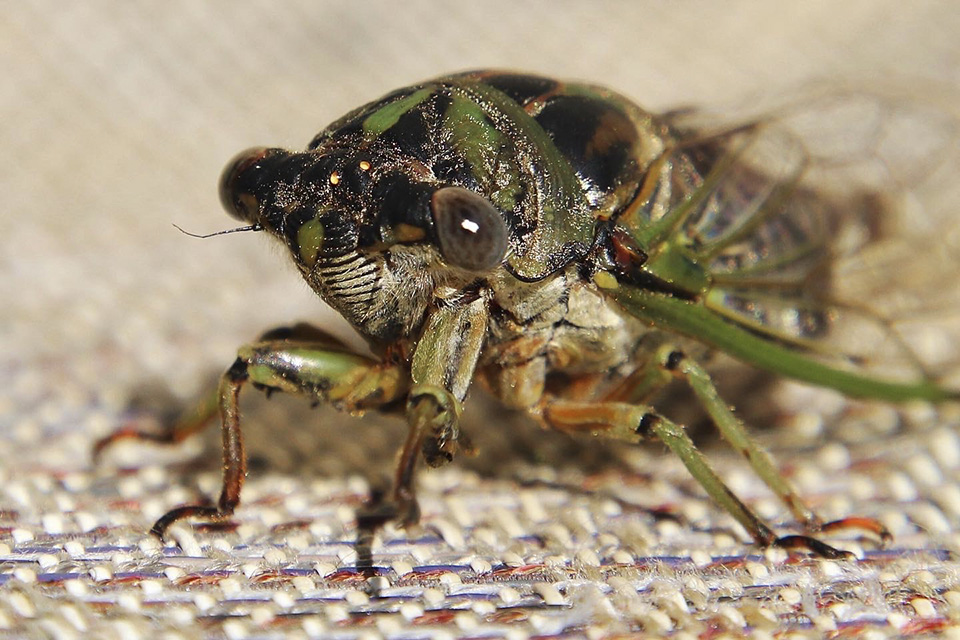
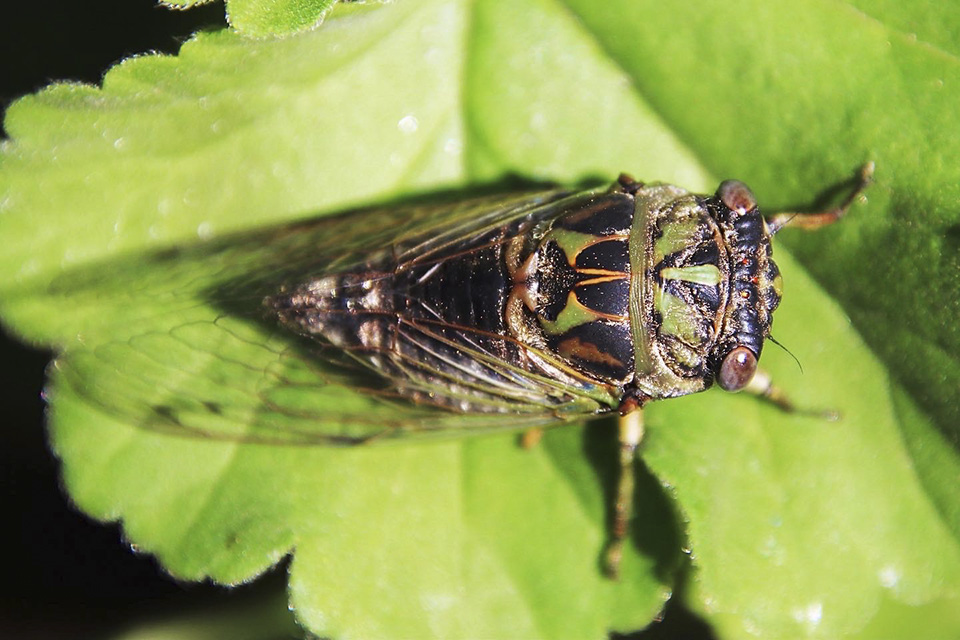
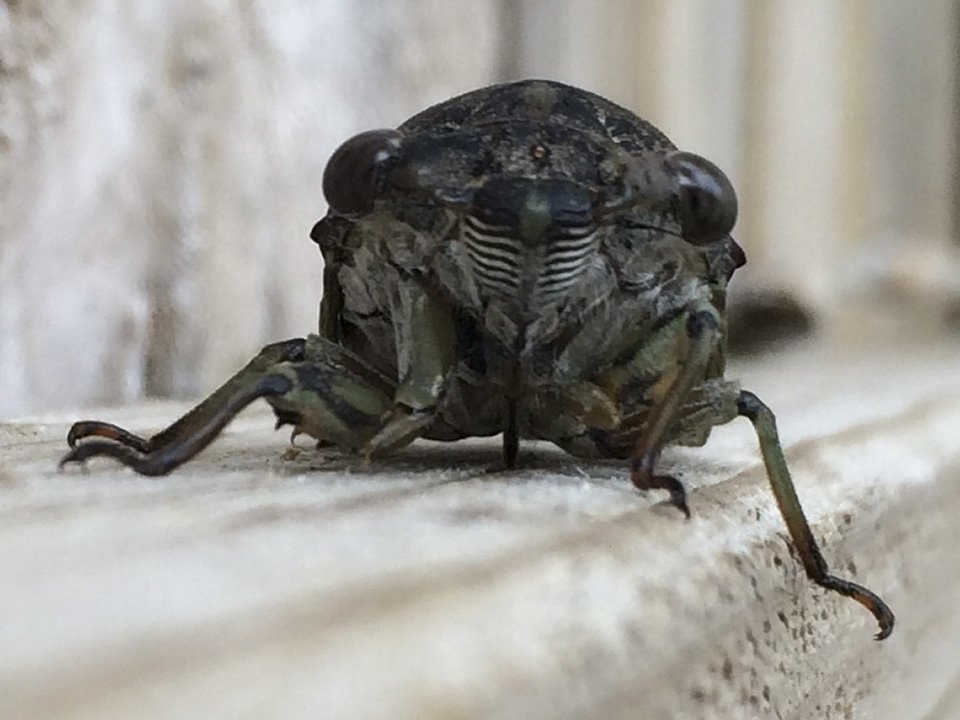
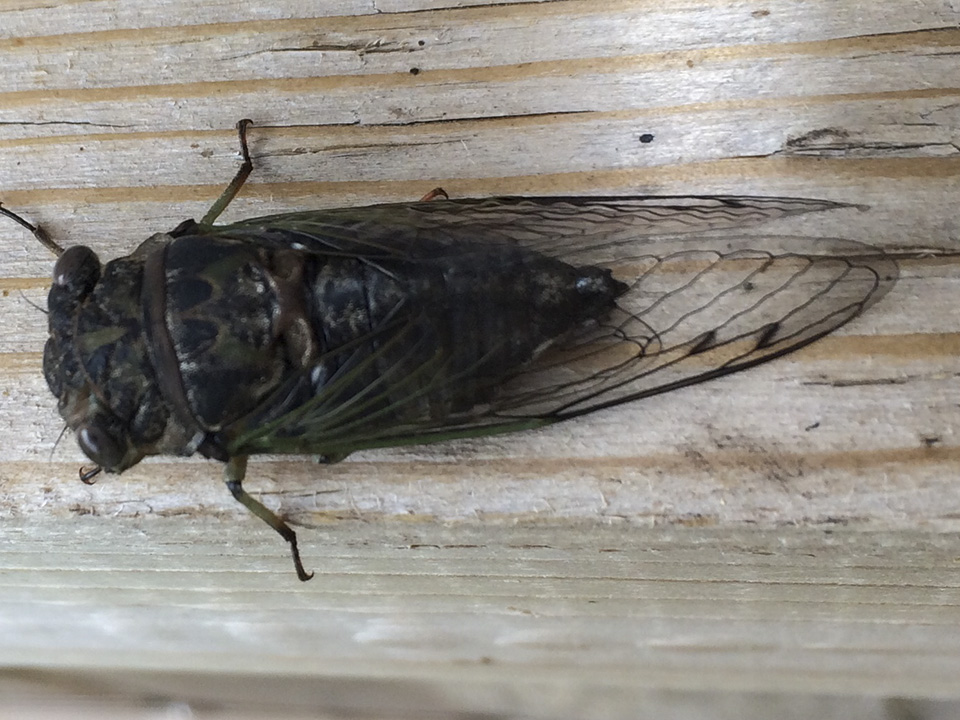
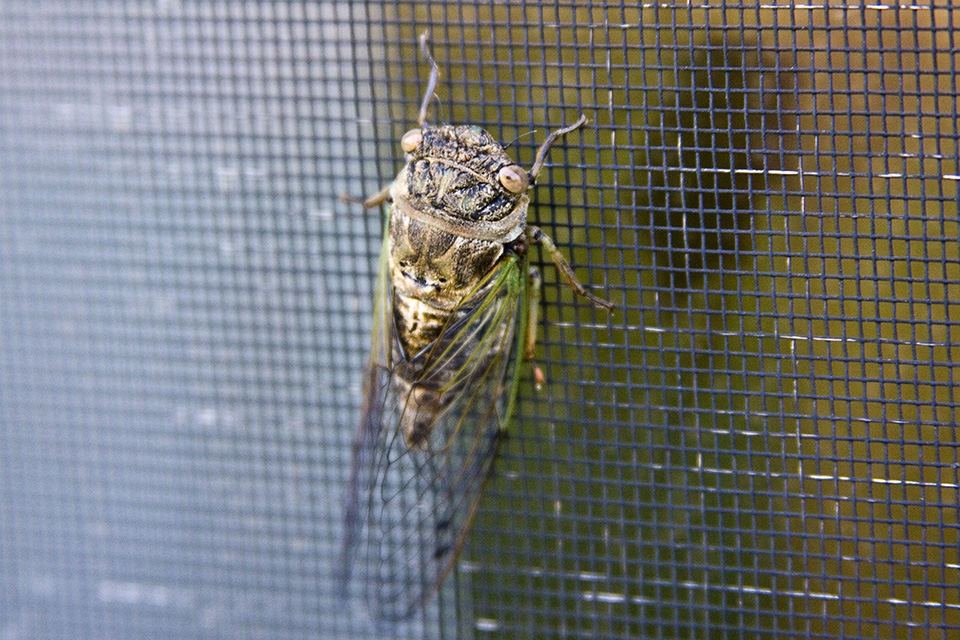
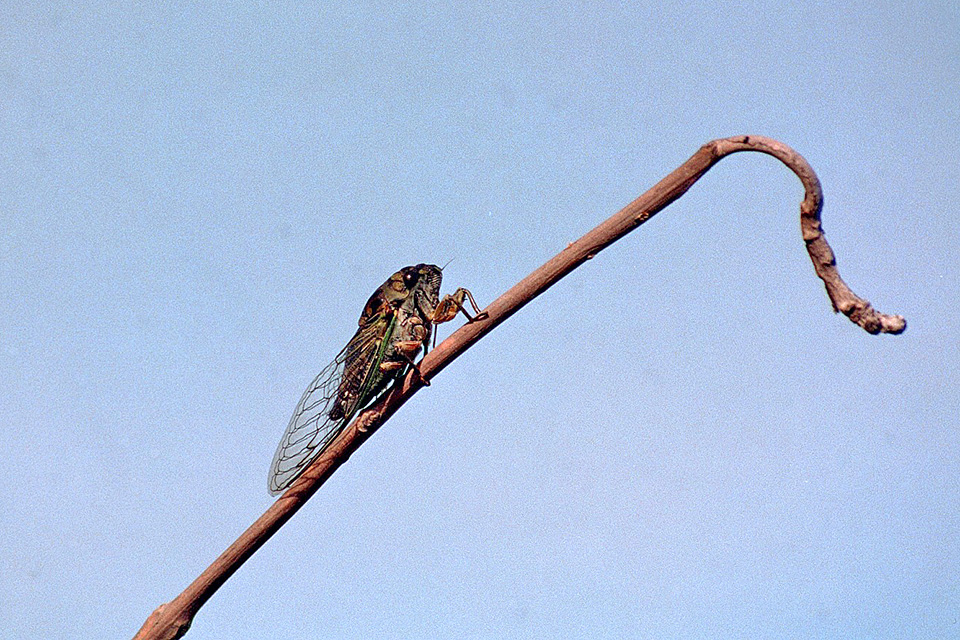
Cicadas whose population is not developmentally synchronized are referred to as annual cicadas. Dog day cicada is a large, late season, annual cicada. It is by far the most common cicada in Minnesota. The body is black with green markings. The body alone is 1 1 ⁄16″ to 1 5 ⁄16″ long. The total length, including wings, is 1 7 ⁄16″ to 2 13 ⁄16″. The pronotal collar is green or brown. The wings are less than 1 9 ⁄16″ long. The wing veins are noticeably green, at least near the base. |
Size |
1 1 ⁄16″ to 1 5 ⁄16″ long |
Song |
Loud, smooth, like a small circular saw, without a discernible vibrato, increasing in intensity at the beginning, fading at the end, lasting no more than fifteen seconds. They sing as individuals throughout the day, and in choruses at dusk. July to first frost. According to The Song of Insects, “…it is the only cicada in northern areas that sounds like a buzz saw.” |
Similar Species |
Canadian cicada (Okanagana canadensis) song is more of a chatter than a buzz lasting 30 seconds. Linne’s cicada (Neotibicen linnei) song begins with a 5 second unmodulated buzz that increases in intensity, then transitions smoothly into a 10 second pulsating sound, then a 15 second unmodulated buzz, another 10 second pulsating sound, and finally a five second unmodulated buzz that fades out at the end. Say’s Cicada (Okanagana rimosa) song begins with a 2 second buzz, a half second to one second pause, then a buzz lasting 15 seconds. Walker’s cicada (Neotibicen pronotalis) song begins with a 5 second unmodulated buzz, then transitions smoothly into a 20 second pulsating sound, and finally a five second unmodulated buzz that fades out at the end. |
Habitat |
Coniferous or mixed woods. |
Ecology |
Season |
July to September |
Behavior |
|
Life Cycle |
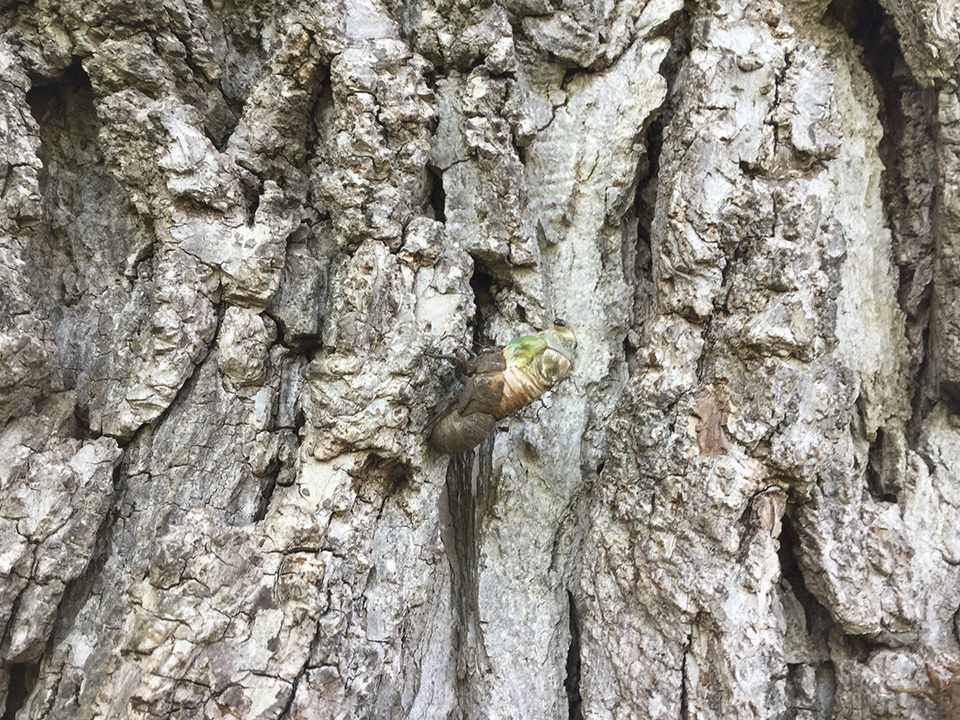
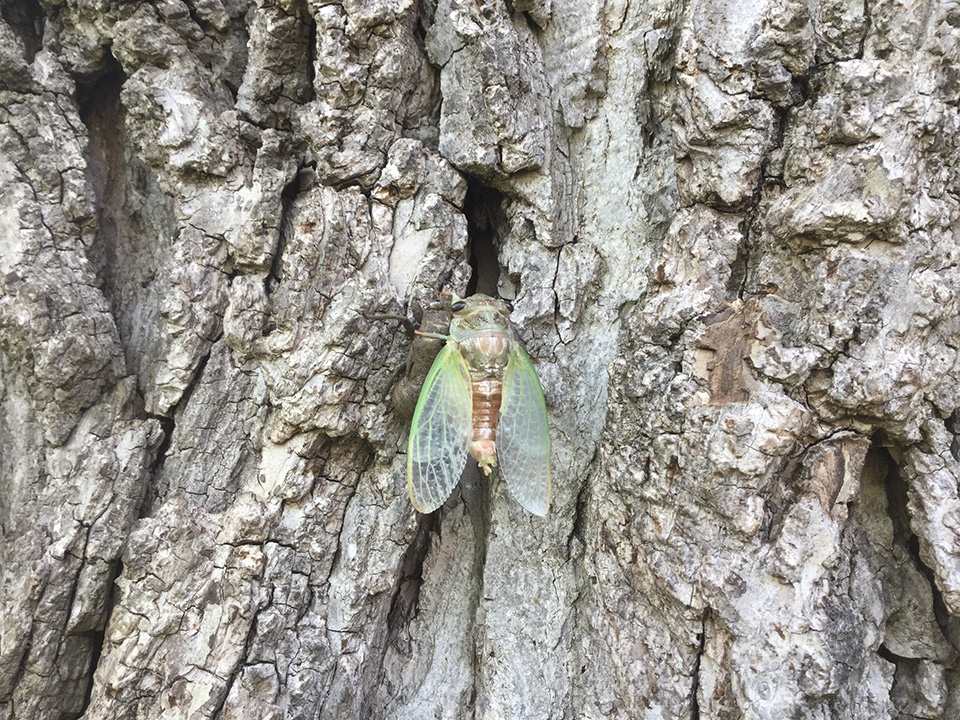
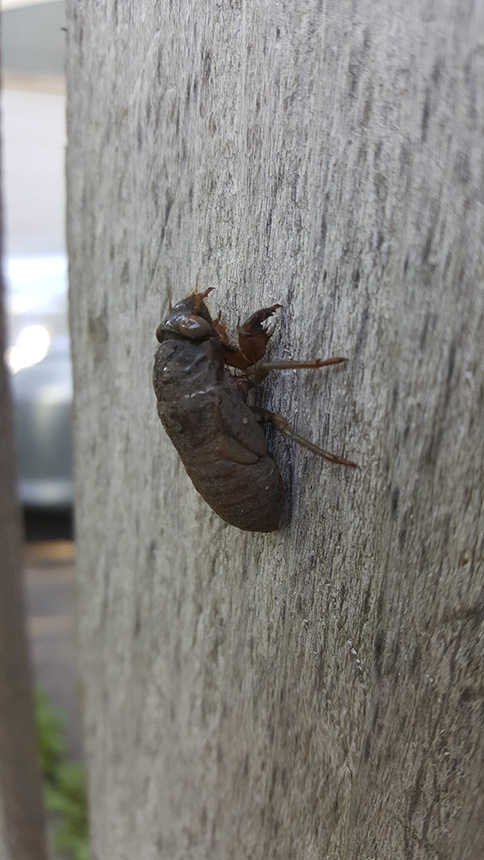
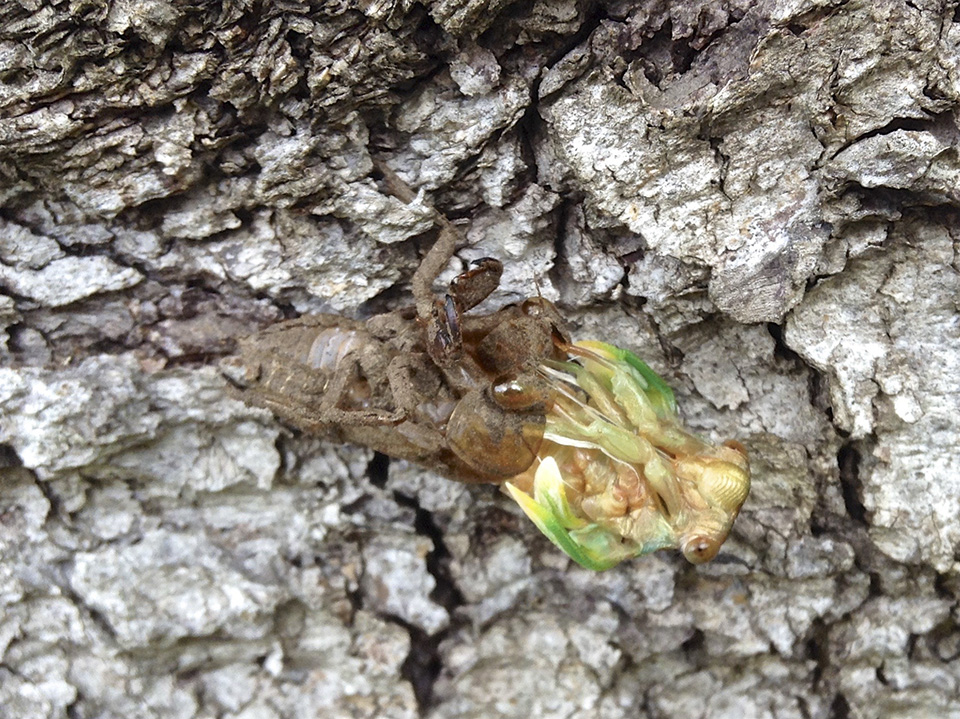
Males call to females from the tops of trees. After mating the female deposits eggs inside living twigs. When the nymphs hatch they fall to the ground and burrow into the soil. The nymph spends 3 years underground. In the third year it crawls out of the ground and climbs the host tree. Before reaching the top it sheds its outer skin and emerges as an adult. The population is not developmentally synchronized. Some adults emerge every summer. |
Nymph Food |
Root juices of pine and oak |
Adult Food |
Adults do not eat. After mating they die. |
Distribution |
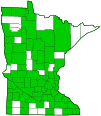
||
|
Sources Biodiversity occurrence data published by: Minnesota Biodiversity Atlas (accessed through the Minnesota Biodiversity Atlas Portal, bellatlas.umn.edu, 6/24/2025). |
|
| 6/24/2025 | ||
Occurrence |
||
Common |
||
Taxonomy |
|
Order |
Hemiptera (True bugs, Hoppers, Aphids, and Allies) |
Suborder |
Auchenorrhyncha (true hoppers) |
Infraorder |
Cicadomorpha (spittlebugs, cicadas, leafhoppers, and treehoppers) |
Superfamily |
Cicadoidea (cicadas) |
Family |
|
Subfamily |
Cicadinae (translucent cicadas) |
Tribe |
Cryptotympanini |
Subtribe |
Cryptotympanina |
Genus |
Neotibicen (dog-day cicadas) |
In 2005, all North American cicadas in the genus Tibicen were reassigned into two new genera. Under the new classification, Neotibicen includes all eastern species and Hadoa includes all western species. |
|
Subordinate Taxa |
|
|
|
Synonyms |
|
Cicada canicularis Cicada tibicen canicularis Lyristes canicularis Rihana canicularis Tibicen canicularis Tibicen canulatus |
|
Common Names |
|
annual cicada dog day cicada dog-day cicada dogday harvestfly harvestfly northern dog-day cicada |
|
Glossary
Pronotum
The exoskeletal plate on the upper side of the first segment of the thorax of an insect.
Visitor Photos |
||
Share your photo of this insect. |
||
This button not working for you? |
||
Cindy Ostman |
 |
Alfredo Colon |
 |
Dan W. Andree |
||
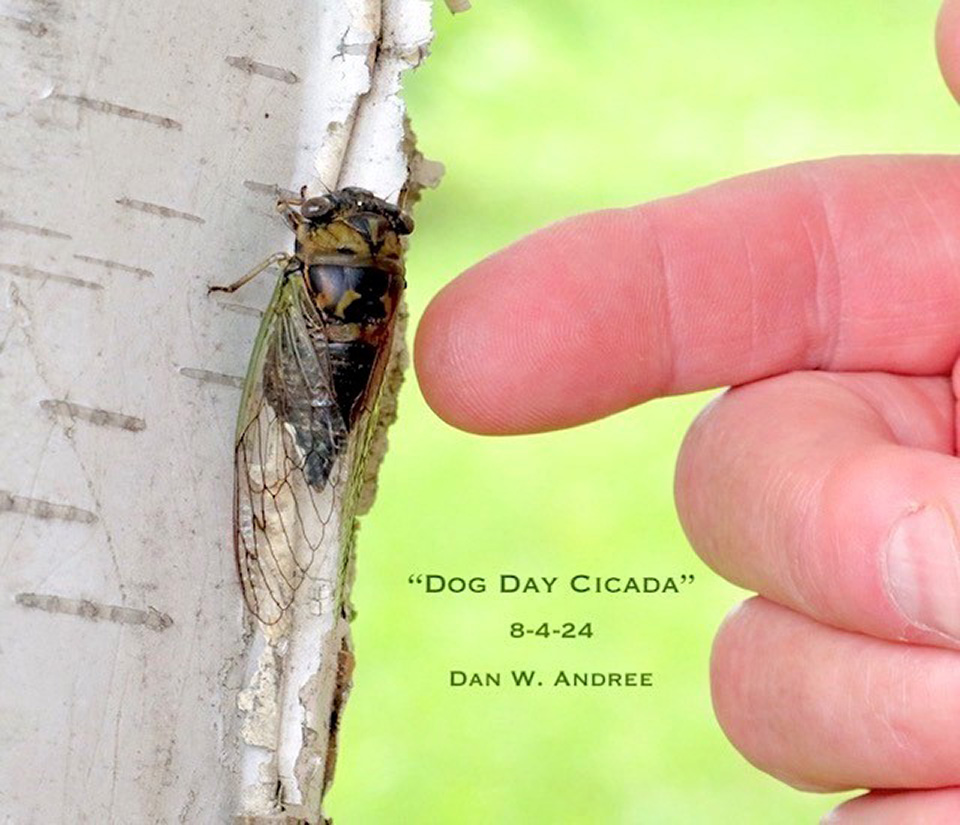
Dog Day Cicada... Cicadas had been emerging in July, but the weather changed while some were trying to emerge out of the nymph stage but I noticed one that seemed to just died trying. It was during a almost fall like temp drop. Cicadas like it warmer. I haven’t even heard them other than a few faint sounds. I read that they become vocal during warm or hot days and are silent on cooler ones. Maybe by the weekend when it is suppose to be close to 90 they will be sounding off. |
 |
|
The cicada in the photo was on a birch tree trunk. Last time I was out to Frenchman’s Bluff SNA there were prairie cicadas sounding off down in the prairie vegetation. I couldn’t see any and they became silent if I tried get closer to where their sound was coming, but they were making cicada sounds and they were prairie cicadas because there weren’t any trees around to be dog day ones. |
||
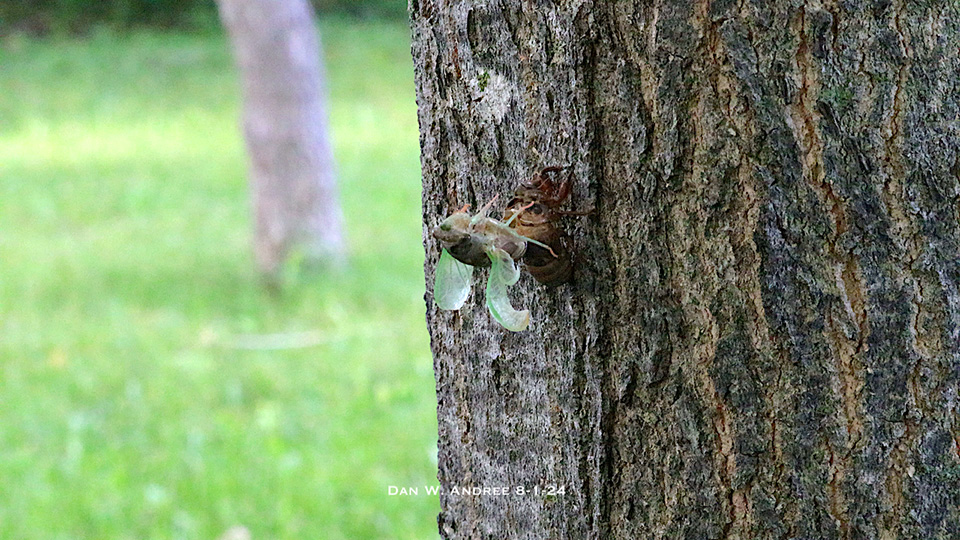
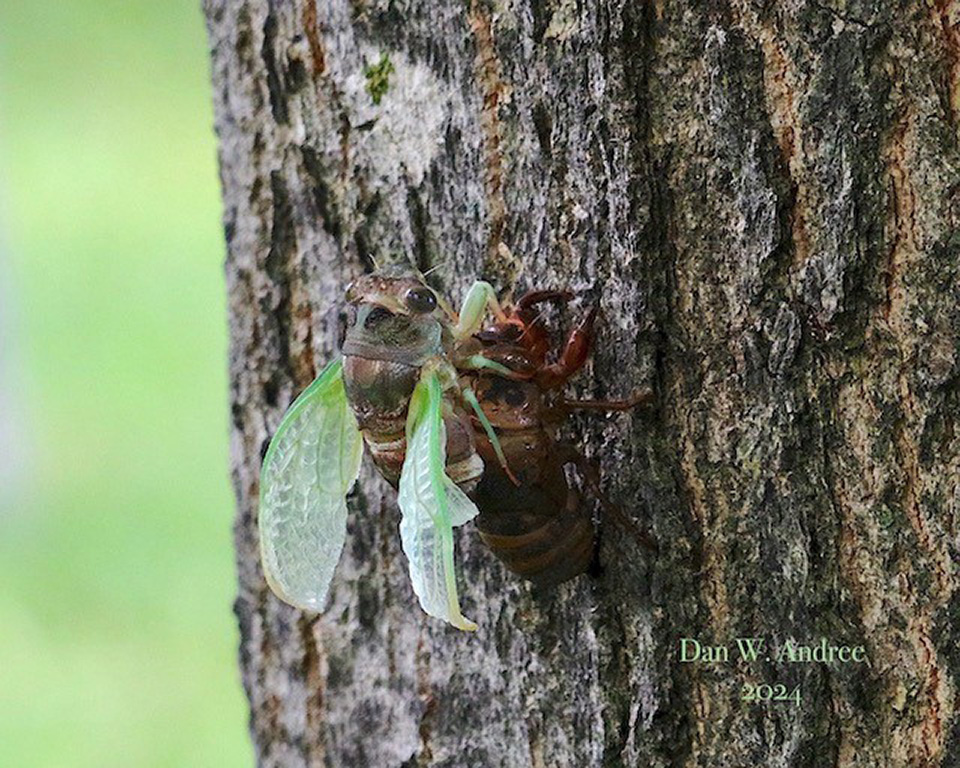
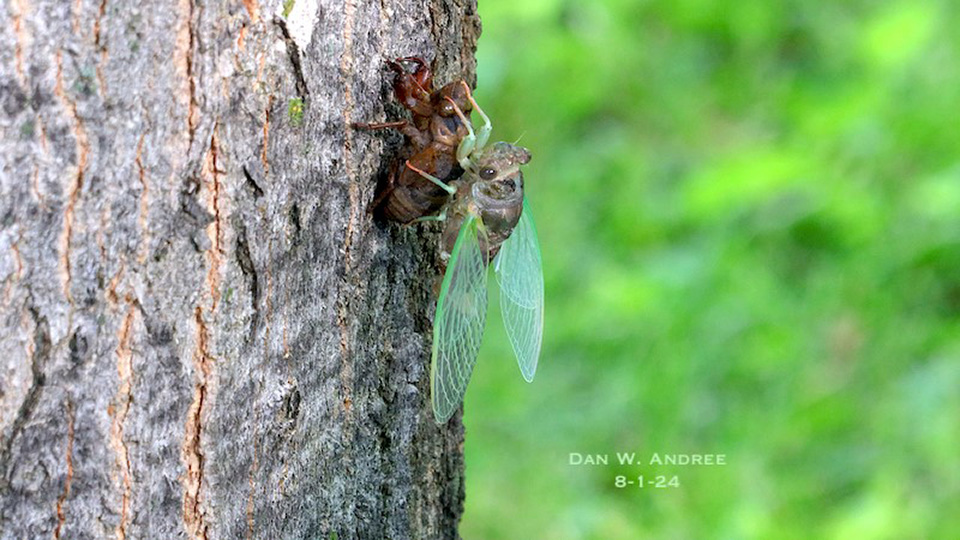
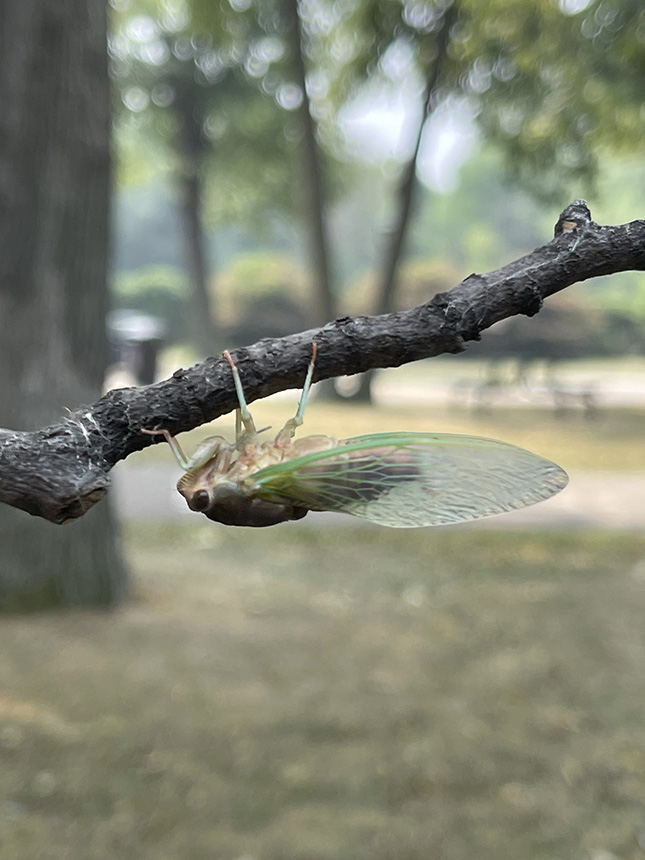
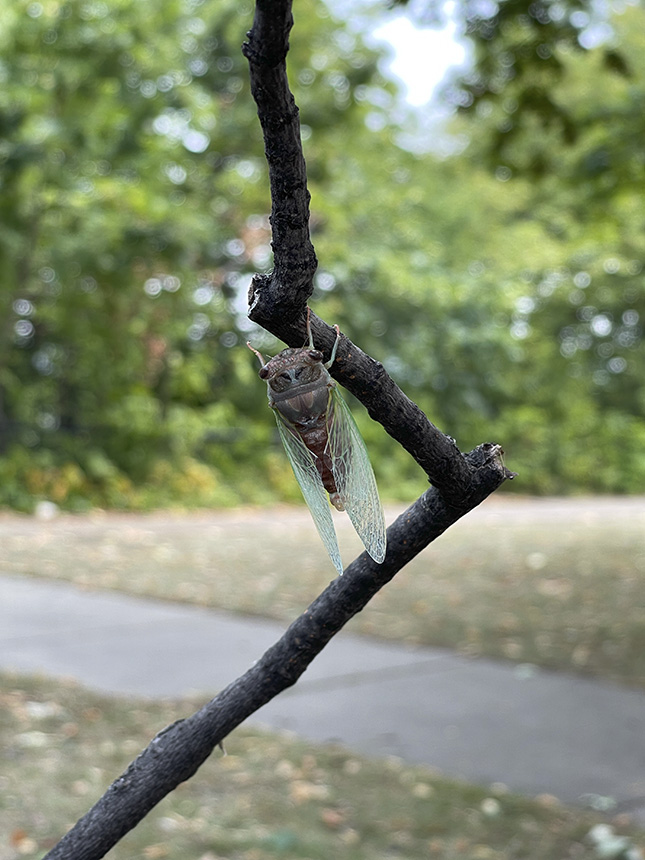
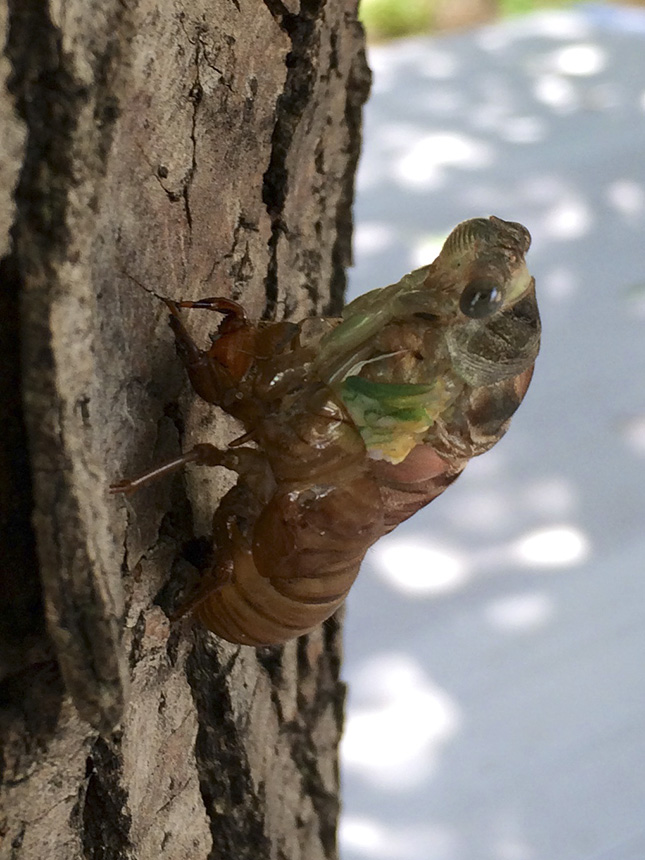
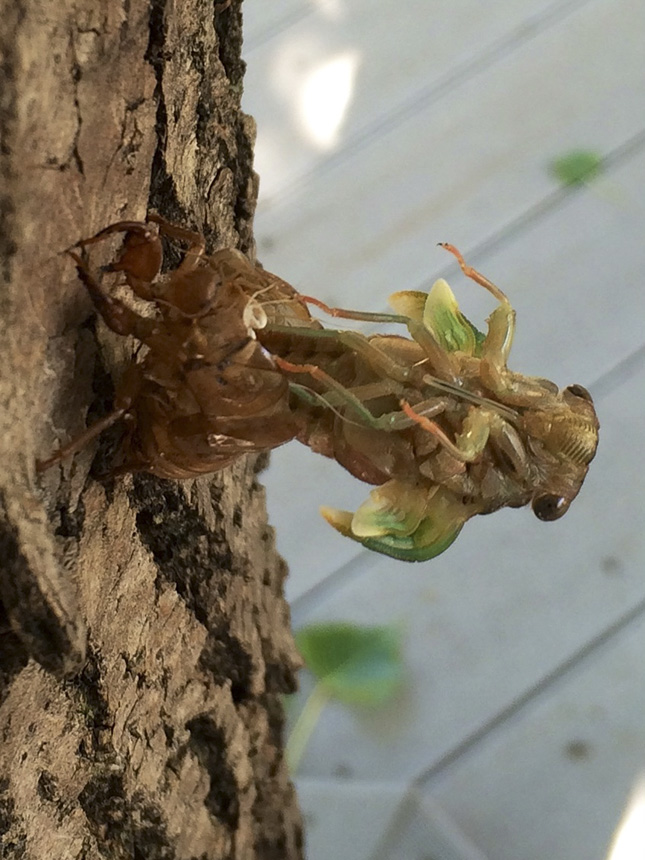
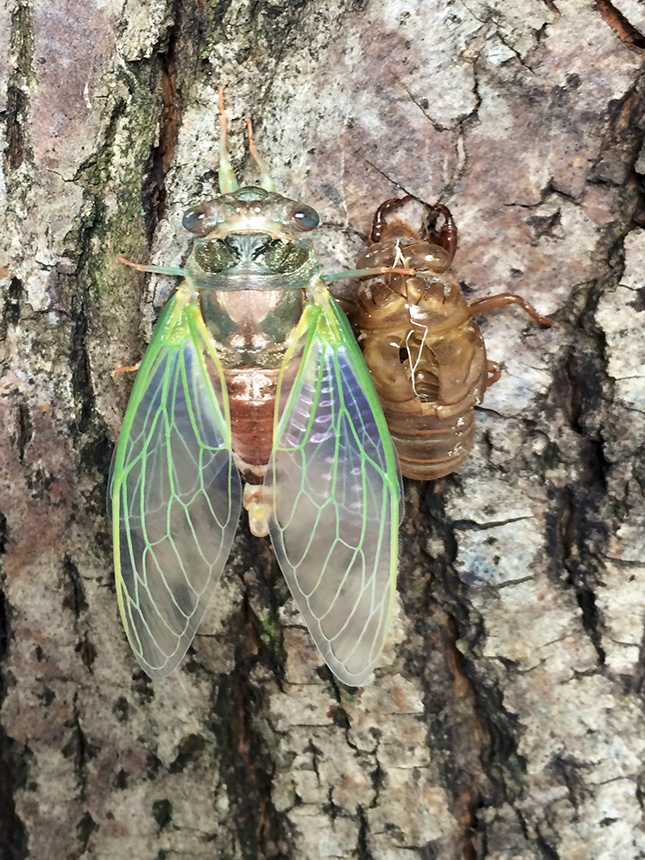
It's Alive!....Emerging Dog Day Cicada... It was just climbing out of the nymph on a maple tree trunk. They have cool light green wings when they just emerge. Funny little creature. |
 |
|
 |
 |
|
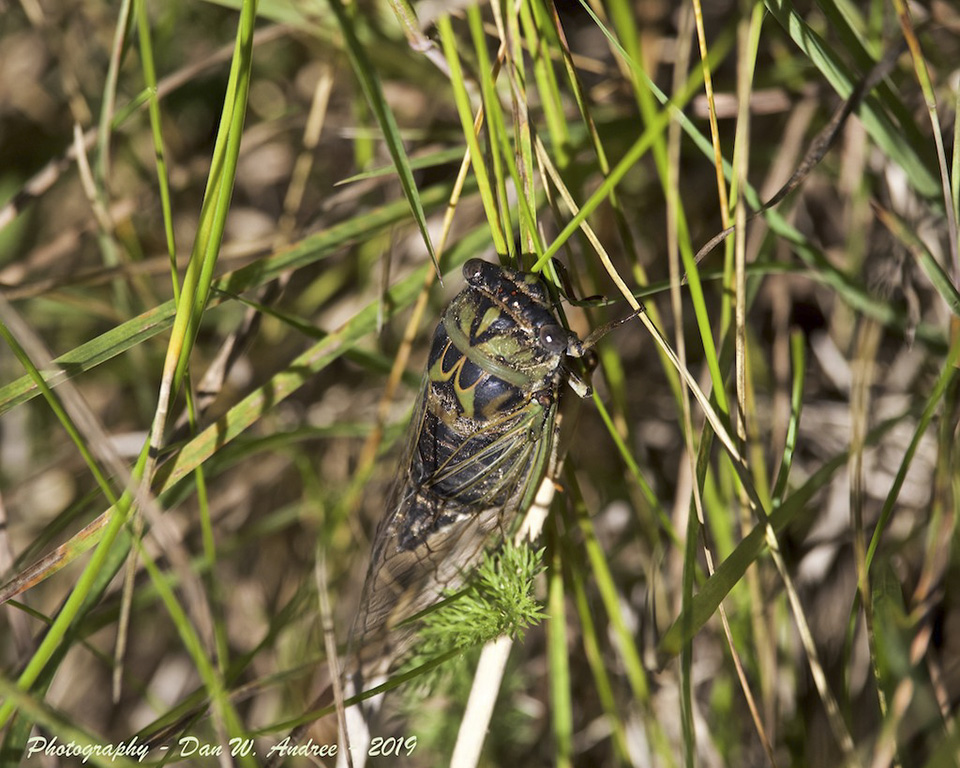
Cicada.... Seemed pretty harmless. I had heard their sounds before but seldom seen one up close. Kind of Army Green Camo color pattern. I noticed it on Aug. 20, 2019 while out in a grassy area next to some woods in Norman county, Mn. Cool creature. 😊 |
 |
|
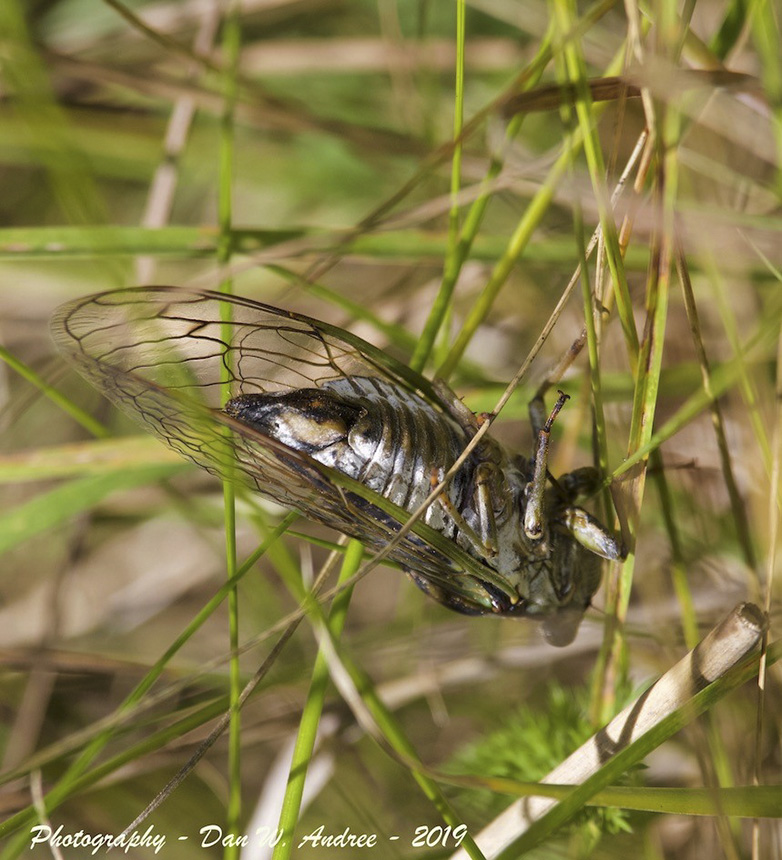
Underside Dog Day Cicada... This is the same cicada just a different angle. It had just landed in the grass and I seen the underside first then it crawled or turned around and looked at me, or at least to look up. Interesting transparent like wings. |
 |
|
Lucy Morrissey |
||
 |
|
|
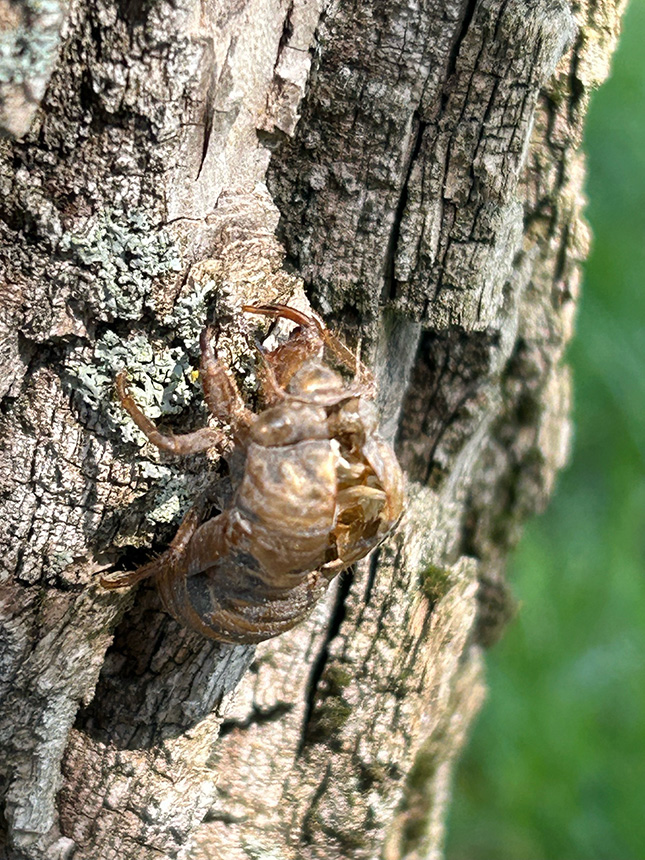
Dog Day Cicada exoskeleton, about 3 feet off the ground on a tree trunk. Did not see the cicada but will keep looking! |
||
Ann Perry |
 |
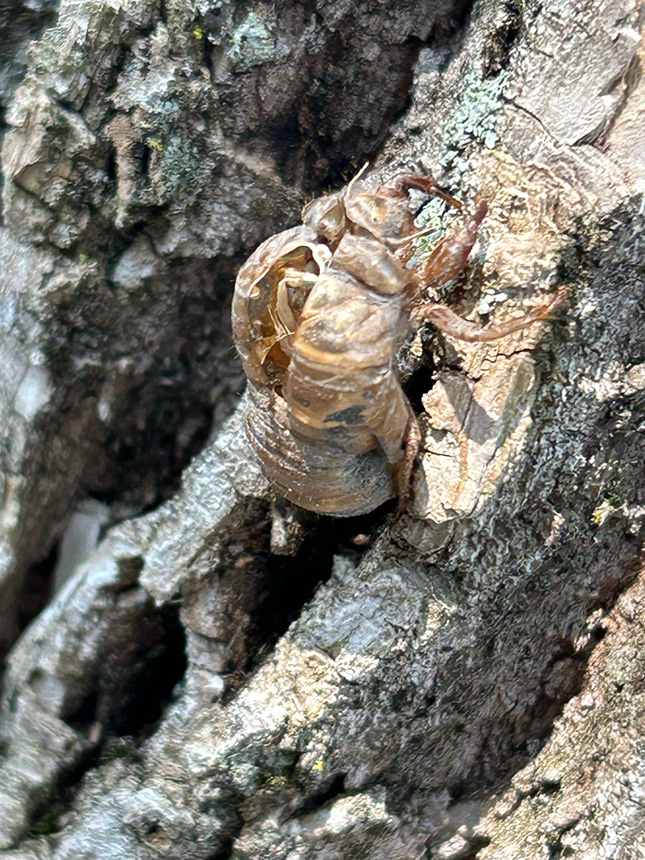
The exact markings. |
David Christopher |
 |
Mickinley Landrus |
 |
Lalo Mtz-Yrz |
||
 |
 |
|
 |
||
Riley Brennan |
||
 |
 |
|
Nanc |
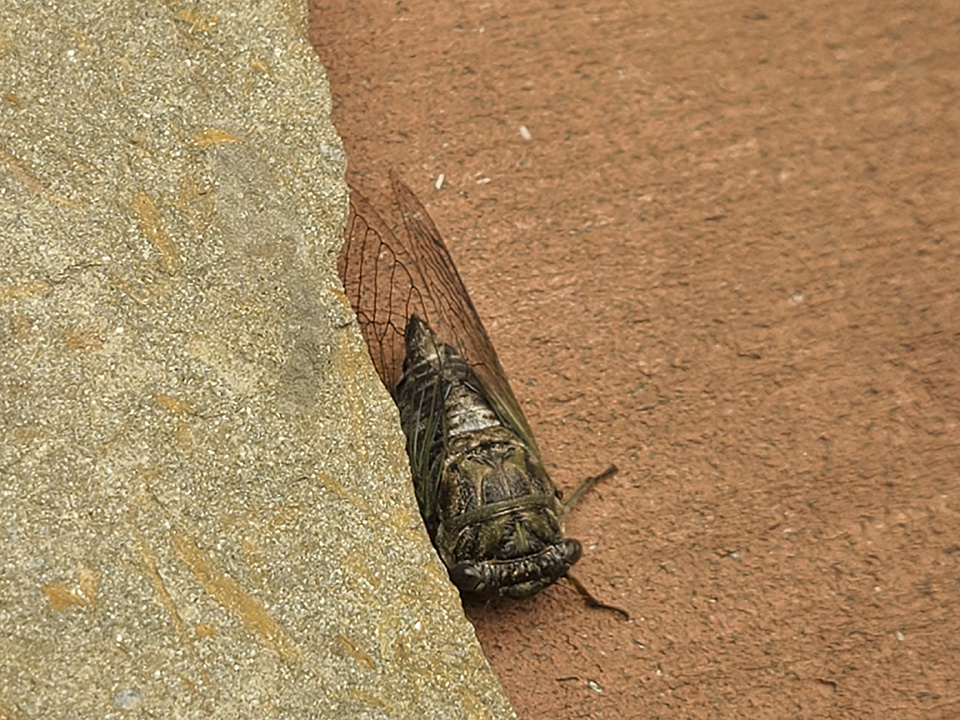 |
Found a Cicada on my deck. |
jenniferhuss |
||
 |
 |
|
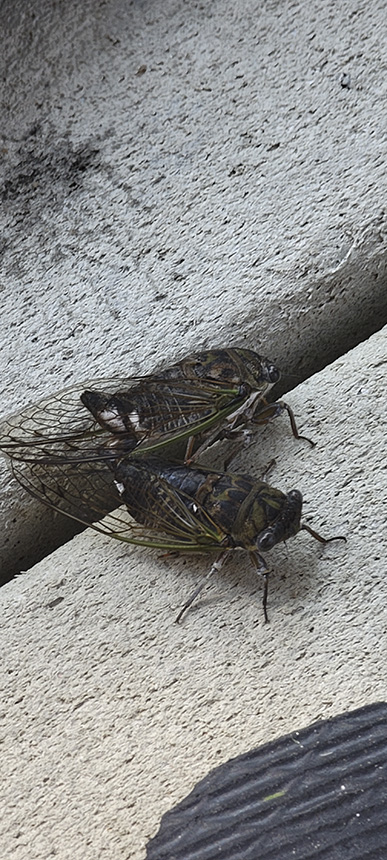
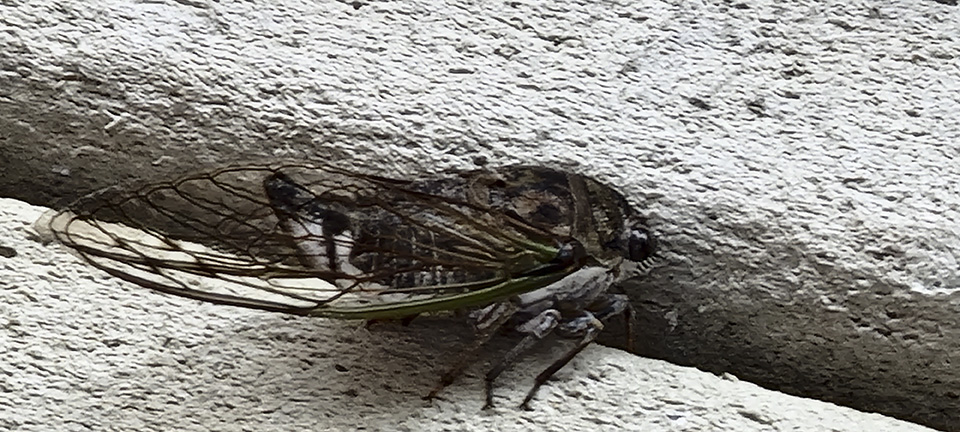
mating on my deck |
||
Luciearl |
||
 |
 |
|
 |
||
Cidne Kozlovski |
 |
he flew right into me and has been chilling on my porch for a while. |
Christine S. |
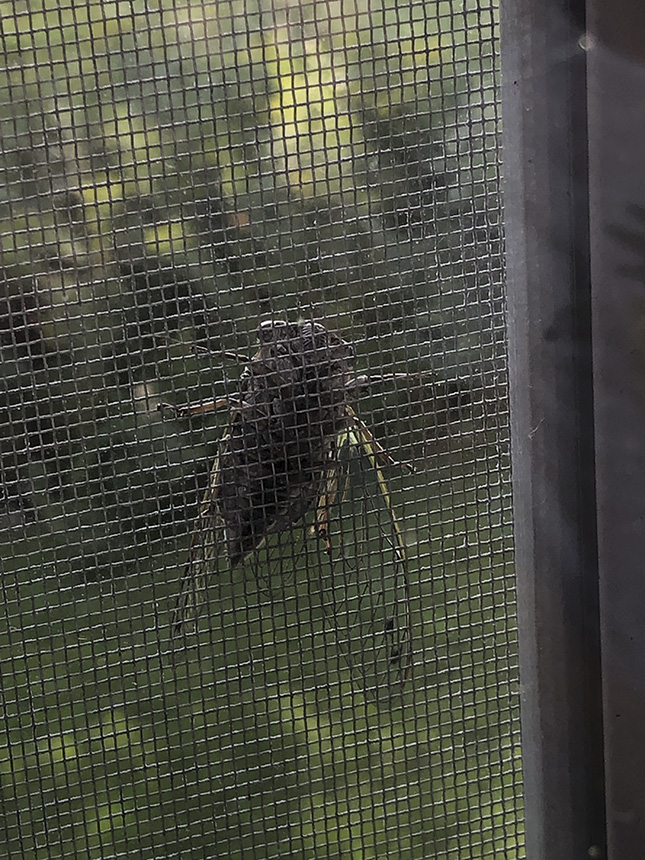 |
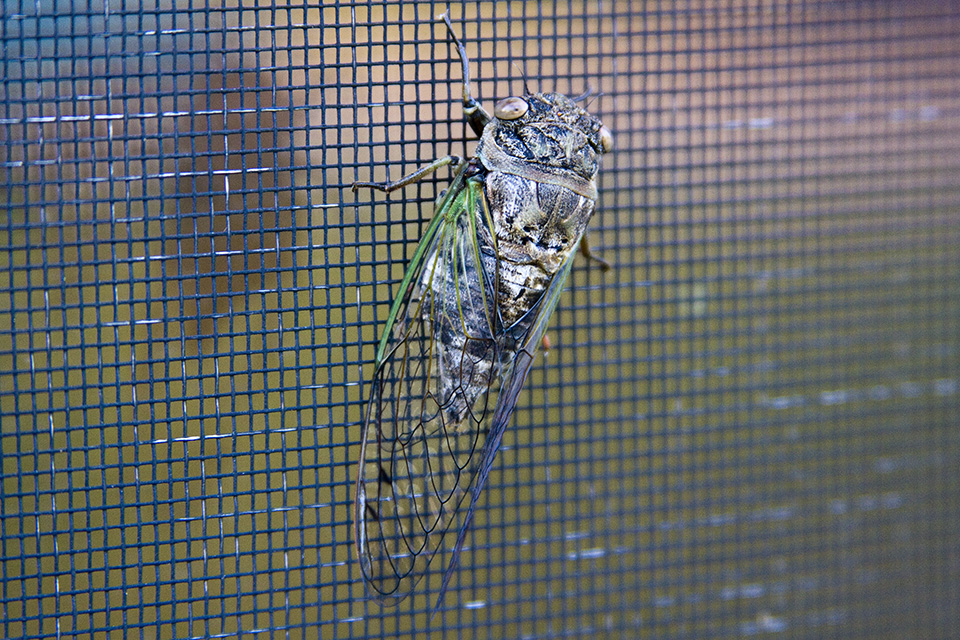
On my porch window screen. Been hanging on for two days. |
Lynn Rubey |
||
 |
 |
|
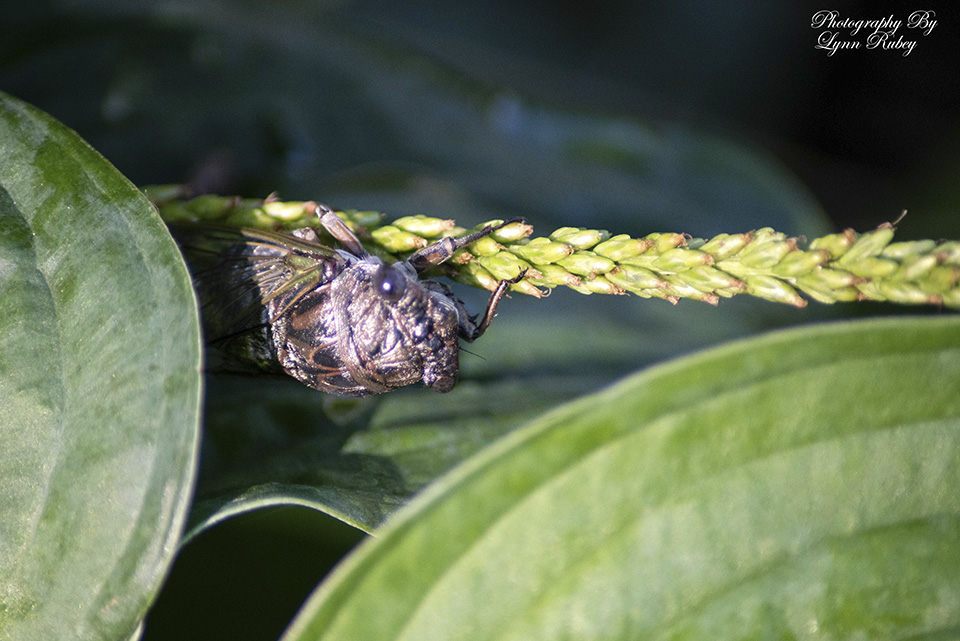
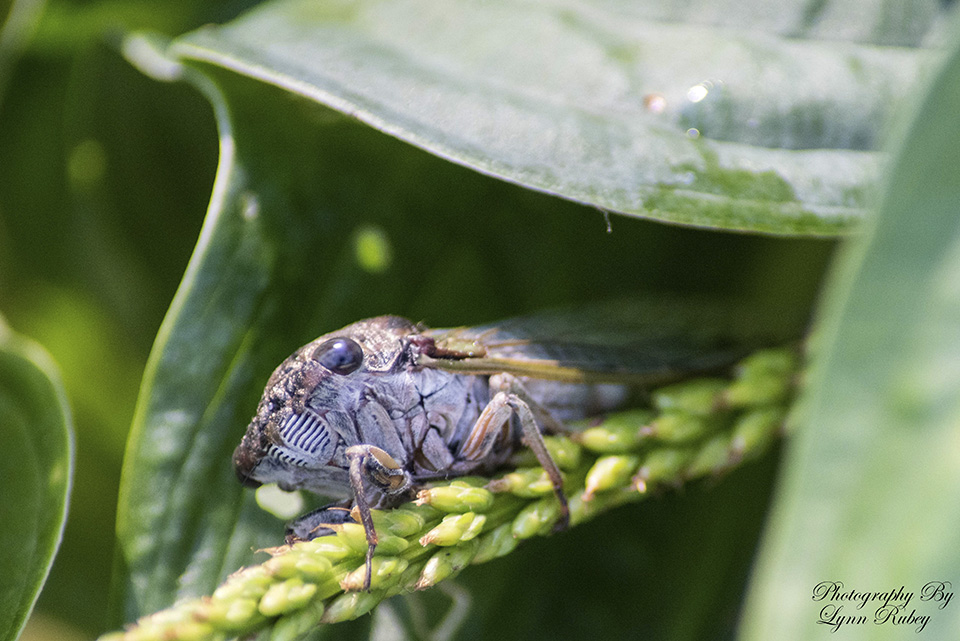
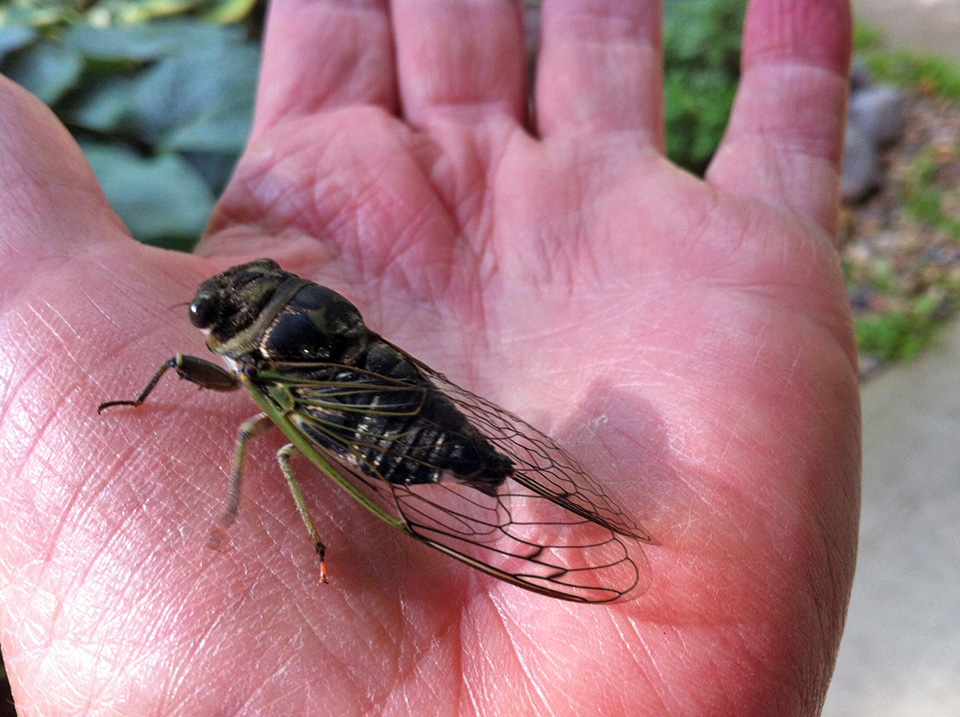
An adult Dog Day Cicada taking cover under Hosta leaves in Ortonville, Minnesota as the heavy dew was still on the gound |
||
Joyside |
 |
Sally Archer Clifton |
||
 |
 |
|
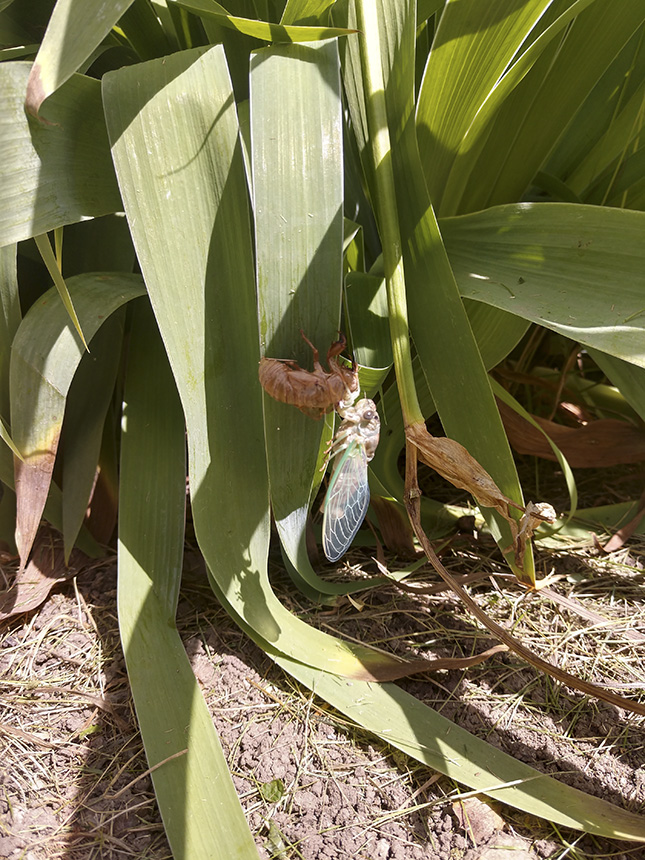
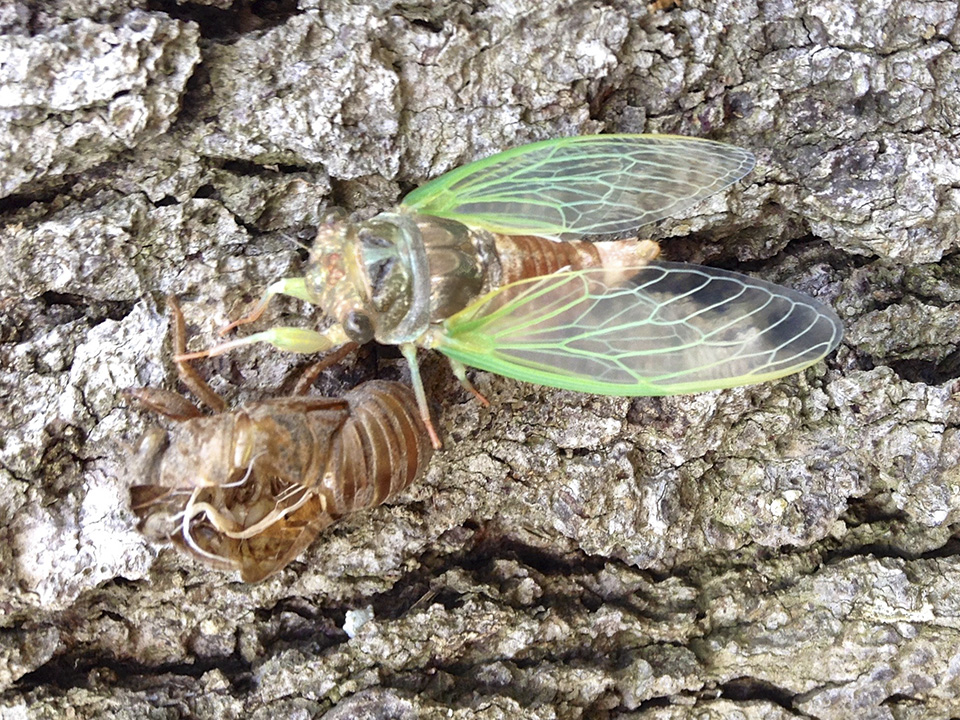
My first experience of morphing Cicada |
||
 |
||
Ed Pembleton |
||
 |
 |
|
Discovered by a teacher during our “how to teach outdoors” workshop, they were a great lesson in how interesting learning outdoors can get. Twenty teachers suddenly focused watching an emerging cicada. Does not get better than that. |
||
Christina Merhy |
||
 |
 |
|
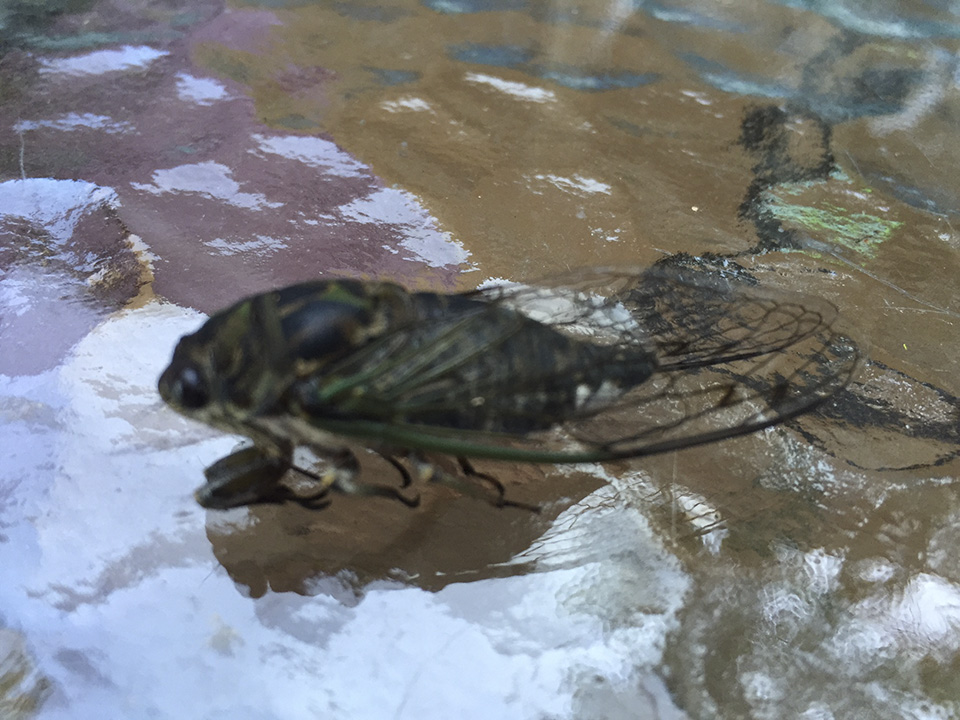
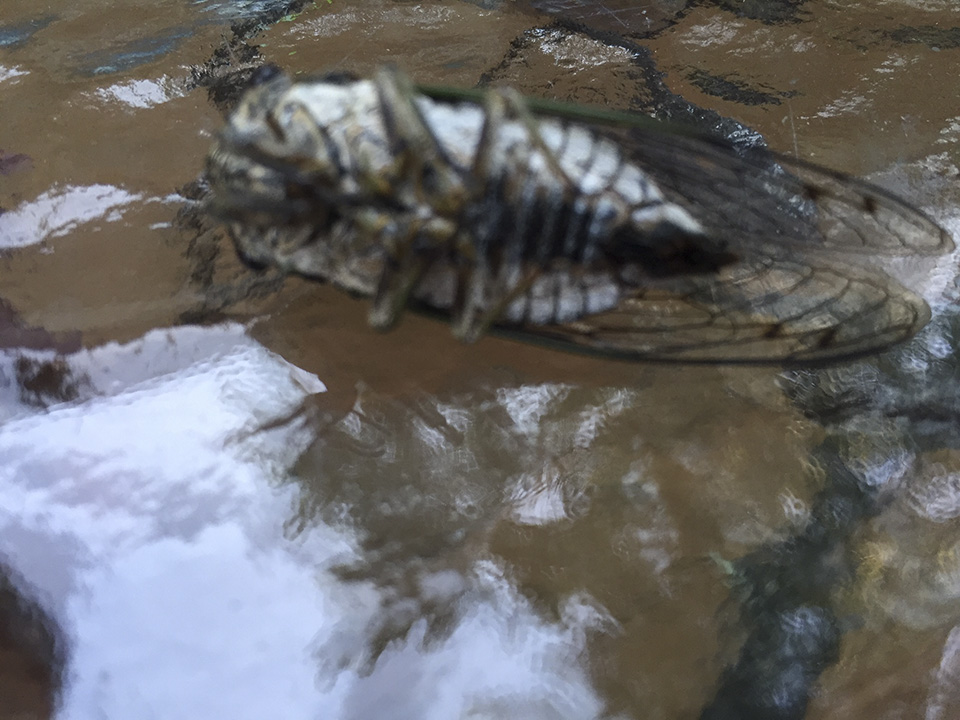
My boys were excited to find this winged friend on our deck! We immediately came in to research what it was, which lead us to your site. |
||
Mary Arneson |
||
 |
 |
|
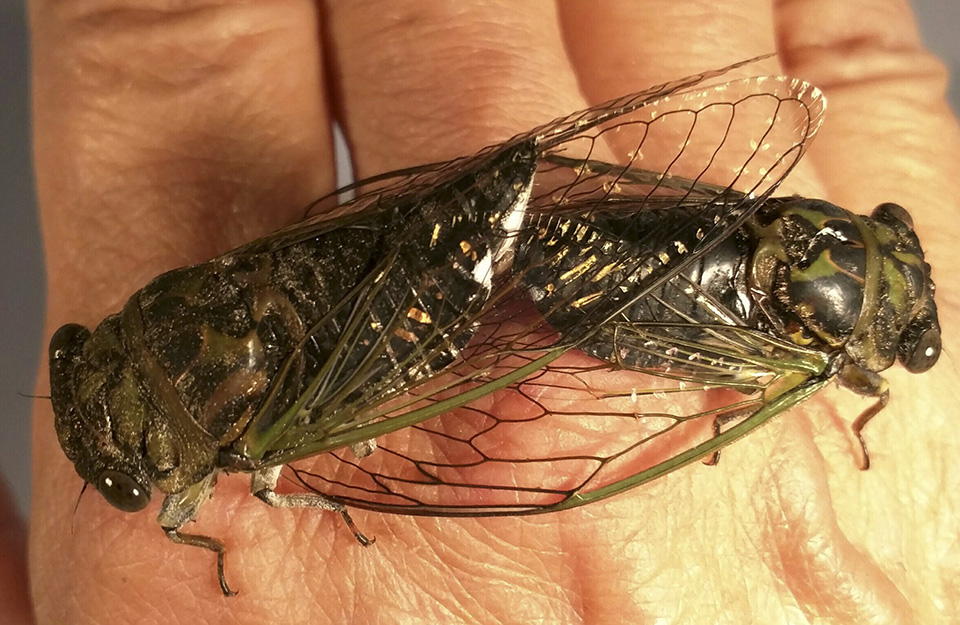
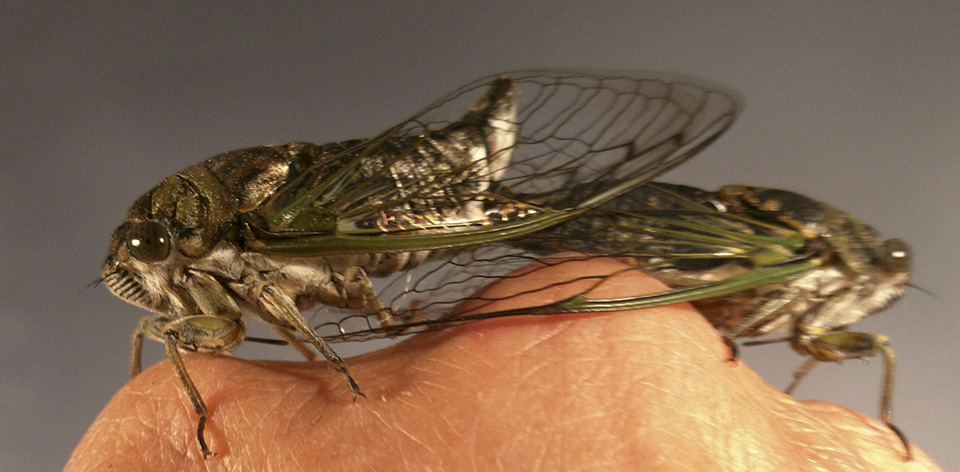
These cicadas tumbled into our path as we were cycling. They took probably a half hour to mate, transferring some white gummy looking material. When they finished, the female, and then the male, flew away. This was in Minneapolis on July 31st 2016. They didn't seem bothered by being picked up and photographed. |
||
Martha O. |
||
 |
 |
|
 |
||
 |
 |
|
Nancy J. |
 |
MinnesotaSeasons.com Photos |
||
 |
 |
|
 |

Slideshows |
Dog-day Cicada (Tibicen canicularis) |

|

Visitor Videos |
||
Share your video of this insect. |
||
This button not working for you? |
||
Sally Archer Clifton |
dog day cicada 2 |
About
Morphing Cicada. I'm from California visiting and this was one wonderful moment!!! |
Martha O. |
dog day cicada 1 |
About
Uff da |
Other Videos |
||
Dog-day Cicada (Cicadidae: Neotibicen canicularis) Lateral Close-up |
About
Uploaded on Aug 16, 2011 Photographed at the Turtle River State Park, North Dakota (16 August 2011). Thank you to Bill Reynolds (@Bugguide.net) for confirming the identity of this specimen! |
Dog-day Cicada (Cicadidae: Neotibicen canicularis) Dorsal Close-up |
About
Uploaded on Aug 16, 2011 Photographed at the Turtle River State Park, North Dakota (16 August 2011). Thank you to Bill Reynolds (@Bugguide.net) for confirming the identity of this specimen! |
Neotibicen Canicularis Calling II 9-6-2012 |
About
Published on Sep 22, 2012 Cicada calling at the Bohemia Equestrian Center, Sycamore Avenue, Bohemia, NY 11716 |

Visitor Sightings |
||
Report a sighting of this insect. |
||
This button not working for you? |
||
Cindy Ostman |
Location: Cambridge, Mn |
 |
| Dan W. Andree 8/1/2024 |
Location: Norman County, Mn. Cicadas had been emerging in July, but the weather changed while some were trying to emerge out of the nymph stage but I noticed one that seemed to just died trying. It was during a almost fall like temp drop. Cicadas like it warmer. I haven’t even heard them other than a few faint sounds. I read that they become vocal during warm or hot days and are silent on cooler ones. Maybe by the weekend when it is suppose to be close to 90 they will be sounding off. |
 |
The cicada in the photo was on a birch tree trunk. Last time I was out to Frenchman’s Bluff SNA there were prairie cicadas sounding off down in the prairie vegetation. I couldn’t see any and they became silent if I tried get closer to where their sound was coming, but they were making cicada sounds and they were prairie cicadas because there weren’t any trees around to be dog day ones. |
||
Lucy Morrissey |
Location: Carver County Dog Day Cicada exoskeleton, about 3 feet off the ground on a tree trunk. Did not see the cicada but will keep looking! |
 |
| Ann Perry 8/27/2023 |
Location: Buckhorn, Ontario The exact markings. |
|
| David Christopher 8/6/2023 |
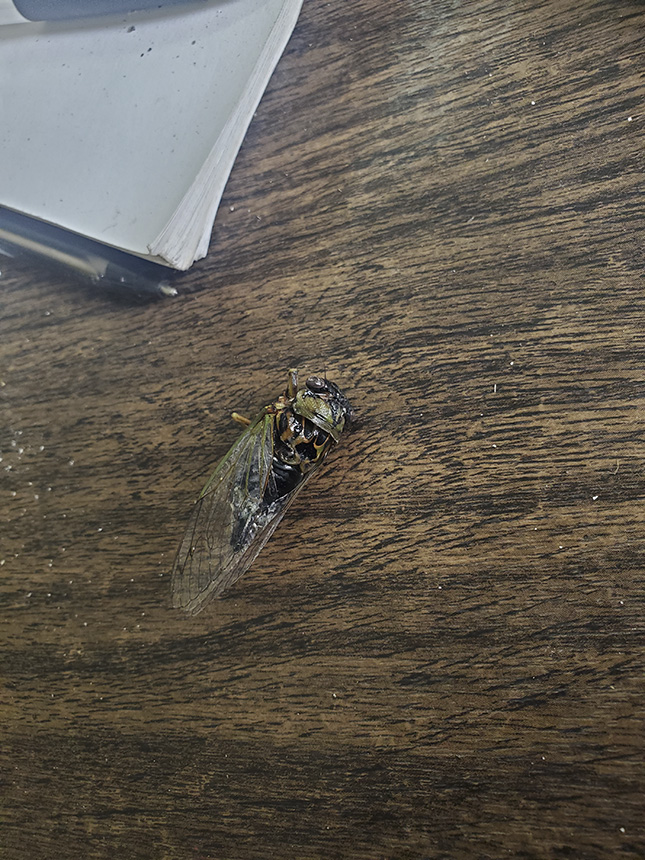
Location: Birch Lake, MN |
|
| Mickinley Landrus 8/3/2023 |
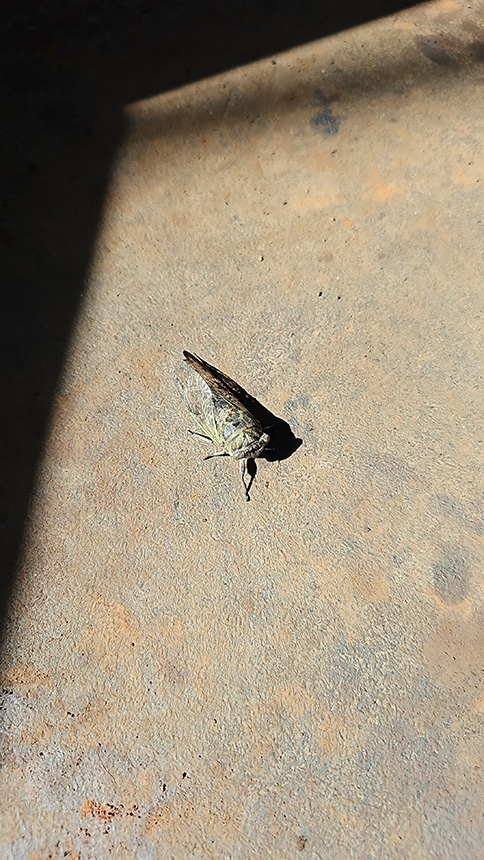
Location: Hibbing, Minnesota |
|
| Lalo Mtz-Yrz 9/7/2022 |
Bunt Lake, Clearwater MN |
|
Alfredo Colon |
Location: Albany, NY |
 |
| Riley Brennan 7/31/2021 |
Location: Minnehaha Falls |
|
| Nanc 7/29/2021 |
Location: Brooklyn Park, Mn Found a Cicada on my deck. |
|
| jenniferhuss 7/23/2021 |
Location: West St Paul, MN Dakota County mating on my deck |
|
| Luciearl 8/27/2020 |
Location: Fairview Twp., Cass County |
|
| PH 8/23/2020 |
Location: Minnetrista, Minnesota Found one sitting near the ground of my kids’ swing set. It was so still that I thought it was a dead bug. |
|
| Cidne Kozlovski 6/15/2020 |
Location: Duluth, MN he flew right into me and has been chilling on my porch for a while. |
|
| Dan W. Andree 8/20/2019 |
Location: Norman County, Mn. Seemed pretty harmless. I had heard their sounds before but seldom seen one up close. Kind of Army Green Camo color pattern. I noticed it on Aug. 20, 2019 while out in a grassy area next to some woods in Norman county, Mn. Cool creature. 😊 |
|
| Lynn Rubey 8/20/2019 |
Location: Ortonville, Minnesota An adult Dog Day Cicada taking cover under Hosta leaves in Ortonville, Minnesota as the heavy dew was still on the gound. |
|
| Joyside 7/21/2019 |
Location: Buffalo |
|
| KMC 8/11/2018 |
Location: White Bear Lake it sounds like I have hundreds of them. They are horrible. I can’t sit out on my deck and relax anymore. The sound hurts your ears!! |
|
| Sally Archer Clifton 8/24/2017 |
Location: Kingfield My first experience of morphing Cicada |
|
| MaryBeth 8/4/2016 |
Location: Harmony, MN My dog was "playing" with something on the deck and when he dropped it I could finally see what it was. He was freaked. I was grossed out. I had no idea we had those here. |
|
| Amanda M arted late May 2016 until now |
Location: Hastings, MN I found my first one in my bean garden in late may. A full grown adult just laying on the dirt. It climbed up my royal burgundy bean bush, shed its skin and left. Then I found another deserted exoskeleton. 2 months went by before i saw more. Suddenly there were 6 skins in my bean feild. Then i found 2 adults on the bricks under my rainwater barrel, who also shed and fled. I began to notice large holes at the bases of my bean bushes. To date (late August) I've seen 5 adults, found 10 skins and i can hear multiple individuals singing as i type this. I learned alot about them since i saw the first one! |
|
| Ed Pembleton 8/15/2016 |
Location: Hoover Elementary School, 369 Elton Hills Dr NW, Rochester, MN 55901 Discovered by a teacher during our “how to teach outdoors” workshop, they were a great lesson in how interesting learning outdoors can get. Twenty teachers suddenly focused watching an emerging cicada. Does not get better than that. |
|
| Jaeger324@ comcast.net 8/10/2016 |
Location: Maple Grove, MN My cat finds them our deck and brings them in as a gift to me. At first I thought that they could be the Dutch elm borer but our forester said they were a cicada. |
|
| Christina Merhy 8/6/2016 |
Location: Minnetonka, MN My boys were excited to find this winged friend on our deck! We immediately came in to research what it was, which lead us to your site. |
|
| Sue 8/9/2016 |
Location: Chaska MN Hung onto the side of our car all the way from Chaska to Shakopee. |
|
| Dora 8/3/2016 |
Location: Maple Lake, MN my dog spotted one on our driveway at night. Big surprise for me! I had no idea they lived so far north! Googled it this morning. Learn something everyday |
|
| Mary Arneson 7/31/2016 |
Location: Minneapolis, MN These cicadas tumbled into our path as we were cycling. They took probably a half hour to mate, transferring some white gummy looking material. When they finished, the female, and then the male, flew away. This was in Minneapolis on July 31st 2016. They didn't seem bothered by being picked up and photographed. |
|
| Marc 7/16/2016 |
Location: Dayton's Bluff in St. Paul 2 emerged from the soil under the Norway spruce |
|
| April Narcisse 6/28/2016 |
Location: Bloomington, MN I was just reading on your site about the emergence of cicadas. I listen for them every year and this year I was shocked to hear one for the first time on June 28. I don't think I have ever heard one this early. I only hear one at a time and I hear him every day - most likely the same one circling our yard. Just thought I'd report this very early cicada. Have you ever heard one this early? |
|
| John valo 7/3/2016 |
Apriil. I just heard my first dog day cicada this afternoon, July 3, at Swedes Forest SNA. Last year my first sighting (hearing) was July 20. I would have to go through my handwritten notes from previous years to find earliest sightings for those years. The sightings listed below are all after August 1st. Yours is by far the earliest reported here. |
|
| Jon 8/30/2015 |
Location: Lakeville MN IT WAS JUST SITING ON THE DECK RAIL |
|
| Steve Hannah 8/20/2015 |
Location: University of Minnesota campus in Crookston I am assuming this is the species, I hear them but have not gone to the trees to identify. The buzz is loud on campus today, with temperatures in the low 80's. I do not hear them in other areas in our region but they seem to be prevalent in several rows of pine trees surrounding campus. |
|
| Sauk Rapids K 8/20/2015 |
Location: Sauk Rapids MN These have been singing periodically in my neighborhood for the past 2 to 3 weeks. |
|
| Candyf 8/16/2015 |
Location: Prior Lake found one dead cicada in our yard about a week ago |
|
| Martha 8/19/2014 |
Location: Fridley, MN |
|
| Martha 8/16/2014 |
Location: Fridley, MN |
|
| chasfmn 9/8/2013 |
Cicada in St Paul West Side My dog caught one and played with it, did not what it was until he dropped it and was able to see it. I did not know we even had these in our area till seeing this one and had always thought I was hearing tree frogs but could have been the cicada. Sound a lot alike to me. |
|
| Nancy J 8/10/2013 |
Location: Spicer, Minnesota I was reading about Cicada on your website. We found a number of Cicada in Spicer, Minnesota this past August. They were wonderful to listen to the past few weeks. |
|
MinnesotaSeasons.com Sightings |
||

Created: Last Updated: © MinnesotaSeasons.com. All rights reserved. |